Croatia: Love the Life, Verify the Title
Fall for Croatia’s coastal mornings—but pair the romance with data: regional price rises, foreign‑buyer rules and transparency red flags to check before you bid.
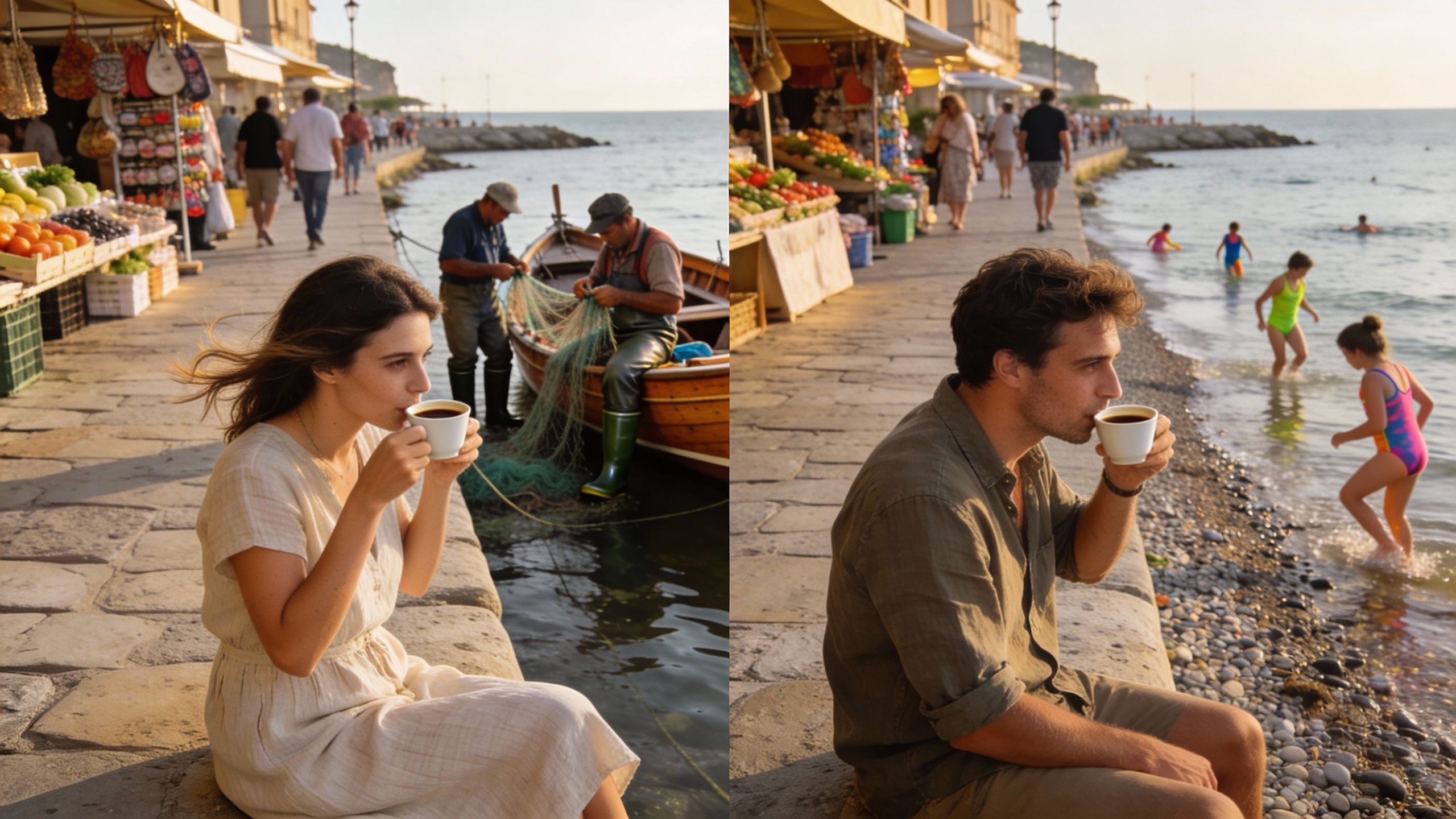
Imagine sipping espresso at a sunlit table on Split’s Marmont, then walking five minutes to a waterfront where children kick a football past fishermen mending nets. Croatia moves at two speeds: a slow Mediterranean rhythm in coastal towns and a brisk, urban pulse in Zagreb. For buyers, that contrast is the magic—and the practical challenge. Recent market analysis shows prices rising unevenly across regions, and that matters if you want the life as much as the asset. (We’ll show you where the romance meets the paperwork.)
Living the Croatia lifestyle
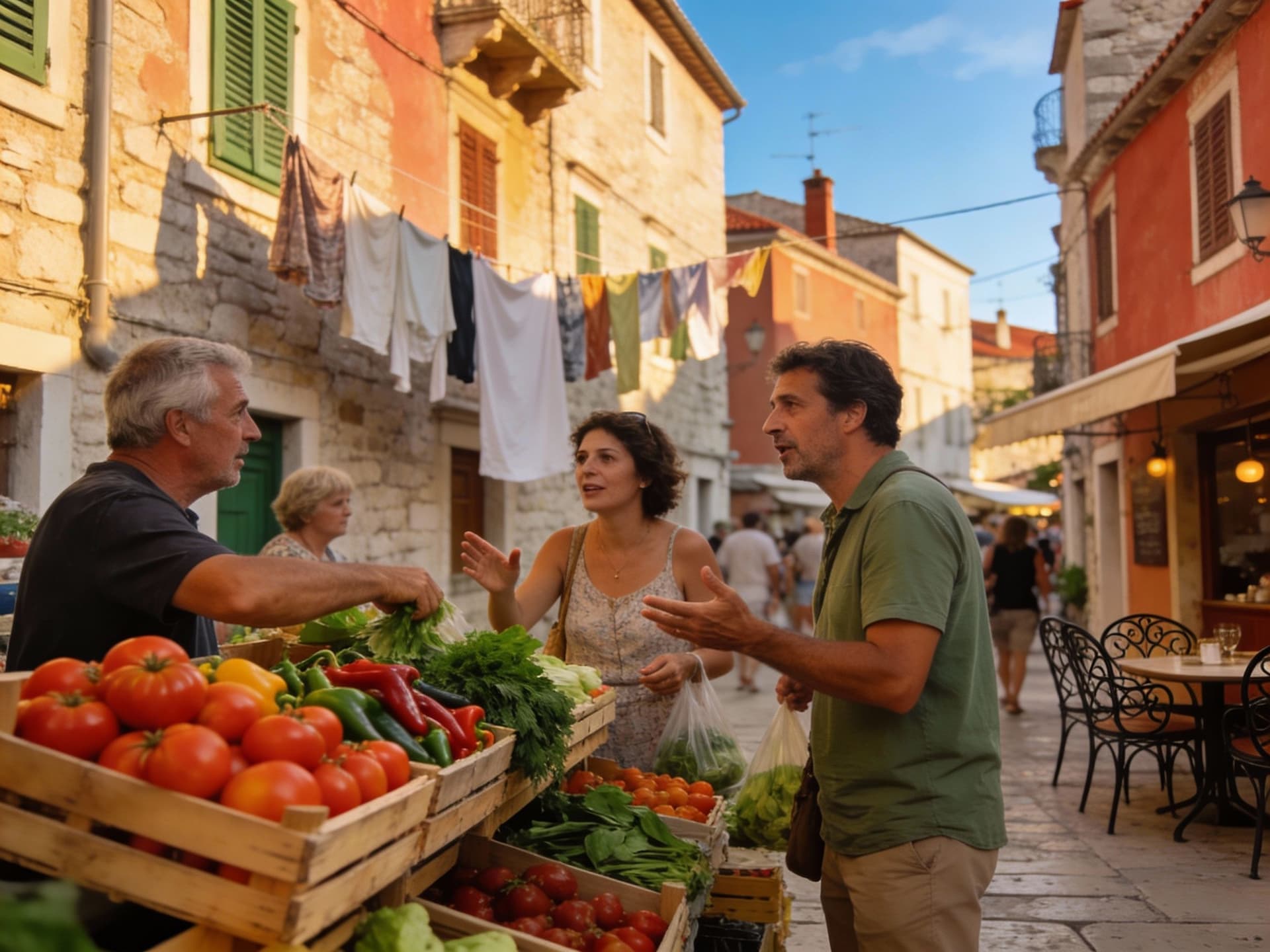
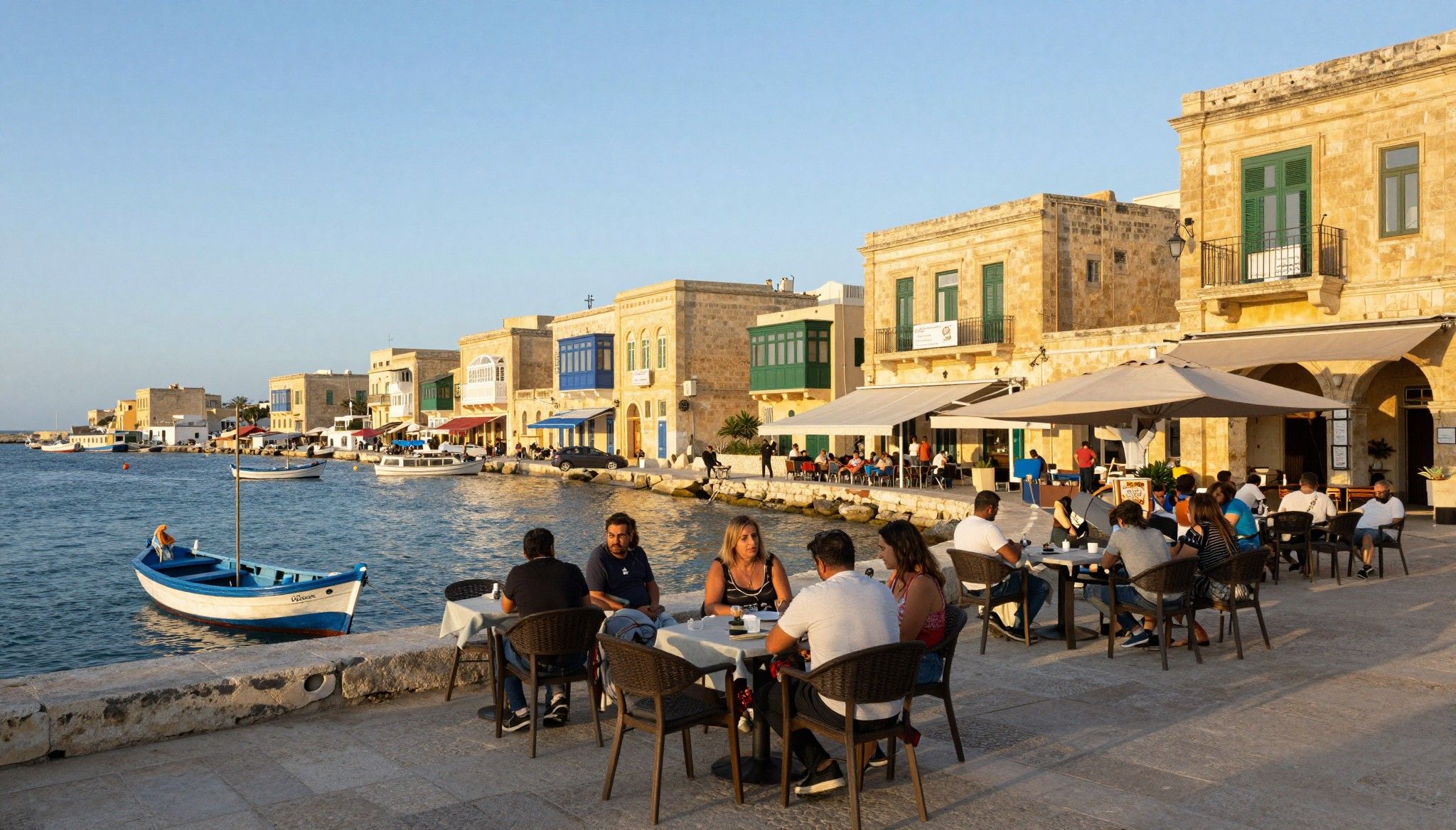
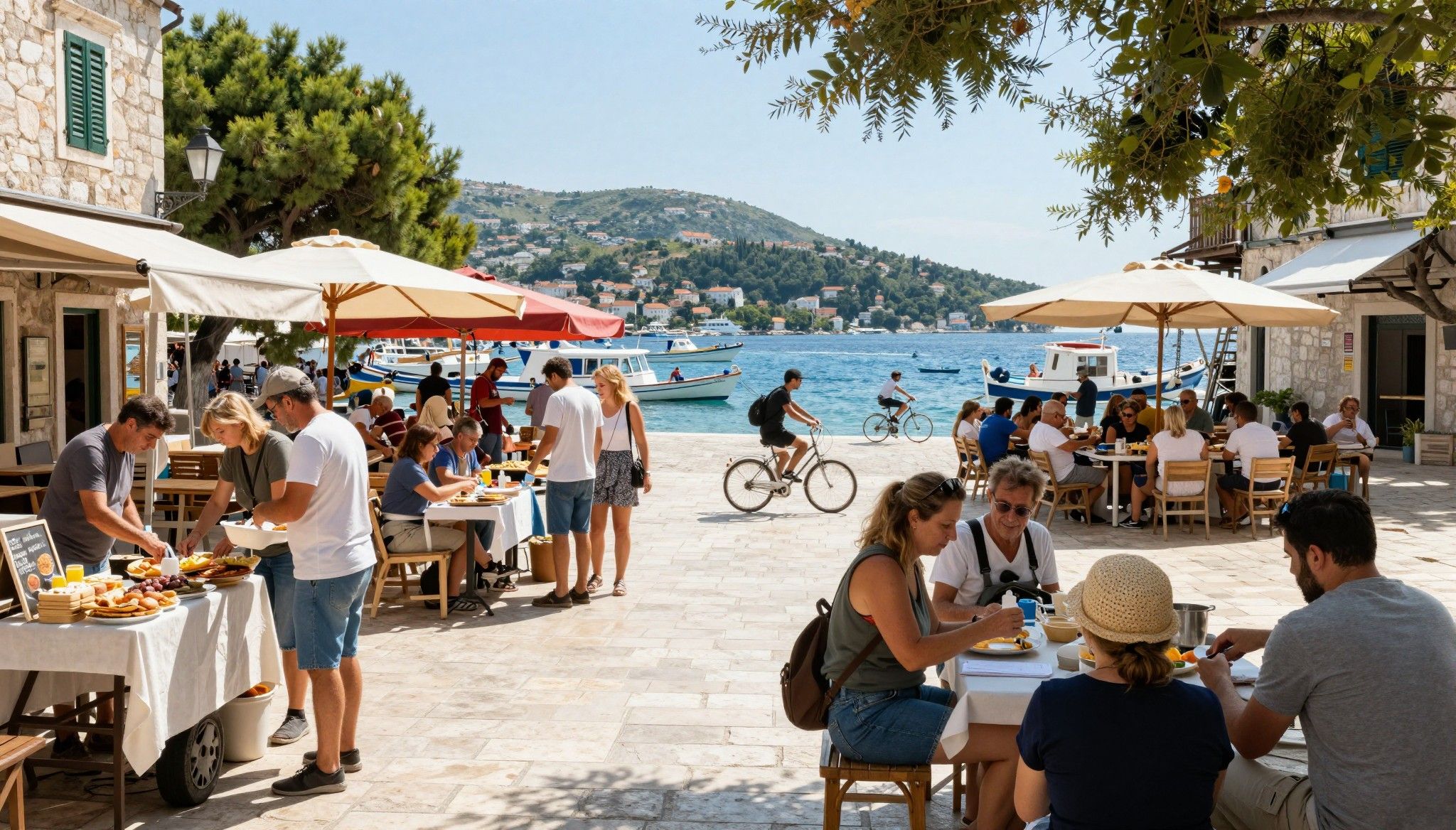
Coastal towns smell of pine and grilled fish; markets sell figs and soparnik; Friday afternoons drift into café conversations. The Data Agency reports dwelling prices rose by about 10% year-on-year in late 2024—more on what that means for coastal lifestyle buyers in a moment. For now, picture morning swims off a pebble beach in Brela, aperitivo crowds on Hvar’s harbour, and late-night jazz in Zagreb’s Gradec.
Split & Dalmatian towns: sea, stone, community
Split’s Riva and Veli Varos feel lived-in rather than staged: bakeries, old men playing cards, and narrow lanes where every door seems to tell a story. Nearby Trogir and Šibenik give you quieter island access without cutting you off. Properties here are often stone houses with terraces—you buy views and lifestyle, not vast interiors. Expect seasonal rhythms: lively summers, calm off-seasons and a strong local municipal focus on heritage restoration.
Istria & Kvarner: food culture and year‑round life
Istria’s hill towns, like Motovun and Grožnjan, attract food lovers—truffle festivals, olive press seasons, and markets that run year-round. For health and convenience, many buyers favor Rijeka-adjacent neighbourhoods for better services and ferry links. If you’re non-EU, note that buying in Croatia can require Ministry consent; EU citizens have far simpler paths. The lifestyle here skews slower, seasonal pleasures blend with steady communities, and properties often pair stonework with modernised interiors.
- Local highlights to taste the life
- Morning espresso at Dujmovića kafić (Split), a swim off Bačvice, and a market run at Pazar (Split)
- Truffle weekends in Istria—Motovun market stalls and family-run konobas
- Evening strolls along Dubrovnik’s Stradun before the cruise crowds arrive
Making the move: practical considerations
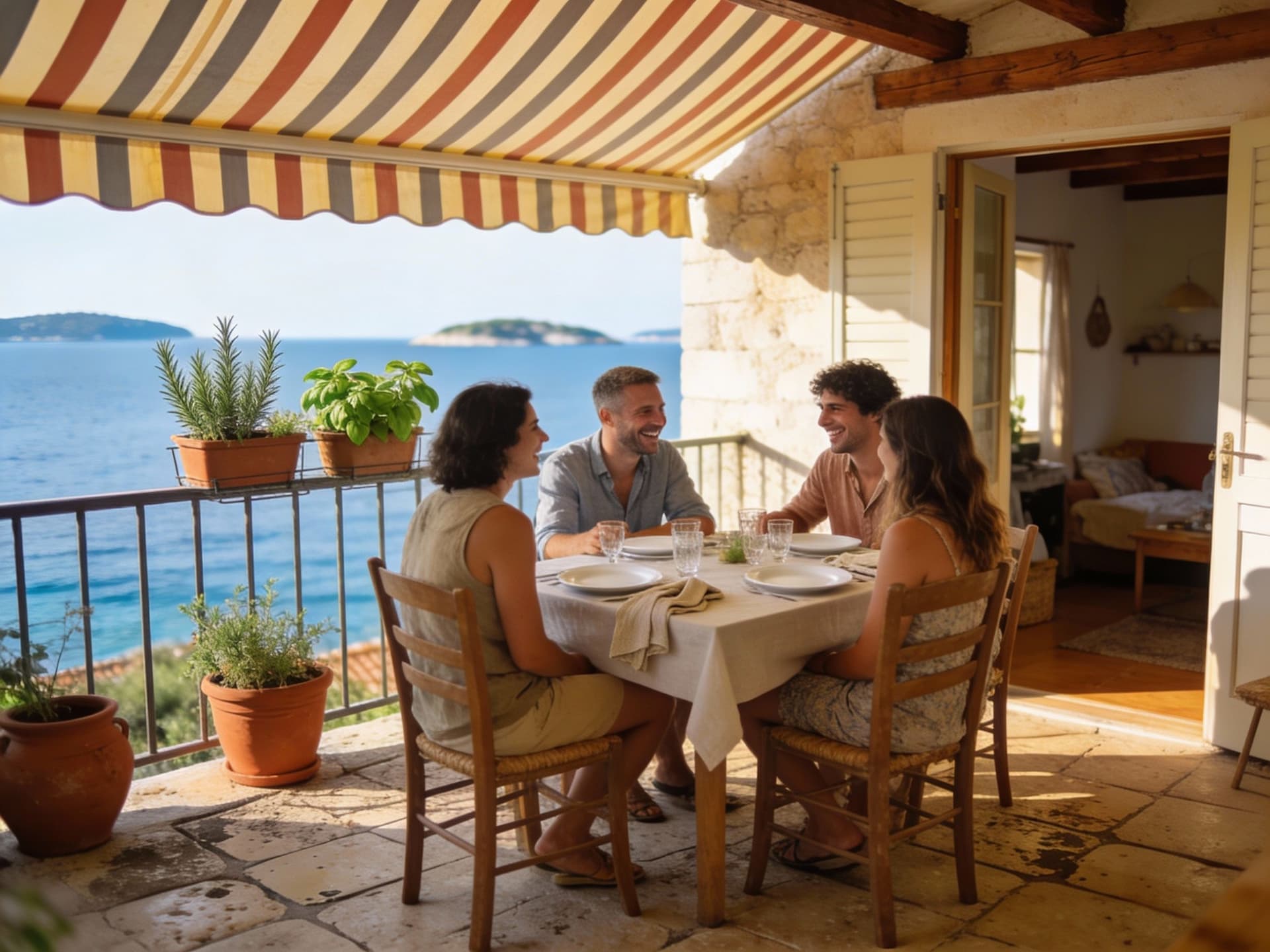
The fantasy is immediate; the practical steps less so. Prices have climbed substantially in recent years—DZS recorded double-digit annual increases in parts of 2024—so timing and location matter. You’ll need local expertise to translate neighbourhood character into valuation: is that sea‑view premium justified by year‑round rental demand, or is it a summer-only surge? Work with agents who know municipal plans, water access issues, and the small print in coastal cadastres.
Property types and how they shape life
Stone townhouses: great for atmosphere and compact living, but expect renovation surprises (old wiring, damp). Modern apartments: convenient, lower maintenance, often with condominium rules that affect rentals. New-build villas: give you indoor‑outdoor living but come with higher taxes, VAT implications and sometimes off‑season upkeep. Match property type to how you’ll use it—weekend escape, full-time life, or rental income—and budget for the unseen.
Working with local experts who know the lifestyle
We recommend agencies that live locally: they can tell you which cafés fill in winter, which neighbourhood committees oppose conversions, and which streets flood in storms. A good agent introduces you to a notary, a surveyor, and a local architect who understands heritage rules. Ask an agent how they handled past approvals, municipal permits, and rental contracts—their track record tells you if they’ll protect the life you bought, not just the sale.
- Steps that blend lifestyle and practicality
- Visit in two seasons (summer and late autumn) to feel activity levels and municipal services.
- Get a land registry extract and flood/wastewater plan before making an offer.
- If you’re non-EU, start Ministry consent paperwork early; it can take months.
- Ask for a rental history when buying for income—seasonal spikes can mask low off-season occupancy.
Insider knowledge: what expats wish they'd known
Here’s the unsweetened version. Foreign buyers account for a significant share of transactions in coastal counties; that inflow shapes pricing and local services. Expats often tell us they’d started with lifestyle—then realised they needed stronger focus on contracts, municipal zoning and the hidden costs of remote ownership (management, utilities reactivation, winter heating). We’ve seen buyers fall for a view and later discover access is through a steep public stairway that limits utility and resale.
Cultural integration and daily life realities
Croatia rewards curiosity and patience. Learning basic Croatian opens doors—literally and socially—and many locals appreciate buyers who invest time in community rituals: Sunday markets, church festivities, and local patron saint days. Practically, municipal offices move at a local pace; expect bureaucracy to require persistence. Expat neighbourhoods cluster around schools, marinas and international clinics—find them if you want immediate community, but don’t ignore smaller towns where value sometimes hides.
Long-term risks and transparency red flags
- Watch for these red flags before committing:
- Unclear land registry entries or multiple ownership claims—get an up-to-date extract.
- Seller who resists a structural survey or gives vague answers about drainage and access.
- Promises of high year-round rental income without documented bookings or contracts.
- Missing municipal permits for extensions or terraces—these can be costly to regularise.
If you spot any of these, slow down. Transparency isn’t just legal—it’s lifestyle protection. We prefer buyers to taste the coffee in a neighbourhood, talk to a few locals, and then let a lawyer and surveyor confirm the romance is backed by a clean title.
Conclusion — the life and the ledger
Croatia gives you mornings on the sea, afternoons at markets, and evenings lit by slow conversation. To keep that life from becoming a costly postcard, combine local sensory scouting with transparent, data-led due diligence. Start with two-season visits, request recent land registry extracts, and choose agents who show you both favourite cafés and municipal building permits. If you want, we’ll introduce you to local specialists who protect the lifestyle you buy.
Dutch relocation advisor who moved to Marbella in 2016. Guides Dutch buyers through visa paths, relocation logistics, and balance of lifestyle with value.