Croatia: Seasonal Signals, Transparency and Real Risks
Croatia’s coast enchants, but transparency gaps and seasonal realities reshape value. Use HPI data, cadastral checks and local advisors to match lifestyle with real risk‑adjusted price.
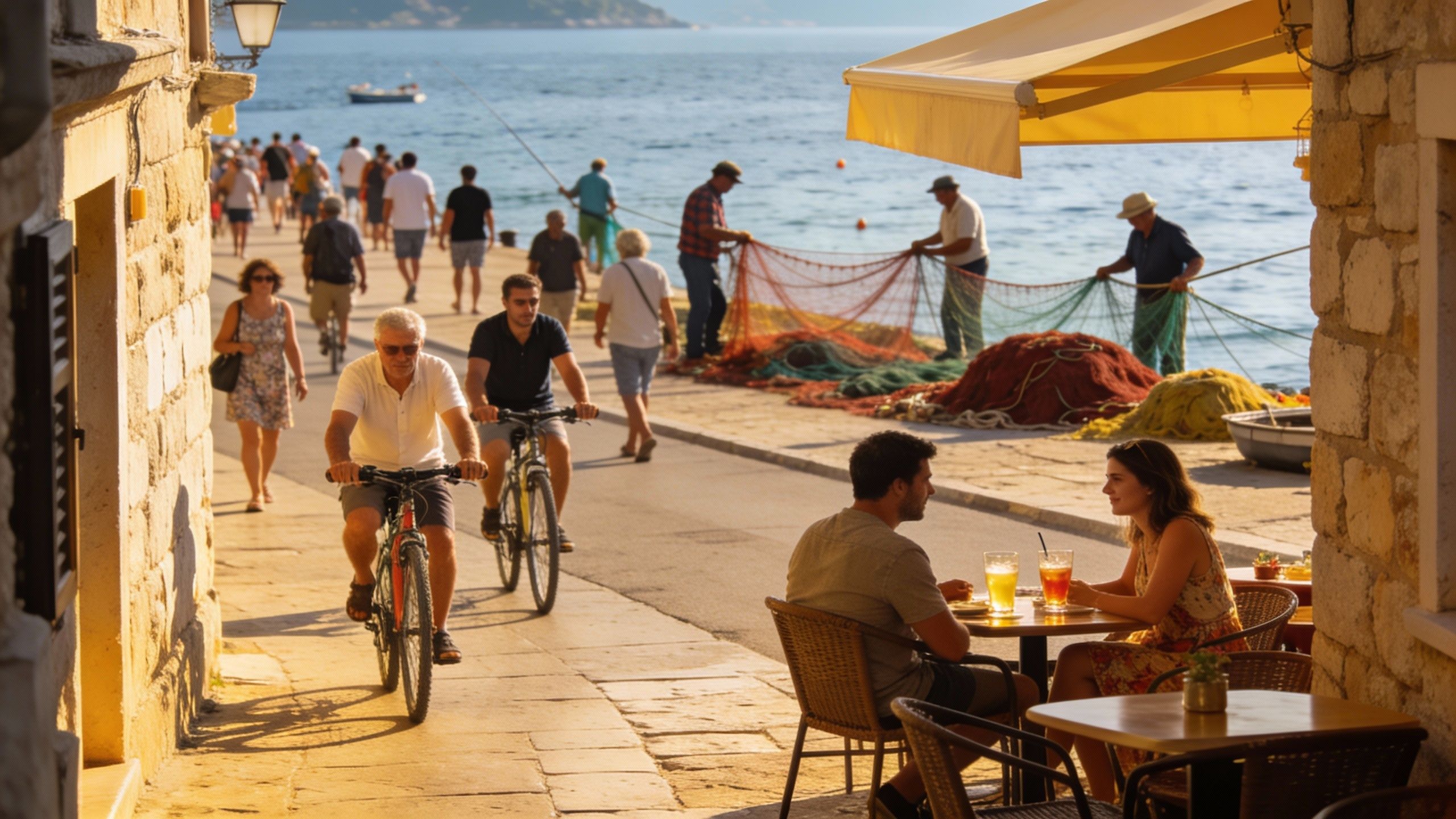
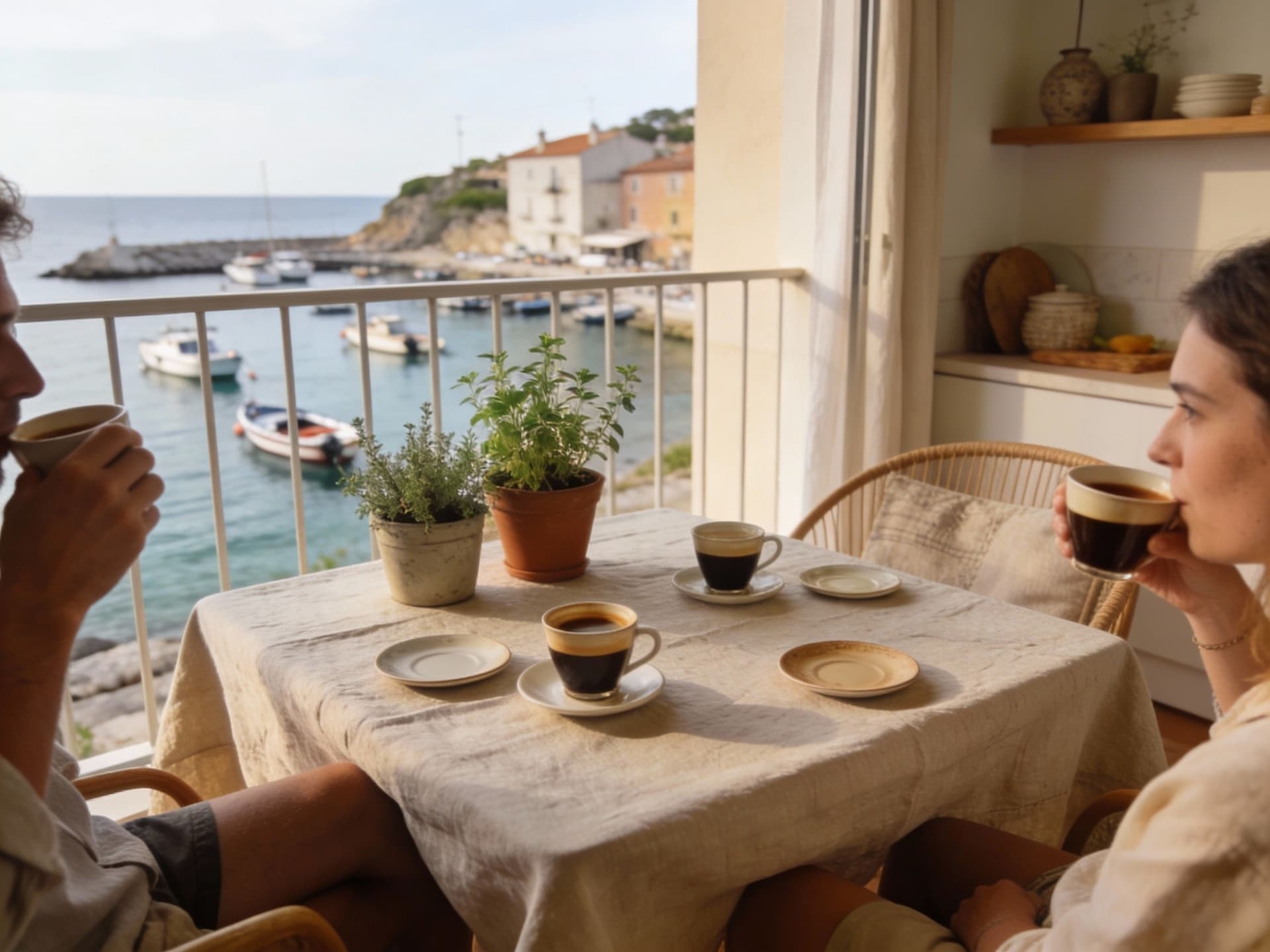
Imagine stepping out at dawn to buy fresh bread in a stone market square on Korčula, then taking your espresso to a sunlit terrace above a quiet harbour. Croatia moves at two paces: a slow, island‑time rhythm along the Adriatic and a brisker, practical tempo in Zagreb and regional centres. For an international buyer that duality is the appeal — lifestyle variety in close proximity — and the reason market transparency matters more here than in many other European markets. According to recent market analysis, strong coastal demand and rising foreign purchases have shaped price signals that are easy to misread without local context.
Living the Croatia lifestyle
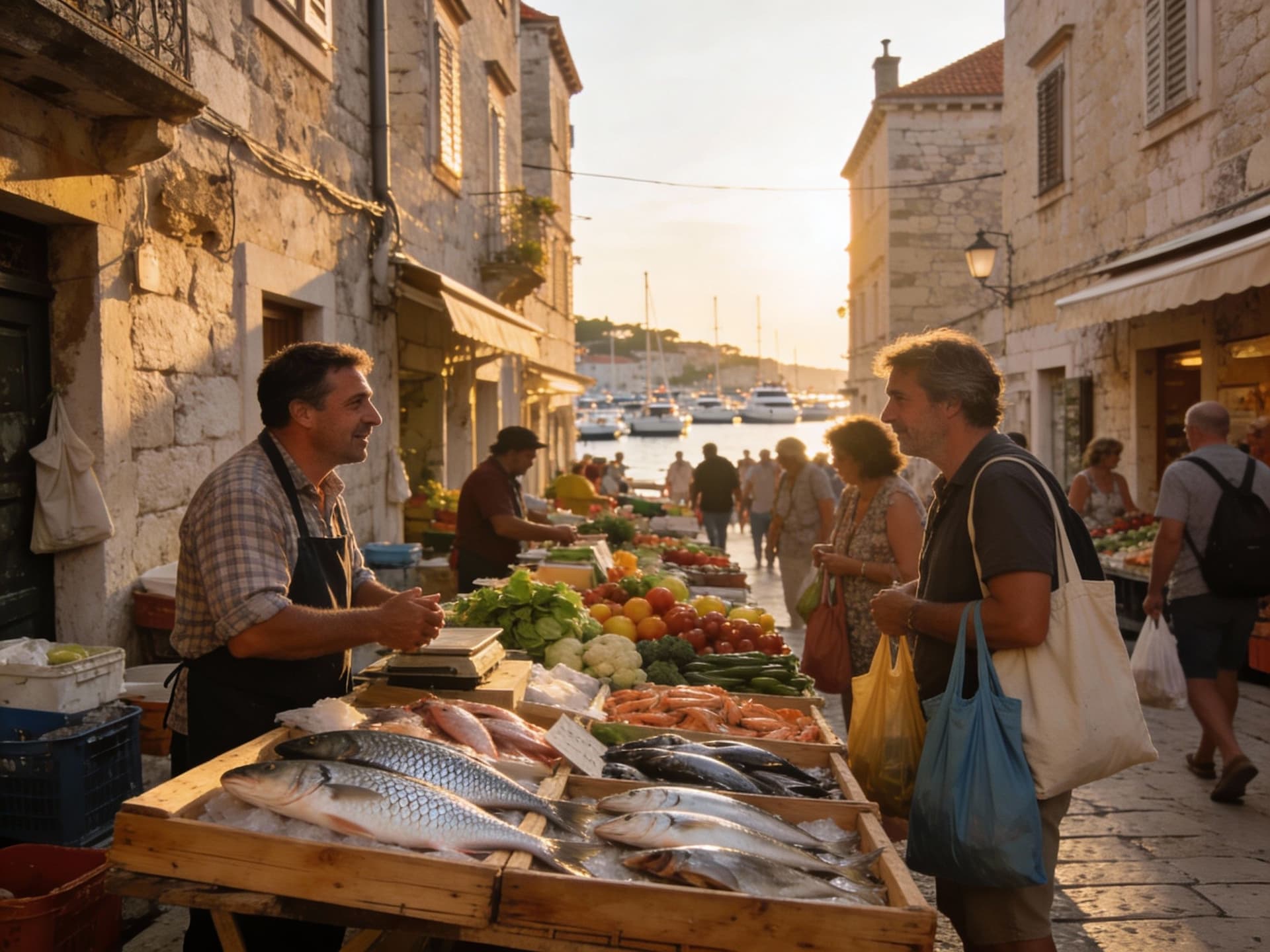
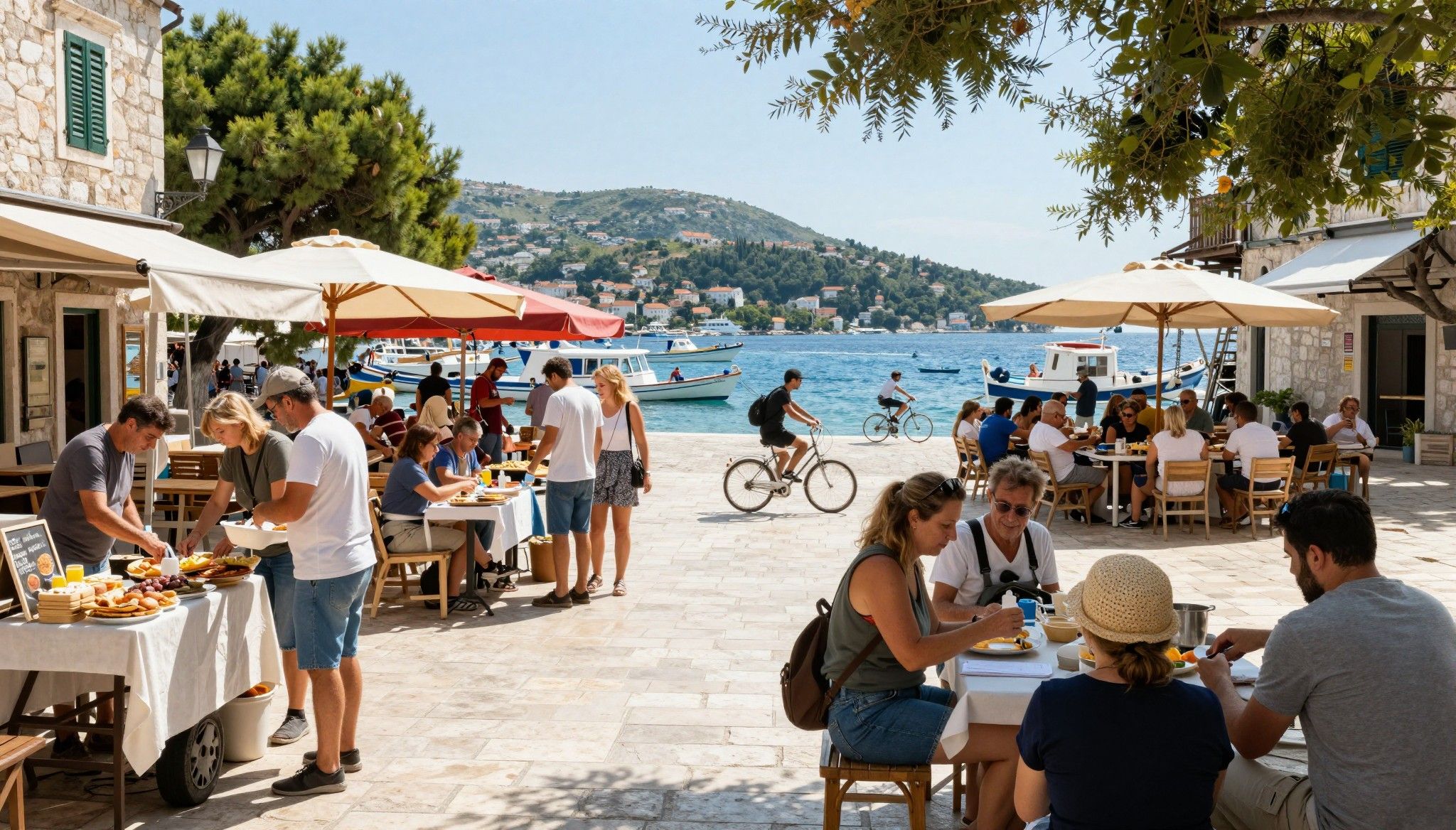
Croatia’s daily rhythms are tactile: early markets fill with fishers’ catch in Split, cafés hum along Zagreb’s Tkalčićeva, and seaside towns empty out after high summer to reveal a quieter life. The architecture is a patchwork — Venetian stone façades on the Adriatic, austere Austro‑Hungarian corners inland, and modern blocks where post‑war building met recent demand. When you buy here you’re buying daylight, sea breezes and a calendar of festivals as much as square metres. That matters because the type of life you expect changes where you should buy and how you should value transparency in listings and contracts.
Coastal towns and island pockets — what the postcards don’t tell you
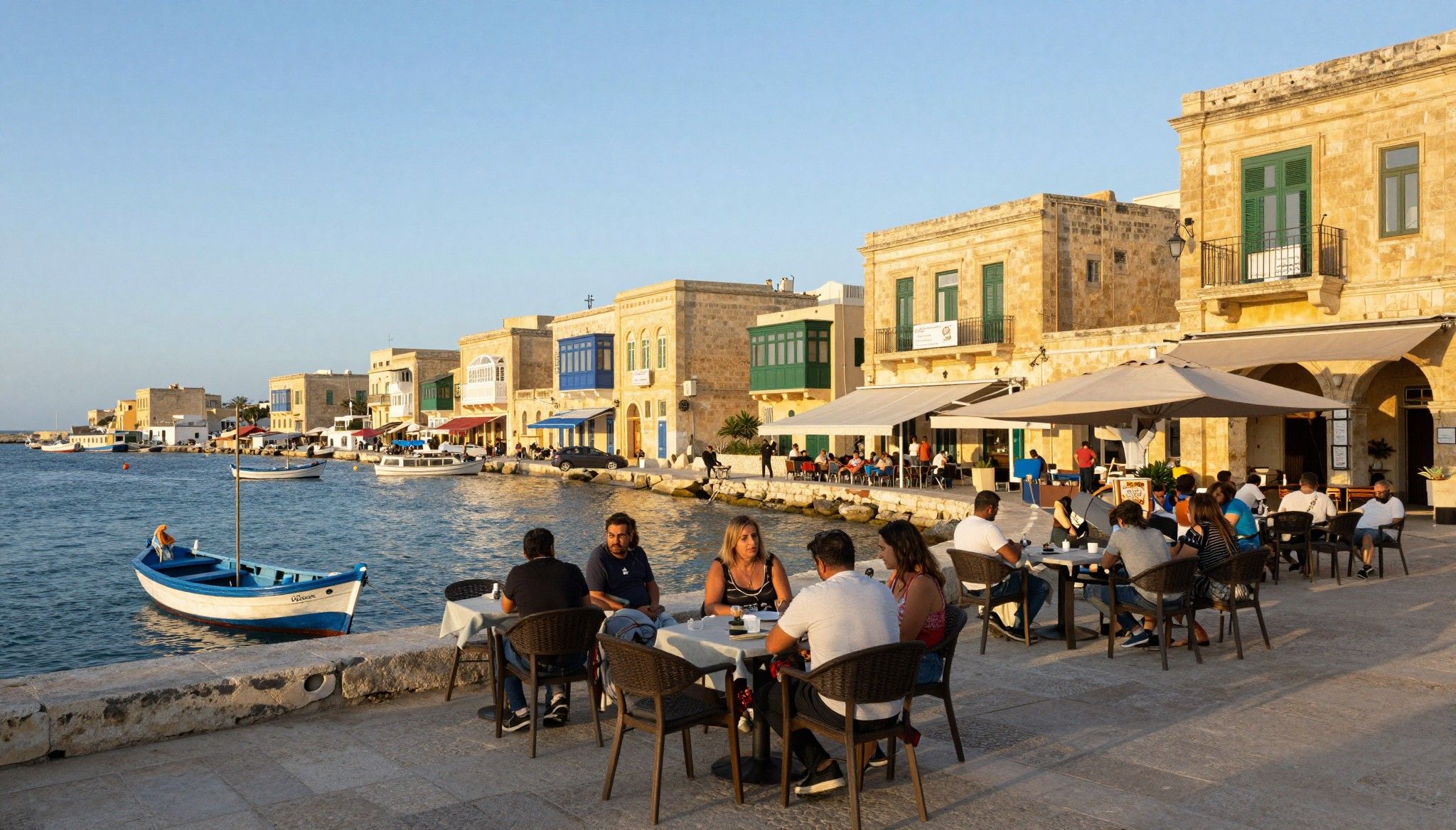
The Adriatic coast — Istria, Dalmatia, Dubrovnik region — stages Croatia’s most visible life. But the postcard image hides a seasonal market. Places like Rovinj, Hvar town, and Trogir are intensely busy June–September and almost deserted in winter. That seasonality affects rental returns, service availability and even municipal maintenance. If you plan long stays or year‑round rental, look beyond the main harbour streets to quieter quarters where locals live and where price growth and rental volatility are steadier.
Urban centres — Zagreb’s practical pulse
Zagreb has a different logic. Younger professionals, students and firms keep demand consistent through the year. Official statistics show steady HPI growth across regions, with the Adriatic rising faster than Zagreb in recent quarters but the city offering steadier rental markets. For buyers seeking predictable cash flow or permanent relocation, neighbourhood choice — Maksimir for green space, Donji Grad for civic life, Trešnjevka for value — is as important as headline price per square metre. See official HPI releases for quarter‑by‑quarter shifts.
- Morning markets in Varžin, espresso culture on Korzo (Rijeka), weekend fish market at Split's Riva, lavender fields and truffle fairs in Istria, late‑night summer promenades in Dubrovnik.
Making the move: practical considerations that preserve the lifestyle
It’s easy to fall in love with a view and forget the paperwork. In Croatia the practical side that protects your lifestyle comes from three places: reliable title and cadastral checks, realistic income projections for coastal seasonality, and awareness of upcoming tax changes that shift incentives. Market data show asking prices and sale volumes increasing, especially on the coast, so due diligence must include supply‑side checks and verification of municipality plans affecting tourism density and services.
Property styles and how they shape daily life
Stone town apartments deliver immediate atmosphere but often need renovation to meet modern insulation and plumbing standards. New builds offer comfort and warranties but can sit farther from characterful streets. A small terrace in Dubrovnik is lifestyle gold; a parking spot in inland Varaždin may be more valuable to day‑to‑day life. Match property type to the life you want: restoration projects if you love craft and design, turnkey apartments if you prize time ashore rather than on contractors.
Working with local experts who understand both life and law
A reliable lawyer, a local notary and an agency that documents the lifestyle trade‑offs are non‑negotiable. Agencies that simply show listings without municipal checks or long‑term cost forecasts create risk. Recent policy moves signal changing tax treatment of property to favour long‑term rentals over short lets; that will alter operating costs and investor incentives. Use advisors who provide scenario modelling, not just photographs of terraces.
- 1. Verify land registry (Zemljišne knjige) and cadastral plans with a local notary. 2. Request municipality zoning and planned infrastructure records before offer. 3. Model rental income with off‑season at 20–40% of peak month rates for coastal towns. 4. Add renovation and utility upgrade costs explicitly to offers for older stone buildings. 5. Confirm property tax exposure and exemptions, particularly for long‑term rental use.
Insider knowledge: red flags and contrarian opportunities
Local insiders often say the same things: Dubrovnik is expensive, islands are tourist traps, and inland Croatia is 'cheaper but boring'. Those are easy narratives — and often incomplete. The transparency problem is not just missing data; it’s misleading presentation. Ads highlight views and understate seasonal vacancy, temporary building permits, or unregistered extensions. Conversely, neighbourhoods that locals prize for real life — e.g., Split’s Varoš backstreets or Pula’s Sto‑lovka area — can be undervalued because they lack sea‑front marketing.
Three real red flags to spot in listings
- Seller‑stated floor area that differs from cadastral records; permits labeled 'for reconstruction' without completed occupancy certificates; unusually high seasonal rental projections with no audited performance history.
A neighbourhood others avoid that often rewards patience
Areas on the edge of tourist centres — the late 20th‑century blocks in Split’s Meje or peripheral alleys in Dubrovnik’s Gruž — feel unloved in high season. They offer lower entry prices, proximity to services year‑round and local communities that sustain off‑season life. For buyers wanting resident life rather than a seasonal headline, these streets can deliver faster integration and steadier long‑term value growth.
- 1. Ask for the last three years of utility bills (shows real occupancy). 2. Request evidence of past short‑let occupancy if rental income is central to the case. 3. Check for planning applications in the municipality portal — sudden density increases change value. 4. Get a formal technical inspection (stability, damp, electrical) before signing. 5. Insist contract clauses that make sale conditional on clear title and final occupancy certificate.
Cultural integration matters as much as clarity. Learn a few Croatian phrases, attend a local market, and meet the neighbourhood barista — those small steps reveal whether a place is for a summer fling or for life. Over time, the precision of your purchase (title clarity, planning foresight, realistic income modelling) determines whether the terrace remains a postcard or becomes your morning routine.
Longer view: how policy changes change the lifestyle equation
Recent government measures propose shifting tax burdens to discourage speculative short‑lets and free up long‑term rental stock. That affects coastal landlords more than inland homeowners. For buyers focused on lifestyle — wanting neighbours in winter and services through the year — a policy that encourages longer tenancies is a net positive. For investors seeking high short‑season yields, the calculus changes and transparency about permitted use becomes essential.
Conclusion — fall for the life, protect the life you buy. Croatia offers immediate, textured living: markets, sea, small‑town rhythms and vibrant city life. But those experiences depend on clear information. Use cadastral and HPI data, demand documentary proof of rental history, and work with advisors who can translate neighbourhood atmosphere into verifiable metrics. If you want mornings at a bakery in Dubrovnik or weekday concerts in Zagreb, buy the block where those things actually happen, not the listing where the photograph is best.
Dutch relocation advisor who moved to Marbella in 2016. Guides Dutch buyers through visa paths, relocation logistics, and balance of lifestyle with value.