Streets, Titles and Truths: Croatia’s Market Signals
Fall for Croatia’s markets, coast and coffee—then insist on title clarity. Rapid price growth and new rental rules make document‑first buying essential.
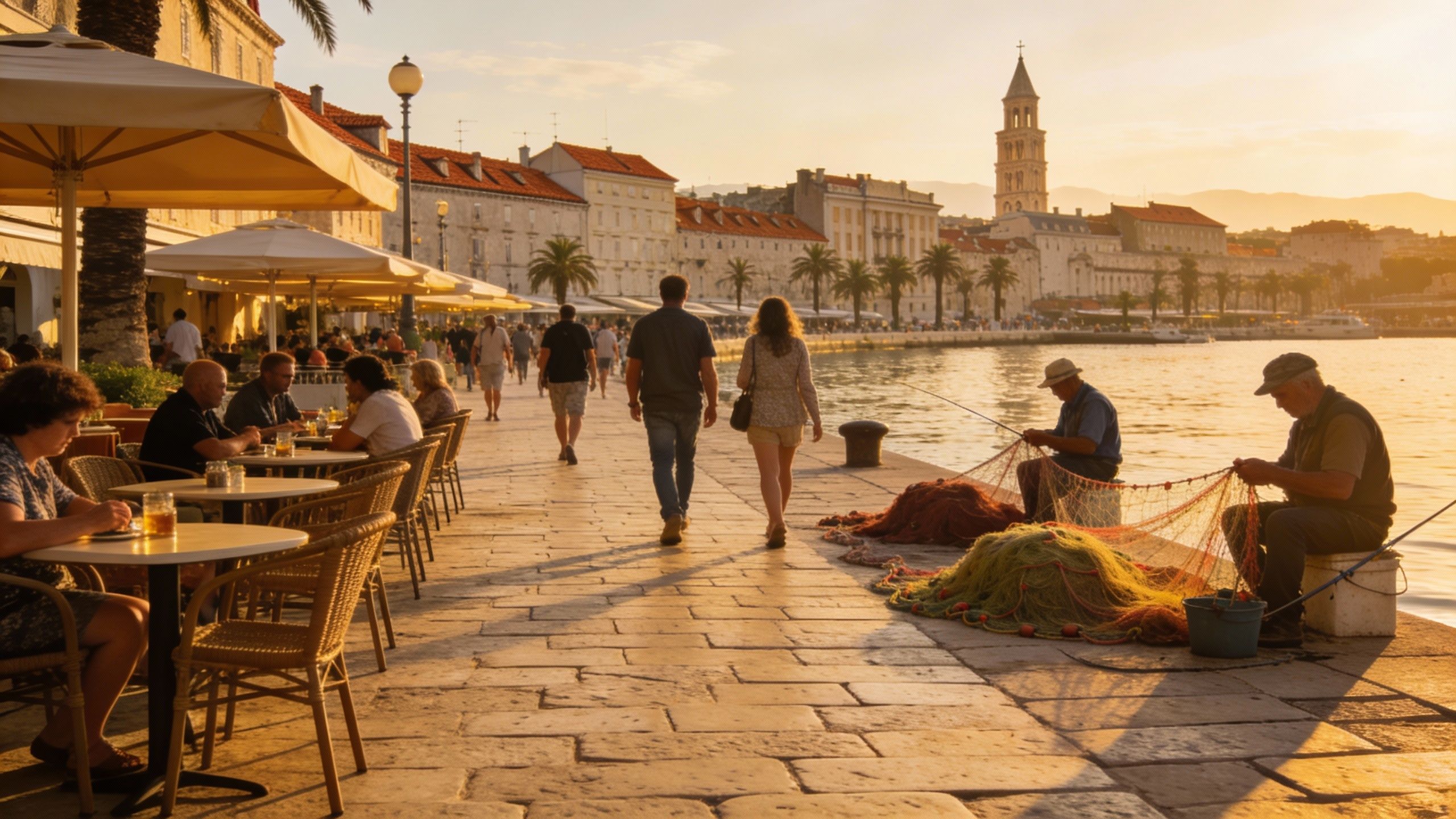
Imagine sipping espresso on Split’s Riva as fishermen mend nets nearby, then signing papers for a stone apartment a few streets back. Croatia feels small‑town at its best—salt air, late lunches, musical squares—but its property market now moves with national and EU forces. For international buyers this blend of timeless coastal life and modern market dynamics creates both irresistible opportunity and a need for clear, local transparency.
Living the Croatia lifestyle
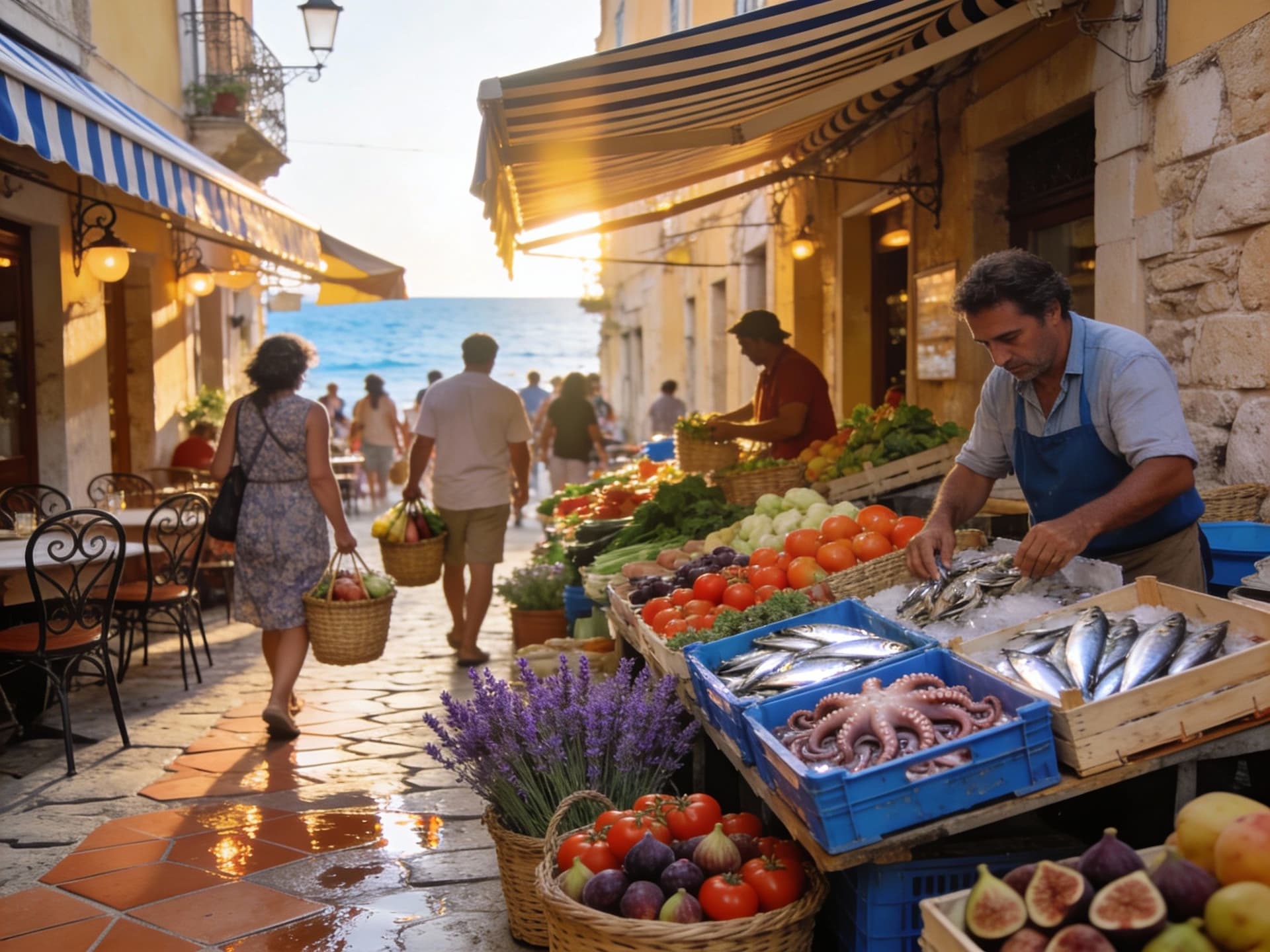
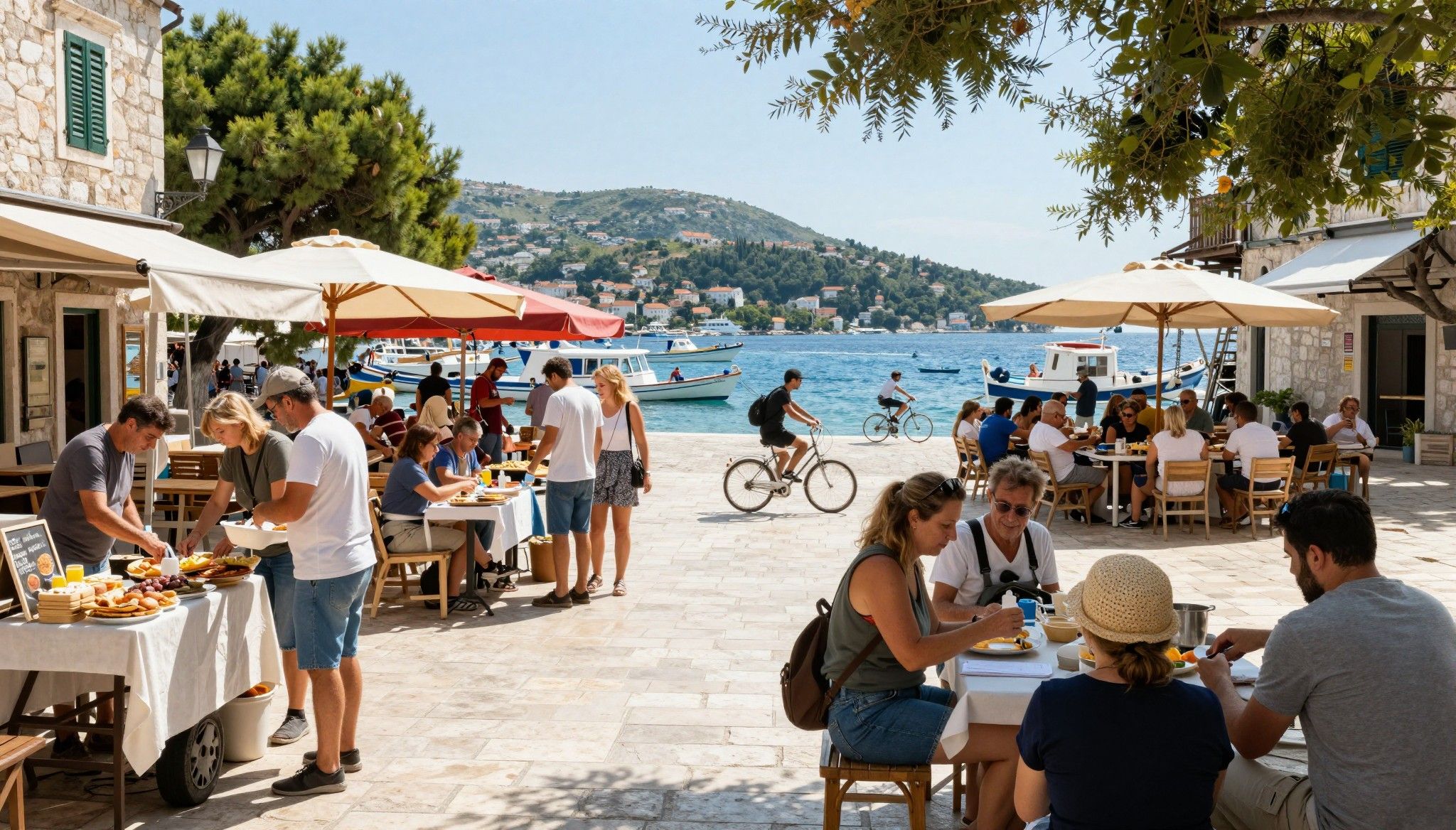
Daily life in Croatia is tactile. Mornings mean bakery queues in Zagreb’s Kanal district or market bargains at Dolac. Afternoons slow near the Adriatic: terraces fill in Hvar Town, children play on Zlatni Rat in Brač, and neighbours barter home‑grown olive oil. That rhythm shapes what you value in a property—proximity to market squares, a sheltered terrace, and a kitchen large enough for local ingredients.
Coast vs. capital: what each area gives you
Zagreb delivers year‑round services, hospitals, and a strong rental market for students and professionals. The Dalmatian coast—Split, Dubrovnik, Šibenik—trades daily convenience for seasonal oscillation: vibrant summer life, quieter winters. Istria mixes Italianate café culture with accessible year‑round living. Your lifestyle choice matters because it maps directly to market liquidity and transparency on local titles and permits.
Food, markets and the slow afternoon
A property near a morning market—Zadar’s old market, Split’s fish stalls, or Pula’s farmer exchanges—changes daily life. It also signals something practical: stronger neighbourhood networks and clearer utility histories. These social cues often reveal whether a building has been maintained, rented short‑term, or used as a seasonal investment—important markers when assessing disclosure risk.
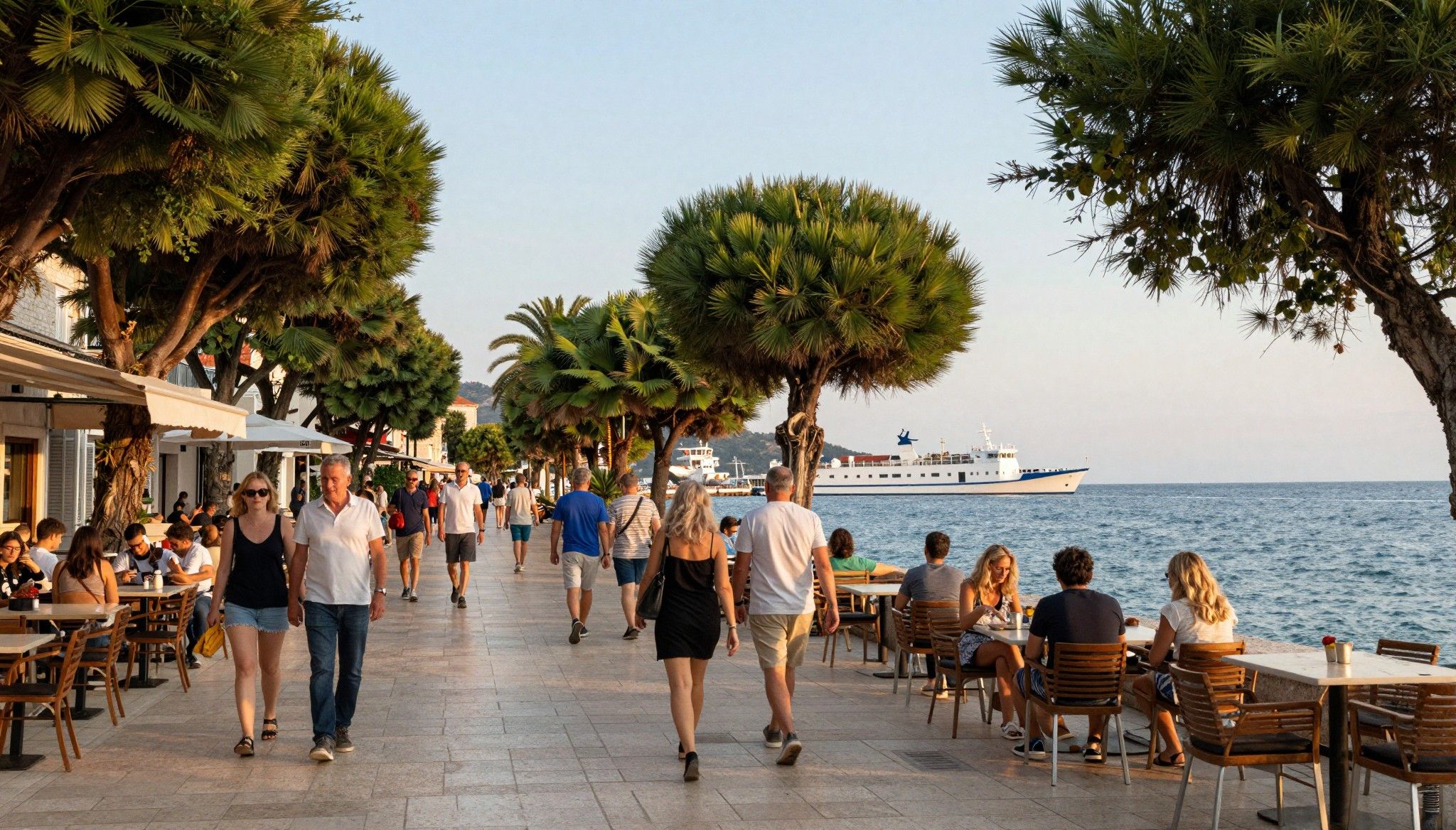
- Lifestyle highlights: Dolac market (Zagreb); Riva Promenade (Split); Old Town terraces (Dubrovnik); Hvar Town’s laneways; Istria’s hilltop villages; local family konobas for weekend dining
Making the move: transparency and practical considerations
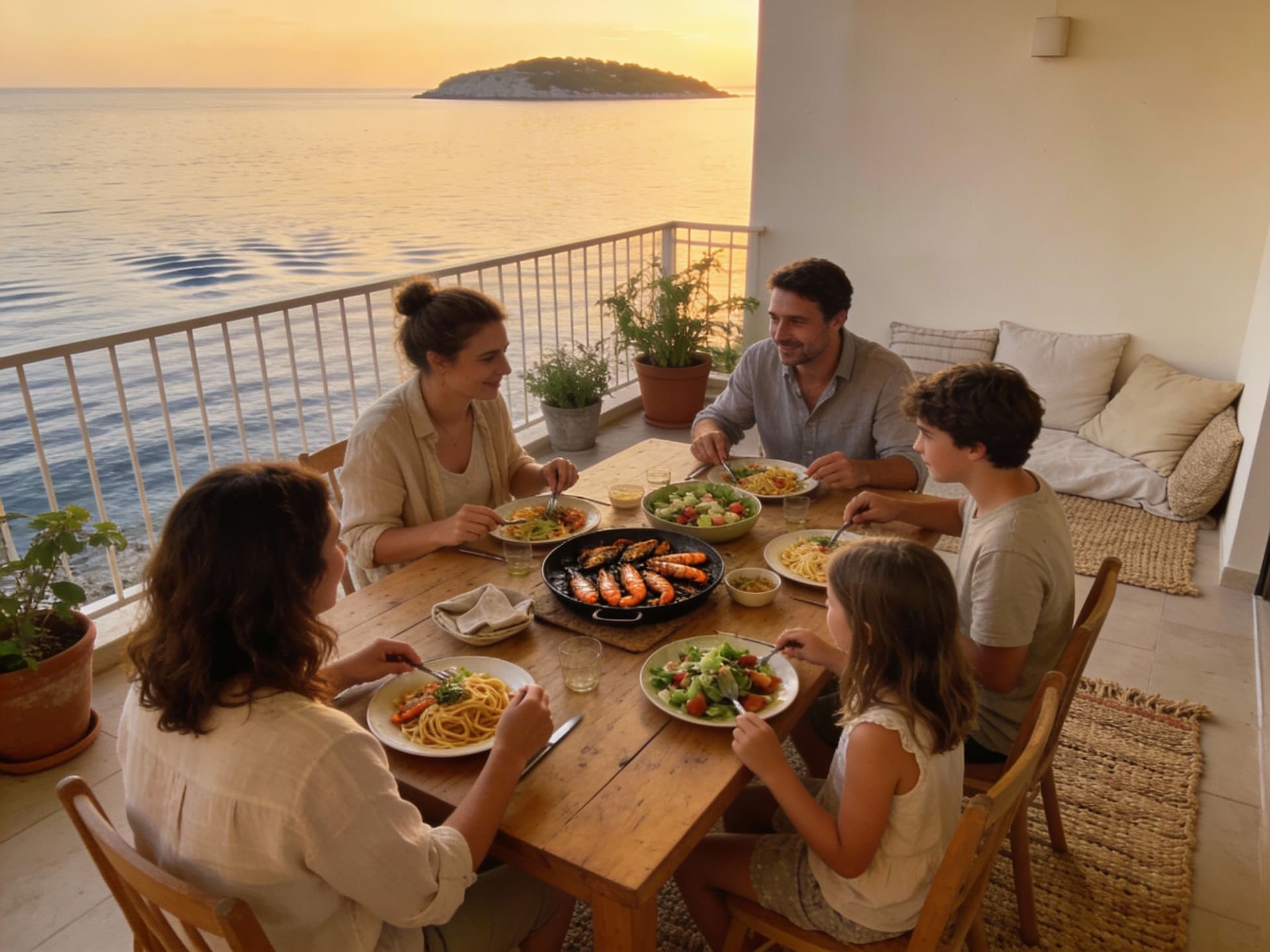
Croatia’s recent price acceleration is documented: the national house price index rose in 2024, with coastal regions showing particularly strong gains. That momentum creates a transparency challenge: rapid price growth can mask title irregularities, short‑term rental pressures, and informal changes to properties. Treat market momentum as a reason to dig deeper, not to skip steps.
Property types and how they match life
Stone apartments in Dubrovnik deliver atmosphere but can have complex servitude rights and conservation rules. New‑builds near Split offer modern systems but may sit in developments with unclear common‑area governance. Rural stone houses in Istria bring land and privacy but often need legal mapping of boundaries and water rights. Match style to seasonality, maintenance appetite, and your tolerance for renovation.
Working with local experts who understand both lifestyle and regulation is non‑negotiable. Recent government moves to tighten short‑term rental rules mean an agency that understands local permit histories, municipal bans (seen in parts of Dubrovnik), and the practical effect on yields will save time and money.
- Steps to couple lifestyle with legal certainty: 1. Ask for a recent land register extract and building permit copies; verify with the State Geodetic Administration. 2. Check municipal plans for short‑term rental restrictions and coastal protection zones. 3. Confirm utilities and sewer connections with local utility companies. 4. Commission a structural survey and a surveyor’s boundary report before contract. 5. Use an escrow arrangement and insist on a seller’s sworn disclosure of rental history.
Insider knowledge: common red flags and myths
Myth: "Coastal equals always better value." Reality: coastal asking prices rose sharply through 2022–24 and can hide legal complexity. A high price per square metre on the coast often reflects limited supply and tourism demand, not clean titles or straightforward rental income. Always read price signals alongside title clarity.
Red flags buyers often miss
- Missing building permits for terraces or extensions; Unregistered short‑term rental conversions; Discrepancies between cadastral (katastar) maps and land register entries; Informal access rights over private lanes; Unresolved inheritance shares in rural properties
Seasonality is not just atmosphere—the tourism boom (over 21 million visitors in 2024) can inflate local rents and lead to informal short‑term letting. For a buyer looking at rental income, this means verifying permitted use and modelling realistic year‑round occupancy, not summer peak figures.
- Practical checks to spot problems: 1. Compare the building permit archive with what you see on site. 2. Request utility bills for at least two years to confirm occupancy patterns. 3. Ask the municipality about any tourist rental bans or permit caps. 4. Hire a local lawyer to search for encumbrances and pending inheritance claims.
What expats wish they'd known
Expats tell a common story: falling for the postcard—stone façade, sea view—then confronting paperwork, seasonal life, and neighbours’ expectations. Integration is easier when you choose the right street: one with year‑round cafés, a small grocer, and mixed occupancy. Those streets normally have clearer title histories and stronger neighbourhood governance.
Language, community and everyday life
Croatian will open doors. But many municipal offices in tourist areas have English‑speaking staff. Learning basic phrases, respecting local rhythms (late lunches, quiet Sundays), and joining local markets or volunteer projects speeds acceptance and practical problem solving—neighbors tip you off to property history faster than any registry.
Long‑term lifestyle considerations
Think five to ten years ahead. Islands and prime coastlines may appreciate, but they also face stricter conservation rules and short‑term rental regulation. Inland investments offer lower entry prices and different growth drivers—regional employment, accessibility, and infrastructure projects—that matter when assessing long‑term livability.
- Quick buyer checklist: confirm title and permits; model year‑round occupancy; budget for unseen work; factor municipal short‑term rental rules; choose an agency with legal contacts
Croatia invites a life of markets, sea, and slow afternoons. But love of place must meet legal clarity. Start with streets you can picture living on—then insist on the documents that prove the picture. A careful local agency will let you taste the morning espresso and read the land register in the same week.
Danish investment specialist who relocated to Costa del Sol in 2015. Focuses on data-driven market timing and long-term value for Danish buyers.