When the Summer Dream Distorts Value: Croatia's Off‑Season Truth
Beyond sea‑views: how Croatia’s seasonal market, short‑term rental rules and public data reshape value — and the checks that protect international buyers.
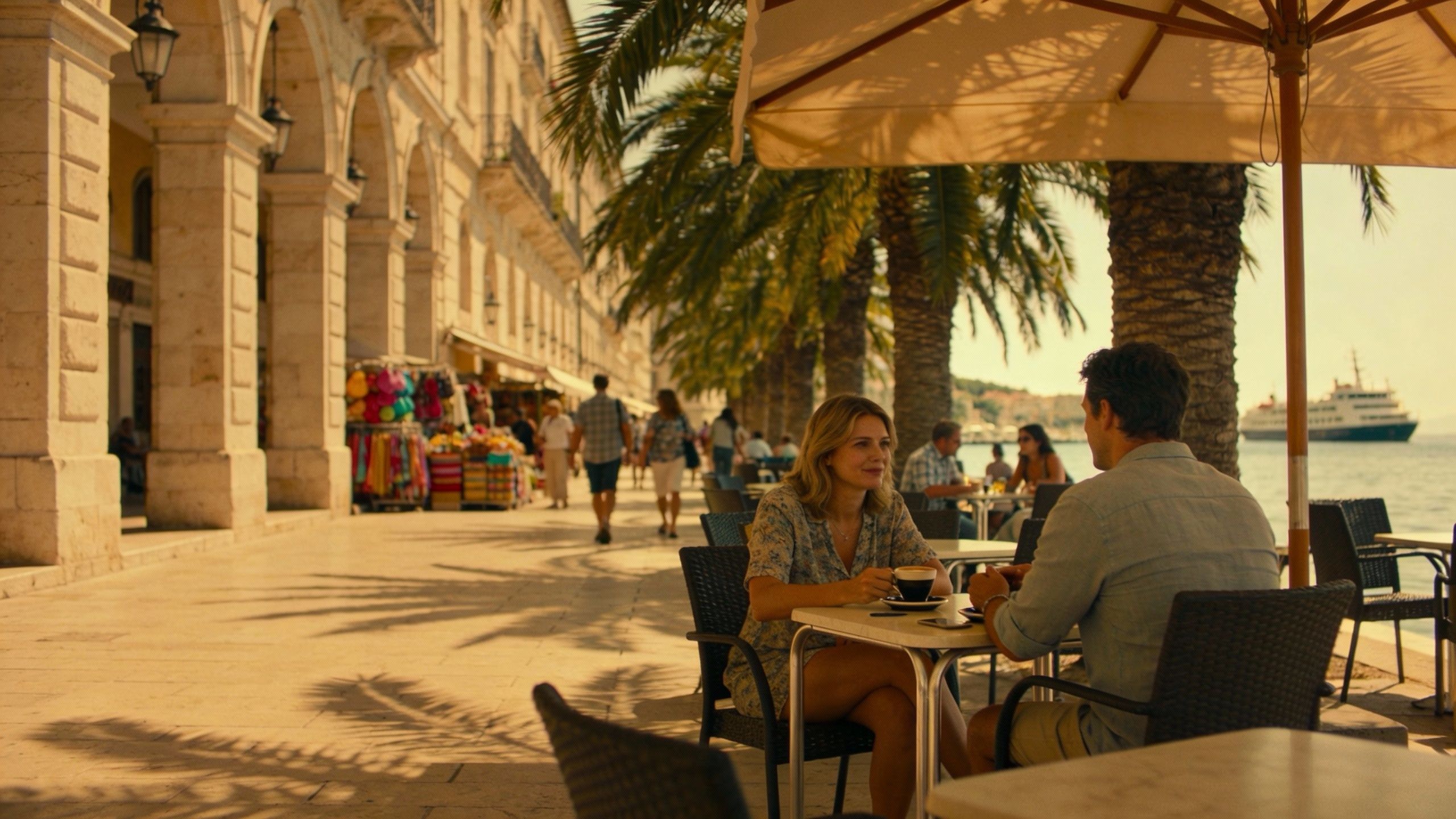
Imagine buying a sea‑view apartment in Split after a summer weekend of terraces, late coffee, and a market overflowing with figs. The postcard moment is real — but so is the winter quiet, the municipal rules on short‑term rentals, and a national push to tax vacant and tourist properties differently. For an international buyer, those contrasts are where lifestyle and risk meet; understanding the disclosure norms and the policy levers that change value is essential. This guide pairs the life you want in Croatia with the transparent, sourced facts you need before signing anything.
Living Croatian Days: what the place feels like
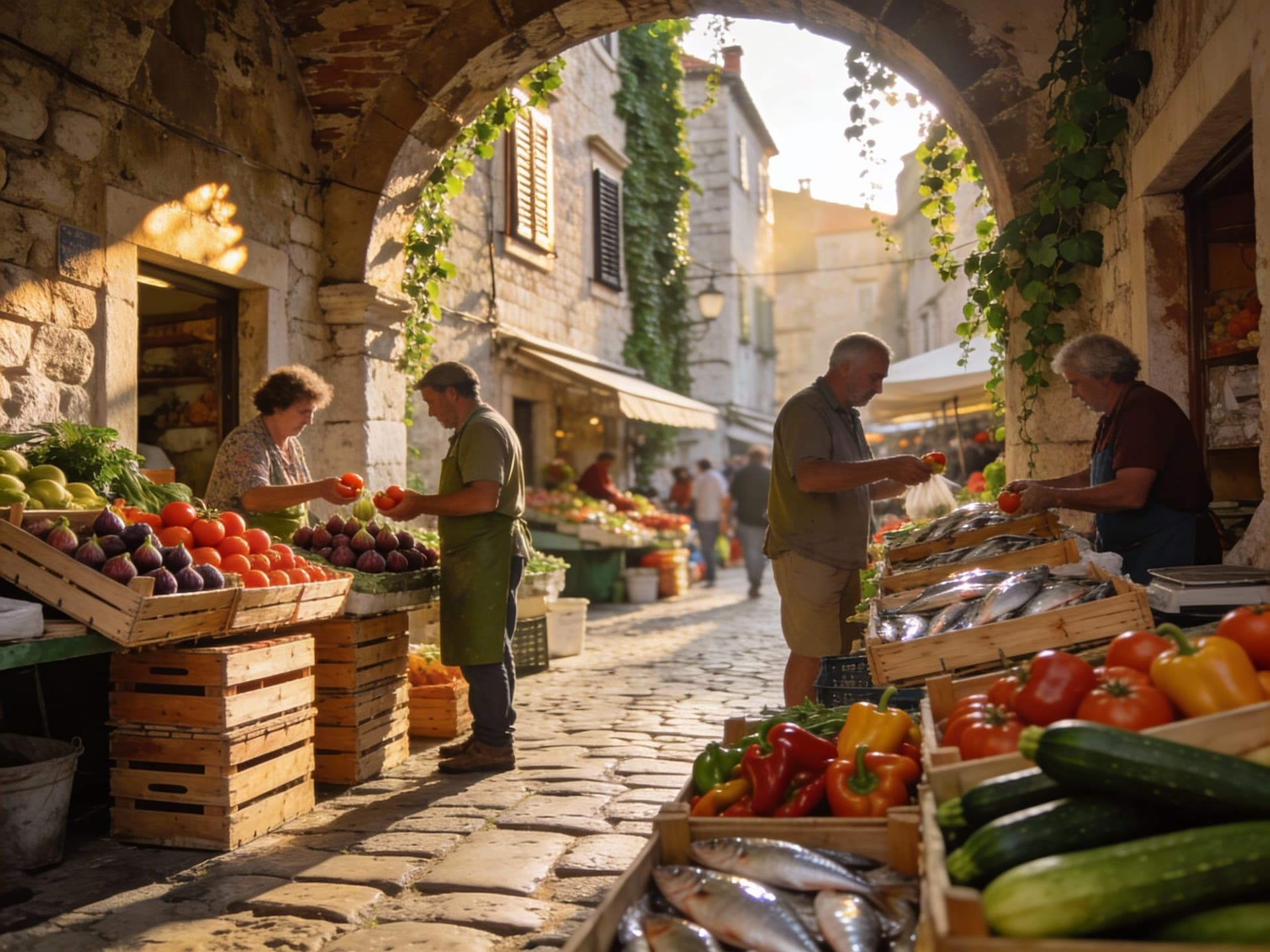
Strolls along Zrće or the quieter coves near Vis are not the whole story — Croatia is both islanded Mediterranean and continental capital life. In Zagreb you hear trams and espresso cups clinking; on the Adriatic you hear church bells and restaurant shutters at dusk. For many expats the rhythm becomes seasonal: intense social summers, reflective winters, and a community life that clusters around markets, local konobas and neighbourhood cafés. That seasonal swing shapes occupancy patterns, rental yields, and how transparent local listings feel when you inspect them off‑season.
Neighborhood moods — from Gruž to Gornji Grad
Gruž (Split) runs on fishermen, fruit markets, and ferry timetables; in summer it hums, in winter it steadies. Gornji Grad (Zagreb’s Upper Town) feels municipal and lived‑in year‑round — a different kind of stability for buyers who want cultural institutions nearby. Along Istria’s west coast, Rovinj’s cobbled streets bring a steady, upscale tourist flow and correspondingly tighter supply. Knowing a street’s real pace — not the postcard — tells you whether a property will be occupied by you, guests, or left empty out of season.
Food, markets and daily rituals that anchor value
A morning at Dolac market (Zagreb) or the fish stalls at Split’s Riva is how neighbourhoods form their price logic. Local produce, konoba menus, and weekly markets sustain a year‑round residential culture — not all coastlines have that. For buyers chasing lifestyle, proximity to these routines often beats a glossy sea view for long‑term satisfaction and predictable rental demand. Property agents who live locally can point to these micro‑signals more reliably than national headlines.
From dream to diligence: what transparency looks like in Croatia
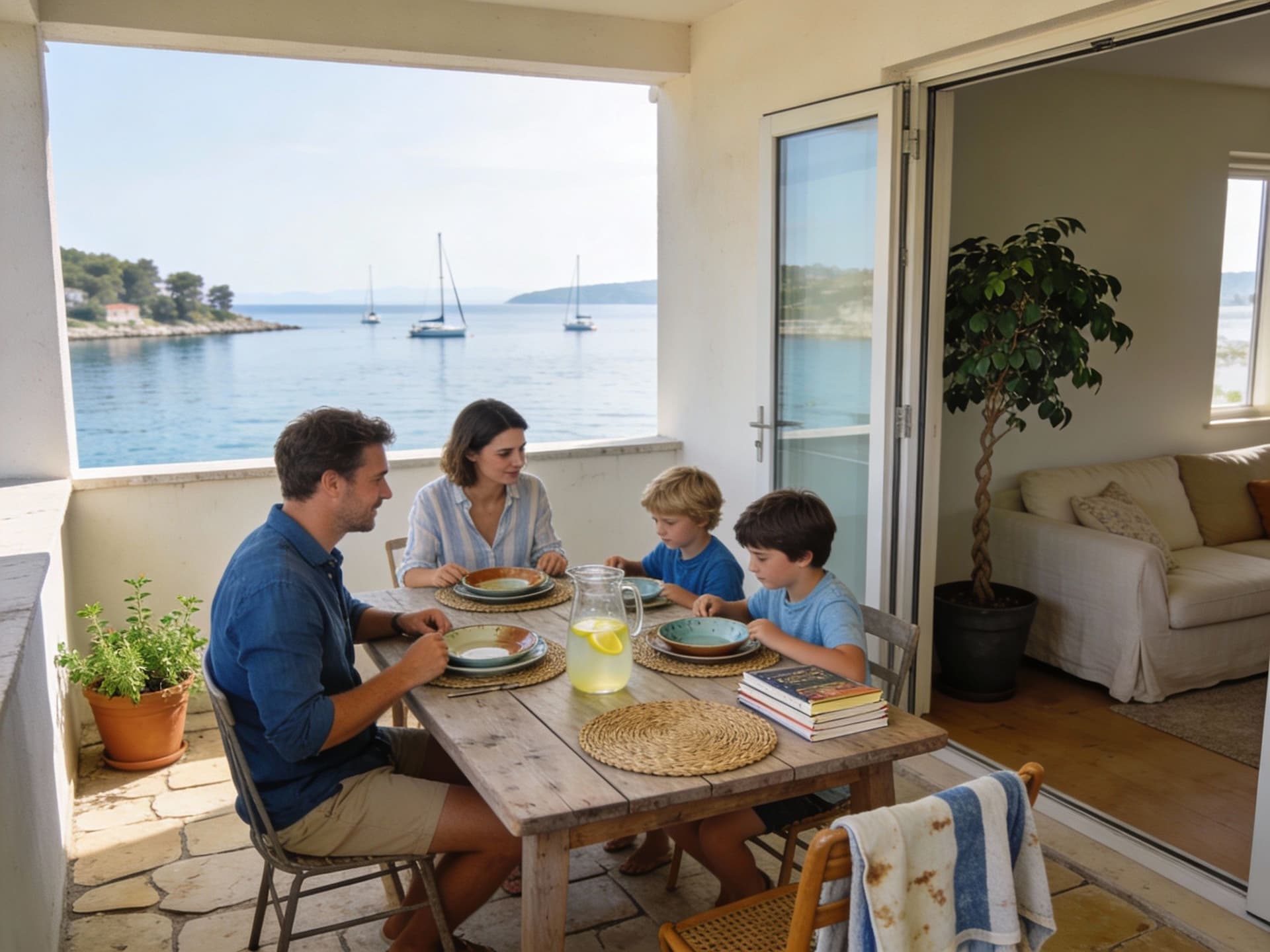
Croatia’s public data show a clear trend: house prices rose sharply through 2024–2025 and the government has introduced measures to rebalance tourist‑driven distortions. The Croatian Bureau of Statistics (DZS) reports double‑digit annual increases in some quarters, while policy changes target short‑term rentals and property taxation to ease local housing stress. For buyers, this means supply dynamics and legal disclosure practices are in flux; what sellers report today may be reinterpreted by new municipal permits or national tax rules. Treat every listing as a hypothesis to verify against official registers and recent policy updates.
Which public records matter — and how to read them
Start with the DZS house price indices and local municipal land registers to confirm ownership, encumbrances and recent transactional evidence. DZS gives regional HPI trends; municipal land registries show deeds, mortgages and easements. Cross‑check advertised floor areas with cadastral records — Croatian listings sometimes state gross rather than usable area, which affects price per square metre calculations. Finally, confirm any short‑term rental permissions with the municipality, as pending restrictions can materially reduce near‑term yield.
What recent policy moves mean for returns and disclosure
Legislative attention to short‑term rentals and a proposed property tax were specifically aimed at freeing up long‑term housing and discouraging speculative vacancy. That shift is good for residents but complicates yield forecasts for investors who planned on Airbnb income. Sellers may underplay forthcoming permit restrictions or municipal bans in historic cores; ask directly about legal status and recent changes to local bylaws. Agents who routinely disclose municipal correspondence and tax history offer materially lower risk than those who provide verbal assurances only.
Insider steps: practical checks that reveal hidden risks
Below are the concrete steps I recommend every international buyer take before committing. These steps blend lifestyle intent with paperwork: they reveal whether a property supports the life you imagine and whether the legal picture is clean. Each action reduces asymmetry between seller claims and on‑the‑ground reality. Use them as a checklist with your agent and lawyer.
Visit the property in two seasons: high season and an off‑season month to test noise, services and occupancy.
Request municipal correspondence: building permits, short‑term rental permissions, and notices about upcoming zoning changes.
Verify cadastral area vs. advertised area and confirm utility connections; small discrepancies change valuation materially.
Ask for a three‑year occupancy and income history if considering letting; check bank statements or tax filings where sellers claim stable rental income.
Engage a local lawyer, a chartered surveyor and an agency with documented references — do this before exchanging funds, not after.
A shortlist of red flags I’ve seen on Croatian listings
Sellers who refuse to provide municipal permit references or claim verbal approvals only.
Price per m² that dramatically exceeds municipal transaction records for the same street and building age.
Claims of ‘guaranteed’ short‑term rental income without documented occupancy data or platform account histories.
Listings that omit the seller’s status (company vs individual) or recent mortgage encumbrances on the title.
Working with an agency that raises transparency
Choose an agency that publishes deal histories, references, and a checklist of documents they obtain on clients’ behalf. Transparent agencies will include copies of cadastral extracts, municipal replies, and a written summary of permit status in their property packs. They should also disclose known risks — for example, proximity to a heritage zone where short‑term lets may be restricted. Agencies that prioritise these disclosures reduce negotiation friction and limit unpleasant surprises during conveyancing.
How seasonality changes disclosure needs
Listings posted in summer often highlight occupancy and nightly rates but omit municipal limits that emerge in autumn policy cycles. That seasonal marketing bias is deliberate and understandable — but for buyers it creates asymmetry. Request off‑season occupancy figures and recent municipal notices as a matter of course. If an agent resists, treat the listing as higher‑risk until verified.
Conclusion: buy the street, not the headline
Croatia offers a rare blend of island leisure and urban life, and that combination attracts international buyers for good reasons. But lifestyle appeal can mask policy shifts, seasonal distortions, and disclosure gaps that change value quickly. Use public data (DZS), municipal records, and a rigorous agency checklist to separate genuine lifestyle fit from temporary market noise. If you want help turning a Croatian weekend fantasy into a defensible, transparent purchase, start with a site visit off‑season, insist on municipal documents, and work with an agent who shows the paperwork before asking for earnest money.
Swedish expat who moved from Stockholm to Marbella in 2018. Specializes in cross-border legal navigation and residency considerations for Scandinavian buyers.