Croatia: Lifestyle First, Paperwork Second
Croatia’s lifestyle is irresistible — but coastal price momentum, seasonal rentals and legal quirks demand local checks. Match the vibe to due diligence.
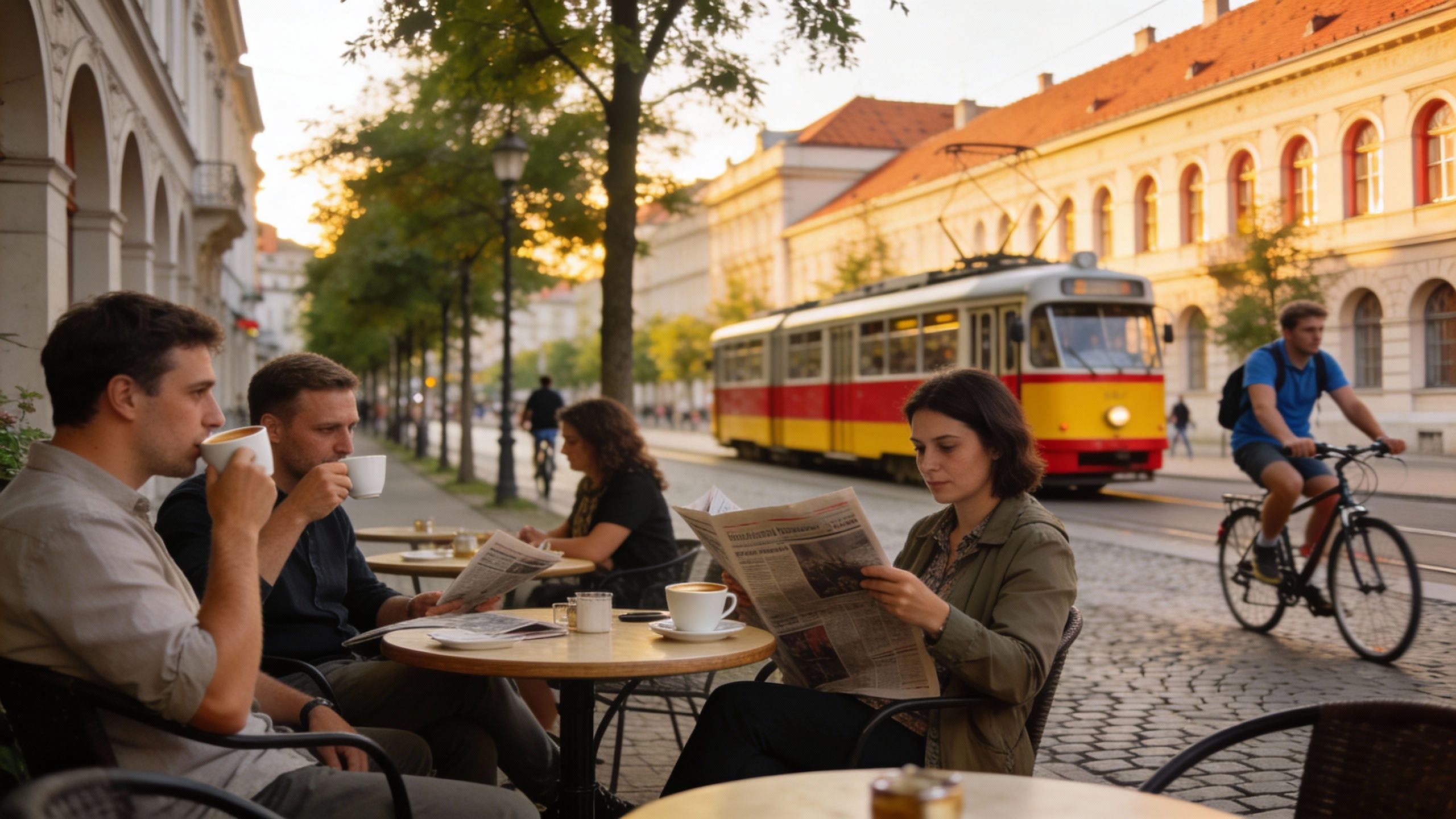
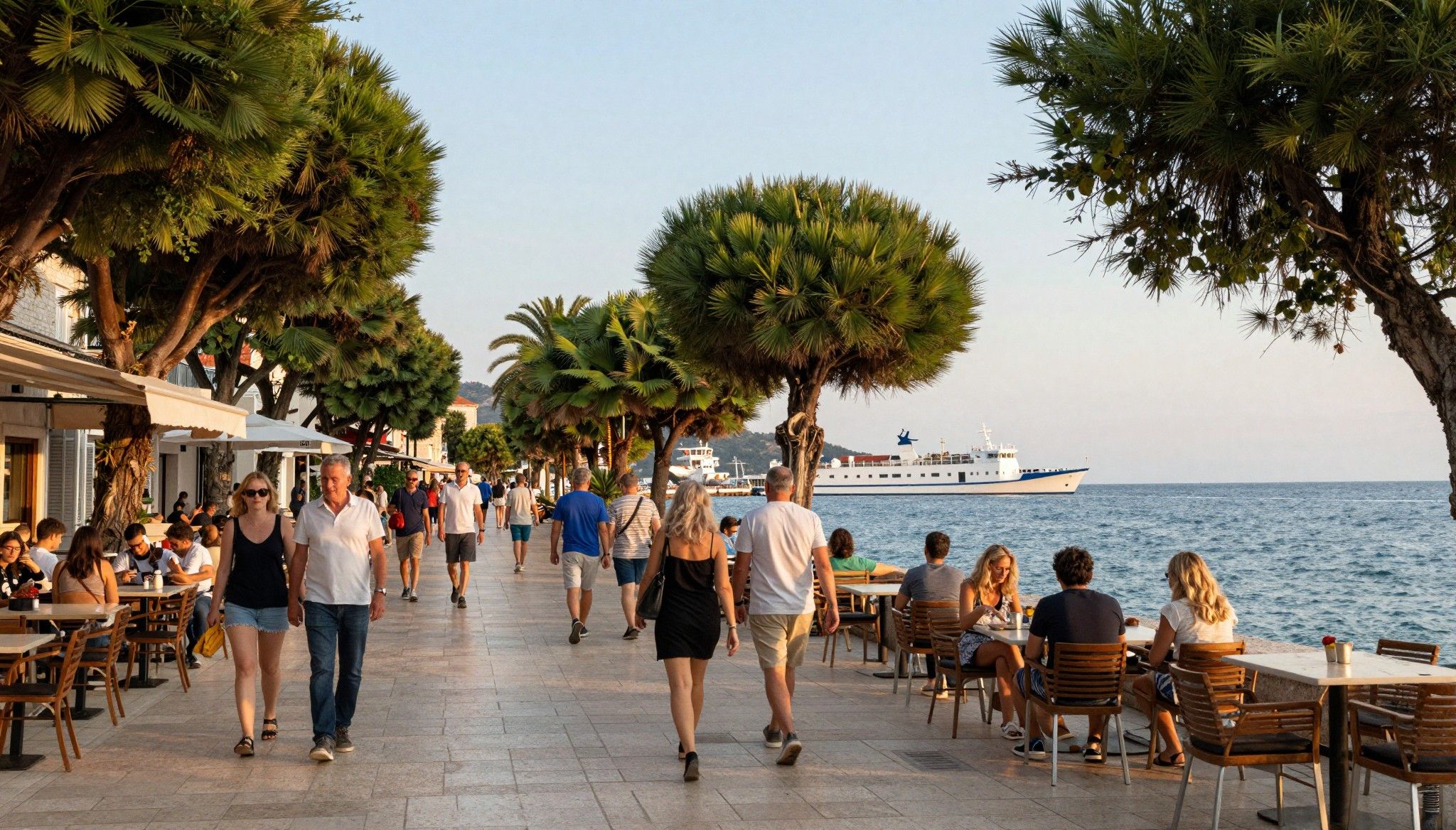
Imagine sipping espresso at Strossmayerovo šetalište in Zagreb as tram bells tinkle, then, in the same week, trading that city rhythm for the clean salt air of Split’s Riva at dusk. Croatia moves at multiple paces: a measured, coffee‑lined weekday in the capital and a sunlit, sea-scented weekend along the Dalmatian coast. That contrast is the country’s lure — and the core reason transparency matters when you buy here.
Living Croatia: a lived‑in mosaic
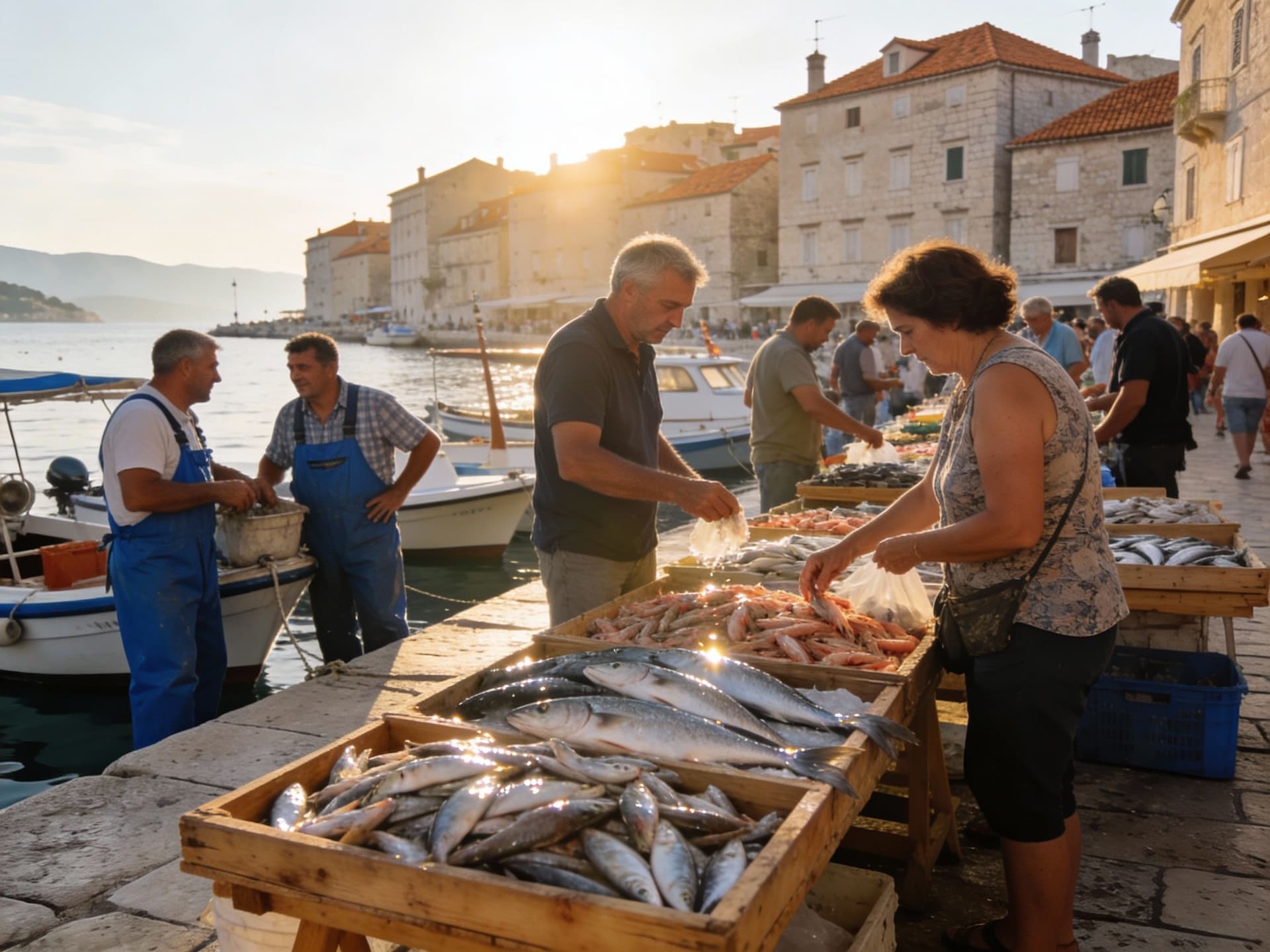
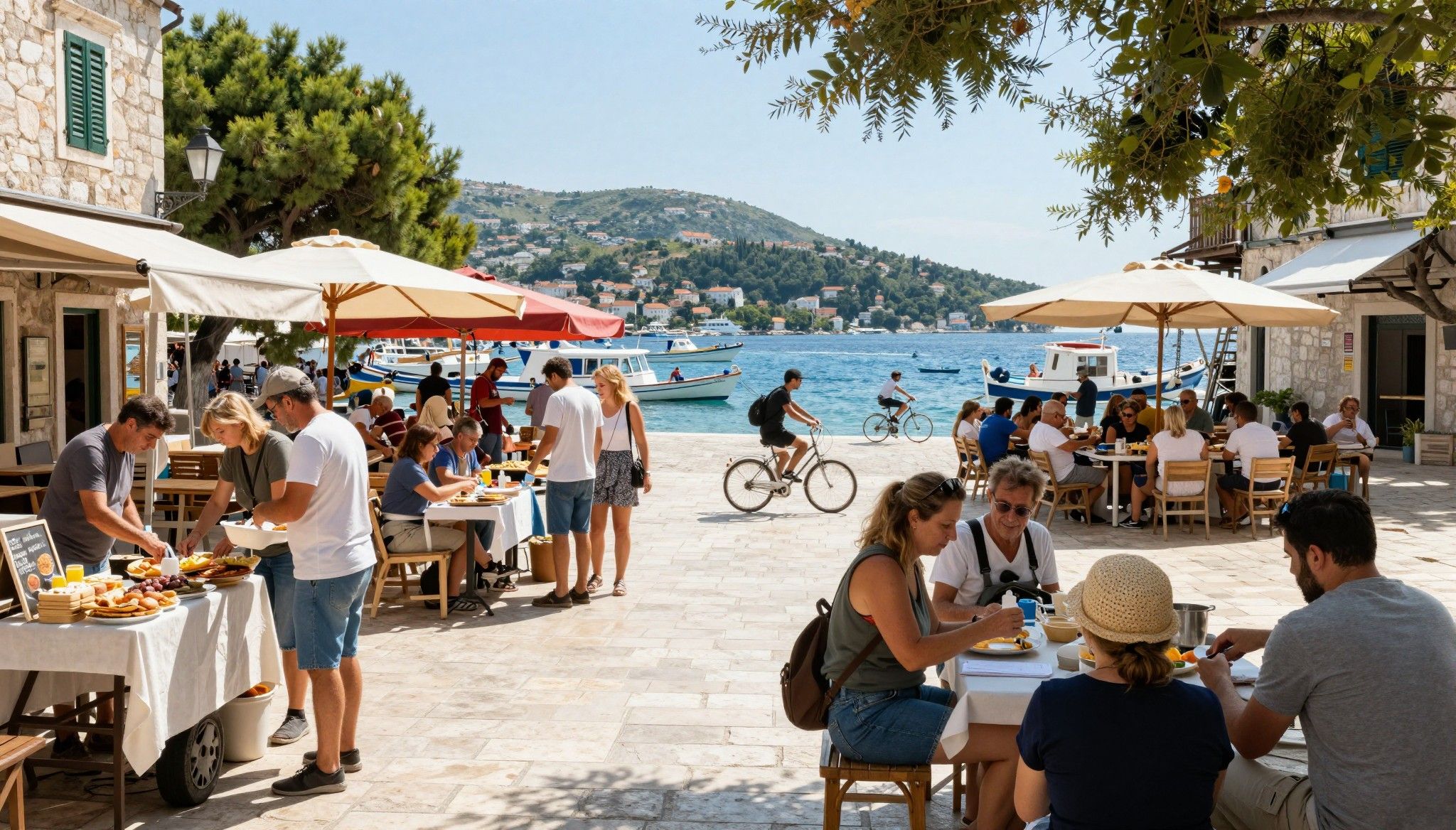
Croatia’s appeal isn’t a postcard; it’s the everyday texture. Early mornings mean bakers on Ilica street in Zagreb, fish markets loud with haggling in Split’s Varoš, and late afternoon aperitifs along Hvar’s harbour. Houses range from austere stone exteriors in Konavle to mid‑century blocks in Rijeka; each tells a local story that shapes how you’ll actually live.
Zagreb neighbourhoods: city rhythm with quiet corners
Walkable streets matter in Zagreb. Trešnjevka’s grid offers weekend markets, small cafés like Kava Tava, and older flats that trade faster than you’d expect. Donji grad (Lower Town) is where cultural life meets roomy apartments with high ceilings; buying there means balancing heritage charm with denser price competition.
Coastline living: calm mornings, tourist summers
Coastal towns (Split, Dubrovnik, Zadar, coastal Istria) pulse between peaceful off‑season life and intense summer months. You’ll want a property with good shutters, reliable access, and clear rental rules if you plan short‑term lets — the Adriatic’s seasonality changes not just the temperature but the economics of ownership.
- Lifestyle highlights: markets, cafés, and hidden corners
- Daily bakers on Ilica (Zagreb), morning fish market at Pazar (Split), sunset promenades on Riva (Split), konoba dinners in Stari Grad (Hvar), Trsat views and coffee in Rijeka.
Making the move: melding dream and due diligence
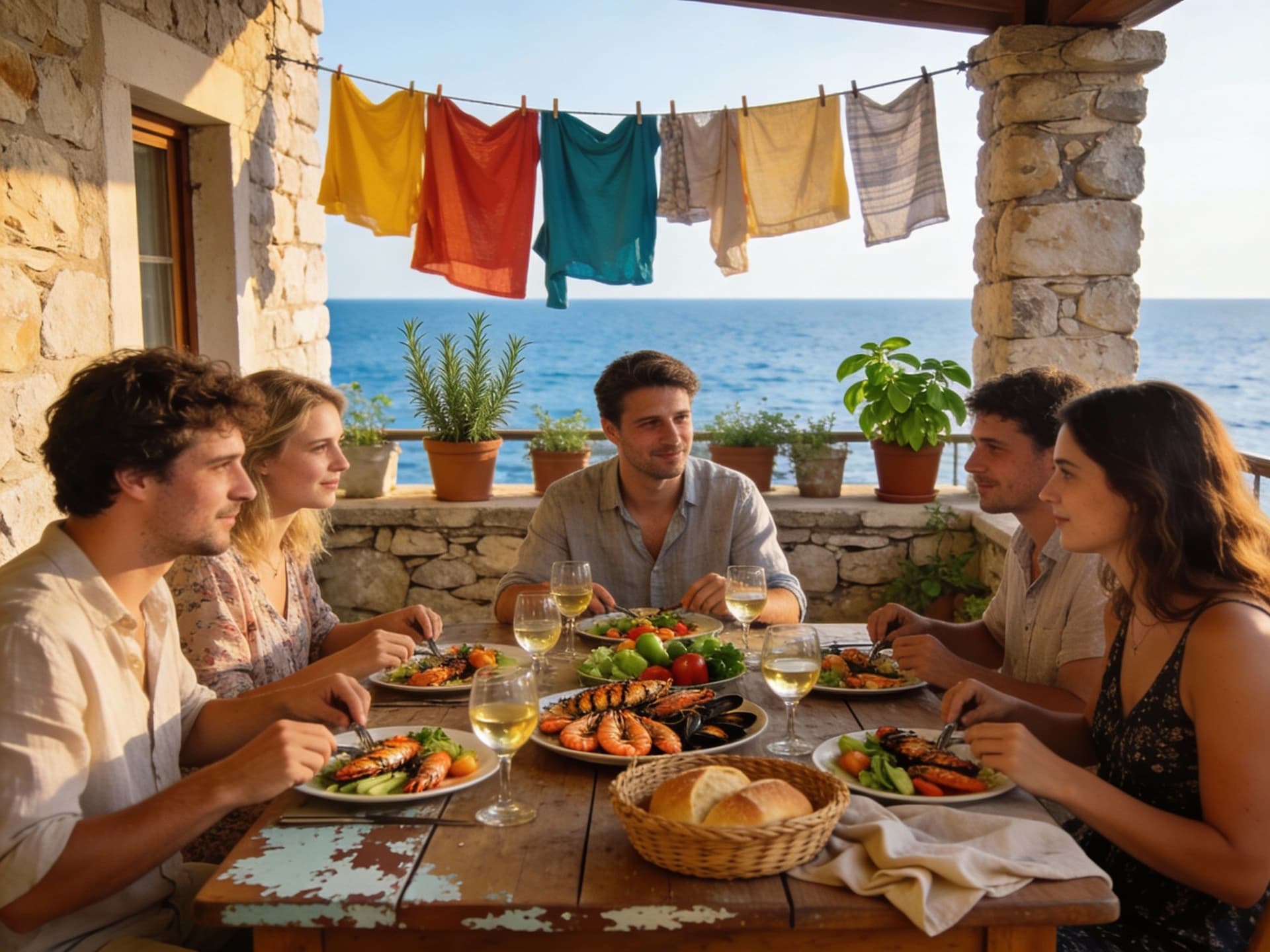
The lifestyle is the hook; transparency is the safety net. Recent market reports show continued price growth — strongest on the Adriatic and in Zagreb — while transaction volumes and financing patterns are shifting. That combination creates both opportunity and risk: you can buy into lifestyle value, but you must understand where price momentum is driven by fundamentals and where it’s sentimental demand.
Property types that suit how you want to live
Stone houses with terraces suit true coastal immersion; renovated Austro‑Hungarian flats in Zagreb give that city‑corner life with cafes below. New builds bring warranties and systems but may be further from town centres. Match style to routine: if you want morning markets, prioritise walkability; if you want sea views, check accessibility and maintenance plans for coastal facades.
How local experts shield you from hidden risk
A reputable local agency or lawyer will check title chains, planning zones, and coastal protection restrictions — matters that directly affect what you can do with a property. For foreigners, the process often requires extra steps (registry checks, proof of reciprocity or approvals), so expert help is less optional and more protective.
- Practical steps that pair lifestyle with protection: 1) Identify three neighbourhoods that match daily life, then compare recent sale prices. 2) Order a title search and cadastre check before making offers. 3) Confirm coastal zone restrictions if within 300m of the sea. 4) Clarify short‑term rental rules with local municipalities. 5) Budget for renovation and seasonal maintenance (saline air ages materials faster).
Insider knowledge: the things expats learn after move‑in
We’ve talked to buyers who loved Croatia’s rhythm — then ran into seasonal rental rules, ambiguous land classifications, or surprise communal building debts. The most common regret? Falling in love with a view before checking the legal picture. The most common win? Buying where locals live, not where the summer brochure points.
Cultural realities that shape neighbourhood life
Croatians place high value on community rituals: weekend markets, church and festival calendars, and family gatherings that animate streets. Language helps — basic Croatian opens doors — but most coastal services speak English because of tourism. Expect slower administrative timelines than in some countries; patience pays.
Long‑term factors buyers often miss
- Considerations with long‑term lifestyle impact: - Seasonal rental volatility: summer peaks, winter troughs. - Infrastructure upgrades: some coastal roads and sewage works are still catching up. - Demographic shifts: interior depopulation vs. coastal tourism growth. - Maintenance in saline climates: roofs, metalwork, and plumbing need attention. - Community rules: shared courtyards and homeowner associations can limit changes.
- A clear path forward (what we do with clients): 1) Do a 48‑hour neighbourhood immersion — mornings and evenings — before bidding. 2) Commission a local lawyer to run title, zoning and municipal checks in parallel with an offer. 3) Get a concrete maintenance estimate from contractors who work in saline conditions. 4) Plan for an off‑season visit to meet neighbours and see the quieter rhythm.
Conclusion: Croatia rewards those who respect its rhythms. The lifestyle is immediate — markets, sea, food, and festivals — while the market benefits from EU membership and strong tourism tailwinds. But that same popularity creates opacity in pockets: coastal micro‑markets, ambiguous land uses, and season‑driven economics. Move with a plan, local checks, and curiosity. If you want to find the street where life actually happens (not just the postcard), we’ll help you get there safely.
Dutch relocation advisor who moved to Marbella in 2016. Guides Dutch buyers through visa paths, relocation logistics, and balance of lifestyle with value.