Croatia: What Buyers Must Check Before Falling in Love
Croatia’s coast is irresistible but opaque records and regional price swings mean transparency matters—use official registries, surveys and bilingual legal checks before you buy.
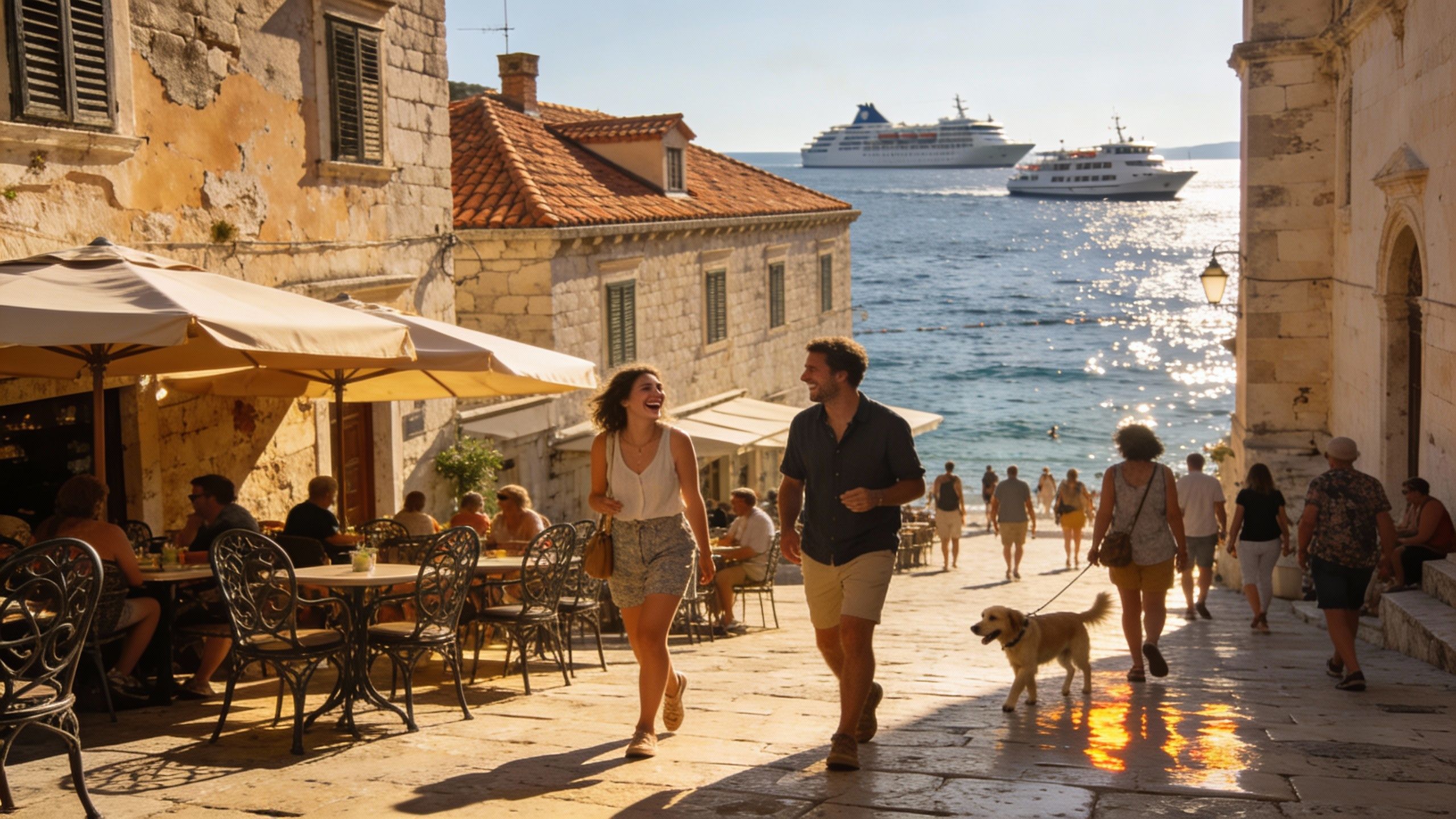
Imagine sipping espresso at Café Uliks in Split before a morning market run, then walking home past limestone façades and a terrace that faces the Adriatic. Croatia moves at two speeds: the coastal, sunlit rhythm of islands and old towns, and the quieter inland cadence where winters matter. That contrast is magnetic for buyers — but it also hides key transparency issues you should know up front. According to recent market analysis, price growth is strong and uneven, and paperwork is where many dreams stall. https://podaci.dzs.hr/2024/en/77037
Living the Croatian Lifestyle
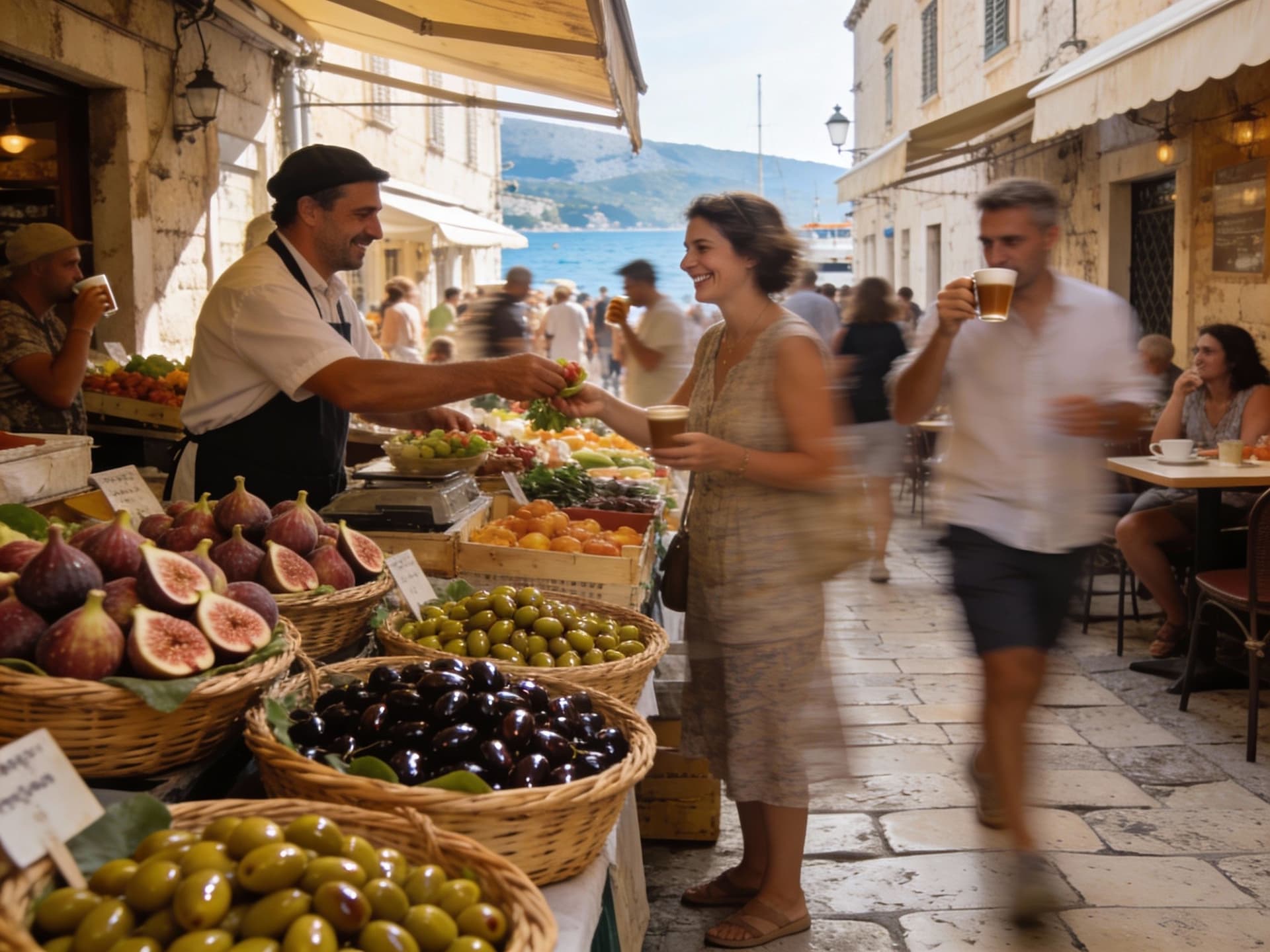
Croatia feels like a long, rewarding weekend that lasts the whole year on the coast and a calm, practical life inland. In Dubrovnik and Hvar mornings mean bakeries and harbours; in Istria it’s truffle hunts and wine tastings; in Zagreb, creative cafés and tram routes define your commute. These daily rhythms shape what you buy: a terrace in Split is worth a premium the way a garden matters in Slavonia.
Coastlines and old towns: what the façades don’t tell you
Stone-front apartments in Dubrovnik or Split look picture-perfect — and they are expensive. Asking prices along the Adriatic jumped significantly in recent years, driven by tourism and foreign demand. But asking price and real net price can differ once taxes, utility connections, renovation needs, and legal checks are added. Local anecdotes often start with “It looked cheaper online,” and end with extra permit costs and tight timelines. https://www.croatiaweek.com/asking-house-prices-in-croatia-rise-47-over-three-years/
Inland life: quieter markets, different transparency traps
Places like Osijek or Slavonia offer lower prices and larger plots, but records may be older, and cadastral notes can be incomplete. Local agents can be excellent guides, but you’ll still want a notarised title search and a recent extract from the land register. Regional differences matter: supply and rental demand in Zagreb versus Korčula look nothing alike. https://clubproperty.com/croatia-real-estate-market-2025/
- Lifestyle highlights to use as deal filters: 1) Morning markets: Dolac (Zagreb), Riva farmers in Split; 2) Café culture streets: Radićeva (Zagreb), Stradun (Dubrovnik); 3) Beaches within walking distance: Zlatni Rat (Brač), Punta Rata (Brela); 4) Island nodes: Hvar Town harbour life; 5) Regional food anchor: Pula’s markets and Istrian konobas.
Making the Move: Practical, Transparent Steps
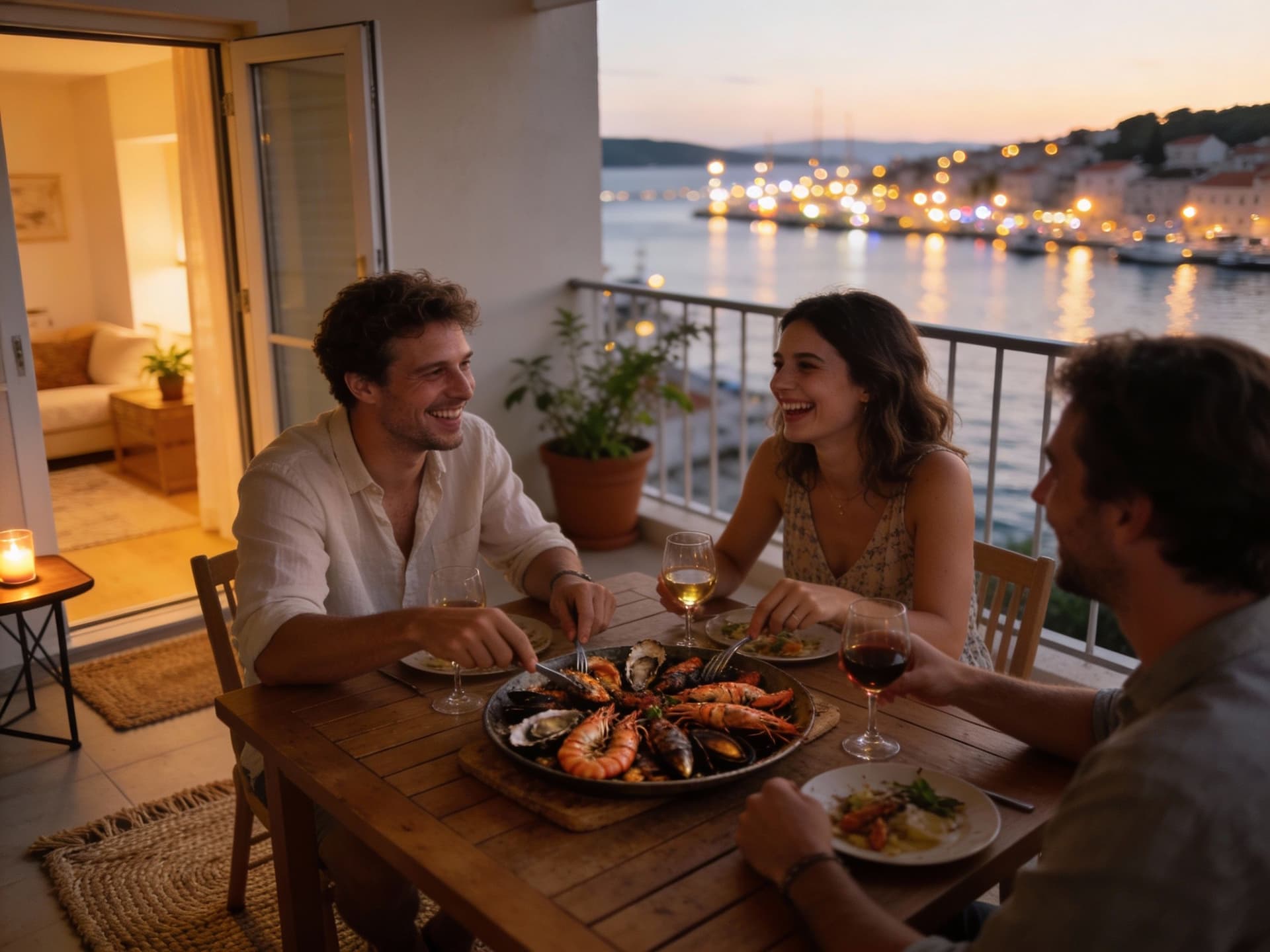
Falling in love with a street is the easy part. The hard part is making the purchase transparent — meaning clean title, clear tax treatment, and realistic renovation estimates. Croatia’s official guidance for foreign buyers is straightforward for EU nationals but has nuances for non-EU citizens; consent and reciprocity rules exist and must be checked early. The government site is the first stop for clarity. https://gov.hr/en/real-estate-purchase-for-foreign-nationals/1290
Who can buy, and what to expect
EU/EEA/Swiss citizens generally have the same rights as Croatians, but non-EU buyers should check reciprocity agreements and expect extra administrative steps. On gov.hr you’ll find the formal route and which properties need special permissions — start here before you sign anything. https://gov.hr/en/real-estate-purchase-for-foreign-nationals/1290
Property types and transparency risks
- 1) Historic stone houses: charming but often need structural surveys and permits for restorations. 2) New-build coastal apartments: check completion certificates and connections (water, sewage). 3) Rural plots: confirm cadastre entries and access rights. 4) Short-term‑rental apartments: verify local zoning and lease history before expecting tourist income.
Insider Knowledge: Red Flags and Local Fixes
Croatia’s house price index rose notably through 2023–24, but growth is variable by region and property type. Use that national data as context, not as a neighbourhood predictor. A rising HPI means competition in coastal towns; it also means you must verify every assumption sellers make about rental yields or “comps.” https://podaci.dzs.hr/2024/en/77037
Three red flags we see often
- Seller claims of consistent rental income without records; missing or outdated cadastral extracts; “as‑is” restorations with no structural report. When asking prices climb quickly, these gaps become more common — ask for bank statements or tax returns that prove rental history, and always get a civil-engineer report. https://www.croatiaweek.com/asking-house-prices-in-croatia-rise-47-over-three-years/
Practical next steps: 1) Pull a current cadastral extract and title; 2) Order structural and utility surveys; 3) Confirm buyer eligibility (gov.hr); 4) Use a Croatian notary and bilingual lawyer; 5) Get clear estimates for VAT/transfer taxes if they apply. Local agencies save time, but your lawyer should be the one to clear title. https://clubproperty.com/croatia-real-estate-market-2025/
Croatia can feel like a lived-in postcard and it can be a smart long-term buy — if you pair the romance with rigorous, local checks. Picture weekend markets, island ferries and quiet stone streets becoming your routine, and then take the practical steps above so the paperwork matches the dream. When you’re ready, an agency that understands neighbourhood life and transparency rules is the right next call — we can introduce vetted partners who do exactly that.
Danish investment specialist who relocated to Costa del Sol in 2015. Focuses on data-driven market timing and long-term value for Danish buyers.