Cyprus: Love the Life — Insist on the Title Deed
Cyprus offers island life and investment potential—if you put title deeds and Land Registry checks first. Insist on search certificates, developer discharge letters and contract milestones.

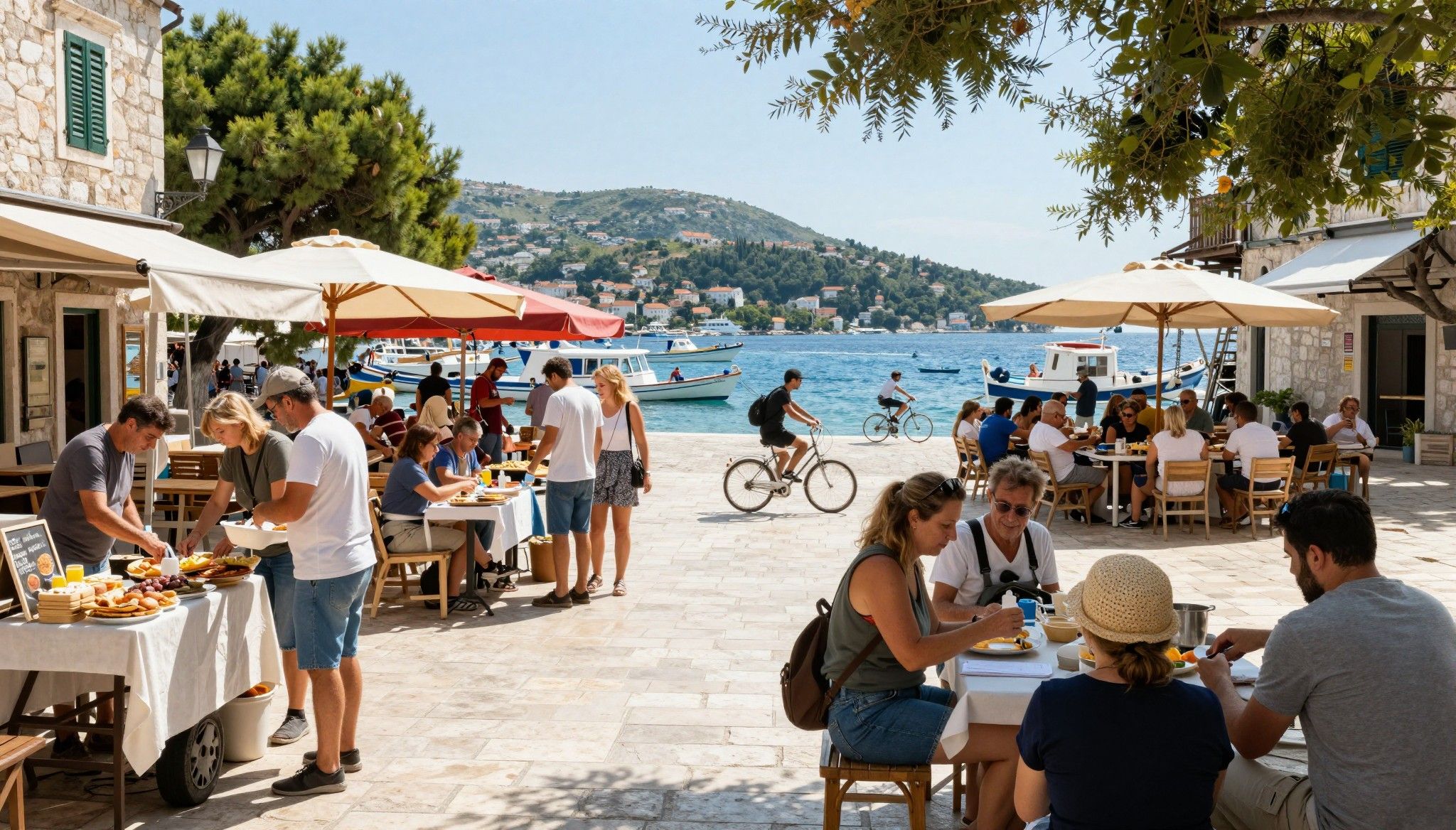
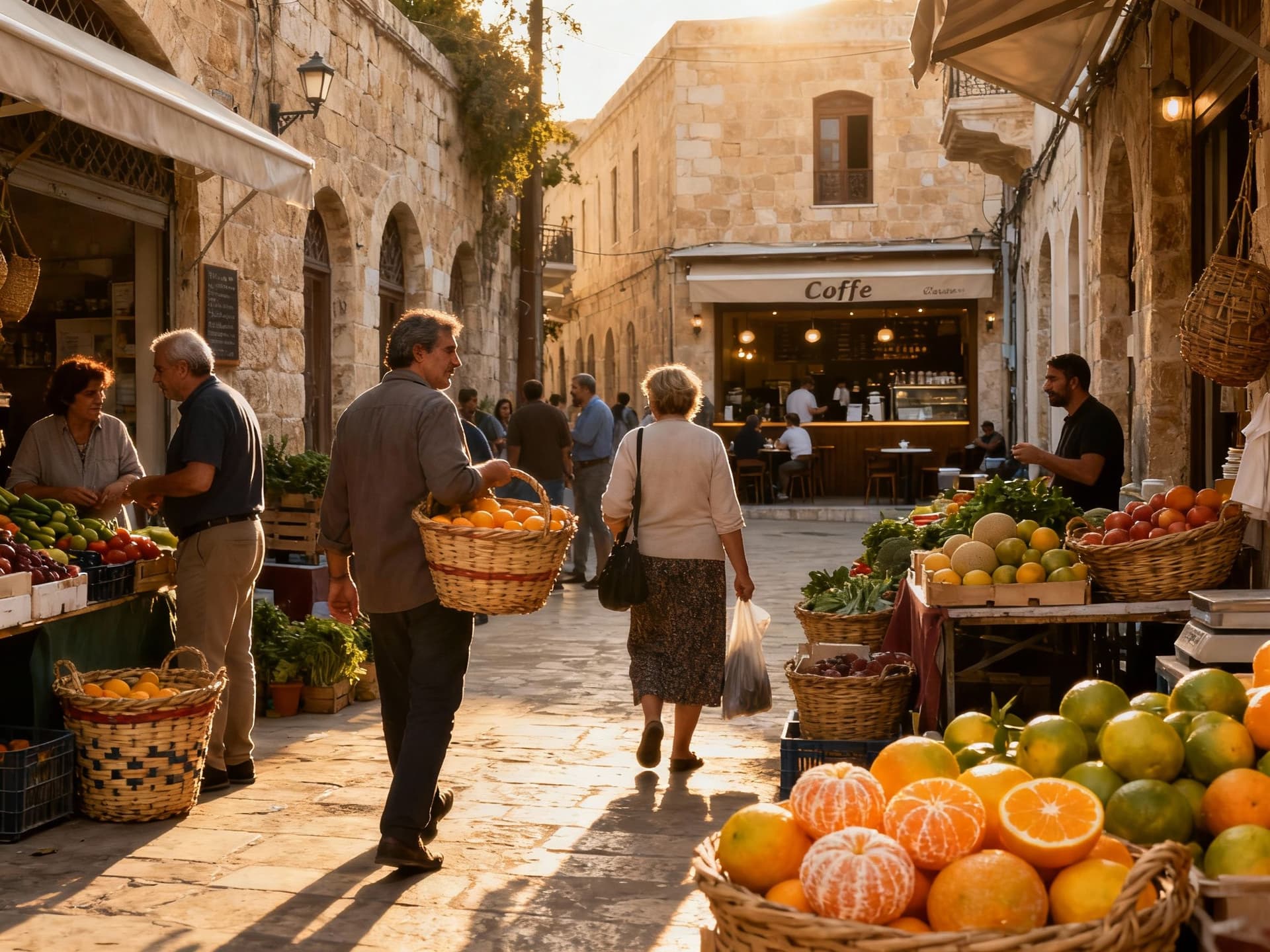
Imagine walking down Ledra Street in Nicosia at dusk: espresso steam, a small bakery, a neighbour returning from the market with tomatoes and halloumi. Cyprus feels like that—island rhythms, neighbourhood cafés, and a coast that still rewards patience. But love alone won’t protect you if the title deed for that bright apartment hasn’t been issued. This guide blends the island’s everyday life with the transparency checks every international buyer must insist on.
Living Cyprus: daily life, seasons and neighbourhoods
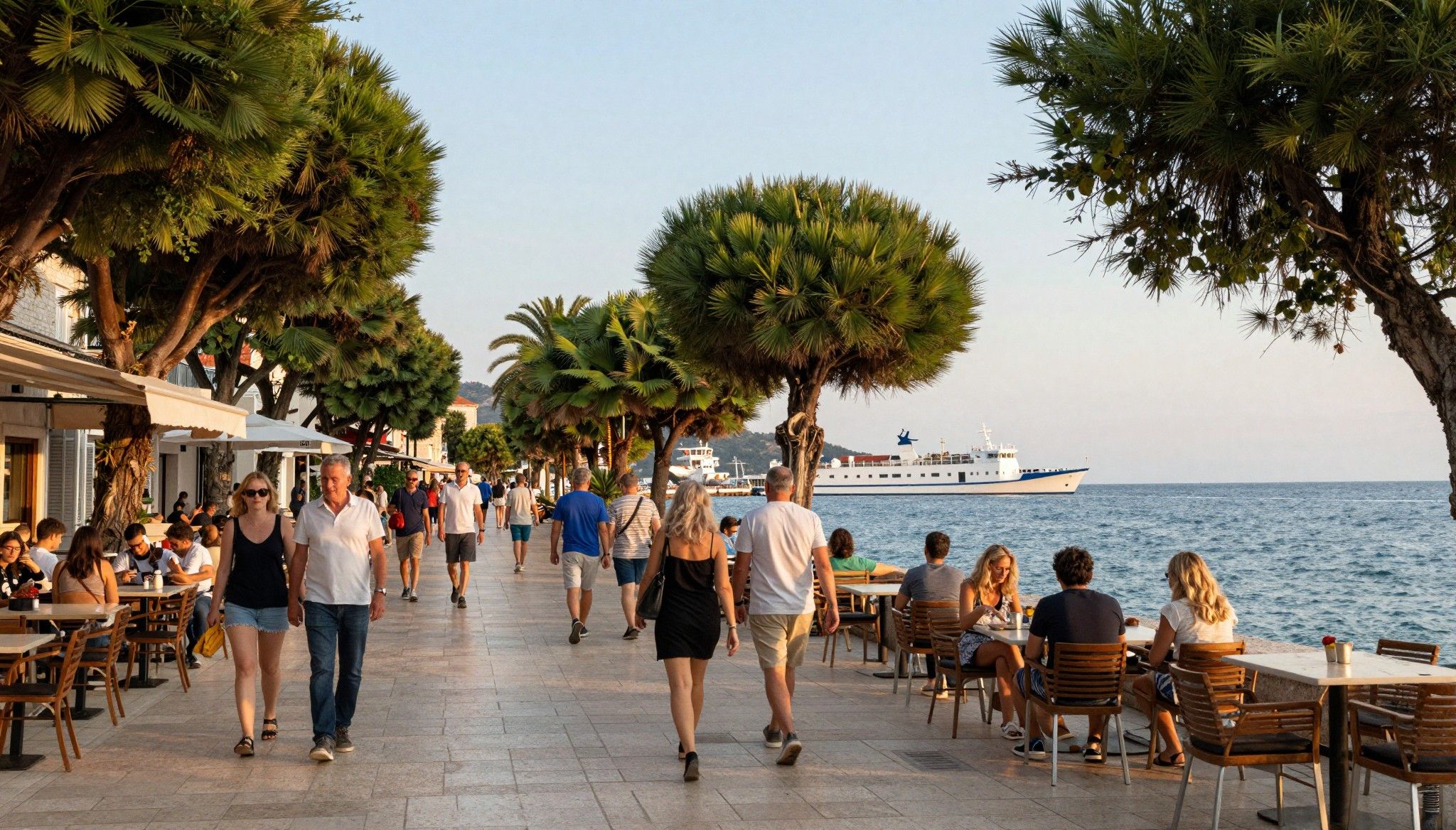
Cyprus is compact but varied. Coastal towns like Limassol and Paphos pulse with marinas and restaurants; mountain villages in the Troodos offer slower winters, fruit orchards and stone houses. The island’s climate shapes routines: long terraces and outdoor cafés work six months a year, while summers move social life to shaded courtyards and late-night promenades.
Neighbourhood spotlight: Old Nicosia and Limassol Marina
Old Nicosia (Ledra, Laiki Geitonia) keeps cafés, local bakeries and weekday markets. It’s where neighbours meet and language barriers thin. Limassol Marina and the Molos offer a very different rhythm: waterfront dining, yacht traffic and newer apartment blocks aimed at buyers who want a refined coastal life. Both deliver strong lifestyle appeal, but they signal different resale profiles and tenant pools.
Food, market life and the seasons
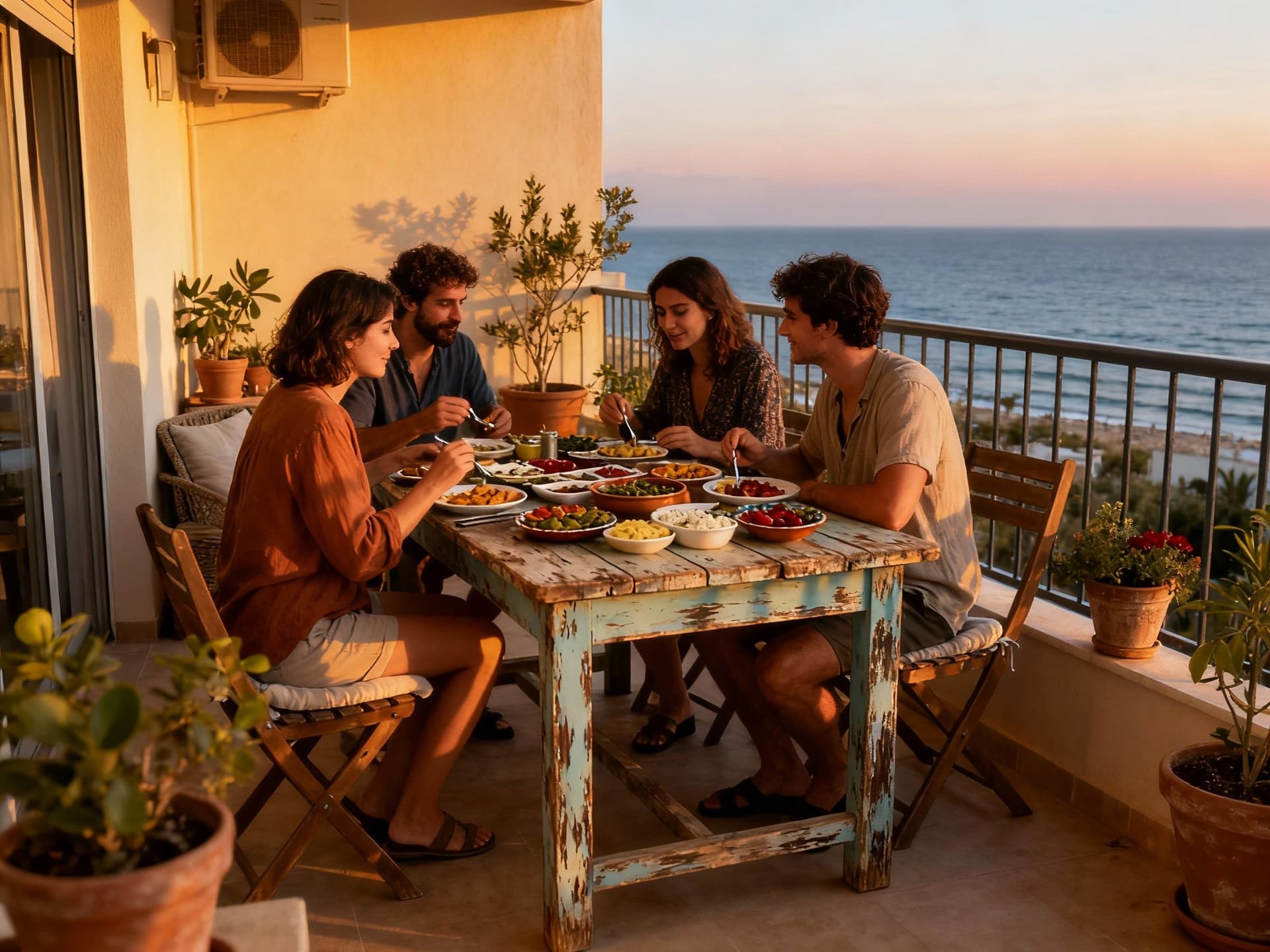
Weekends mean farmers’ stalls in small towns and grand market mornings in Nicosia. Halloumi, loukoumades, fresh fish and mezze shape neighbourhood habits: balconies and small kitchens are used. In winter, village tavernas become the centre of community life; in summer, roof terraces and beach bars define social hours. These rhythms influence what property type you’ll really use—large terraces matter if you plan summer living; insulation and heating matter if you want year‑round mountain residence.
- Lifestyle highlights: real places to know
- Morning coffee at To Kafeneio in Laiki Geitonia; evening fish tavernas on Paphos Harbour; weekend market at Ledra; a sunset walk along Limassol’s Molos; hiking mornings in Troodos near Platres.
Making the move: transparency, title deeds and the law
The dream is tangible; the paperwork must be too. Title deeds, search certificates and Land Registry entries are the island’s truth machine. The Department of Lands and Surveys (DLS) administers the register and issues certificates that reveal encumbrances, mortgages and ownership history. Treat the registry as the first and most important stop on any purchase itinerary.
Why title deeds matter more in Cyprus than the brochure
Many off‑plan and new‑build purchases on the island still await final registration. Buying without an issued title deed is common—and risky. Missing deeds can mean hidden mortgages, planning violations or long delays before you legally own the property. Recent reporting shows thousands of “trapped buyers” whose deeds were delayed by developer or bank issues. Always ask: has the title deed been issued, and can your lawyer produce a current search certificate?
What a proper transparency check looks like
- Request a Search Certificate from DLS and confirm current owner, outstanding charges and any court orders; confirm whether infrastructure/permits (CFA) were issued; ask for evidence of mortgage discharge; request developer warranties and the CFA for new builds; require sales contracts to include the Land Registry search certificate as an attachment.
Insider knowledge: what expats wish they’d known
Expat forums praise the island’s lifestyle but the common regrets are practical: not insisting on documented clearance of developer debts, trusting an agency without independent legal verification, and underestimating how long title issuance can take. For many, the happy ending only came after a lawyer insisted on contract clauses linking final payment to title issuance milestones.
Cultural and practical cues that change where you buy
- Local norms: prefer neighbourhoods where long‑term residents live year-round (e.g., Agios Athanasios in Limassol) to avoid over-reliance on seasonal rental demand; accept a slower pace in mountain villages where services reduce in winter; seek community hubs (market, café, church) as markers of lasting neighbourhood cohesion.
Macro context: Cyprus’s economy has shown resilience, with solid tourism and foreign investment supporting property markets. That creates opportunity—but also concentrated development in coastal hubs, which can produce short-term price pressure and longer-term supply risk. Balance lifestyle preference with market depth: smaller towns may offer lower prices but also thinner resale markets.
- Practical next steps before you sign
- Have your lawyer obtain a current search certificate from DLS; insist the sales contract includes the search certificate as an annex and sets escrow/payment triggers linked to title milestones; verify developer solvency and bank discharge letters for mortgages; request evidence of planning approvals (CFA) for completed works; meet neighbours and visit the property at different times to confirm the advertised lifestyle.
Conclusion: Cyprus is easy to fall in love with and straightforward to buy into if you put transparency first. Start with the life you want—sea, mountain or old town—then let due diligence narrow the options. Use the Land Registry, independent lawyers and targeted local intelligence to convert that first espresso on Ledra into an ownership reality you can trust.
Swedish expat who moved from Stockholm to Marbella in 2018. Specializes in cross-border legal navigation and residency considerations for Scandinavian buyers.