Cyprus Price Myth: Transparency and Where Value Hides
Cyprus sells a sunlit life — but the best buys pair that life with airtight local records. Check DLS searches, permits and district data before offers.

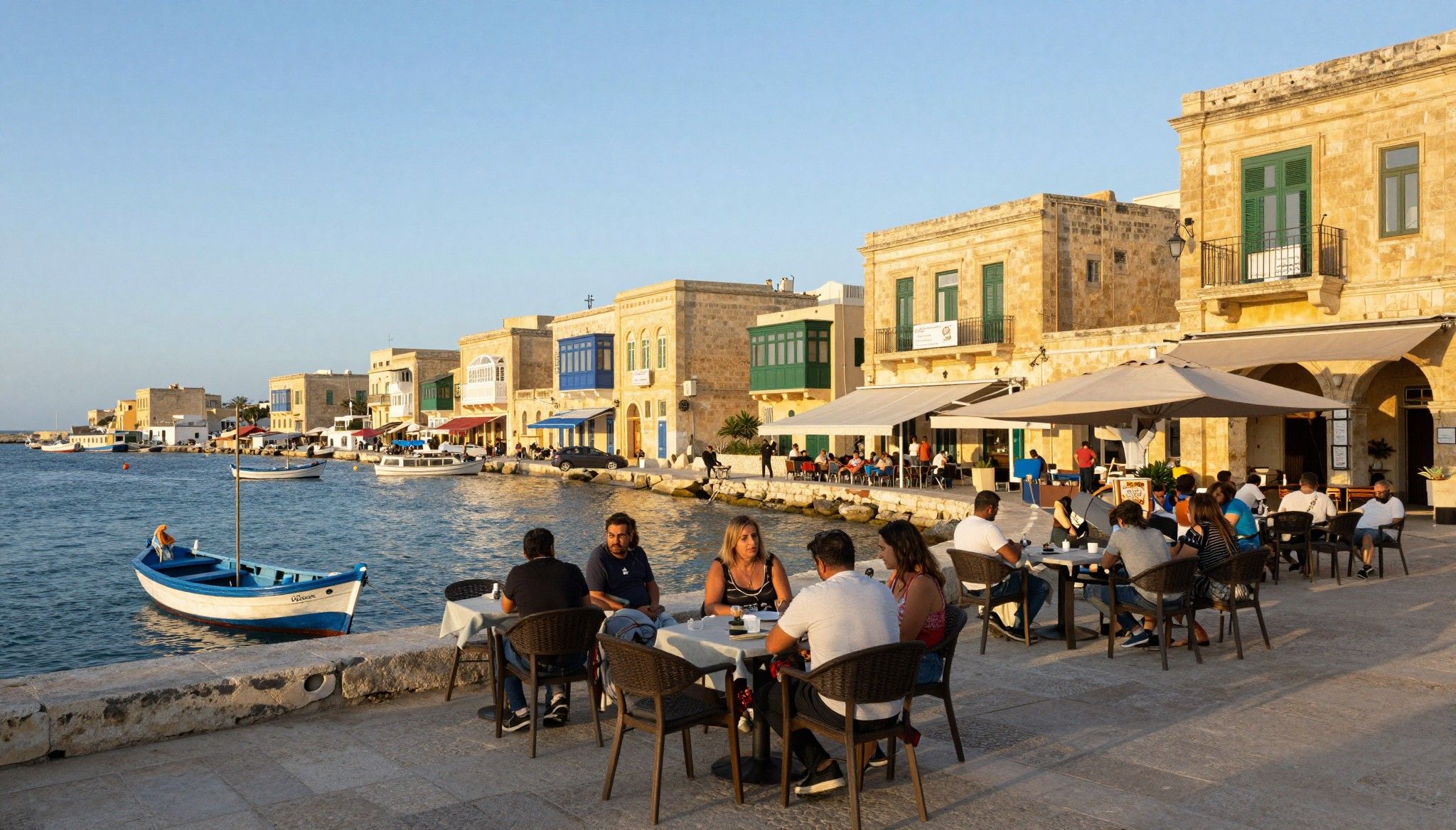
Imagine walking from a shaded café on Limassol’s Molos promenade into a narrow lane where a baker slides warm koulouri into paper bags. The light is bright, the conversation easy, and the choices for where to live — a renovated townhouse, a new seafront apartment, a stone house in the hills — are deceptively simple. But the paperwork, the local norms and the market signals behind those front doors are not. Cyprus feels small, sunlit and familiar; its real estate market is quietly complex. International buyers who fall in love here quickly discover that lifestyle and transparency matter in equal measure.
Living Cyprus: rhythm, places and the reasons people stay

Cyprus moves at a measured pace. Mornings are for markets and cafés; afternoons for short siestas or beaches; evenings for family tables and tavernas. Each town carries a different tempo. Limassol hums with international business and seaside life. Nicosia is a city of offices, narrow streets and a quieter cultural calendar. Paphos trades on heritage and coastal calm. Larnaca blends an improving port and an old town that spills into a new marina. Knowing these rhythms matters as much as knowing price per square metre: lifestyle will determine what part of the market you should study closely.
Molοs, Limassol and the Riviera illusion
Molοs and the adjacent Agios Nikolaos strip feel like the postcard: promenades, cafés and evening crowds. That visibility brings a premium — and a myth: many international buyers assume those premiums mean better liquidity and transparency. In reality, the premium reflects lifestyle demand, not clearer titles or simpler transactions. Properties here can be more expensive to buy and to service, and older buildings sometimes carry complex paperwork beneath glossy façades.
Kato Paphos, Chloraka and the quieter value
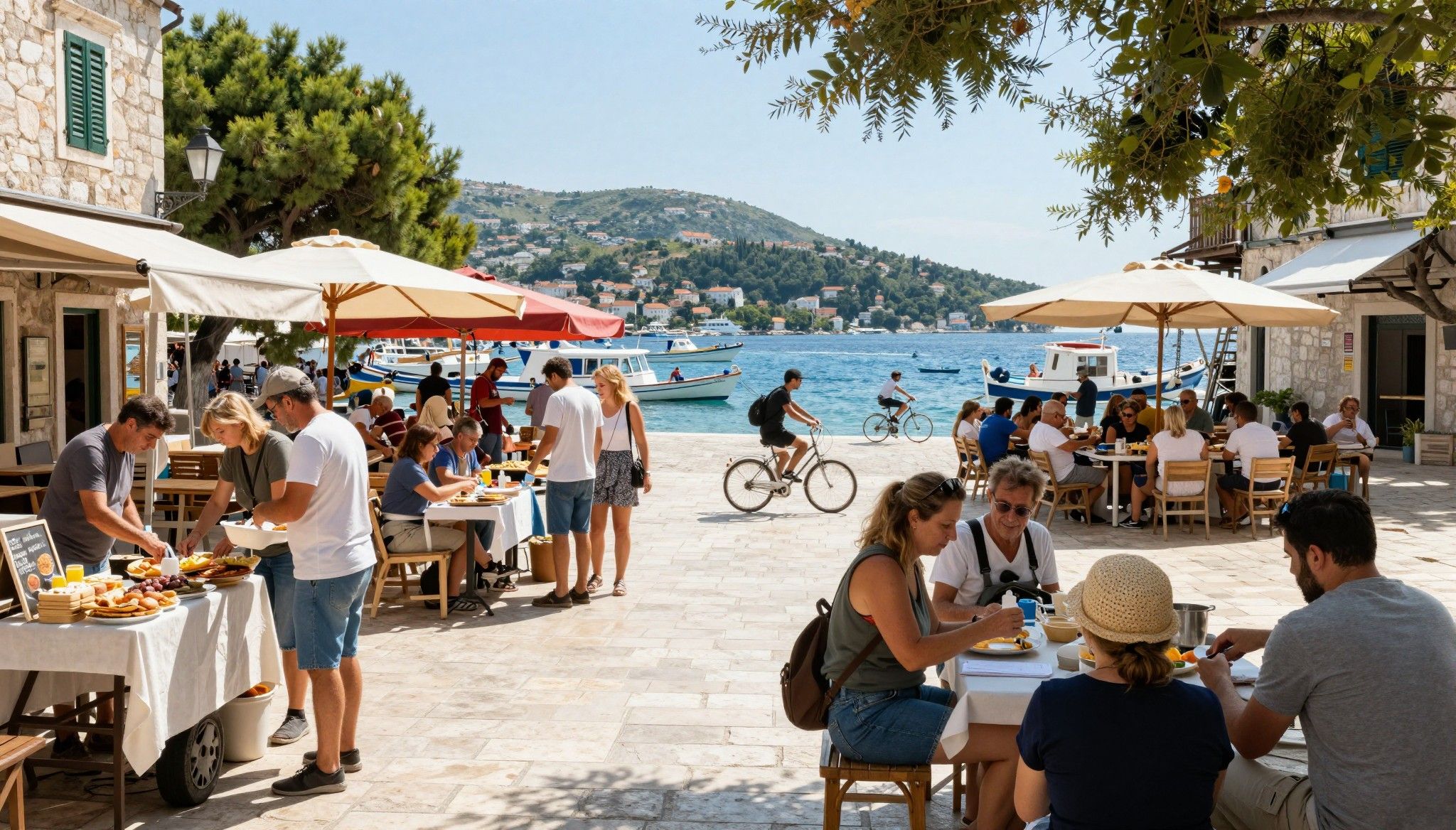
Walk Kato Paphos at dusk and you’ll find compact streets, tavernas packed with locals and newer apartment blocks tucked behind older houses. Recent price growth has been strong here, yet pockets of well-priced stock remain — often in streets locals still use daily. For buyers prioritising value and community over headline prestige, these neighborhoods offer the lifestyle without the same level of buyer competition or over-marketed development.
Where transparency actually lives: records, access and what to check first

Cyprus does have functioning public systems — the Department of Lands and Surveys hosts an online portal and cadastral resources — but access is conditional. ‘Search certificates’ and cadastral plans are the primary official documents that reveal ownership history, encumbrances and parcel boundaries. International buyers should treat these records as the first, non‑negotiable item on any checklist: they tell you what a property truly is, beyond its staging and sales brochure.
The single most-common transparency trap
Buyers equate glossy marketing with clear title. They shouldn’t. In Cyprus, older properties, especially those converted from agricultural plots or with ad‑hoc extensions, often lack full cadastral proof or have pending regularisation. Checking the DLS interactive maps and ordering a search certificate early will expose these issues before an offer is written.
Practical transparency checklist
- Obtain a search certificate for ownership history and charges.
- Verify cadastral parcel maps via the DLS portal for boundary accuracy.
- Request building completion/occupation permits from municipal offices for conversions or additions.
- Ask for a recent local rates (immovable property tax) statement to confirm fiscal valuation history.
Reading price signals correctly: current data and what it hides
Official statistics show modest national price growth — the Cyprus Statistical Service reported an HPI rise close to 1% year‑on‑year in Q2 2025 — but regional dispersion is the headline. Some coastal and tourist districts continue to record higher gains while urban centres like Nicosia are flatter. Treat national indices as a starting point; drill into district and sub‑district figures to locate genuine opportunity or hidden risk.
What the headline HPI doesn’t tell you
- Mix of old and new: national indices combine new‑build and aged stock; legal clarity often differs between them.
- Local planning: municipal approvals vary and can change a neighbourhood’s value quickly.
- Tourist seasonality: rental yields spike seasonally; year‑round income depends on location and quality.
Insider moves: how to match lifestyle wishes with transparent buys
If you want café life and an evening walk, target Limassol pockets where municipal records show completed works and clear titles. If you want quiet coastal community and value, target streets in Kato Paphos or parts of Larnaca where development has been steady but not overheated. Always map lifestyle priorities to the documents you require — title search, planning history, and building permits — and make those documents the gating criteria before negotiations begin.
Six-step local verification (quick process to protect a lifestyle purchase)
- Order a DLS search certificate and cadastral map for the plot or unit.
- Confirm municipal permits for any extensions or conversions.
- Ask for utility connection records and recent local rates statements.
- Commission a local surveyor to confirm boundaries and built areas.
- Engage a lawyer to review the title, outstanding charges and preliminary contract clauses.
- Request recent comparable sales from the local DLO or an agent to cross‑check asking price.
Why work with a local adviser who values transparency
A good local adviser does three things: translates lifestyle into a short list of legal checks; uses the DLS and municipal records proactively; and refuses to show properties that can’t demonstrate clean title. Ask agencies to explain how they verify title and municipal compliance — concrete processes are a better signal than promises.
What expats say they wish they’d known
Expats often tell the same story: they fell for a street, not the title. They loved a kitchen, not the cadastral plan. Months later they discover missing permits or boundary disputes. The remedy is procedural: insist on records early and let lifestyle visits be the reward, not the decision driver.
Longer-term view: seasonal life and value preservation
Cyprus’s climate and culture make it a place people return to. That creates durable demand for well-documented properties in well-served streets. If you buy for lifestyle now, invest time in documentation to preserve resale options later. Good paperwork is the invisible amenity that protects your lifestyle investment.
Conclusion: fall in love carefully. Let cafés, beaches and community win your heart; let cadastral plans, search certificates and municipal permits win your signature. Cyprus rewards buyers who pair a clear lifestyle brief with disciplined checks. If you want to see neighbourhoods that match how you want to live, ask prospective agents how they will prove title before they take you to view. The right local process both opens the life you want and protects the value beneath it.
British expat who relocated to Marbella in 2012. Specializes in rigorous due diligence and cross-border investment strategies for UK and international buyers.