Cyprus: When 'No Title Deed' Is Manageable (and When It’s Not)
Cyprus offers sunlit lifestyle appeal but title-deed realities shape risk. Recent reforms help; insist on Land Registry searches, legal escrow and neighbourhood verification.

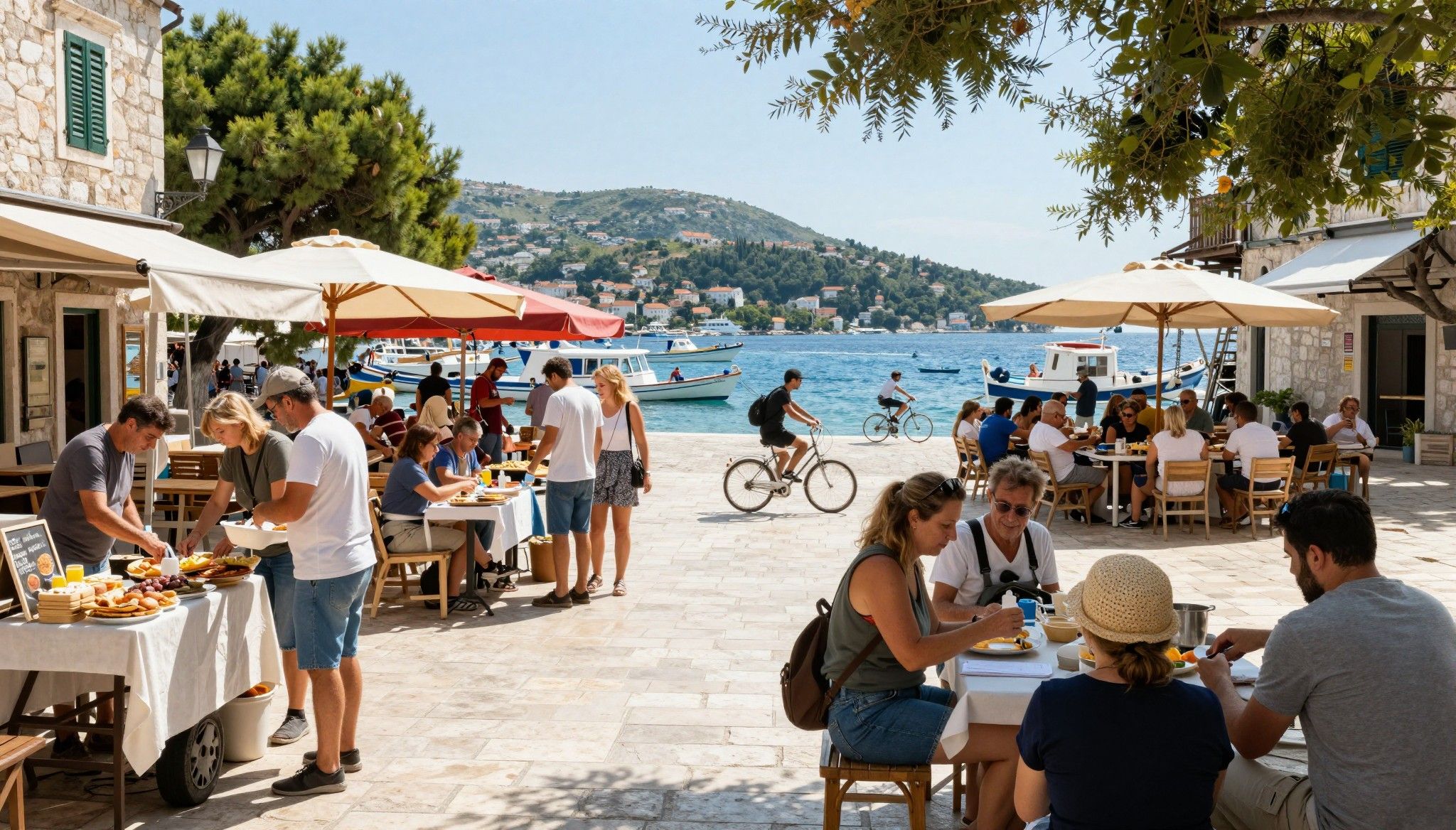
Imagine a Saturday morning in Limassol: espresso at To Kazani, fishermen mending nets on the Molos, children chasing pigeons by the Venetian harbour. Streets smell of baking halloumi and citrus. That sensory clarity is what draws buyers to Cyprus — but beneath the cafés and sea views sit procedural realities that shape risk and resale value. Understanding title deeds, land registry practices and recent legal shifts is how you protect the lifestyle you fell in love with.
Living Cyprus: the rhythm that sells
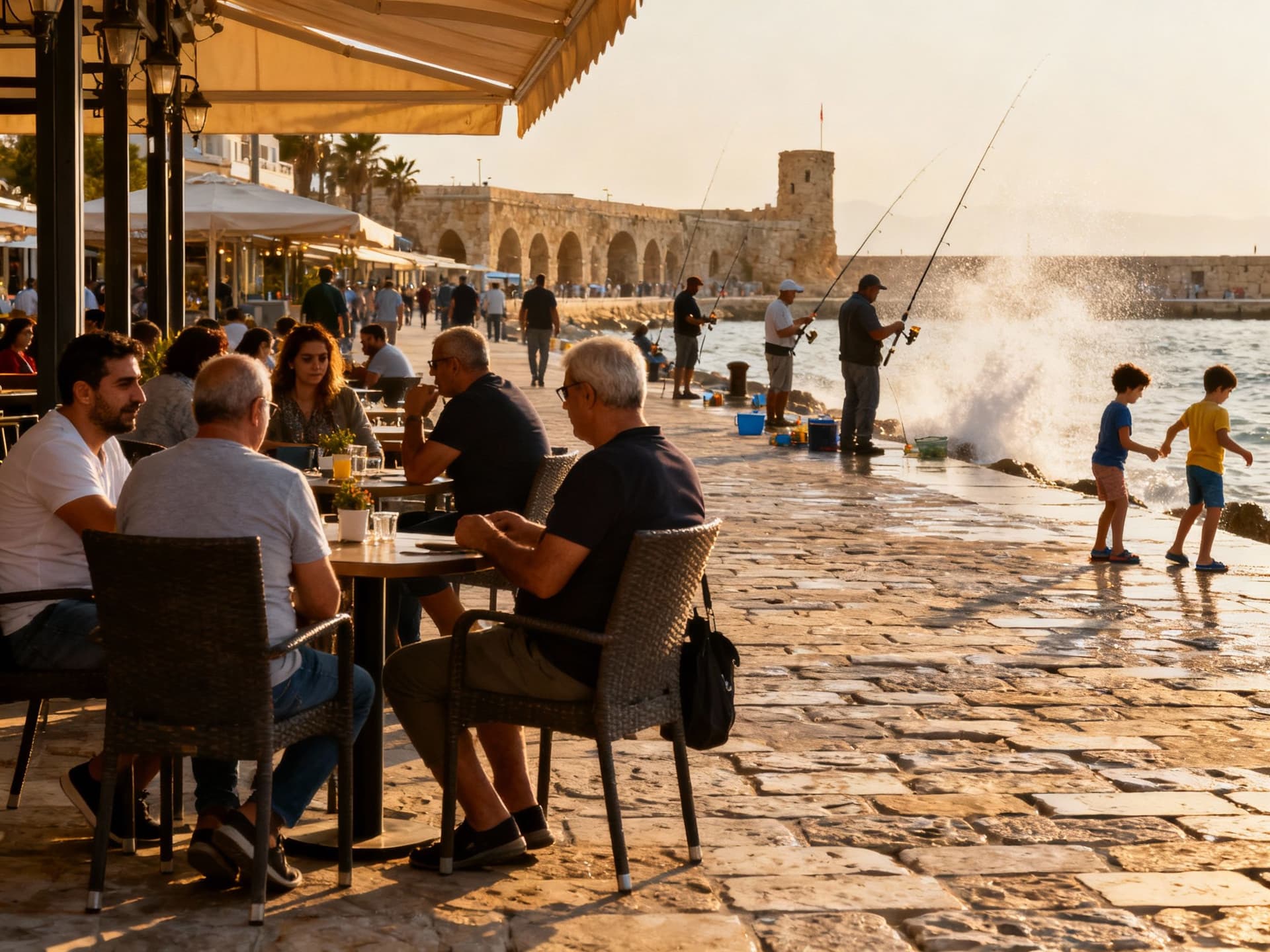
Cyprus life is coastal mornings, mountain afternoons and tavernas that stay open late. Nicosia hums with bureaucracy and café terraces; Paphos keeps a slower, historic tempo; Larnaca mixes an easy seaside routine with a working waterfront. These patterns affect where different buyers settle: professionals favour Limassol for connectivity; retirees seek Paphos or rural villages for quiet; families cluster near international schools around Larnaca and Limassol.
Limassol: coastal life with a commercial pulse
Picture yourself walking the Molos promenade at dusk, stopping at a fish taverna on Anexartisias street. Limassol is where modern seaside developments meet restored colonial architecture. For buyers this means a wide spread of property stock — from new gated communities to centuries-old townhouses — and very different transparency profiles depending on developer track record and whether deeds have been issued.
Paphos & mountain villages: quiet life, specific checks
In Paphos you’ll find older villas with mature gardens and small mountain villages with stone homes and communal rhythms. These properties often have long, complex title histories — old transfers, family succession and sometimes incomplete cadastral records. The result: lifestyle charm that requires meticulous legal clarity before purchase.
Making the move: practical realities that protect the lifestyle

The good news is procedural transparency has improved. Recent reforms (for example Law 132(I)/2023 and administrative updates) increase protections for buyers when title deeds are delayed. But reforms aren’t a substitute for due diligence; they change the remedy landscape rather than remove the underlying need to check seller credentials, encumbrances and permit history.
Property types and what they mean for title clarity
New-build apartments often sit behind a master title until the developer subdivides and secures final approvals. Detached villas or older townhouses are likelier to have individual deeds — but may carry legacy encumbrances. The Land Information System holds legal, fiscal and cadastral data; knowing which database entry a property sits in tells you a lot about transfer speed and risk.
How local experts convert lifestyle needs into safe purchases
A grounded local agent and an independent Cyprus property lawyer do different things. Agents map neighbourhood fit: cafes, schools, noise, sun orientation. Lawyers inspect registry records, outstanding charges and planning permits. For international buyers, use both: the agent filters options that suit your routine; the lawyer converts that shortlist into legal certainty.
- Practical checks to demand before you sign
- Ask for a five-day Land Registry search certificate attached to the contract (it shows mortgages, prohibitions and pending cases).
- Insist on confirmation of planning permits, completion certificates and any communal area adoption by the local authority.
- If the deed is missing, require contract deposit at Land Registry and a timetable clause for deed issuance, backed by escrowed funds where appropriate.
Insider knowledge: red flags and contrarian moves that pay off
Expat buyers tell the same stories: they fell for a sea view and later discovered a developer mortgage; they loved a village house that lacked a completion certificate. Those anecdotes teach a rule: never let romance outpace paperwork. That said, being contrarian — buying a deeded older property in an overlooked neighbourhood — often yields stronger long-term value than chasing the newest beachfront address without deeds.
Common red flags (and how to neutralise them)
- Master-title developments with unclear subdivision timetables — insist on a legal escrow and milestone releases.
- Contracts missing a current Land Registry search — delay signing until a certificate is attached and reviewed by counsel.
- Unclear adoption of roads and utilities by the municipality — confirm with local authority records before purchase.
Small, smart contrarian plays
- Buy an older, deeded townhome near an improving high street — lower entry cost, immediate legal clarity, upside as the neighbourhood rejuvenates.
- Choose a second-floor apartment in Limassol or Larnaca rather than top-floor penthouses off-plan — similar light and views, fewer planning complications for terraces.
What expats wish they'd known
Expats often underestimate administrative time. Registering contracts, clearing transfer fees and obtaining final approvals can take months. If your life plan depends on immediate rental income or quick resale, prioritise properties with deeds and cleared encumbrances. If you accept some lead time, you can access better coastal stock at lower prices — but only with strict contractual protections.
- A practical 5-step checklist to convert a love-at-first-sight property into a safe purchase
- 1. Commission an independent lawyer to obtain the latest Land Registry search and review planning files.
- 2. Confirm whether a property sits under a master title; if so, demand a subdivision schedule and escrow protections.
- 3. Require all seller warranties in writing: no hidden loans, no pending expropriations, and clear communal adoption where relevant.
- 4. Time your move and rental assumptions to the registration timetable; don’t count on immediate mortgage approval for properties without deeds.
- 5. Use a trusted local agent to verify neighbourhood life — shops, schools, noise — so the paperwork you secure matches the life you want.
Conclusion: Cyprus is a sensory, sunlit place where practical clarity preserves the life you buy. Demand current registry evidence, use local legal expertise, and favour proven deeds if you need immediate liquidity. If you’re prepared to wait, structured protections and recent reforms make some ‘no deed yet’ buys reasonable — but only within a strictly documented framework. Come for the sea and food; stay with the certainty.
Swedish expat who moved from Stockholm to Marbella in 2018. Specializes in cross-border legal navigation and residency considerations for Scandinavian buyers.