When Cyprus’ Title‑Deed Backlog Becomes Your Strategic Signal
Cyprus offers year‑round lifestyle appeal, but title‑deed backlogs and localised demand create uneven transparency—check Land Registry status, encumbrances and seasonality before you bid.
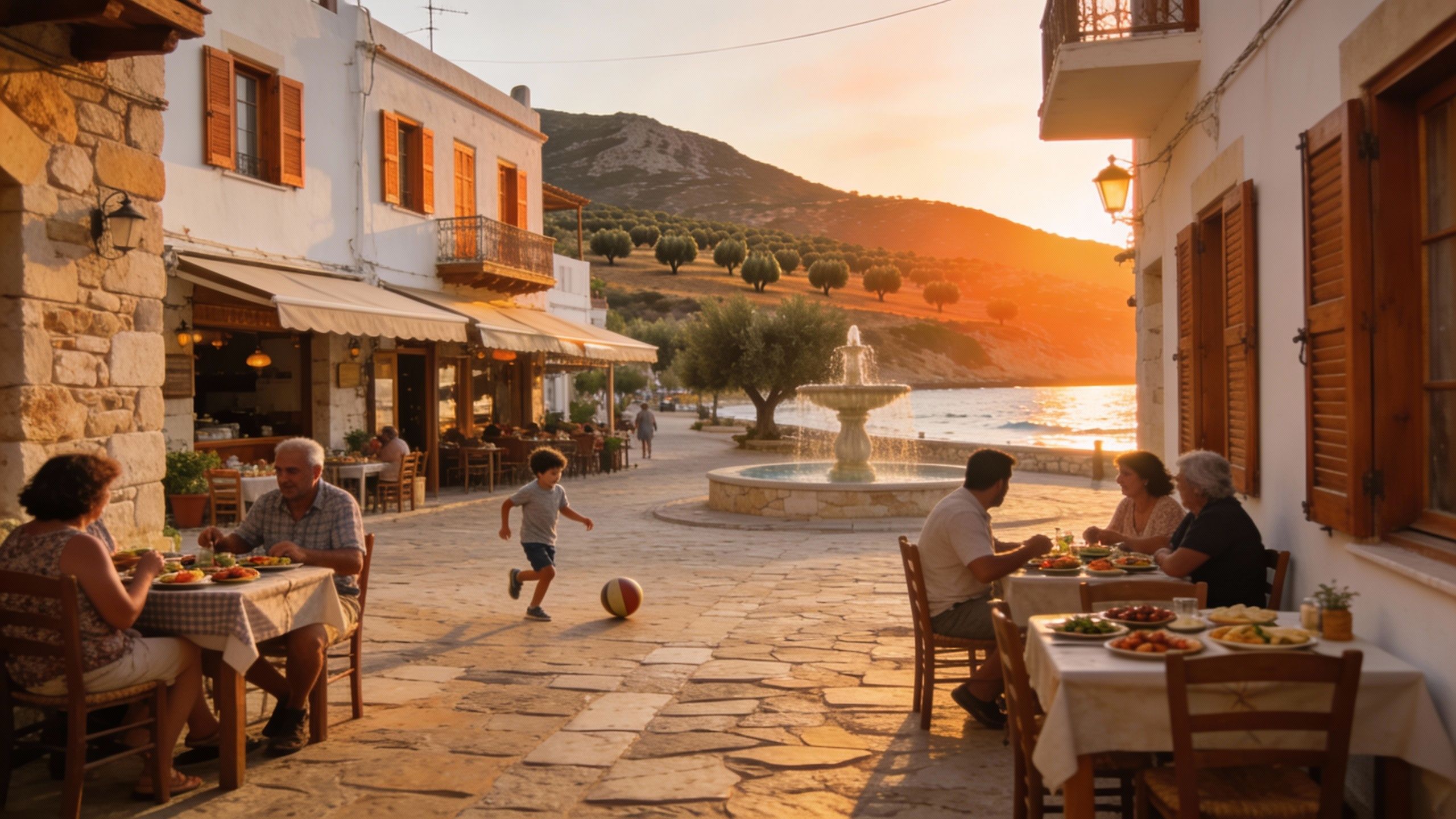
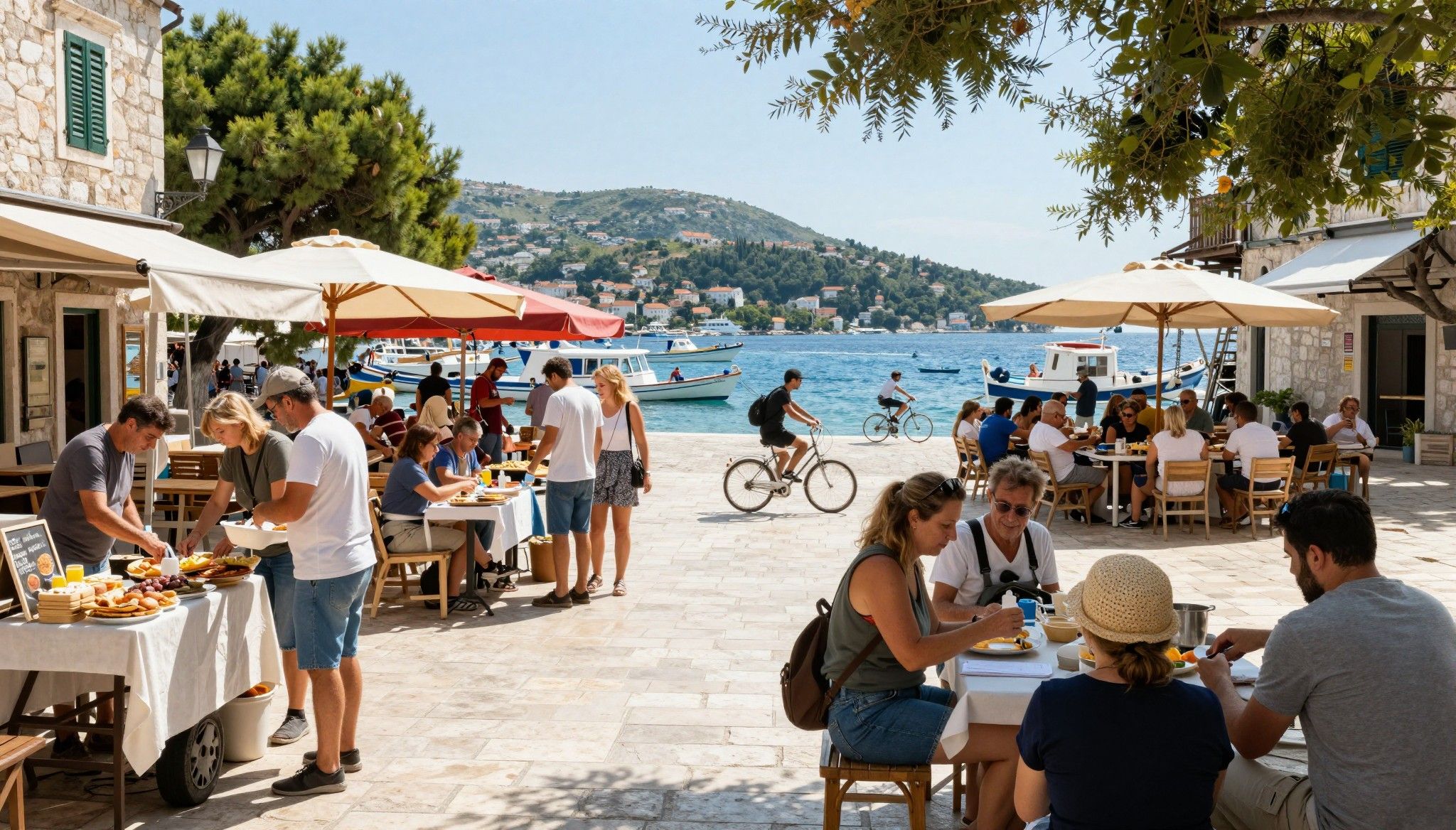
Imagine waking on a quiet Larnaca morning, espresso at To Kafe tis Chalkias on Kastella, then walking past limestone facades toward a sun-washed bay where families unfurl picnic blankets. Cyprus moves slow enough to be gentle yet quick enough for opportunity. That rhythm—cafes, beaches, hill villages and municipal bustle—shapes where value hides and where transparency matters for buyers.
Living Cyprus: the senses and the street

The island is both coastal and rural within an hour. In the morning you hear fishermen in Larnaca’s Finikoudes, by noon you smell wood smoke in the Troodos villages, and by evening Limassol’s promenades hum with families and restaurants. For international buyers, that variety is the draw; for investors, it is the variable you must translate into contract clauses and due diligence.
Neighborhood spotlight: Ayia Napa vs. Pissouri
Ayia Napa is postcard energy—nightlife, tourists, seasonal rental demand—while Pissouri, a stone’s throw from Limassol, is low-key: tavernas on the square, English-language groups, and quiet coves. Buyers who chase headline yields often overpay for Ayia Napa’s summer peaks; buyers who value steady life and community lean toward Pissouri or the village pockets around Omodos and Tala.
Food, ritual and seasonality
Weekends are market days: Nicosia’s Municipal Market spills produce and conversation, Limassol’s seafront hosts late-night fish tavernas, and winters bring mountain festivals with chestnuts and zivania. These rhythms affect occupancy, short-term rental yields, and the practicalities of running a property remotely—cleaning schedules, heating choices, and how your mortgage or letting strategy performs across seasons.
Market reality: what the numbers say (and what they don’t)

Official data show steady, modest house-price growth across recent quarters rather than rapid spikes: Cystat reports HPI rises of low single digits year-on-year through 2024–2025. That steadiness masks two realities: localized pockets of strong seasonal demand (coastal holiday towns) and structural frictions—most visibly the backlog of "trapped" title-deed cases—that can distort transaction liquidity and risk perception.
Why title-deed backlogs matter
Since 2015 a significant number of buyers have been unable to obtain separate title deeds due to developer encumbrances, planning irregularities or legislative challenges. That creates three buyer-facing risks: conditional ownership (paper contracts without clear conveyance), difficulty securing finance or resale, and price discounts for properties with unresolved documentation. Recent legislative moves aim to resolve many cases—but timelines and scope vary by case type.
- Quick transparency checks before you write an offer
Confirm whether a separate title deed exists or if the unit is listed among 'trapped' cases; ask the agent for Land Registry references and a recent search.
Demand a copy of the developer’s encumbrance statement and any mortgage releases; if encumbrances predate the sales contract, expect additional legal steps.
Check whether planning or building permits are in order—planning irregularities are a common reason titles stall and must be disclosed by sellers or revealed in a technical due diligence report.
Making the move: practical steps that respect lifestyle ambition
If the dream is a terrace view in Limassol or a restored stone house in Peyia, match that desire with contract discipline. Lifestyle fit is step one; legal clarity is step two. Treat the agency as your translator between local life and legal reality—ask for neighbourhood references, recent comparable sales, and evidence of clear title before emotional decisions take hold.
Property types and how they shape daily life
Apartments on the coast suit buyers seeking lock-up-and-leave rental income; village houses offer space and community but often carry renovation needs and planning checks. New builds promise modern systems but sometimes sit within developer encumbrances; older conversions offer character—and the need for a sharper technical survey.
A six-step localised due-diligence checklist
Obtain a Land Registry search and confirm title deed status.
Commission a technical survey that lists planning permits, structural issues, and utility connections specific to Cyprus norms.
Require written confirmation of any encumbrances and clear timelines for mortgage releases or legal remedies.
Negotiate escrow or staged payments into Land Registry-controlled accounts when titles are unresolved.
Ask for local references: neighbours, the municipal planning office, and recent buyers on the same development.
Build a season-aware calendar into your plan: inspect in low season, test rentals across summer, and review running costs in winter.
Insider knowledge: what expats wish they’d known
Expats often say the social entry is easier than the paperwork: English is widely spoken, communities form around cafes and clubs, and local neighbours will help with tradespeople. What they regret is underestimating documentation work: even a beloved villa can be hard to sell if titles are unclear or if the developer’s bank has registered encumbrances.
Cultural quirks that affect deals
Personal relationships matter in Cyprus—local agents, notaries and municipal officers can speed things up. But do not confuse helpfulness with legal sufficiency: always get written confirmations and register agreements formally. Verbal assurances, friendly as they are, rarely substitute for a clear chain of title.
- Lifestyle reality check: what changes after you buy
You’ll trade constant novelty for deeper local routines—favorite bakers, one barber, one mechanic—and that lowers day-to-day friction but increases the value of neighborhood fit.
Seasonal traffic will affect short-term rental income; expect high summer turnover and quieter winter months for coastal properties.
Expect renovation timelines to stretch when approvals are needed; good local architects and an agent who knows municipal staff shorten that runway.
Conclusion: Cyprus is not a postcard price bubble; it is a market of microclimates where steady national indices coexist with local paperwork frictions. Read the lifestyle first—where you’ll actually spend mornings and weekends—then treat legal transparency as your budget for peace of mind. Work with lawyers and agencies who document every claim, verify title status, and align contract terms with the rhythm of Cypriot life.
Next steps: ask for a Land Registry search, request developer encumbrance details, and plan a two-season inspection (low season for community feel; high season to test rental demand). A focused local advisor will convert a dream terrace into a secure asset.
Swedish expat who moved from Stockholm to Marbella in 2018. Specializes in cross-border legal navigation and residency considerations for Scandinavian buyers.