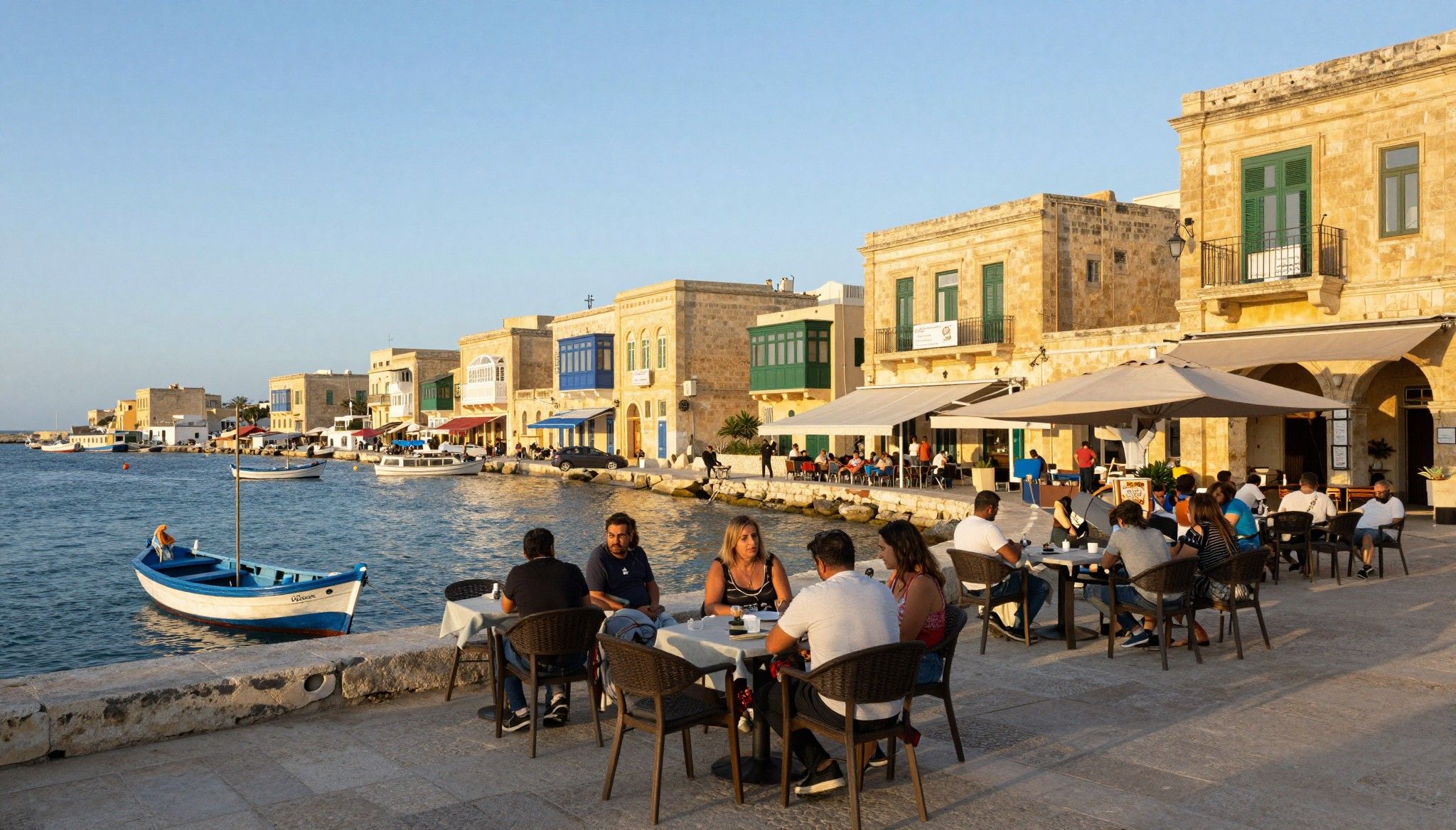
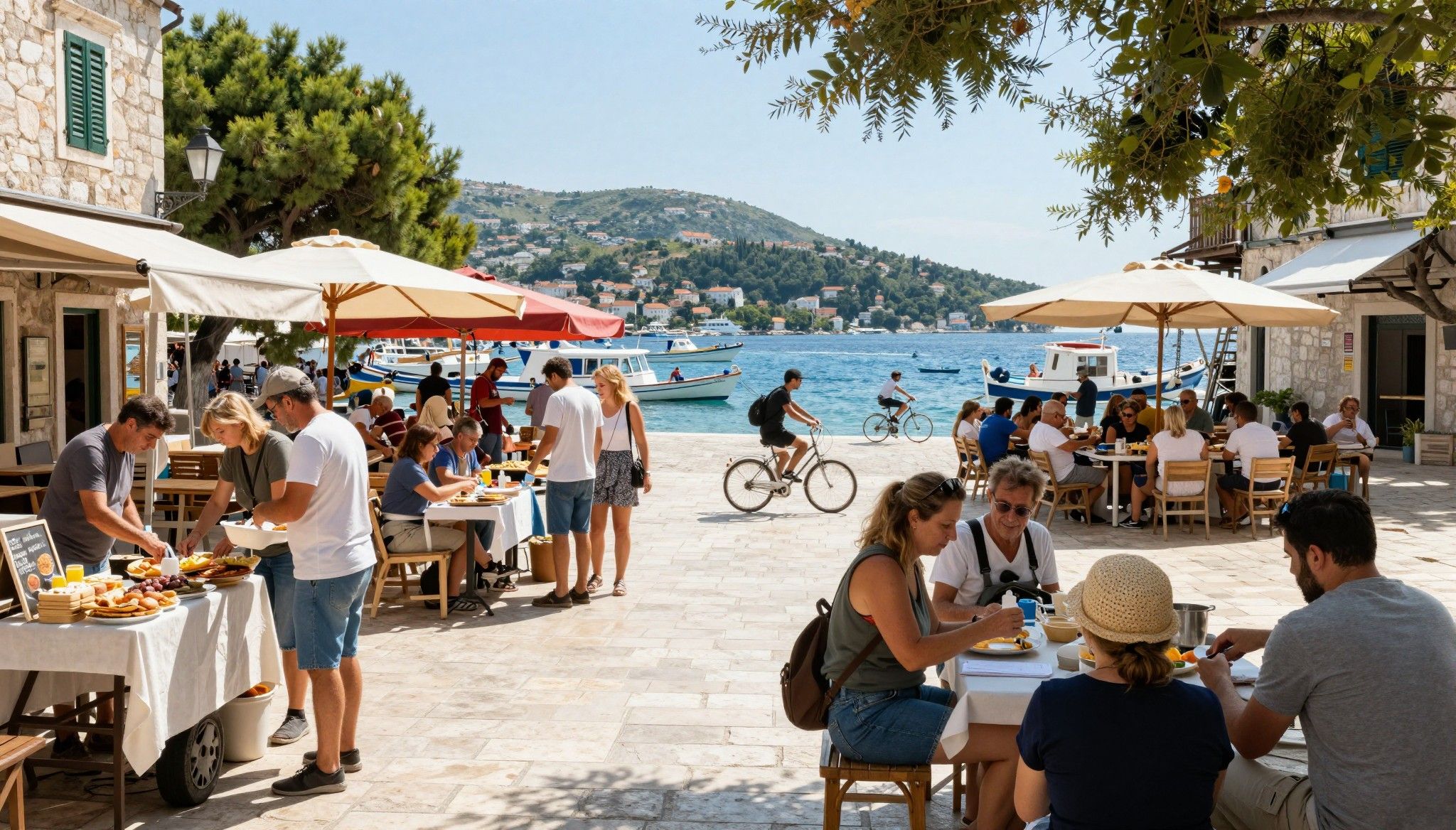
Greece’s Zone Shift: Street‑Level Risks and Real Lifestyles
Greece’s lifestyle sells itself; recent Golden Visa re‑zoning and uneven street‑level data mean buyers must demand permits, bills and occupancy records before buying.

Imagine standing on a shaded terrace in Koukaki with a freddo in hand as mopeds thread past and a tangle of bougainvillea frames Acropolis views. In Greece, daily life is textured: market mornings, late-night tavernas, island ferries and narrow streets where neighbours still know your name. That ease is why international buyers fall for Greece. But the path from romantic ideal to a sound purchase is shaped by recent policy shifts, patchy local disclosure and sharp street-level variation in prices — realities every buyer should know before signing.
Living the Greece lifestyle — vivid, local, specific

Greece is not a single tempo. Athens hums with café culture and late dinners; Chania moves to a slower rhythm around morning markets; Mykonos pulses for a few months, then becomes a quiet cluster of fishermen’s tavernas. For buyers that means lifestyle choices are also structural choices: proximity to a market, an elevated plot with Aegean winds, or an apartment on a lively street each changes maintenance, rental prospects and resale audience.
Athens neighbourhoods that tell different stories
Walk from Koukaki to Pangrati and the city changes. Koukaki offers narrow lanes, classic kafeneia and short-term lets near the Acropolis. Pangrati still holds neighbourhood squares and year-round residents. Exarcheia is raw and culturally charged; Psychiko and Kolonaki are residential and quiet. Street choice in Athens equals buyer type: investor, weekender, family or full-time resident — and each carries different transparency needs when it comes to contracts, prior building work and local planning.
Islands and coastal towns: seasons rewrite reality
On Mykonos or Santorini, summers swell demand and short-term rental returns; outside peak months the same places are quieter and maintenance costs (seawind corrosion, seasonal services) become visible. In Crete or Kefalonia you get a more balanced year — farmers’ markets, festivals and a resident community that keeps shops open year-round. Those rhythms affect valuation transparency: ADRs and occupancy data can mask off‑season carrying costs unless you ask for street-level bookings and utility records.
- Lifestyle highlights (real streets, real places)
- Early market coffee on Evripidou Street, central Athens — spices, fresh fish stalls and the ease of walking to neighbourhood theatres.
- Sunset aperitivo at Little Venice, Chania — stone harbourside facades and restaurants where owners have been there for decades.
- Weekly farmers’ market in Rethymno or Nafplio — a test of how community life will feel off-season.
Making the move: practical realities under the new rules
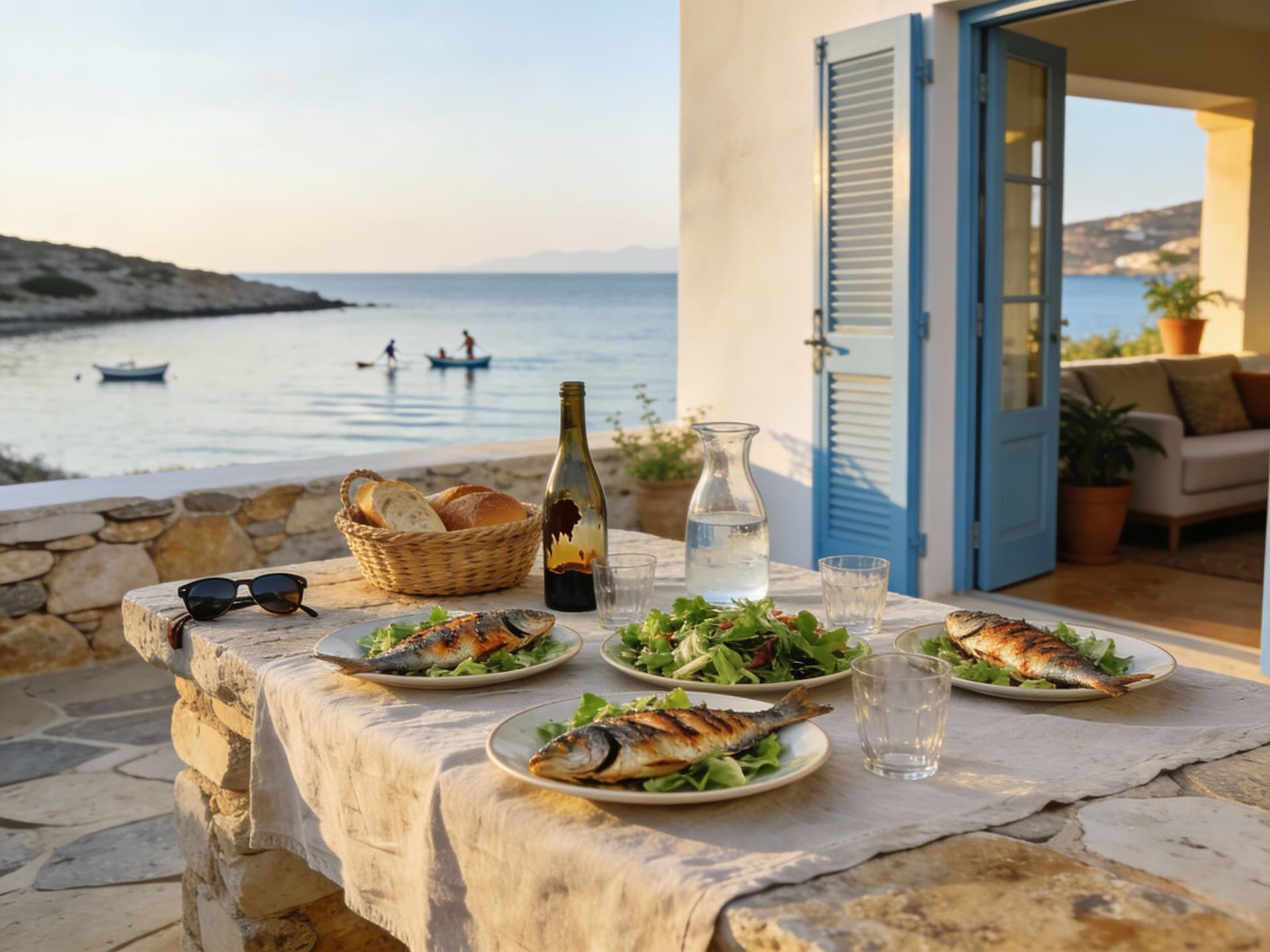
Recent legal changes — notably the 2024/2025 re-zoning of investor thresholds for residence permits — have reframed buyer incentives and disclosure expectations. Where €250k once opened doors in many places, higher thresholds in Attica, Mykonos, Santorini and other sought zones now push investors to demand clearer records: building permits, heritage listings, and exact parcel definitions.
Property types and what they mean for life and risk
New builds, listed restorations and island stone houses each carry different transparency needs. Bank of Greece data shows national price rises have been strong in recent years, but growth has become more uneven by region; that makes micro-level due diligence essential. A renovated 19th‑century Athens apartment may command the same headline price as a new suburban build but will have very different maintenance requirements and planning caveats.
Working with local experts who understand life, not just listings
The right local team translates lifestyle brief into documents: which part of the street floods, which neighbour disputes exist, whether a property has legal terraces or informal extensions. Agents who show you utility bills, previous rental calendars and the building’s municipality statements save weeks of surprises. Seek firms that produce street-level comparables, not just glossy island photos.
- Practical steps that blend lifestyle and verification
- Request 12 months of utility bills and a recent municipal tax (ENFIA) statement to check real running costs against advertised yields.
- Require a geo-referenced deed extract and planning-history search to confirm terraces, parking and permitted use — many island houses have unauthorised additions.
- Ask for a list of recent tenants, occupancy rates (street-level), and short‑let permits where applicable to reconcile rental income claims.
Insider knowledge: what expats wish they'd known
Expats often tell the same story: the romance sold them on a plein-air life in Hydra or Piraeus, but day‑to‑day living depended on small, local things — a single reliable bakery, winter ferry reliability, or whether a local doctor spoke English. Those details matter for resale and valuation transparency: neighbourhood desirability in Greece is as much about services as scenery.
Cultural and seasonal realities that change markets
Greece’s seasonality affects both lifestyle and transparency. Short‑season tourism inflates headline yields in summer; winter months reveal maintenance exposure and local demand. Cultural quirks — long fêtes, municipal summer closures, or vendor networks — influence the liquidity of a neighbourhood and the reliability of short‑term income projections.
Long-term view: what sustains value beyond the postcard
Sustained value comes from services, infrastructure and documented title clarity more than from immediate views. Look for streets with schools, year‑round markets and stable transport links; these are the streets locals buy and keep. Policies like higher Golden Visa thresholds have cooled speculative arbitrage in some hotspots — a positive for long-term residents but a transparency challenge for buyers relying on old comparables.
- Red flags and transparency checks
- Missing building permits for terraces, balconies or basement conversions.
- Vague utility records or seller reluctance to share 12 months of bills.
- Unclear lease histories on island properties where informal short lets are common.
- Properties in newly re‑zoned Golden Visa zones priced on old, lower-threshold comps.
- A practical five-step street-level due diligence sequence
- 1) Get the deed (pista) and certified cadastral extract; confirm exact parcel lines and any easements.
- 2) Order a planning-history search from the municipality to reveal permits or open violations.
- 3) Validate utility and tax records for 12 months; reconcile those with advertised rental income.
- 4) Commission a structural and moisture survey for island and coastal properties; salt damage is often invisible at first sight.
- 5) Use a locally credentialled notary and ask your lawyer to inspect every line of the preliminary contract (protos diathiki).
Conclusion — Greece is a life you can buy, but buy the life, not the headline.
Buyers should begin with a lifestyle scene they can picture living every day, then demand the documents that prove that scene is deliverable. Use street‑level comparables, insist on utility and permit transparency, and understand how Golden Visa re-zoning reshapes demand. When in doubt, choose advisors who show you the bakery on the corner and the municipality file for the building — both tell a story. For next steps: compile a 3‑street shortlist, request the five due‑diligence items above, and ask your local agent to produce month-by-month occupancy and bill records before any deposit.
Swedish expat who moved from Stockholm to Marbella in 2018. Specializes in cross-border legal navigation and residency considerations for Scandinavian buyers.