Greece: Street‑Level Lifestyle Meets Market Transparency
Greece offers irresistible lifestyle gains, but recent price rises and Golden Visa reforms mean buyers must pair local atmosphere with strict document checks and street‑level comparables.

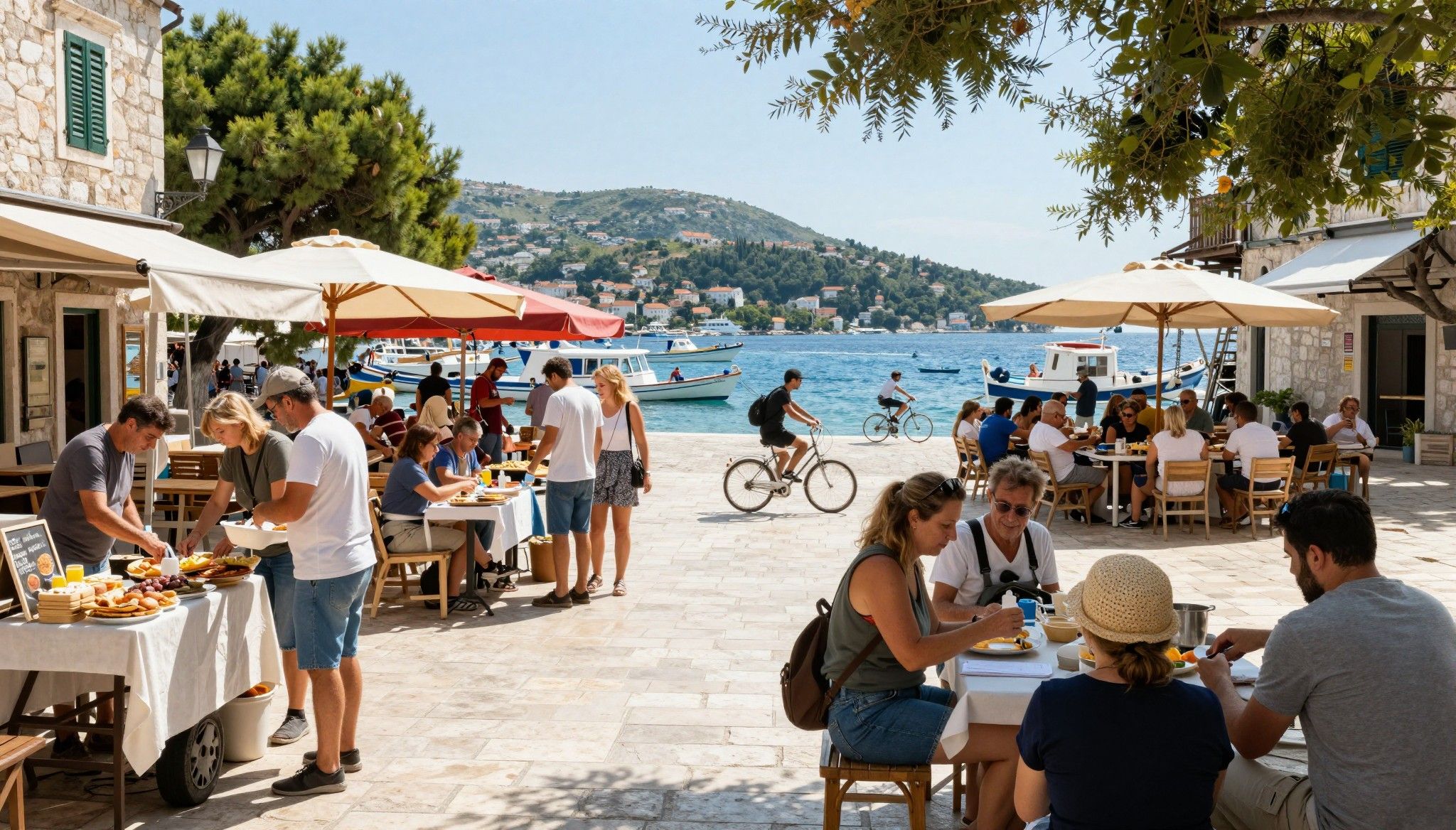
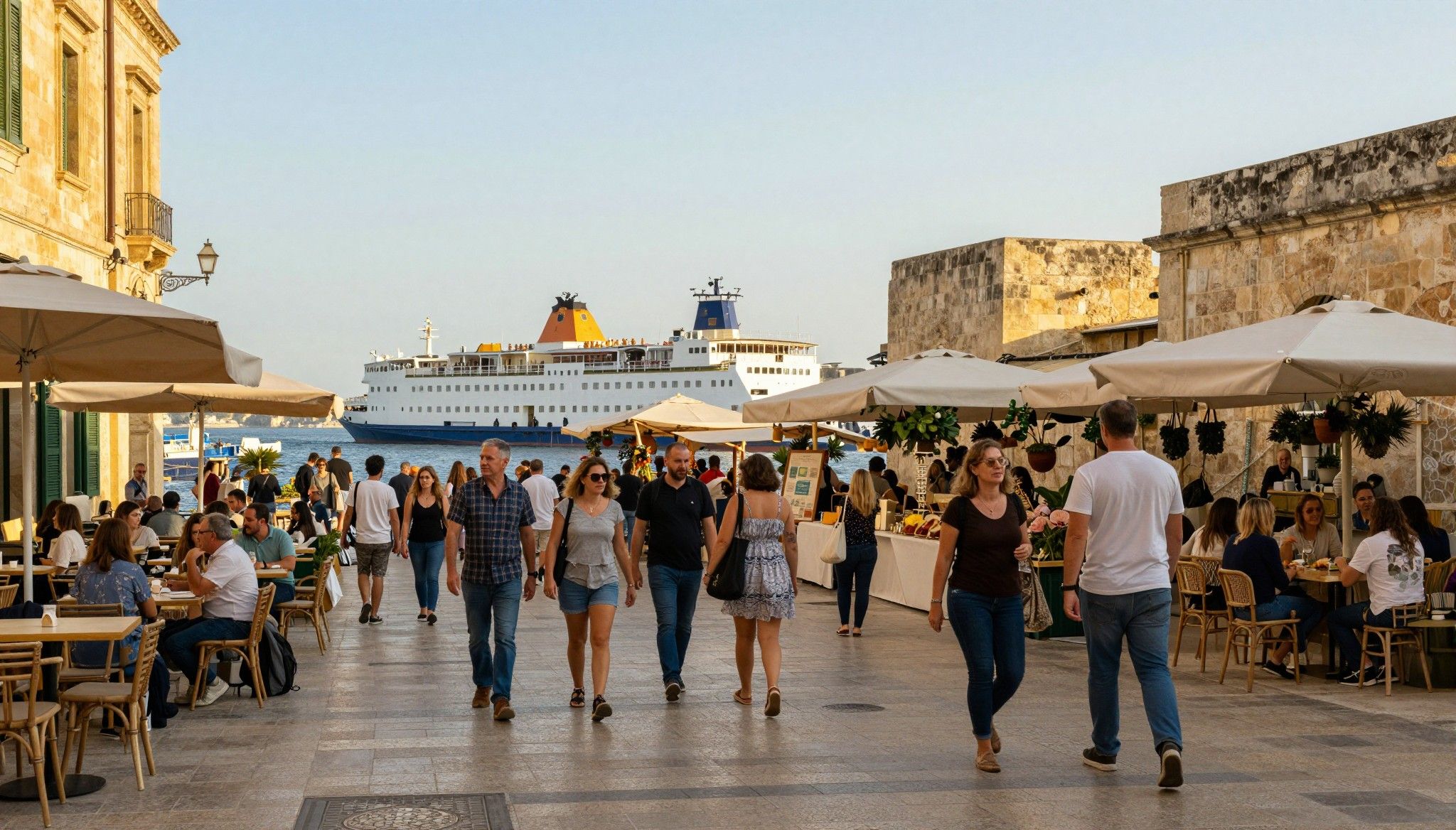
Imagine the smell of strong coffee at a sunlit kafeneio on Athens’ Kypseli hill, the clack of a fisherman's day on Piraeus quay, and a late‑afternoon swim at Vouliagmeni before a taverna meal. Greece sells a life: slow mornings, communal dinners, and neighbourhoods that change tone with the seasons. That same rhythm—vibrant summers, quiet winters, islands that sleep then bloom—shapes how property values move and how transparent the market really is. Recent national data and law changes mean the myths you heard about Greek property—“cheaper than everywhere,” “always easy for foreigners”—need reexamining.
Living the Greece lifestyle
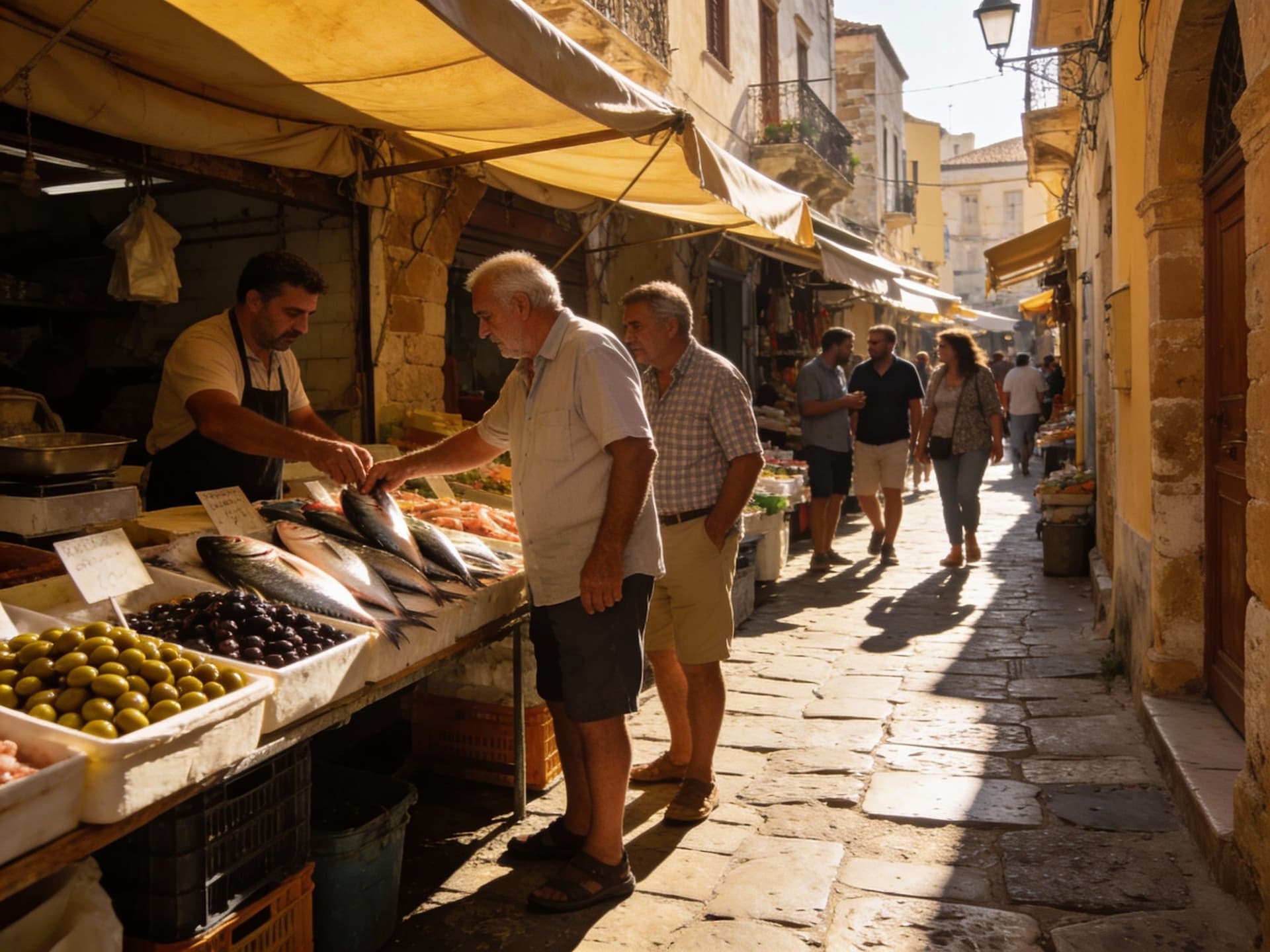
Daylight in Greece arranges life around streets, cafés, and the sea. In Athens you meet neighbours at neighborhood bakeries before work; in Chania you buy fish at the municipal market and plan dinner for friends; on Naxos mornings are for the beach and afternoons for olive‑grove maintenance. These routines matter because they affect what kind of property you actually want—floor‑to‑ceiling light in an Athens apartment, a shaded courtyard in the Peloponnese, or a small plot for citrus trees on islands where water and planning rules differ.
Athens neighbourhoods: Kypseli, Koukaki, Piraeus
Kypseli is for streetlife—neighbourhood bakeries, mid‑century terraces and multi‑family flats. Koukaki sits under the Acropolis with narrow lanes and boutique tavernas, attracting buyers who prize walkability. Piraeus offers waterfront living and working portside. Each area differs in supply, renovation needs, and municipal rules—factors that determine time to title transfer and likely renovation costs.
Islands and coastal life: Mykonos vs. Naxos vs. Crete
Holiday seasons rewrite neighbourhood economies. Mykonos and Santorini carry premium price tags and strict building constraints; Naxos and parts of Crete offer more space and steadier year‑round communities. National figures show price rises across regions—meaning the island premium is real but nuanced: small islands often have thin transaction volumes, which can exaggerate headline price changes when a single luxury sale occurs. That volatility is part of island life—and of market transparency risk.
Lifestyle highlights
Kypseli kafeneia and weekend flea markets
Piraeus seafood stalls and morning quay walks
Naxos inland villages and smallholder produce markets
Chania’s Venetian harbour and local food scene around the Agora
Making the move: practical considerations

The dream of a sunlit terrace is inseparable from paperwork. Recent legislative changes—most notably the Golden Visa thresholds and conversion rules—affect buyer strategy. Where you buy now determines not only lifestyle but eligibility for residency or investor routes. Market data shows price inflation in 2024, so timelines and disclosure standards matter: smaller markets have less transparent comparables and higher transaction risk.
Property styles and what they mean for living
Apartments in Athens require attention to floor plans and light wells; stone houses on islands often need seismic upgrades and formal restoration permissions. New builds in central areas command premiums per square metre. Match property type to daily life: if mornings start at a café, prioritise walkable blocks; if sea is essential, check access rights, coastal zoning and seasonal noise levels.
Working with local experts who know the lifestyle
A local agent with street‑level knowledge will tell you the morning of the market, the weekly rhythms, and whether a building’s committee accepts renovations. Lawyers versed in Greek cadastral updates and tax accountants familiar with non‑dom tax rules protect value. Ask agencies for transaction references, proof of mediation insurance and examples of completed sales in the exact neighbourhood you like.
Practical checklist (lifestyle + transaction)
Confirm municipal zoning and building permits before offer
Request transaction history for the specific flat/plot (3–5 years)
Check Golden Visa eligibility if residency is a goal (zones and thresholds vary).
Survey for seismic and insulation standards where relevant (islands and older buildings)
Insider knowledge: transparency, red flags and claims to question
Three uncomfortable truths: prices rose broadly in 2024; Golden Visa law tightened zone thresholds in 2024; small‑market sales can create misleading averages. Governments and industry reports provide headline numbers, but street‑level comparables are the real test. For transparency, prefer transactions with clear cadastral records and recent tax receipts.
Common red flags
No registered cadastral entry or pending corrections
Unexplained gaps in the sale history or rapid flips at rising prices
Unclear homeowner association finances or unresolved building works
How to test market transparency before you bid
Ask for three recent comparable closed sales in the same street, not the same island.
Insist on seeing the title deed (systima or ‘akt’) and the last property tax (ENFIA) receipts.
Commission a local survey to verify boundaries, right‑of‑way and water access.
A controversial take: the ‘expensive’ Greek reputation is incomplete
Headlines that call Greece uniformly expensive ignore distribution and supply. RE/MAX reported a 6.5% national uplift in 2024, driven by specific bright spots (Athens, certain islands). Yet inland regions, smaller islands and post‑industrial towns still offer lower entry points. The real question is transparency: can you verify comparables and title? If yes, you may find value where others only see ‘cheap’ or ‘expensive’ labels.
For buyers who want the life and the data: start with lifestyle priorities, then require documentation. Use local agents for street intelligence, but insist on lawyer‑verified title and published comparables. When law changes affect residency thresholds, act with both speed and caution: transitional provisions exist, but timelines are real. A good purchase feels like the life you imagined and rests on verifiable facts.
Danish investment specialist who relocated to Costa del Sol in 2015. Focuses on data-driven market timing and long-term value for Danish buyers.