Greece: The Lived‑In Truth About Value and Transparency
Greece offers irresistible daily life, but Golden Visa reforms, rental rules and patchy cadastral records demand careful local due diligence backed by credible data.

Imagine walking down the pedestrian spine of Plaka as oranges and sea salt hang in the air, then catching a late espresso on Agias Irinis square — that sensory contrast is Greece. Life here moves between ancient stones and Sunday markets, lazy sea-swims and intense, short bursts of urban energy. For international buyers the romance is obvious; the less obvious part is how local disclosure rules, recent policy shifts and uneven data quality change what that romance costs. This guide pairs the lived appeal of Greek neighbourhoods with the transparency issues you need to know before you sign.
Living Greece: rhythms, streets and small pleasures

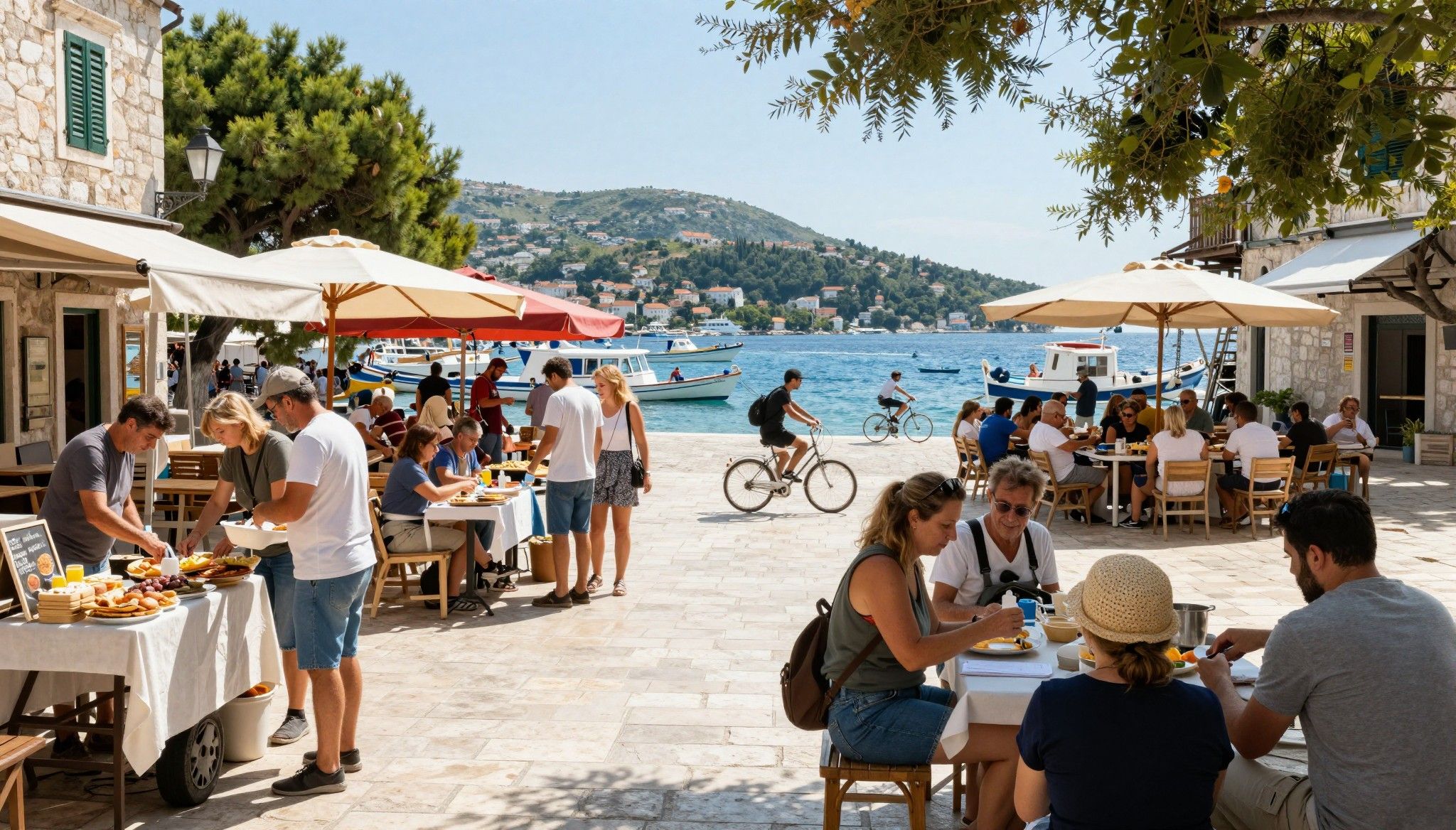
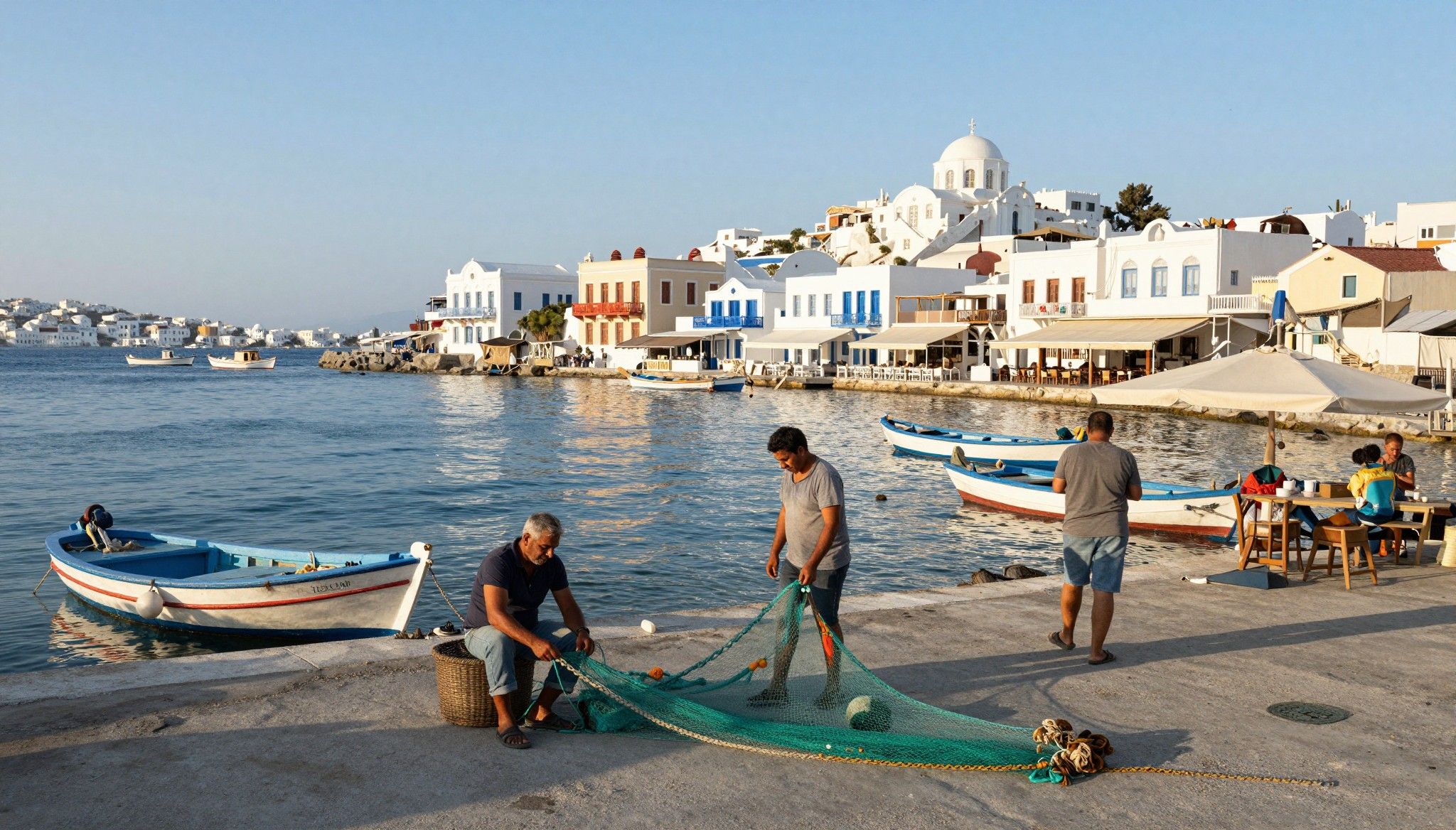
Greece is a collection of micro-worlds. Athens is noisy and layered — Kolonaki’s cafés sit above Psyrri’s late-night tavernas — while islands like Syros and Paros are village-scaled, with afternoons shaped by fishermen, bakeries and small ports. Seasons re-write daily life: August feels like a separate country; November restores quieter routines. If you want sun-drenched terraces and neighbours who know your name, look beyond postcards at the streets locals actually use.
Neighbourhood close-ups: Athens, Thessaloniki and island cores
In Athens, streets like Agias Irinis or Dimitrakopoulou show how a square can anchor daily life — cafés at dawn, older residents playing backgammon at dusk. Thessaloniki’s Ano Poli and the waterfront promenade pull in families and weekend crowds, and have seen brisk price growth in recent years. On the islands, look for inland squares or working ports rather than only the postcard beachfronts; properties one street back are often better value and more authentic.
Food, markets and seasons that shape how you live
Breakfast is at the corner kafeneio; market days determine meals and friendships. The government has moved to discourage short-term holiday lets in city centres, offering incentives to convert them to long-term rentals — a policy that reshapes both investor returns and neighbourhood life. For buyers seeking steady local integration, neighbourhoods with weekly markets, a bakery and a municipal square are the places where a life, not just a summer, happens.
- Lifestyle highlights: real places and habits you’ll use
- Morning espresso at Agia Irini square (Athens) — quick, cheap and public.
- Fish market stroll in Varvakeios or Thessaloniki’s Modiano — weekend ritual for fresh food.
- Late-afternoon swim and return to a taverna in a fishing port (e.g., Naoussa, Paros).
Making the move: transparency, policies and what they mean

The market has shown strong nominal price appreciation — Bank of Greece data records years of double-digit rises in parts of the country — but the pace has moderated recently. Policy shifts, notably the Golden Visa reform and rules on rentals, affect demand and allowable uses. For buyers this means: the dream you see in summer postcards must be reconciled with new legal boundaries and a patchwork of public records.
Property types and practical trade-offs
Stone maisonettes, neoclassical apartments and modern builds each deliver different lives. A renovated neoclassical in Plaka gives heritage and narrow streets; a modern penthouse in Kifisia buys space and parking. Consider maintenance needs, insulation (important for island humidity) and access to services — these affect monthly outgoings more than headline square‑metre prices.
Working with experts who actually know the local truth
You need an agent who reads municipal files, a lawyer comfortable with the Hellenic Cadastre and a surveyor who measures against the deed. Records are improving as the cadastre expands, but gaps remain — particularly on islands and older town centres. Ask for certified cadastral plans, recent energy performance certificates and a clear account of any planning disputes before you commit.
- Due‑diligence steps that blend lifestyle and legal safety
- Visit the neighbourhood at different times: morning market, midday quiet, and an evening service rush.
- Request the cadastral extract and check property boundaries against the footprint on-site.
- Confirm permitted use and short‑term rental restrictions — Golden Visa rules now ban certain vacation-let uses in qualifying properties.
- Get a local contractor estimate for any repairs or insulation works — islands often hide moisture problems.
Insider knowledge: myths, market red flags and what expats wish they’d known
Myth: ‘All islands are wildly unaffordable.’ Reality: pockets of demand push prices up, but inland village streets or secondary ports can offer value and community life. Red flag: sellers who resist providing cadastral documentation or a recent inspection report. Expat regret often stems from underestimating running costs and seasonal isolation — you can love island life and still be surprised by winter logistics.
Cultural and seasonal realities that affect ownership
Local customs influence daily life and property use: daytime shops close for siesta-style pauses in smaller towns, communal festivals mean louder neighbourhoods at certain times of year, and municipal waste schedules determine when the street is tidy. Learn the cadence before you buy — it changes both enjoyment and rental potential.
Long-term view: how a neighbourhood matures
Areas that currently feel seasonal can stabilise as municipalities clamp down on short-term lets and promote long-term residency. That can mean slower capital appreciation in the short run but a healthier, year-round community long term. If you want a neighbourhood that ages gracefully, prioritise schools, medical access and municipal investment over Instagram-perfect sunsets.
- Practical red flags to watch for
- No cadastral extract or conflicting boundary descriptions.
- Seller resists sharing energy performance or recent electrical/plumbing certificates.
- Price jumps in a season without matching local infrastructure or rental regulation.
- How to decide if a neighbourhood is worth the premium
- Score local services (grocery, pharmacy, clinic) — 3 or above means daily life is manageable year‑round.
- Map commute and emergency routes — being two hours from an A&E matters to some buyers more than a sea view.
- Check municipal plans for coastal protection, zoning or tourist caps that might change permitted uses.
Conclusion: Greece rewards patience. If you prioritise lived experience — the bakery routes, a neighbour who knows which fish is best, a bench where the light is right — you’ll buy a life, not only an asset. Match that desire to clear paperwork, local experts and modest expectations around seasonal income. When those elements align, your Greek home will feel inevitable rather than accidental.
Danish investment specialist who relocated to Costa del Sol in 2015. Focuses on data-driven market timing and long-term value for Danish buyers.