Street Life and Transparency: Buying in France
Fall for France’s street-level life, but pair that romance with early checks: title searches, IFI thresholds and non‑resident tax rules to protect lifestyle and returns.

Imagine sipping café noisette at a sunlit table on Rue Cler, then walking five minutes to a marché where oysters and radishes sit beside Provence lavender. That everyday choreography—slow mornings, precise food rituals, a neighbourhood that knows your name—is the reason buyers fall for France. But beneath the light and limestone are rules, obligations and disclosure practices that can surprise non‑residents. Understanding those realities is how you protect both the lifestyle and the ledger.
Living the France life: streets, markets, seasons

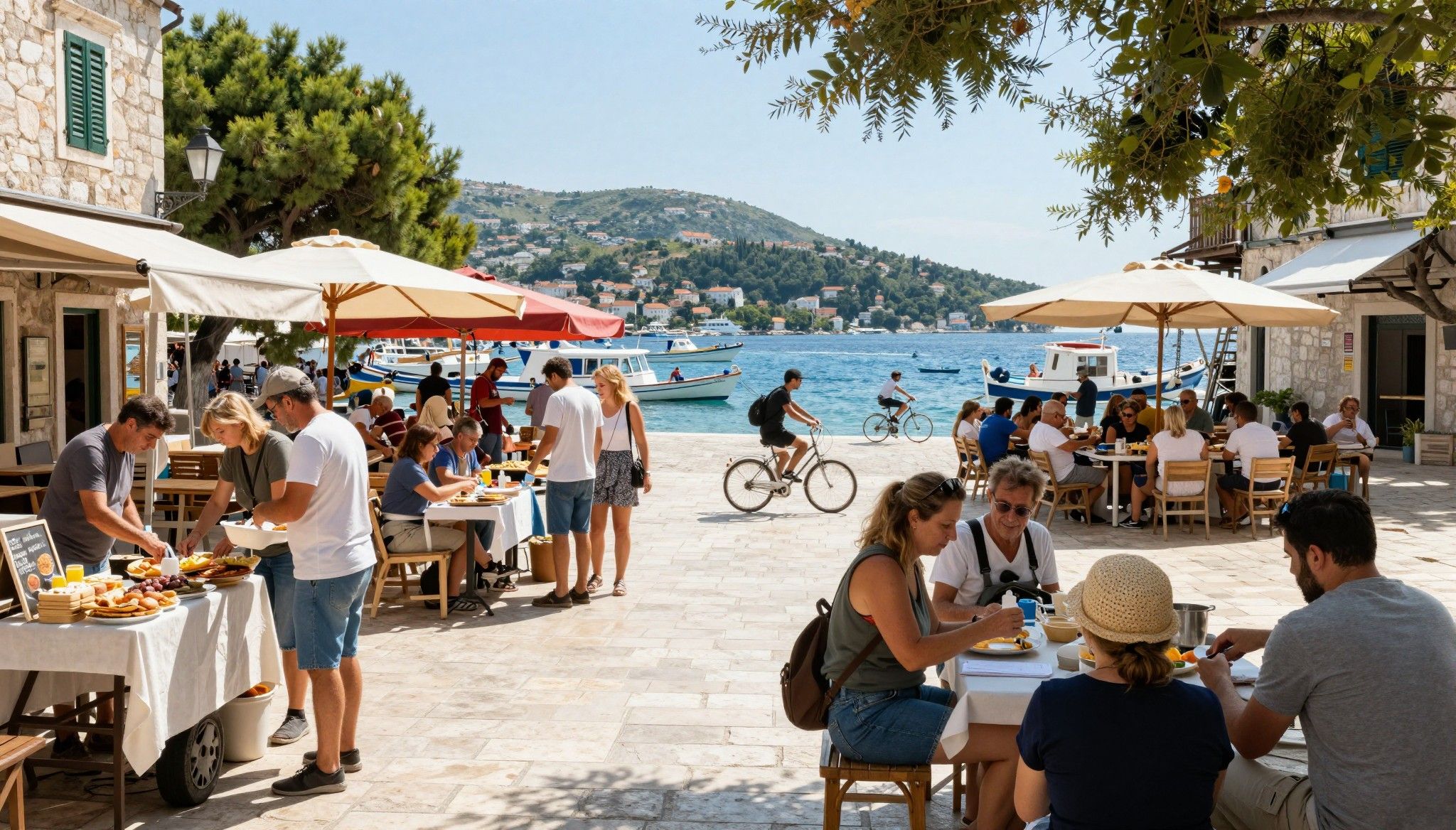
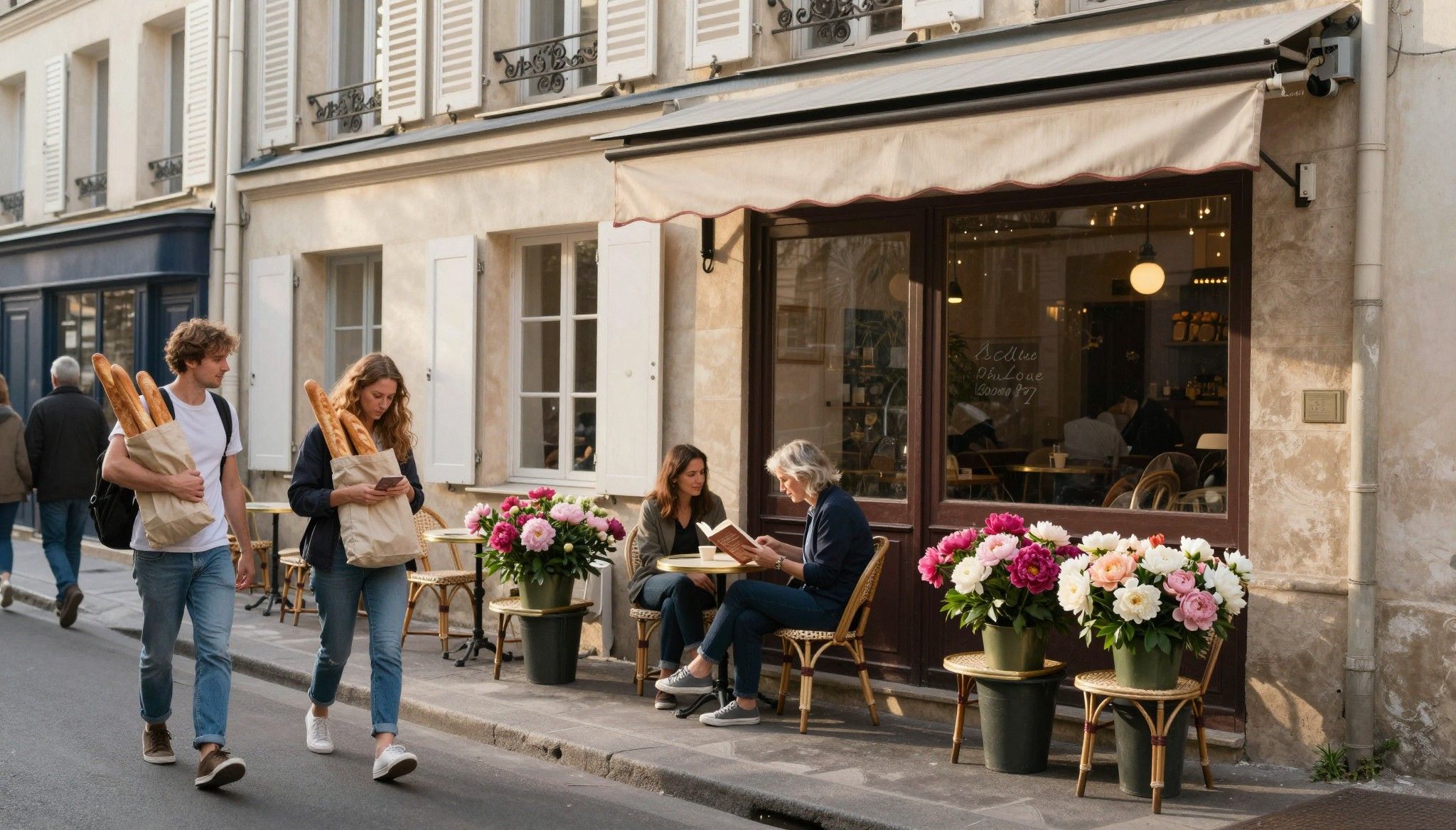
France is experienced at street level. In Paris you measure life by café terraces and boulangeries on the corner; in Bordeaux by Saturday marché routines on Rue Sainte‑Catherine; on the Riviera by late‑afternoon swims at Plage de la Garoupe. The rhythm shapes what you buy: a compact flat for city living, a village house with a courtyard in Provence, a terraced apartment with sea views on the Côte d’Azur. Seasonality matters — summer markets and festivals swell demand in coastal towns, while winter offers clearer views of bargain opportunities in less touristy places.
Paris: neighbourhoods that behave differently
Walk the Marais at 09:00 and you see boutique life; return at 18:00 and the area is quiet and residential. Montparnasse still holds its cafés; the 16th retains diplomatic calm. These microclimates change what matters in a purchase: soundproofing and double glazing in busy arrondissements, courtyard orientation and elevator access in Haussmannian buildings, and access to local marché hours if food culture is central to your day.
Coast and country: how seasons rewrite neighbourhood life
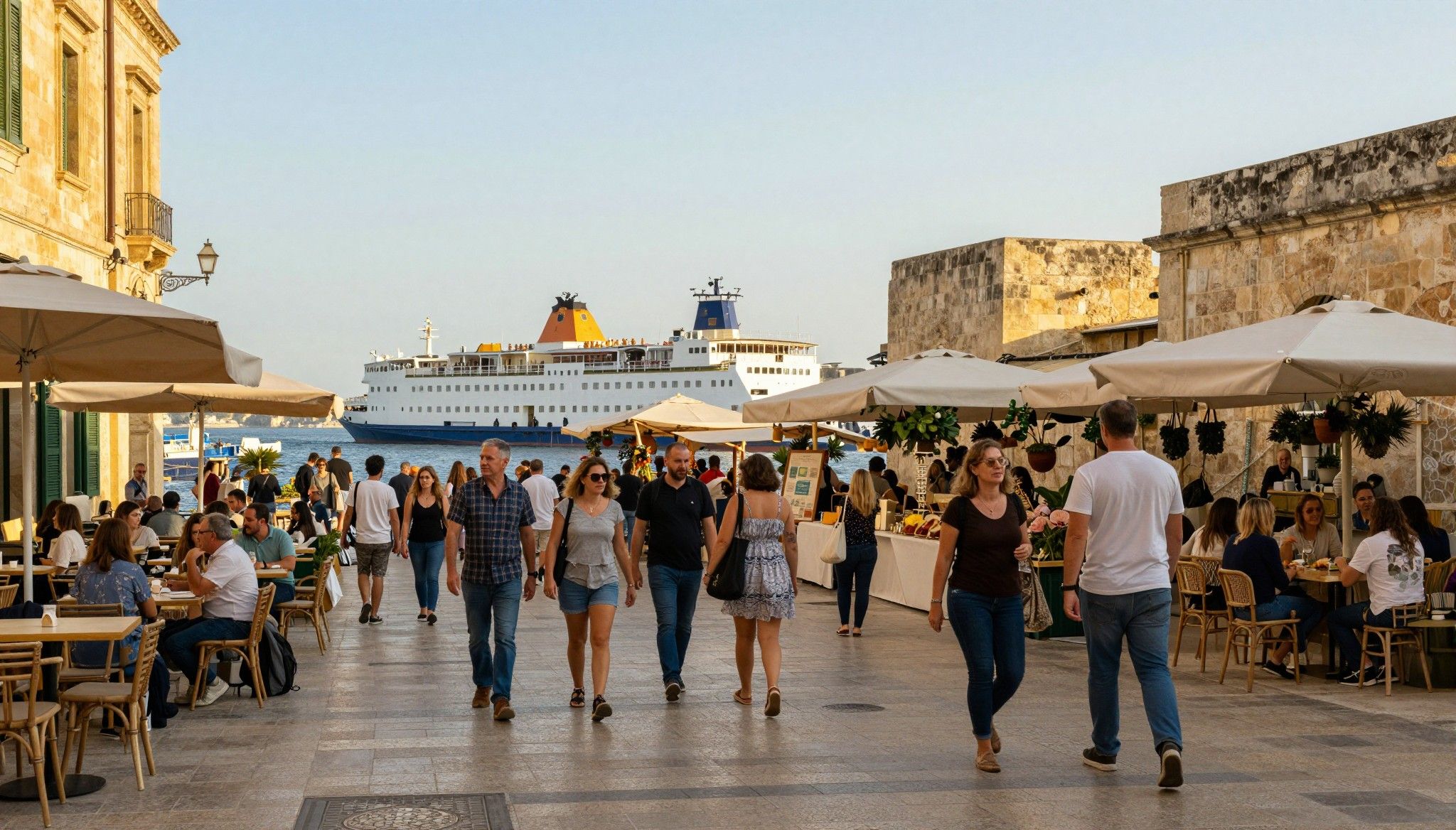
In Nice, St‑Tropez and Biarritz, summers magnify demand—and prices—while off‑season months reveal quieter streets and negotiating space. Inland, towns like Aix‑en‑Provence or Limoges offer year‑round routines where markets and local services maintain steadier values. For lifestyle buyers, that seasonal swing is part of the charm; for investors, it’s a volatility factor to measure against rental yield and management costs.
- Lifestyle highlights: real places, real life
- Morning cafè at Café de Flore (Saint‑Germain); weekly market on Cours Mirabeau (Aix‑en‑Provence); weekend oysters at Étienne’s stall, Cap Ferret; evening pétanque by Place Richelme (Aix); coastal swims from Plage de la Côte des Basques (Biarritz).
Making the move: practical realities that shape your lifestyle

Lifestyle choices collide with legal obligations. Owning in France brings recurring declarations, potential wealth tax exposure and capital gains rules that differ for non‑residents. These are not abstract: failing to declare assets or misreading social‑charge rules can erode returns or create penalties that sour the move. Use trusted local counsel and tax advice early; the paperwork is part of the price of living here.
Property styles – what they mean for daily life
A Haussmann flat offers high ceilings and centrality but often higher copropriété charges and strict renovation rules. A stone farmhouse in Dordogne gives land and quiet, but implies maintenance and heating costs. A modern seafront apartment may be low‑maintenance yet exposed to seasonal management and tourist rental constraints. Match the building type to how you intend to live there — full time, seasonal, or investment — and budget for the lifestyle overheads accordingly.
Working with local experts who preserve the life you want
A local agent who knows the quartier — the bakeries, the mairie, the syndicat de copropriété — saves time and prevents surprises. Notaires provide title checks; an architect can assess renovation constraints; a gestion locative firm will protect off‑season income. In practice, the best outcomes come from a small team: agent, notaire, tax adviser and a reliable local contact who understands day‑to‑day service providers.
- Steps that blend lifestyle and process
- 1) Visit neighbourhoods across seasons to test rhythms; 2) Commission a notarial title search before offers; 3) Get a local costed quote for renovations and ongoing charges; 4) Confirm tax treatment for non‑residents and IFI exposure; 5) Set up local management for rentals and maintenance.
Insider knowledge: common surprises and how to avoid them
Expats repeatedly tell the same stories: a charming apartment with unexpected copropriété debt; a seaside purchase that looks cheap until the insurance and seasonality costs are tallied; forgetting to declare IFI when thresholds are met. These are avoidable with early checks and transparent vendor disclosures. French sellers and notaires follow strict formalities — but the international data exchanges and recent enforcement mean errors are discovered more easily now than before.
Cultural norms that change the buy
In France negotiation culture is subdued; price reductions are smaller and offers are often presented with a formal constraint clause. Sellers expect paperwork and professional intermediaries; informal handshake deals are rare. Language matters—knowing basic French phrases at viewings and for contracts reduces friction. More importantly, local customs such as scheduled market days, municipal maintenance cycles and communal garden rules influence daily life more than glossy listings suggest.
Key risk factors to watch (and verify)
- Unregistered building work; hidden copropriété charges; incorrect land boundaries in rural purchases; seasonal rental restrictions in certain communes; social charges and capital gains rules for non‑residents that increase total tax on sale.
Practical takeaway: verify titles, request full copropecity accounts, confirm planning permissions, and get written estimates for recurring service charges. Treat disclosure gaps not as an oversight but as a negotiation point or a red flag.
Conclusion: The life you see is real—and so are the rules that govern it. France rewards patience: neighbourhood knowledge, seasonal visits and measured due diligence yield both joy and value. Start with lifestyle tests—markets, cafés, buses at 07:30—then layer in the checks: notaire search, tax advice on IFI and capital gains, and a local management plan. If you fall in love with Rue, village square or seafront morning, let a small, expert team protect that life on paper.
British expat who relocated to Marbella in 2012. Specializes in rigorous due diligence and cross-border investment strategies for UK and international buyers.