Where Cyprus Transparency Pays: Streets, Records, Risks
Cyprus offers sunlit lifestyle and uneven price trends; insist on clean title, local records and season‑aware valuation to turn romance into secure property value.

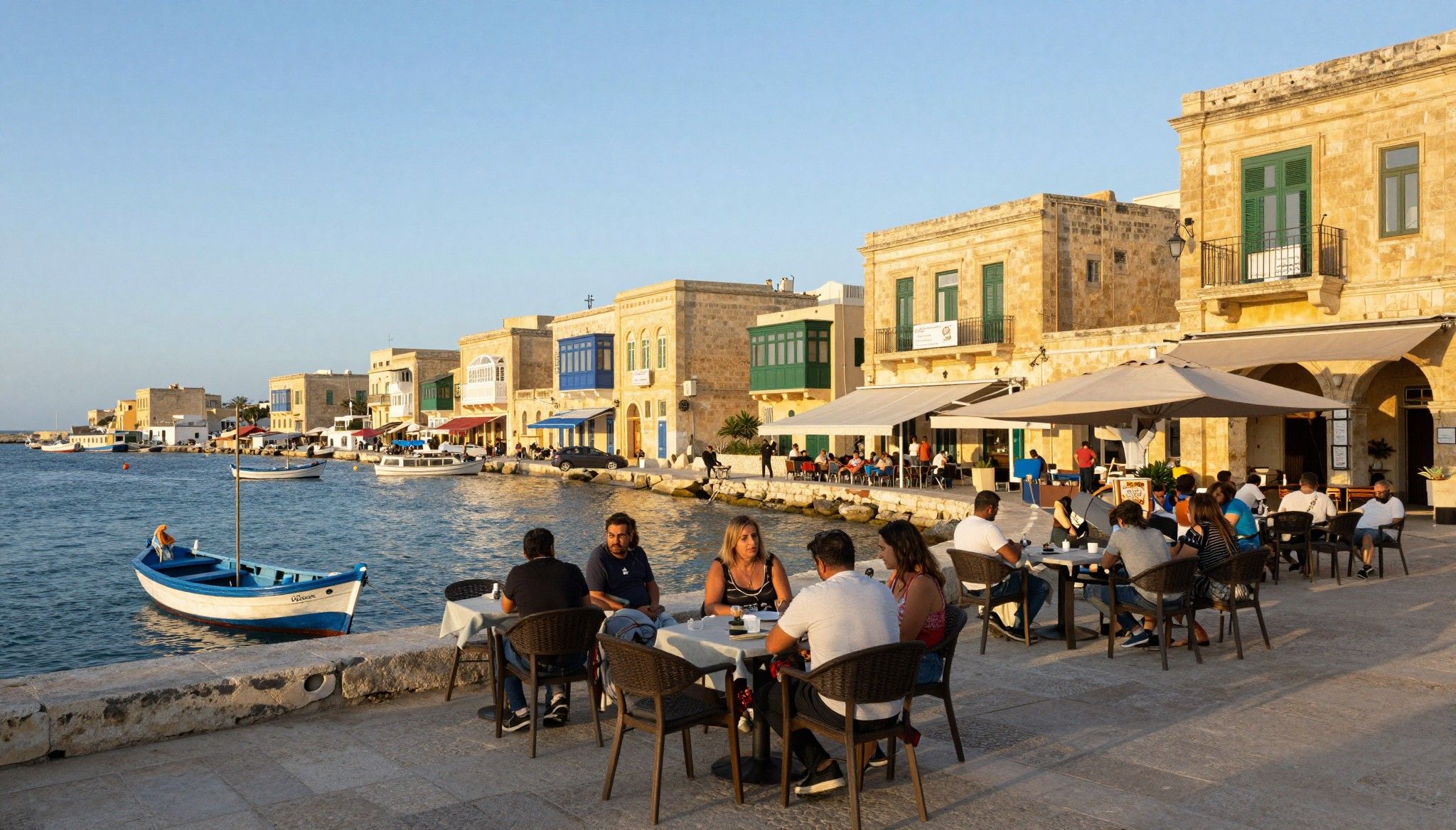
Imagine sitting at a marble table on Agiou Andreou in Limassol, espresso steaming, sailboats moving slow in the marina and a local telling you which streets still trade below headline prices. Cyprus looks like sunlit certainty from a postcard; the real picture is more textured. Price indices rose in recent quarters, but growth is uneven by district and property type. That unevenness is where transparency creates advantage — if you know where to look and what records to ask for.
Living the Cyprus lifestyle
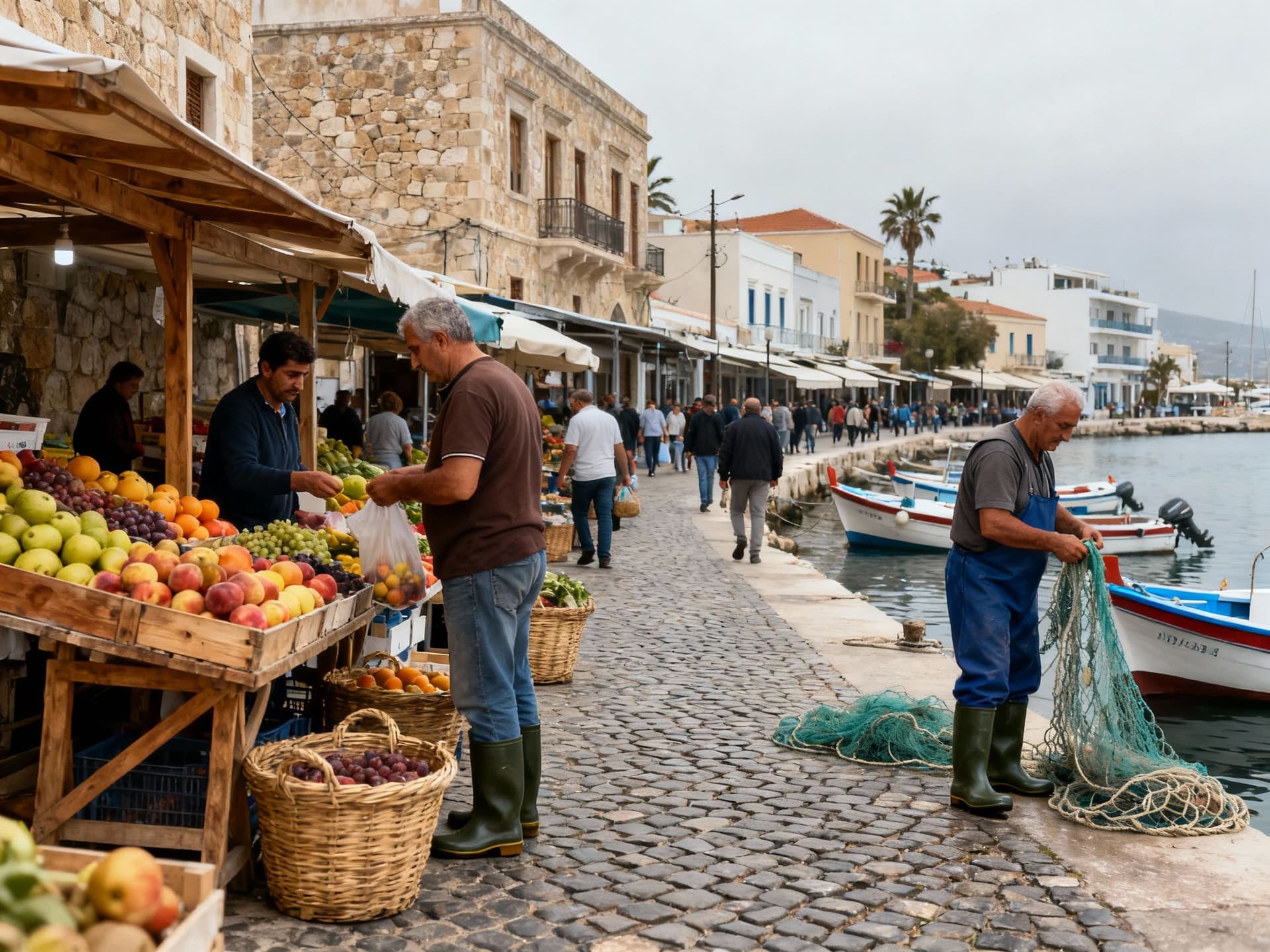
Cyprus is daily life on a small scale: morning markets, slow lunches, island roads that curve through hills and sea views that change with the light. Official indices show modest annual HPI changes recently, but that masks neighbourhood rhythm — Paphos, Limassol and Larnaca move differently. Living here means balancing beach mornings with village festivals in Polis or Kouklia and knowing that your choice of street can change both quality of life and legal clarity.
Neighbourhood pulse: Limassol, Paphos, Nicosia
Limassol’s marina and old town offer a social life of terraces, galleries and international restaurants. Paphos blends a quieter coastal life with a surprisingly active expat hub around Kato Paphos and Chloraka. Nicosia, inland and layered, is slower but structurally important for buyers seeking rental demand from professionals and students. Each district carries different disclosure practices and historical title nuances — what’s simple in Limassol can be complex in the north and in older rural plots.
Food, rhythm and seasonal life
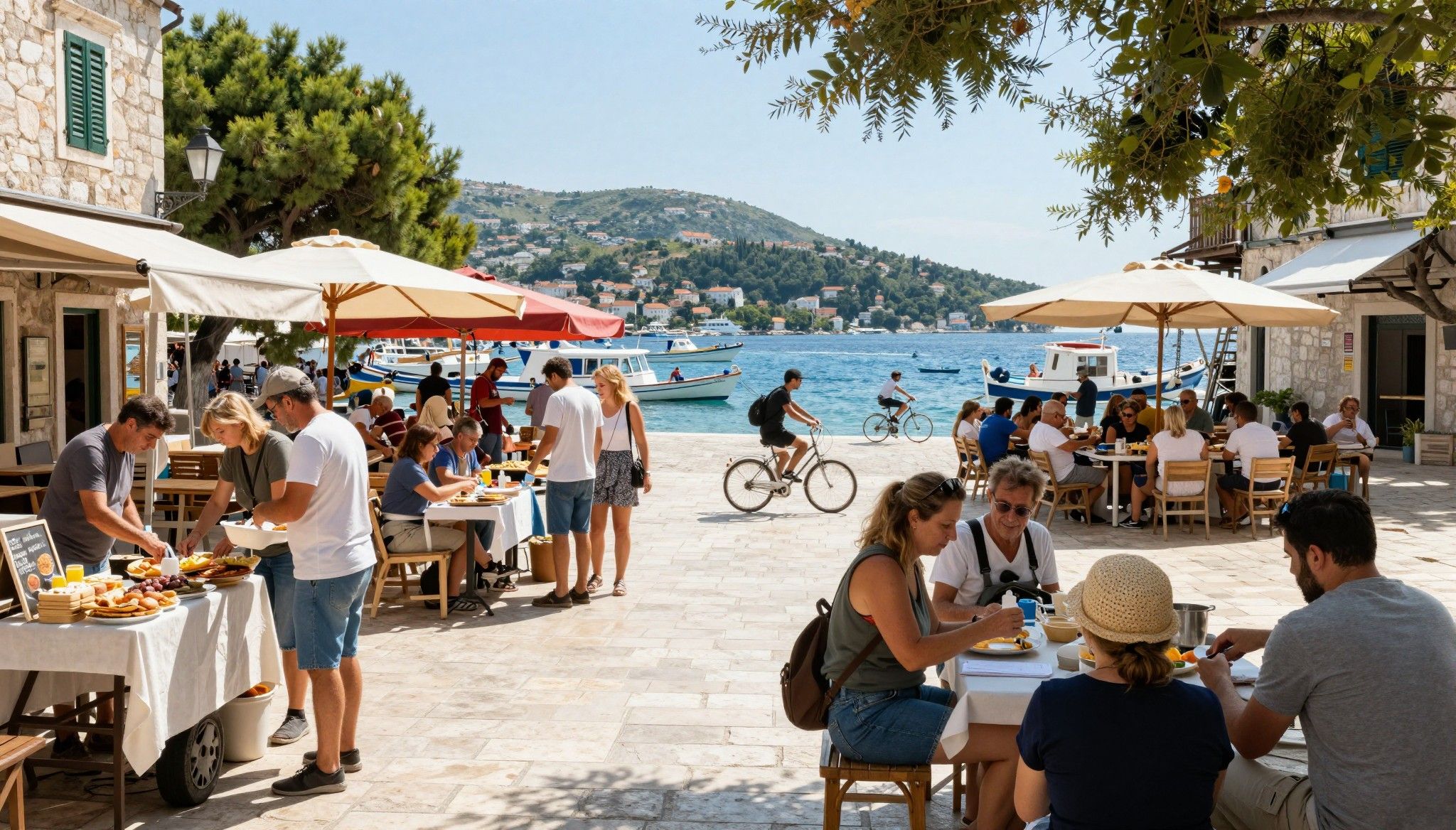
Weekends pivot on village tavernas, sea swims at Governor’s Beach or Fig Tree Bay, and long dinners that stretch into warm nights. In autumn and winter, the island tightens — local markets, chestnut festivals in the Troodos and quieter coastal towns reveal different living costs and rental patterns. Seasonal life affects occupancy, maintenance needs and short‑term rental returns — a house that earns in August may sit empty in January unless managed with local insight.
Making the move: practical considerations

The dream of terraces and early-morning markets needs to meet records: deeds, sales contracts, and the Department of Lands and Surveys filings. Recent central bank and statistical data confirm overall price growth, but they also show that house and apartment trends diverge. For buyers, the immediate duty is simple: document chain of title, last planning permissions, and any outstanding liens before you fall for a view. Transparency gaps on older plots and in properties near the Green Line remain the biggest practical risks.
Property styles and what they mean for life
Modern Limassol apartments give convenience and proximity to cafes but often carry homeowners’ association rules and higher running costs. Traditional village houses in Omodos or Kakopetria offer character and lower purchase prices but require renovation, reliable utilities and clear cadastral records. Coastal villas give outdoor living and rental potential but demand attention to coastal planning restrictions and soil/storm resilience. Choose a style that matches how you’ll spend your days, not just postcards.
How local experts help (step-by-step)
1. Verify title and encumbrances with the Department of Lands and Surveys and request past sale contracts. 2. Commission a local surveyor to confirm boundaries, built area and planning permissions. 3. Ask an attorney to check tax clearances, inheritance claims and any north/south historical claims related to the property. 4. Use an agency with on-the-ground knowledge of the neighbourhood to test fair market value against recent filings and bank mortgage approvals.
Insider knowledge: red flags and unexpected advantages
Some of the island’s trickiest transparency issues arise from contested or poorly documented properties — especially those linked to the breakaway north. Recent prosecutions and enforcement actions have made that risk clearer to international buyers. Conversely, the visible advantage is straightforward: where records are clean and local authorities publish filings, price negotiation becomes an evidence-based exercise rather than a guessing game. Insist on documentary proof of chain of title; avoid properties with ambiguous advertising or offshore marketing.
Cultural and social rules that affect buying
Cypriot sellers often negotiate informally and expect patience; offers that are rushed or over-formal can slow trust. Language is not a barrier — English is widely used — but local customs about family consent on inherited plots can create hidden heirs. Social networks matter: a recommendation from a neighbourhood kafeneio can open records or reveal past disputes faster than search queries. Use an agent who sits in both worlds: fluent in English and connected locally.
Practical transparency checklist
Request certified deed copies and the last three sale contracts. Check Department of Lands and Surveys entries for liens or mortgages. Insist on as-built plans and planning permissions. Commission an environmental/site survey if near coastline or old industrial sites. Verify tax clearance and utility account standing with local authorities.
What expats wish they'd known
Expats often tell us they underestimated the time required for clear title work, and overestimated the ease of renovating “character” houses. Many found that a local notary, a reliable surveyor and a neighbourhood agent were the difference between a good purchase and an expensive lesson. The best purchases paired a clear legal file with a quiet street where neighbours cared about maintenance — you pay less for a clean paperwork trail than for a glossy marketing brochure.
Longer view: value, risk and the seasons ahead
Official indices show moderate annual gains into 2025, but Cyprus will continue to be a market of micro‑cycles rather than a uniform rise. Coastal demand, planning permissions for new resorts, and bank lending standards will shape pockets of growth. For international buyers, the disciplined approach is to buy where transparency is measurable: recent filings, clear planning history and accessible neighbours who can confirm changes to a property.
Steps to act with confidence (numbered)
1. Shortlist streets or villages using sales filings and local price indices. 2. Commission title checks and an on-site survey before making offers. 3. Build a local team: agent, surveyor, lawyer and property manager. 4. Negotiate with documentary evidence — recent sale prices, permitted floor area and tax statements. 5. Reserve funds for immediate maintenance and seasonal vacancy costs.
Local agency role: lifestyle advisor, records guardian
A good local agency does two things well: it reads the lived rhythm of a street and it verifies the ledger behind each property. For international buyers this dual role is crucial — you want a neighbourhood that fits your life and a file that stands up to scrutiny. Ask agencies for examples where they resolved dispute points or uncovered missing permissions; that experience is more valuable than glossy listings.
Conclusion: Fall for Cyprus, but buy with records. The island offers an accessible, textured life of beaches, markets and village festivals. That life is best secured by evidence: clear deeds, recent planning records and local professionals who can translate neighbourhood rhythm into reliable value. Start by shortlisting streets where records are public and recent sales are documented, commission the checks above, and let local expertise turn lifestyle aspiration into a defensible purchase.
Norwegian market analyst who serves Nordic buyers with transparent pricing and risk assessment. Specializes in residency rules and tax implications.