Buy Cyprus Off‑Season: How Summer Skews Value
Summer listings in Cyprus often mislead international buyers; use quarterly HPI, district transactions and off‑season viewings to see true value.
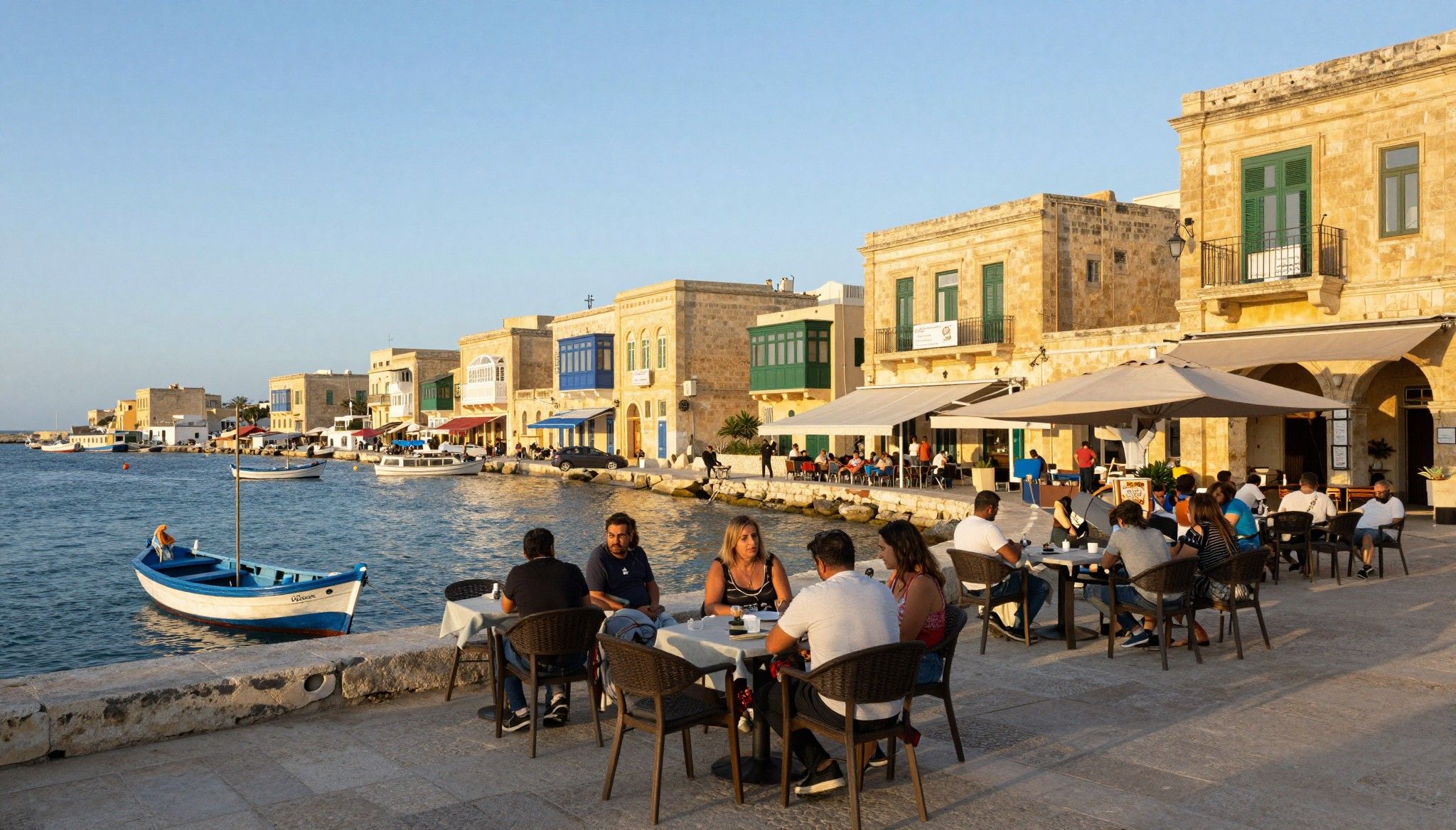
Imagine sipping an espresso on a shaded table in Limassol’s old port, then walking ten minutes to find a modern seafront apartment listing that looks expensive in July and strangely affordable in November. Cyprus compresses two markets into one: the summer headline market, loud with tourists and short-term demand, and the quieter off-season market where price signals are cleaner. This guide explains why the island’s peak-season frenzy often misleads international buyers, what the data actually says, and how to use seasonal insight to make a better purchase.
Living the Cyprus lifestyle
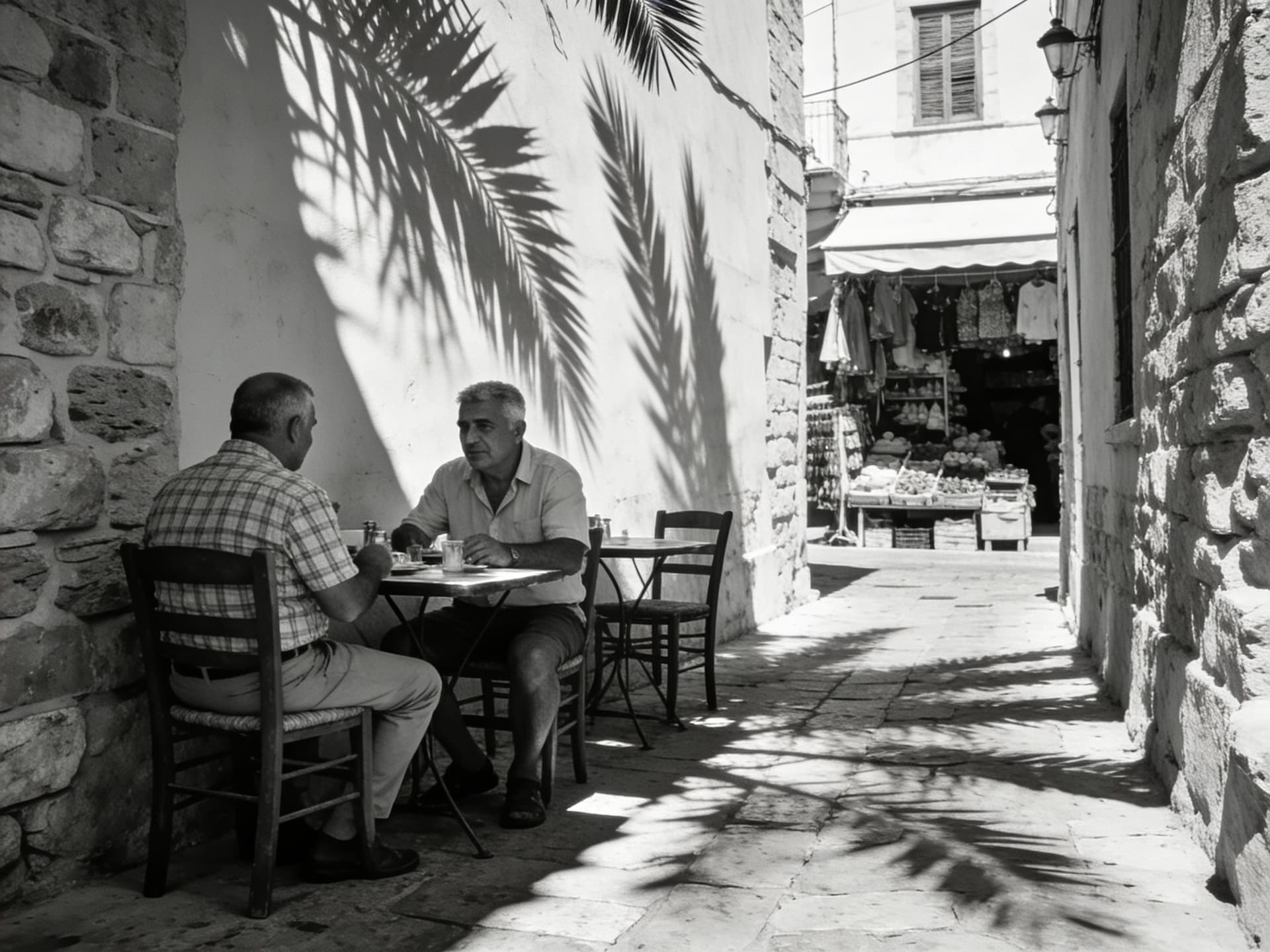
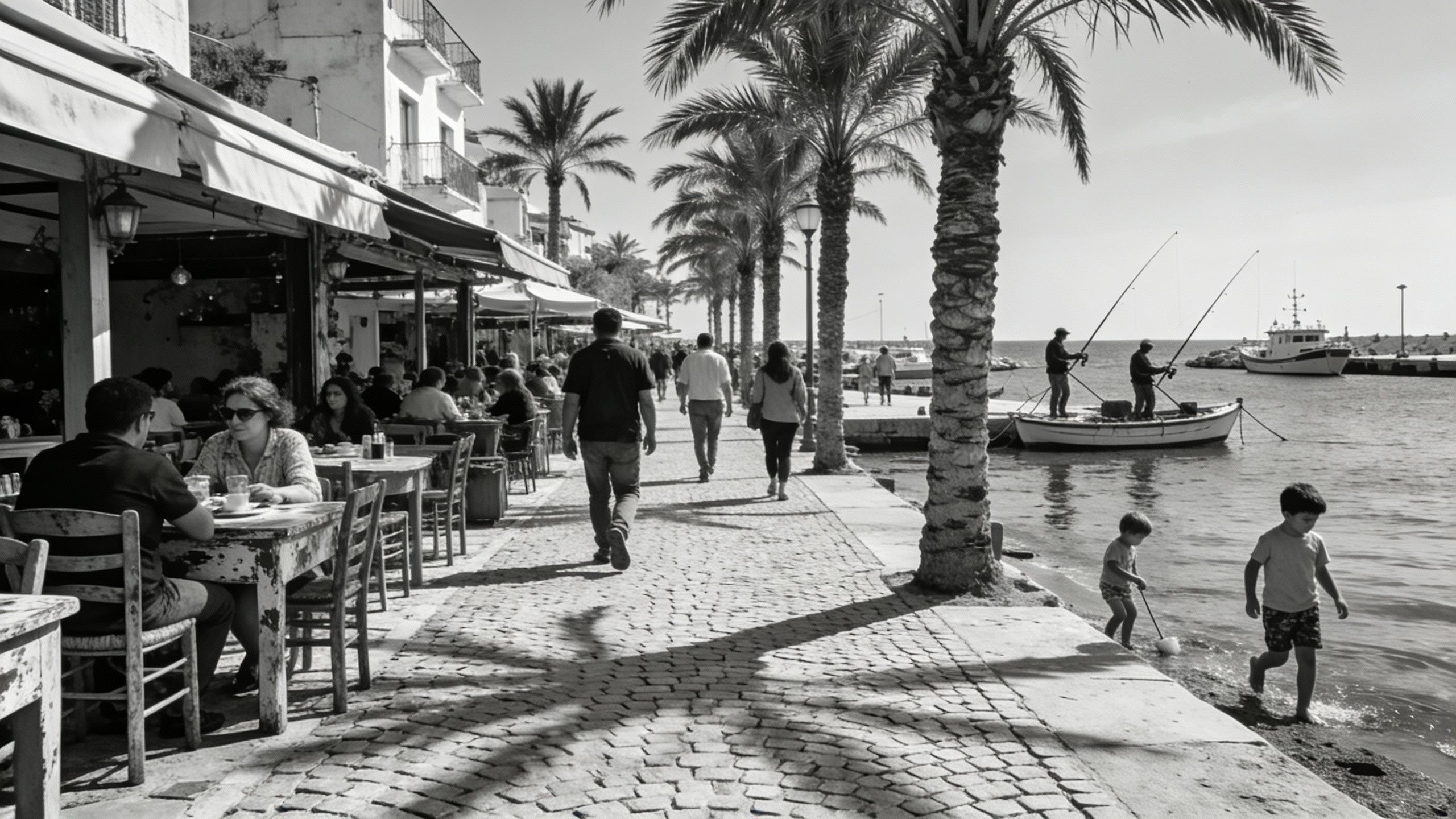
Life in Cyprus moves at Mediterranean rhythms: morning markets, late lunches, and evenings that spill onto tavernas. The island is compact — Limassol’s cosmopolitan cafes, Nicosia’s shaded neighbourhood squares, Larnaca’s palm-lined Finikoudes and Paphos’s winding harbour are each only an hour or two apart by car. That proximity makes lifestyle choices central to price: coastal eating and nightlife cluster demand seasonally, while hilltop villages offer steady, year-round value.
Limassol harbour, old town and Molos
Limassol blends a working port, restored old town streets and new seafront developments. Morning coffee at Agora Café or a walk along Molos gives a different sense of place from the shiny new towers on the seafront — and each attracts different buyers. If you want nightlife and restaurants, expect higher list prices and stronger short-term rental competition; for quieter residential life, streets behind the old town offer better long-term value.
Paphos and village life
Paphos has become the island’s counterpoint to Limassol: a mix of UNESCO heritage, coastal promenades and inland villages where renovation projects are common. Paphos shows stronger house-price growth in recent data, partly driven by buyers seeking space and lifestyle rather than short-term lets. For buyers drawn to slower routines — morning markets in Kouklia, evenings at Geroskipou tavernas — the district often offers an easier path to value appreciation.
- Morning espresso at Agora Café (Limassol); evening meze at Geroskipou (Paphos); Finikoudes promenade strolls (Larnaca); Nicosia’s Ledra Street for late-night cafés; Kouklia market on Saturdays; Cape Greco coastal walks.
Making the move: practical considerations
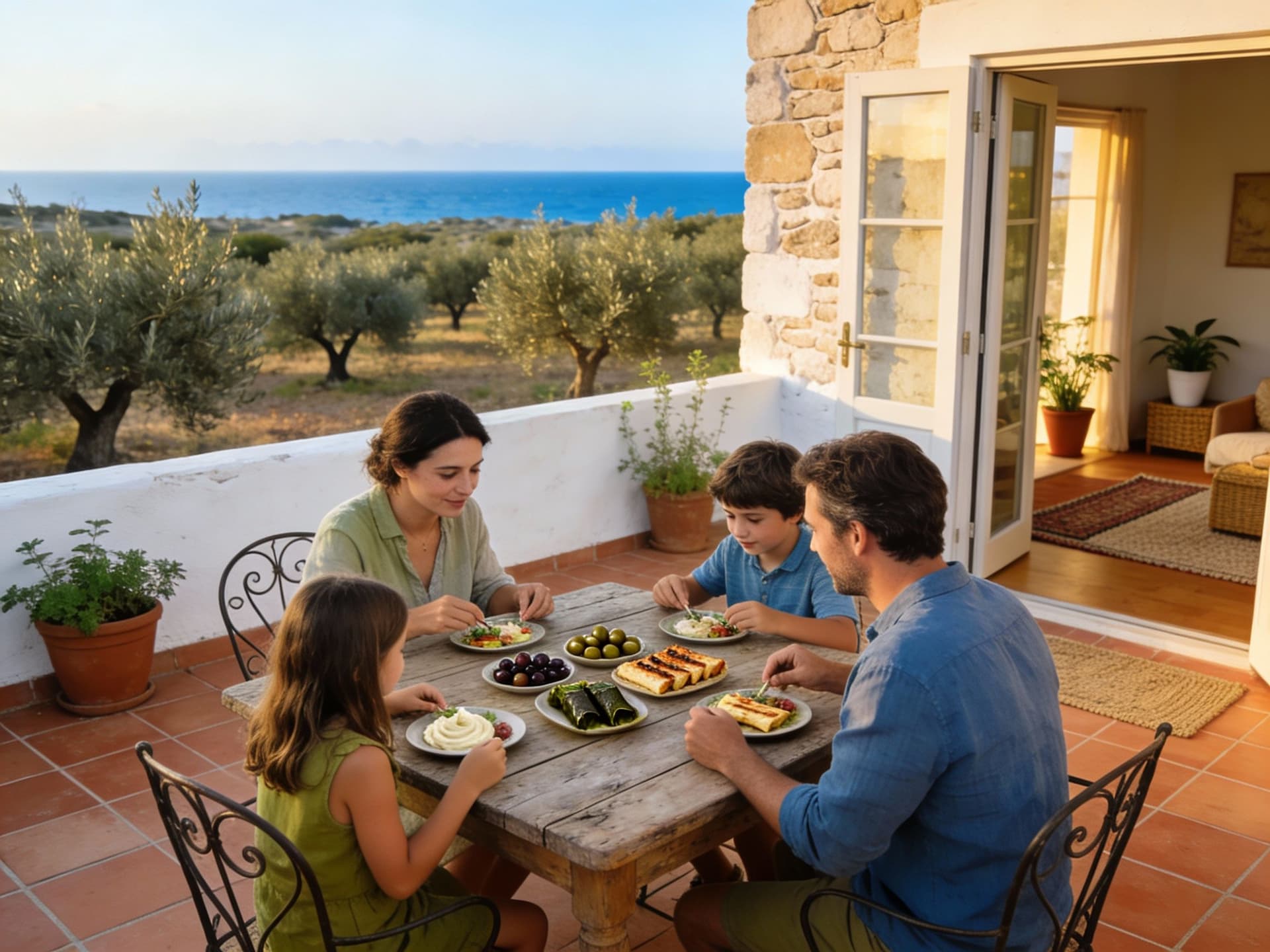
Practical buying starts by reading the right data. Cyprus’s House Price Index shows modest year-on-year increases — around 1–2% in recent quarters — with district variation (Paphos higher, Nicosia subdued). Transaction patterns reported by PwC and local market analysts indicate foreign buyer activity is uneven; some coastal districts saw slower foreign purchases in 2024 despite strong local demand. Those facts matter when you decide whether a headline summer price reflects sustainable value or seasonal heat.
Property styles and what they mean for lifestyle
New seafront apartments are marketed for rental yields and summer lifestyle. Traditional stone houses up in Troodos or in Paphos hinterland sell a slower rhythm: more maintenance, but less volatility. If you want year-round living and community integration, prioritise street-level resale flats and older houses in established neighbourhoods. If seasonal rental income is essential, focus on seafront units with documented short‑let histories and professional property management.
Working with local experts who know the seasons
- 1. Ask agents for quarter-on-quarter transaction counts, not just asking prices: summer lists can overstate true sale rates. 2. Request district-level HPI figures and recent deeds data to confirm advertised appreciation. 3. Insist on seeing utility records or short-let licences where rental income matters. 4. Use off‑season viewings (autumn/winter) to see wear, noise and community life that summer masks. 5. Check building permits and supply pipeline — new seafront supply can flood a micro-market within two years.
Insider knowledge: what expats wish they'd known
Expats often tell the same story: they bought in July, loved the atmosphere, then discovered problems in autumn — noise, construction, or thinner rental seasons. The island’s true year-round character reveals itself outside the tourist season. That’s when neighbourhoods coalesce, schools start, and the local services you depend on either exist or don’t. Buying with that fuller picture reduces buyer’s remorse.
Cultural integration and daily life
English is widely spoken in Cyprus, but local customs shape daily life: long lunches, Saturday markets, and church festivals in villages. Integrating means learning where the weekly market is, finding the local baker, and timing property visits around the agricultural calendar in rural districts. These small practices change which properties feel like home and which become weekend rentals.
Long-term lifestyle and investment trade-offs
- Buy to live: prioritise community, walkability, services, and winter comfort. Buy to rent short-term: prioritise seafront location, documented occupancy and property management. Buy to renovate: prioritise inland villages with lower entry prices and looser planning constraints. Buy for capital growth: focus on districts with infrastructure projects and limited new seafront supply.
Conclusion: Fall in love with the life, not the July listing. Use district HPI and transaction data to temper summer impressions. Schedule off-season visits, demand documentary evidence of rental performance, and work with agents who can show you both the tourist season and the quieter months. Do this and you buy a lifestyle that endures, not an Instagram moment that fades with the season.
Dutch relocation advisor who moved to Marbella in 2016. Guides Dutch buyers through visa paths, relocation logistics, and balance of lifestyle with value.