The Coastal Price Myth: Where Croatia’s Value Hides
Coastal headlines hide inland value. Regional HPI and asking‑price data show where lifestyle and sensible pricing meet across Croatia — pick seasonally and locally.
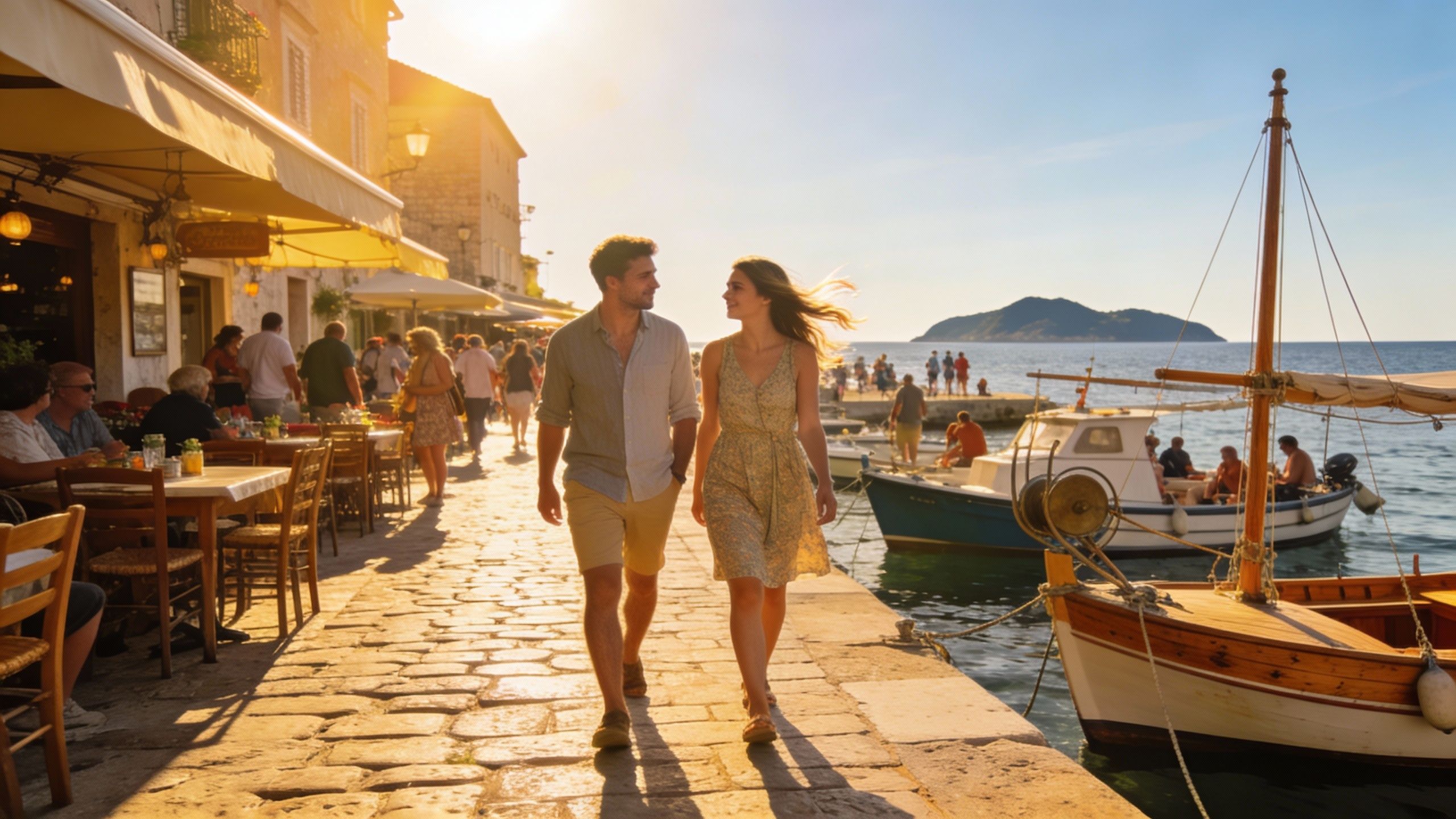
Imagine waking to espresso steam in a stone courtyard in Rovinj, then trading the Adriatic light for a quiet forested terrace in continental Croatia by late afternoon. Croatia’s coastline gets the postcards — and the headlines — but the full story of price, lifestyle and value is more complicated than "coast = expensive, inland = bargain." According to recent market analysis, prices rose sharply in 2024, yet regional patterns and asking‑price data reveal pockets where lifestyle and value meet, quietly.
Living the Croatian life — more than a shoreline
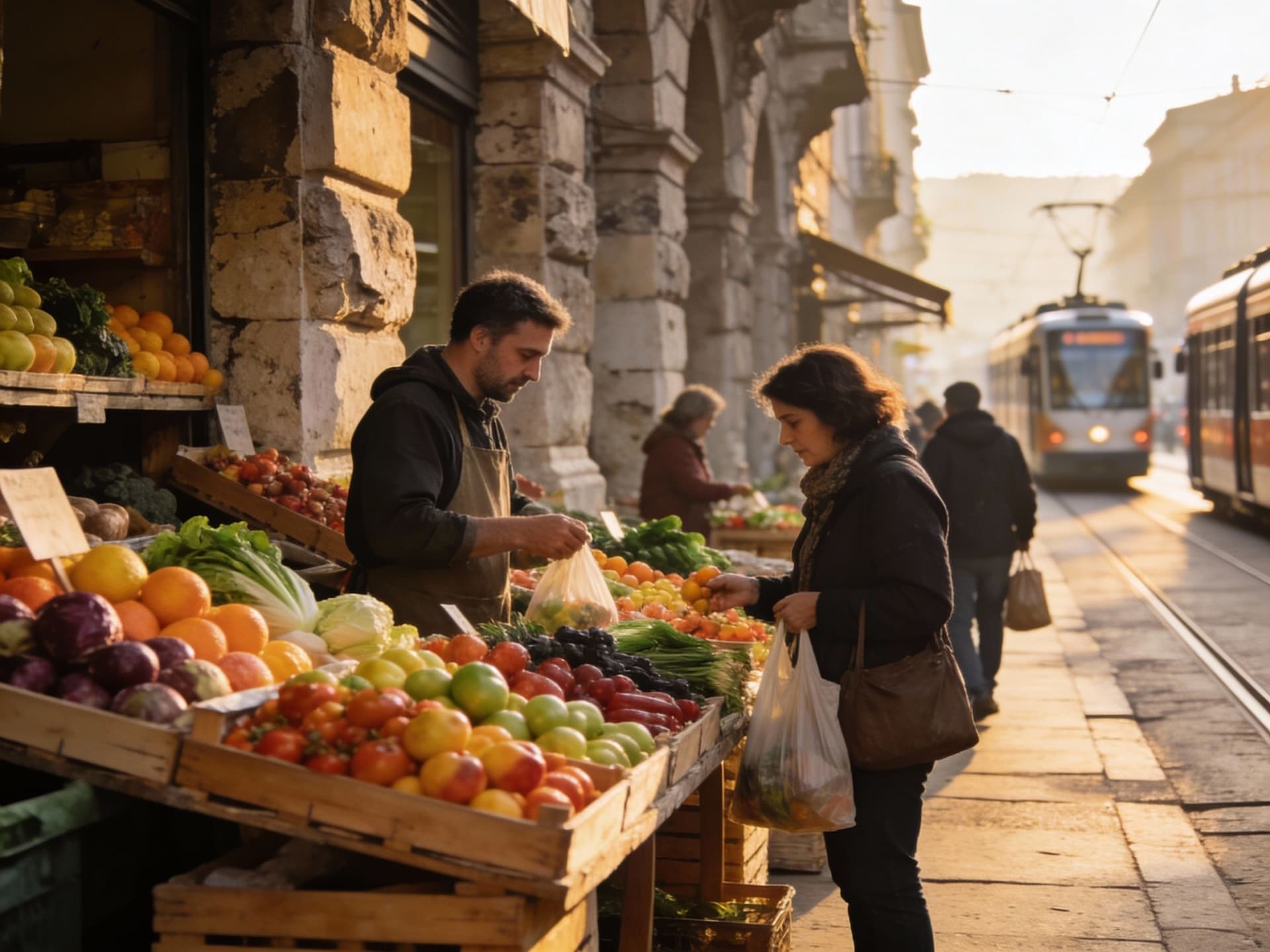
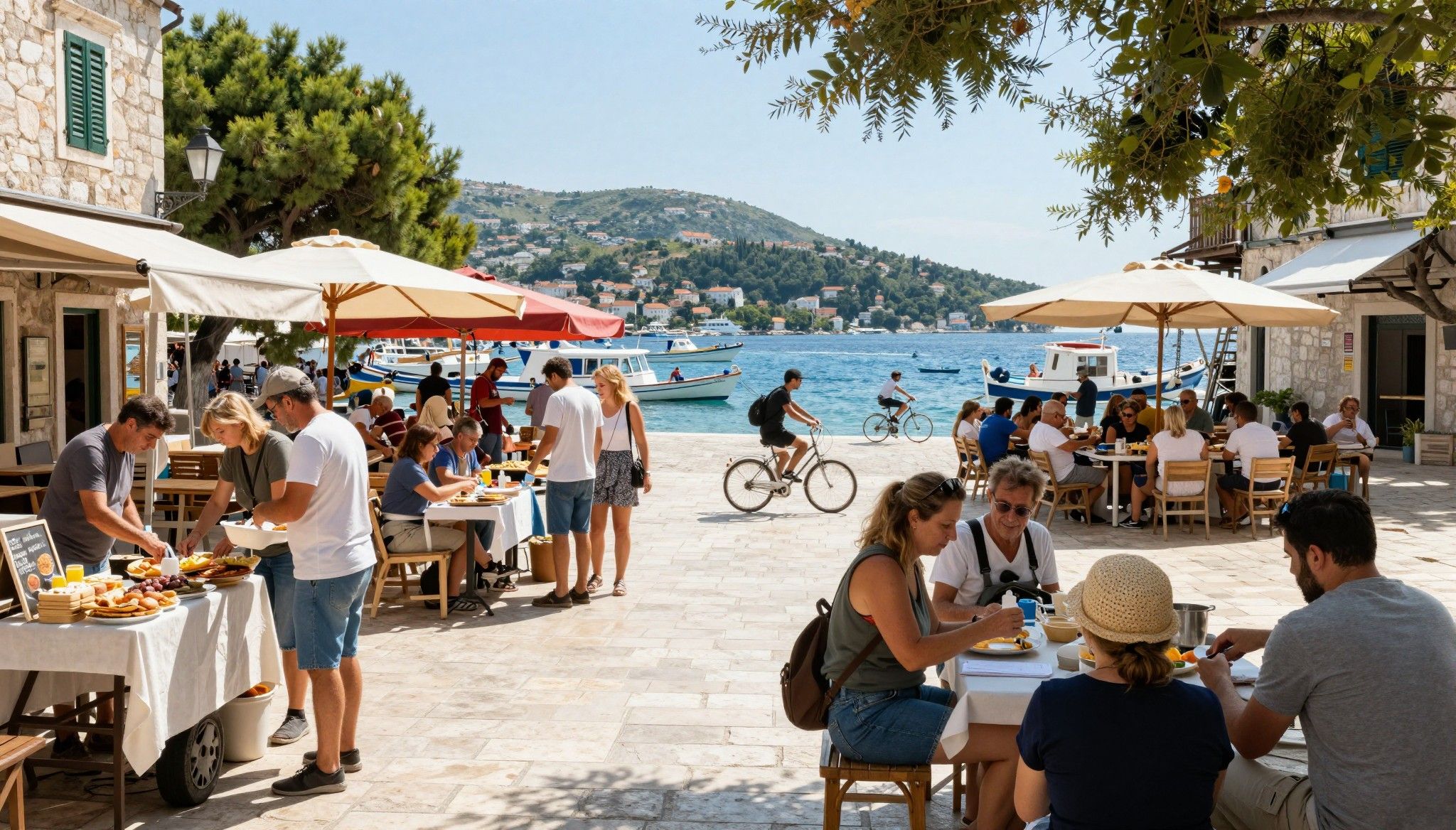
Croatia feels cinematic: limestone alleys in Dubrovnik, café culture in Split’s Varoš, and sleepy fishing harbours in Šibenik. But daily life is textured — morning markets (Dolac in Zagreb), neighborhood konobas (family taverns) in Istria, summer festivals on tiny islands, and long winters inland where communities knit close. For buyers, that means your weekend routine — markets, beaches, hikes, or city galleries — should drive where you look as much as headline prices.
Coastal signatures: Dubrovnik, Split, Rovinj
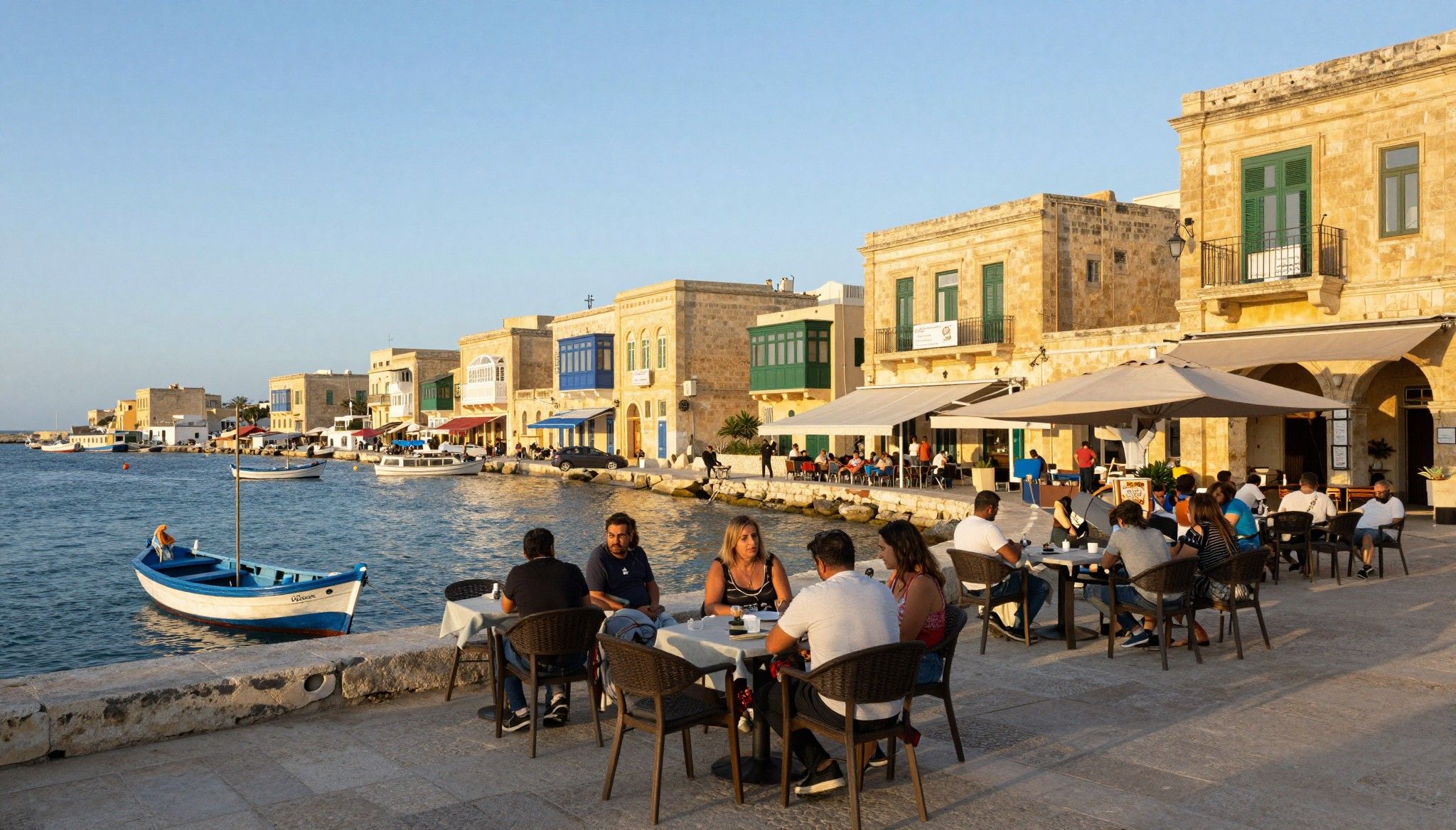
Yes, Dubrovnik and parts of Istria carry a premium. Dubrovnik’s UNESCO old city and limited supply push asking prices above €3,500–€4,000/m² in many pockets; Split blends a city rhythm with easy island access; Rovinj’s galleries and Venetian lanes attract lifestyle buyers who prioritise walkability and sea views. Expect narrow lanes, seasonal tourism flows and properties that perform well for holiday lettings — if you manage them carefully.
Inland surprises: where value and life converge
Contrary to the simple coastal‑expensive myth, asking price datasets show strong growth inland too — but from a much lower base. Counties like Međimurje and parts of Slavonia saw steep percentage rises in 2024 while still offering square‑metre prices under €700. For lifestyle buyers seeking space, gardens and authentic village life, these areas can deliver a very different Croatian dream for a fraction of the coast’s headline cost.
Making the move: market signals that actually matter
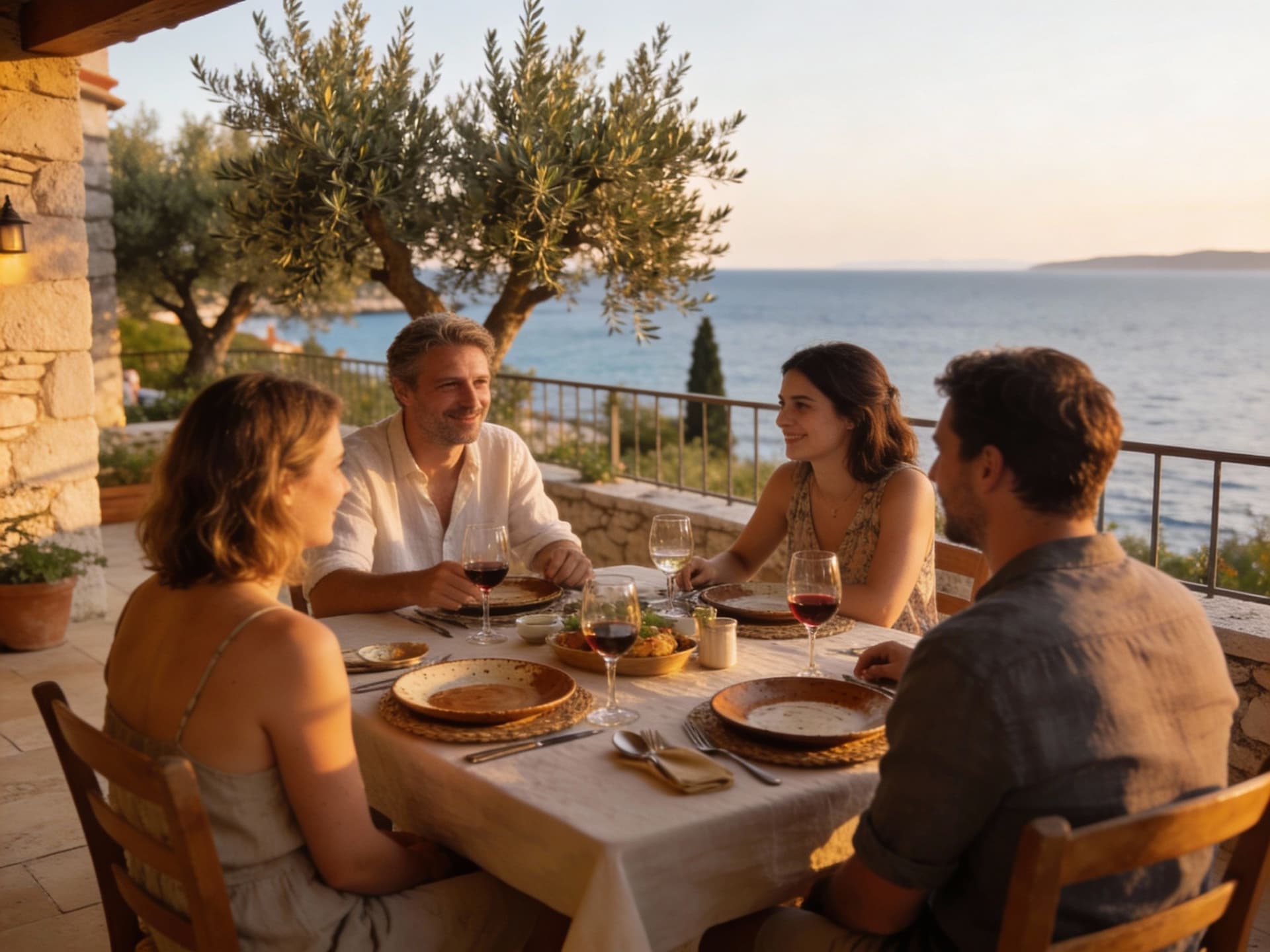
National statistics show Croatia’s house price index climbed around 10% year‑on‑year in late 2024 — faster in many non‑coastal towns according to DZS — but averages mask local reality. The Adriatic coast grew strongly, yet so did the "Other" areas at times, driven by local demand, limited stock, and renovation interest. Use regional indices, not national averages, when judging whether a town is overbought.
Property types and what they mean for life
Stone town flats offer instant walkability and rental potential; modern apartments in Zagreb give year‑round city life and better services; detached houses inland deliver gardens and lower running costs. Think beyond square metres: maintenance, heating (continental winters), and access in shoulder seasons change how a property feels from October to May.
Work with experts who know seasons and supply
A local agent who lives the seasonality — one who can show you how a village quiets in November and how occupancy swells in July — is indispensable. They’ll flag listings that look great in July photos but are impractical in winter (narrow access roads, single‑source water, minimal insulation). Treat agents as lifestyle translators, not just listing sources.
- Tips that blend lifestyle + practical checks
- Check winter access and heating costs for stone houses.
- Compare tourist rental income vs. long‑term yield in your target town.
- Ask for multi‑year utility bills and condo fees before bidding.
- Factor renovation timelines: stone restorations need specialist trades.
Insider knowledge: what expats wish they’d known
Expats often tell us the same surprise: buying is easier than integrating. You can buy an Adriatic apartment quickly, but finding neighbours, navigating local services, and making year‑round life work is different. Croatian millennials often stay with family longer due to price pressures — a reminder that local incomes and community rhythms influence neighbourhood life and long‑term rental markets.
Language, community and daily rituals
Basic Croatian goes far: a few phrases open doors at markets and konobas. Weekends are for coastal swims, olive‑oil shopping in Istria, or city concerts in Zagreb. Local clubs, church festivals and farmer markets are where neighbours meet — not property portals — so spend time in the town you want to buy in across seasons.
Long‑term thinking: maintenance, community, returns
Expect rising prices in 2023–24 to moderate; DZS shows double‑digit annual growth but also faster increases in "Other" regions — meaning inland areas may catch up. Prioritise properties with adaptable uses: liveable and rentable, easy to maintain, and close to basic services. That’s where lifestyle sustainability and sensible returns intersect.
- Steps we recommend before making an offer
- 1) Review regional HPI trends rather than national averages; DZS publishes quarterlies.
- 2) Visit across seasons—see the town empty in winter and full in summer.
- 3) Get three quotes: structural inspector, local builder and property manager.
- 4) Ask your agent for historical asking vs. sold prices in the micro‑neighbourhood.
- 5) Budget for seasonal operating costs — higher utilities in inland winters, higher upkeep for seafront façades.
Conclusion: Don’t buy the coastline story; buy the life you want. Croatia’s coastal towns are rightly prized, but the value story is regional and personal. Use official HPI data and local asking‑price trends to find where price growth and lifestyle align, visit across seasons, and work with agents who understand both the market math and the life you imagine. That’s how you end up with a place that feels right all year, not just in August.
British expat who relocated to Marbella in 2012. Specializes in rigorous due diligence and cross-border investment strategies for UK and international buyers.