Croatia: Lifestyle Signals Behind Rising Prices
Croatia’s coastal premium meets year‑round city life. Recent official data show rising prices—align lifestyle choice with local indices and rental rules before you buy.
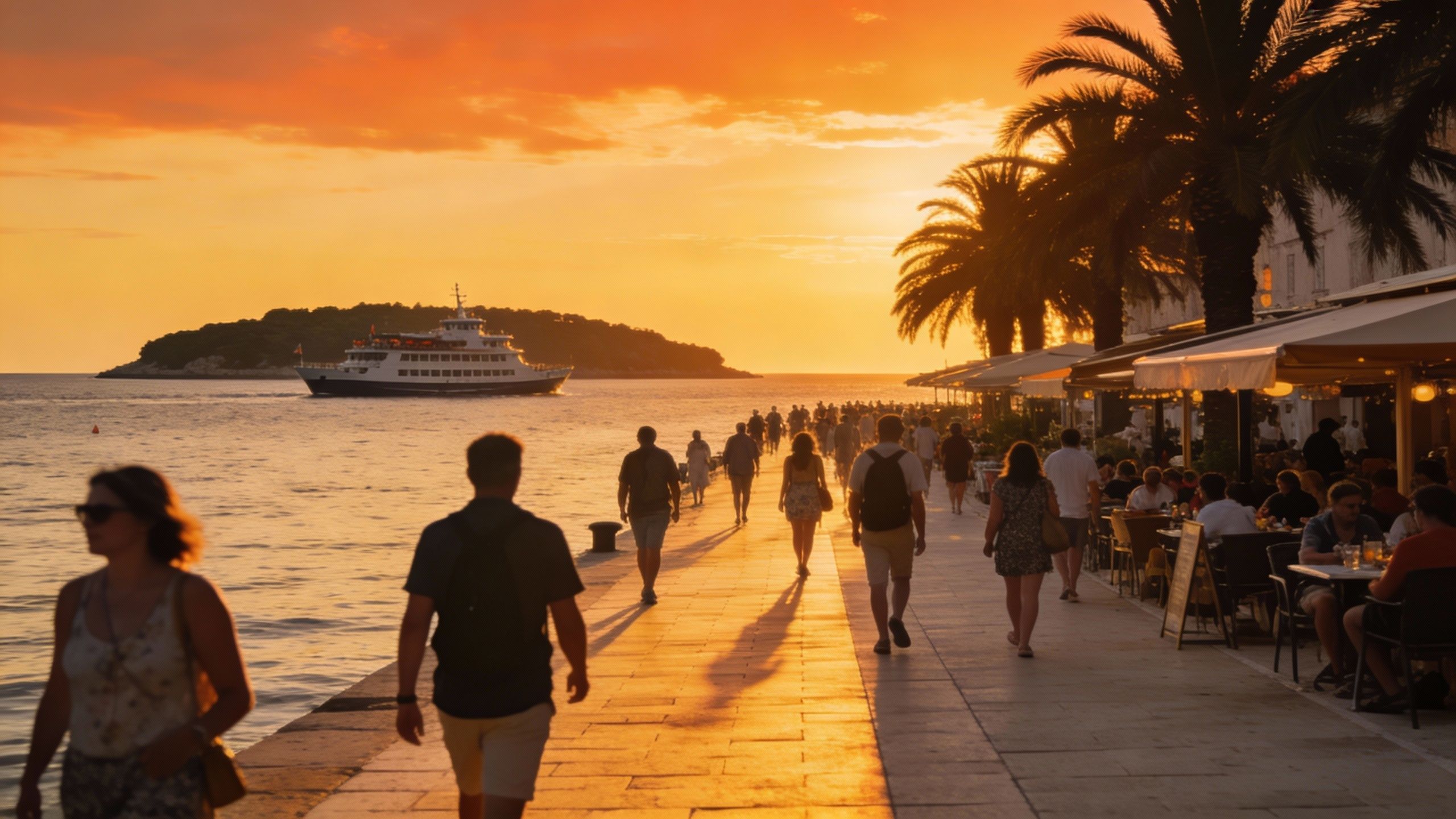
Imagine sipping espresso on Zagreb’s Ilica at 9am, then a short ferry ride to a Dalmatian cove by sunset. Croatia lives in contrasts: refined city mornings, sun-baked stone alleys, and islands where time bends. That dual rhythm shapes value—city apartments trade liquidity for year-round life; coastal houses deliver season-driven yields. For buyers, the romance is real, and so are the market forces beneath it.
Living the Croatia lifestyle

Croatia’s everyday feels tactile: market stalls in Dolac, late-night konobas in Split’s Veli Varos, cyclists threading Istria’s hill roads. Summers pulse with tourism along the Adriatic; autumns and springs reveal quieter, cheaper discovery windows. Climate, food and place—fresh fish, black truffles in Istria, and coastal promenades—directly affect which properties hold lifestyle value and which are purely speculative.
Zagreb: a four‑season city life
Zagreb is not a coastal postcard but it offers steady daily life: coffee culture on Tkalčićeva, art-house cinemas, and reliable year‑round rental demand from students and professionals. Central apartments near Donji Grad are best for buyers seeking stable rents and easier property management. Expect higher transaction friction for period buildings due to restoration needs, but steadier occupancy outside the tourist cycle.
Dalmatian coast & islands: seasonal value and tradeoffs
Split’s Diocletian quarter, Dubrovnik’s Old Town, Hvar’s harbour—these places command premiums during summer and are quieter off-season. Coastal properties can yield high short-term income but face legal and regulatory tightening around short-term lets. Buyers should weigh gross asking prices against likely net income after restrictions, vacancy outside high season, and higher maintenance for stone and seafront buildings.
- Lifestyle highlights — local places that shape property appeal: • Dolac Market, Zagreb — daily freshness and neighbourhood pulse • Bačvice beach, Split — summer energy for rental demand • Old Town, Dubrovnik — tourism premium and strict planning rules • Motovun, Istria — truffle-foraging culture and agritourism potential • Korčula town square — island community life and slow-season appeal
Making the move: practical considerations
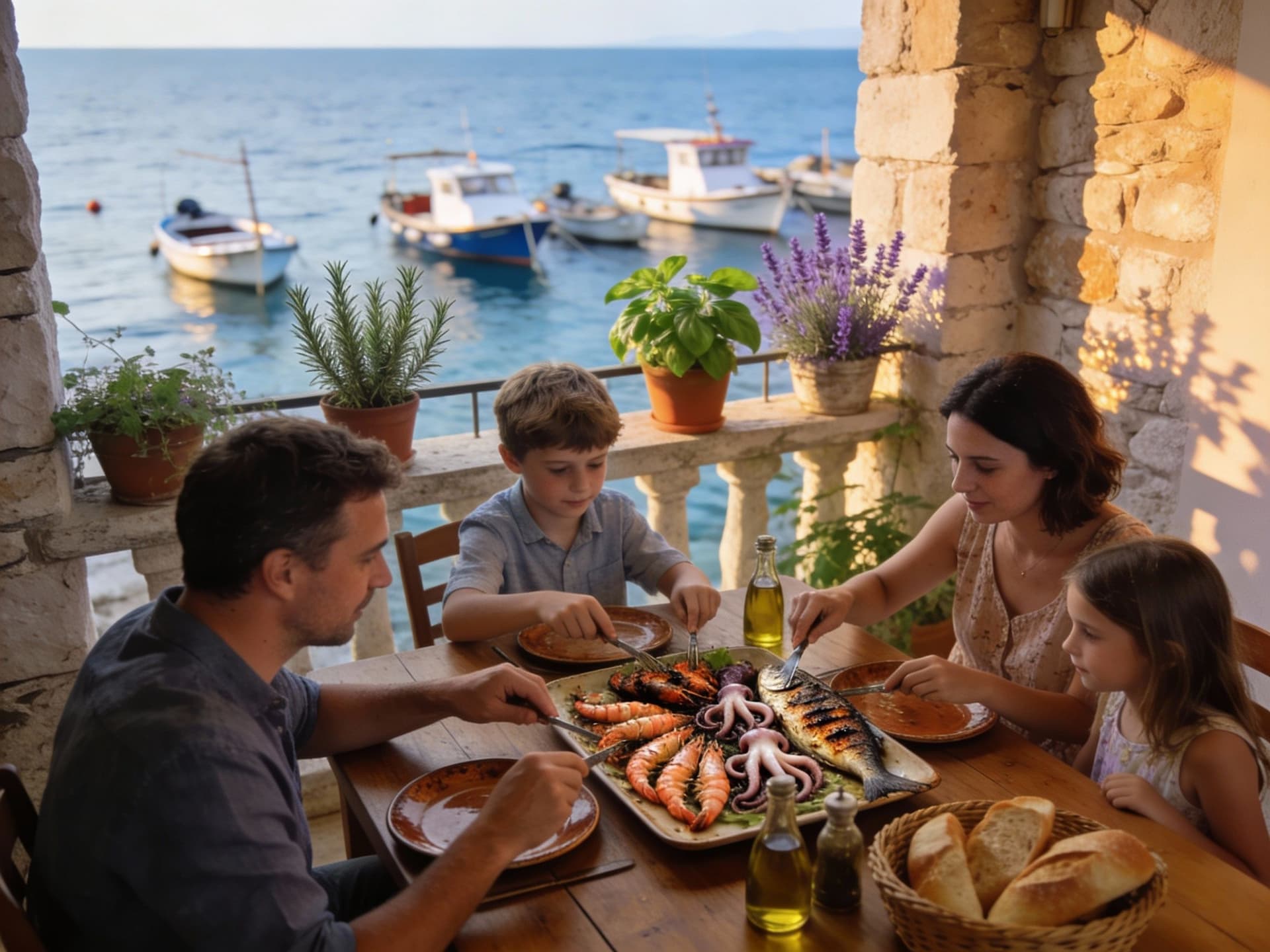
Practical buying decisions must follow lifestyle choices. National data shows residential prices rising across Croatia—both new and existing dwellings—so timing and location matter. Coastal areas outpace inland growth, but regulatory moves targeting short‑term lets change cashflow projections. Use official indices and recent reporting to set realistic price and yield expectations before making offers.
Property types and how you’ll live in them
Stone townhouse on an Adriatic alley is different from a modern Zagreb flat. Townhouses demand higher maintenance and deliver seasonal charm; modern builds offer lower upkeep and year‑round appeal. Factor in insulation, heating (important inland and in winter), and access to services. Renovation quality often determines whether a historical home will be a comfortable residence or an expensive museum-piece.
Working with local experts who understand lifestyle & regulation
- Steps an experienced local agent or lawyer should follow: 1. Confirm legal title and zoning for short‑term rental permissions. 2. Model realistic net yields using local occupancy seasonality. 3. Check recent sold-prices in the street, not just advertised asking prices. 4. Inspect construction details and expected maintenance costs for coastal exposure. 5. Advise on residency or tax registration practicalities tied to ownership.
Insider knowledge: what expats wish they'd known
Experienced expats tell one story repeatedly: lifestyle decisions trump checklist items. Many buy the coastal dream without sizing up off‑season life, local community rhythm, or the administrative effort of long‑term management. Recent official releases show new dwelling prices rising notably in H1 2025; understanding how that growth maps to your chosen neighbourhood is critical to avoid overpaying for a view.
Cultural integration, language and everyday living
Learning a few phrases, joining a local konoba, and attending a town council meeting change how you experience place—and often how neighbours treat your property. Local networks help find reliable builders and caretakers; refer‑able service providers reduce renovation surprises. Buying where you can build social capital reduces friction and long‑term management costs.
Long‑term lifestyle and market sustainability
Croatia’s tourism growth and EU membership underpin long-term demand, but policy choices—property taxes and short‑term rental regulation—are shaping future returns. Expect coastal premiums to persist, but also expect episodes of policy-driven correction. For lasting satisfaction, prioritise neighbourhoods with year‑round life and local services over the pure seasonal postcard.
- Red flags and quick checks before you bid: • No clear title history or unresolved inheritance claims • Properties advertised as “ready” but lacking recent technical certificates • Disproportionately high summer-only rental projections • Lack of local management contacts for off‑season upkeep • Streets or plots excluded from future infrastructure plans
Conclusion — the lifestyle test and next steps: fall in love deliberately. Let the sensory truth of Croatia guide where you look; let data and local expertise decide what you buy. Start by short‑listing neighbourhoods that match daily life (Zagreb’s Donji Grad, Split’s Varoš, Hvar harbour, Motovun), pull recent sold-price indices from DZS and BIS, and engage a bilingual lawyer plus an agent who shows sold‑price dossiers. That doubles your chance of buying both a life and a balanced investment.
Swedish expat who moved from Stockholm to Marbella in 2018. Specializes in cross-border legal navigation and residency considerations for Scandinavian buyers.