Croatia: Lifestyle Signals, Price Trends and Timing
Croatia’s coast sells a lifestyle; house prices rose through 2024–25 while tourism shifts toward year‑round demand. Visit off‑season, check titles, and prioritise agents who know both street life and tax changes.
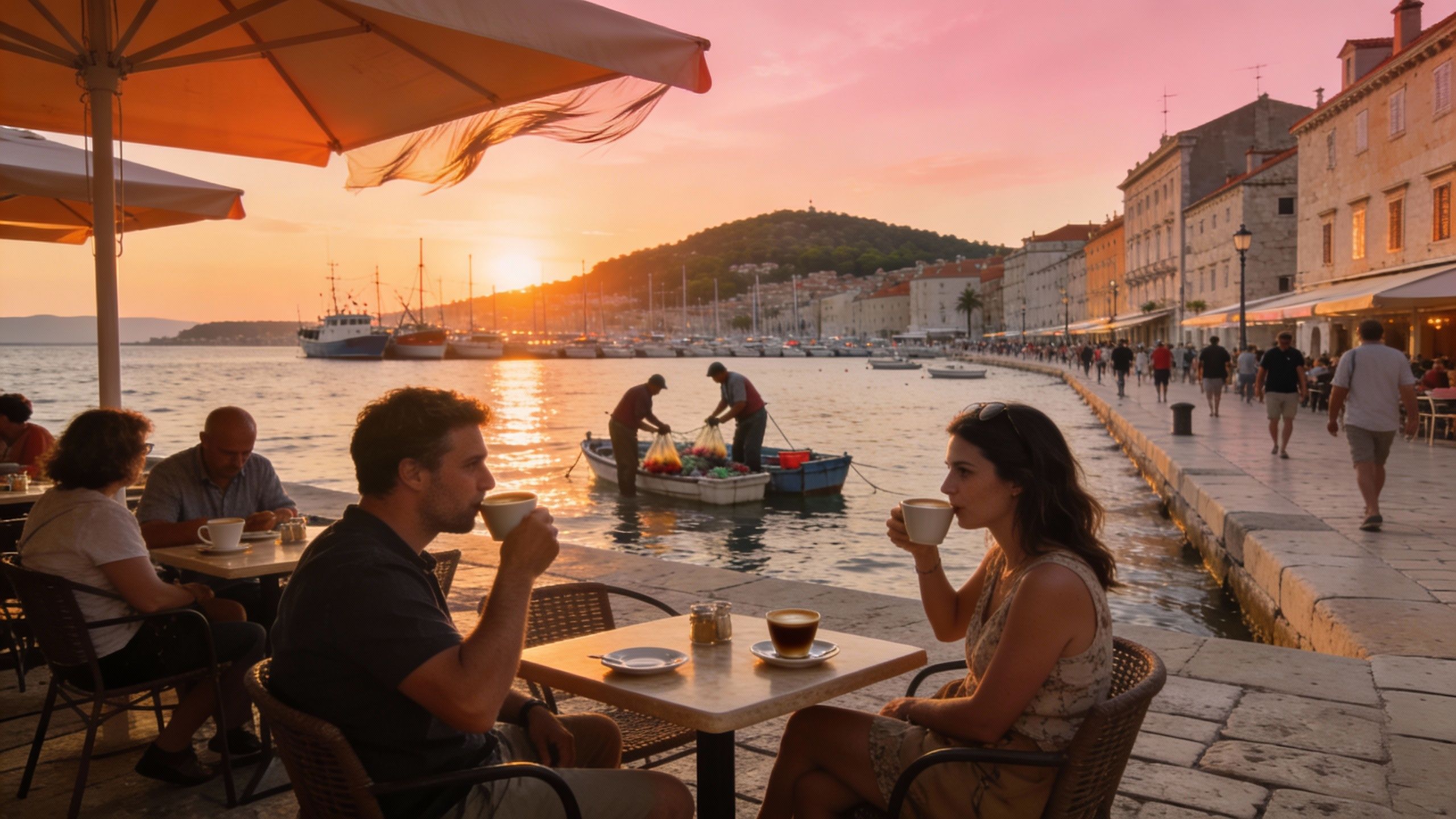
Imagine walking the Riva in Split at 7am: espresso steam, fishermen stacking crates, shutters opening on stone houses with terracotta roofs. That slow, sunlit rhythm is the reason buyers arrive with a list of lifestyle demands — sea views, weekend markets, a neighbourhood café where people know your name. Yet beneath the postcard is a market moving quickly: house prices have risen notably in recent years, seasonality is shifting, and new tax signals are reshaping investor behaviour. This guide pairs the lived Croatia — streets, food, festivals — with the data and steps that matter when you want to buy here.
Living the Croatia lifestyle
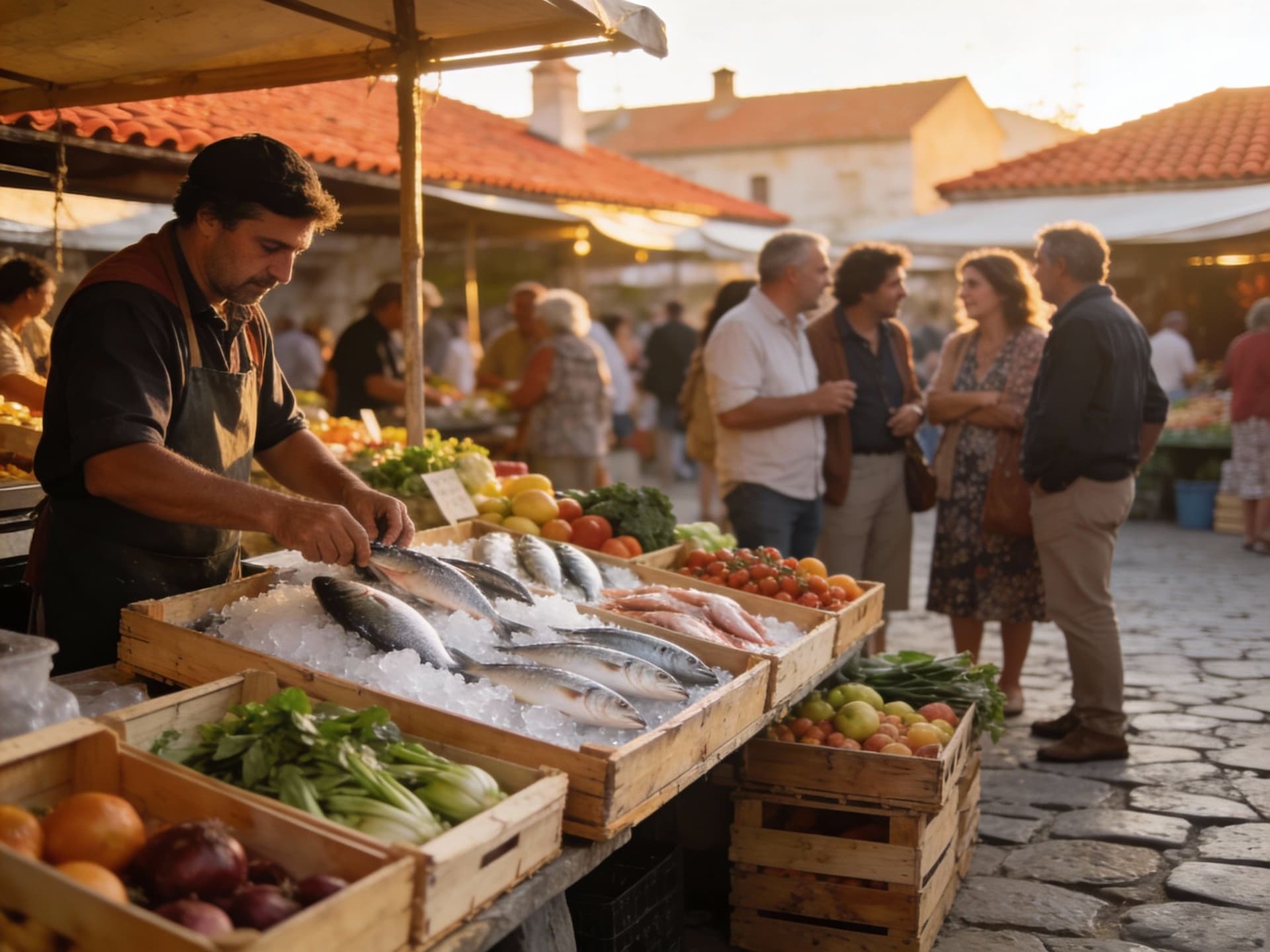
Croatia’s appeal is both coastal and continental. On the Adriatic you find island time, limestone alleys, and a summer social life that concentrates around beaches and marinas. Inland, Zagreb and continental towns deliver year-round culture, markets and quieter day-to-day living. Choosing where to buy often comes down to whether you prioritise an all-season community or a quintessentially coastal summer scene — and each choice has clear price and rental implications.
Split: daily life between palace and promenade
Picture Veli Varos streets at dusk and morning joggers on the Marjan hills. Split balances a living historic centre (around Diocletian's Palace) with new apartment blocks near Sustipan and Firule. Expect narrow stone streets, neighbourhood konobas (family-run restaurants), and a market culture centred on Pazar. Properties within walking distance of the Riva command premiums; 10–15 minutes inland, values soften and family-friendly buildings are more common.
Istria & Dubrovnik: two different coastal flavours
Istria (Rovinj, Poreč) offers rolling vineyards, truffle culture and Italianate cafés; Dubrovnik is compact, historic, and internationally famous — which drives both demand and price volatility. Local festivals and cruise-ship flows create intense short-season demand in Dubrovnik that boosts short‑let yields but complicates long-term community life. In contrast, Istria has higher year-round residential uptake and appeals to buyers seeking food, wine and quieter island-hopping.
- Morning markets, coastal rituals and hidden gems
- Pazar (Split) — early produce and fresh fish for home cooking
- Banje beach (Dubrovnik) — crowded summer but the view affects nearby prices
- Rovinj old town — cafe life and higher-quality long-stay renters
- Zagreb’s Tkalčićeva — year-round restaurants and stronger off-season occupancy
Making the move: practical considerations
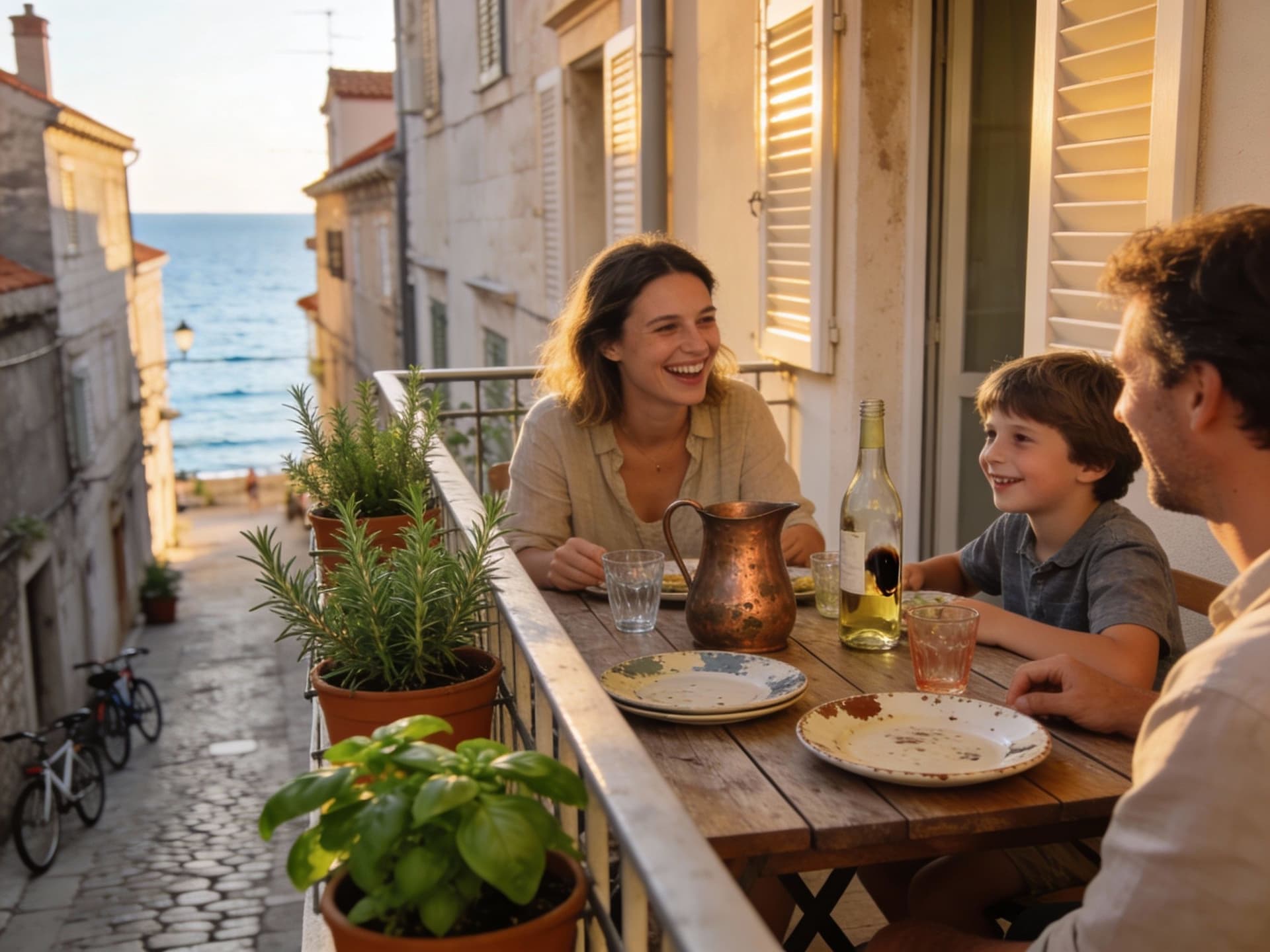
Let the data inform timing and expectations. Croatia’s house price index shows meaningful appreciation through 2024 into early 2025, reflecting demand pressures in coastal hotspots and rising investor interest. Tourism growth — now trending toward year-round activity with 21.3 million arrivals in 2024 — supports rental demand in many coastal towns but also increases short‑term rental competition. Tax and regulatory changes announced in 2024 alter holding costs for investors and should factor into any cash‑flow analysis.
Property styles and how they map to daily life
Stone apartments in old towns prioritise character and walkability; expect smaller rooms, thicker walls and higher maintenance for listed buildings. Modern builds on the outskirts offer parking, terraces and insulation — important for year‑round living and remote work. If you plan to rent part-time, choose properties with separate access or flexible layouts; if you seek a permanent move, prioritise heating, winter insulation and proximity to services.
Working with local experts who know both life and law
Agencies and lawyers who understand municipal zoning, tourist permit regimes and the 2024–25 tax proposals are essential. An agent who knows which streets in Dubrovnik are cruise-ship impacted, or which Split neighbourhoods keep year‑round residents, will save you months of guesswork. Insist on advisors who can connect lifestyle goals (near-market living, sea access, quiet lanes) to concrete legal checks: title clarity, permitted uses and utility capacity.
- Steps that blend lifestyle and practical checks
- Visit in pre- or post-season (April/May or October) to test daily life, noise and services.
- Ask for recent utility bills and condominium minutes to assess running costs and planned works.
- Confirm rental rules and tourist permit history if you plan short lets — municipalities vary widely.
- Obtain a structural and damp survey, particularly for stone buildings near the sea where salt and humidity matter.
Insider knowledge: what expats wish they'd known
Expats often underestimate seasonality shifts and community cycles. A street that hums in July can be nearly silent in January, and services like bakeries or ferry schedules change accordingly. Many buyers also misread headline ‘coastal premium’ — proximity to a beach is valuable, but so is year‑round access to groceries, healthcare and social networks. Long-term happiness often correlates with practical access as much as with view quality.
Cultural integration, language and everyday life
Croatian is the language of daily life, but many coastal service workers speak English or Italian. Learning basic Croatian transforms relationships — shopkeepers, neighbours and local officials respond differently when you speak the language. Expect formal transactions to be in Croatian; insist on translated documents and a bilingual lawyer. Social life forms around market days, beach rituals and seasonal festivals — participate early and you’ll build community faster.
Long-term practicalities buyers often overlook
Expect local policy to evolve: Croatia’s push to rebalance housing and tourism has led to proposals that alter taxation and incentives for long-term rentals. Municipal decisions on tourist permits, parking zones and pedestrianisation can materially change a street’s desirability. For investors, diversify exposure: island-only portfolios are higher yield but higher volatility; mixed coastal-continental holdings smooth income across seasons.
- Red flags and practical checks
- Unclear title chains or missing cadastral documentation — stop until clarified.
- Properties heavily used for short lets where neighbours complain or municipal fines appear — costs can rise quickly.
- Under‑insulated historic units without planned renovation budgets — expect higher running costs.
Conclusion: buy for how you want to live, then confirm the numbers. Croatia sells a life — cafés at 09:00, islands on weekends, snowless winters on the coast — and price trends show steady appreciation in popular spots. Use data (house price indices and tourism flows), on-the-ground visits outside high season, and local advisors to translate lifestyle preferences into durable investment choices. When you’re ready, choose advisors who can match a street-level understanding of neighbourhood life with rigorous legal and fiscal checks.
Swedish expat who moved from Stockholm to Marbella in 2018. Specializes in cross-border legal navigation and residency considerations for Scandinavian buyers.