Croatia: Lifestyle Signals That Change Price and Timing
Croatia’s coast remains seductive but market signals—rising asking prices, new taxes and rental rules—mean timing, neighbourhood and use-case matter for buyers.
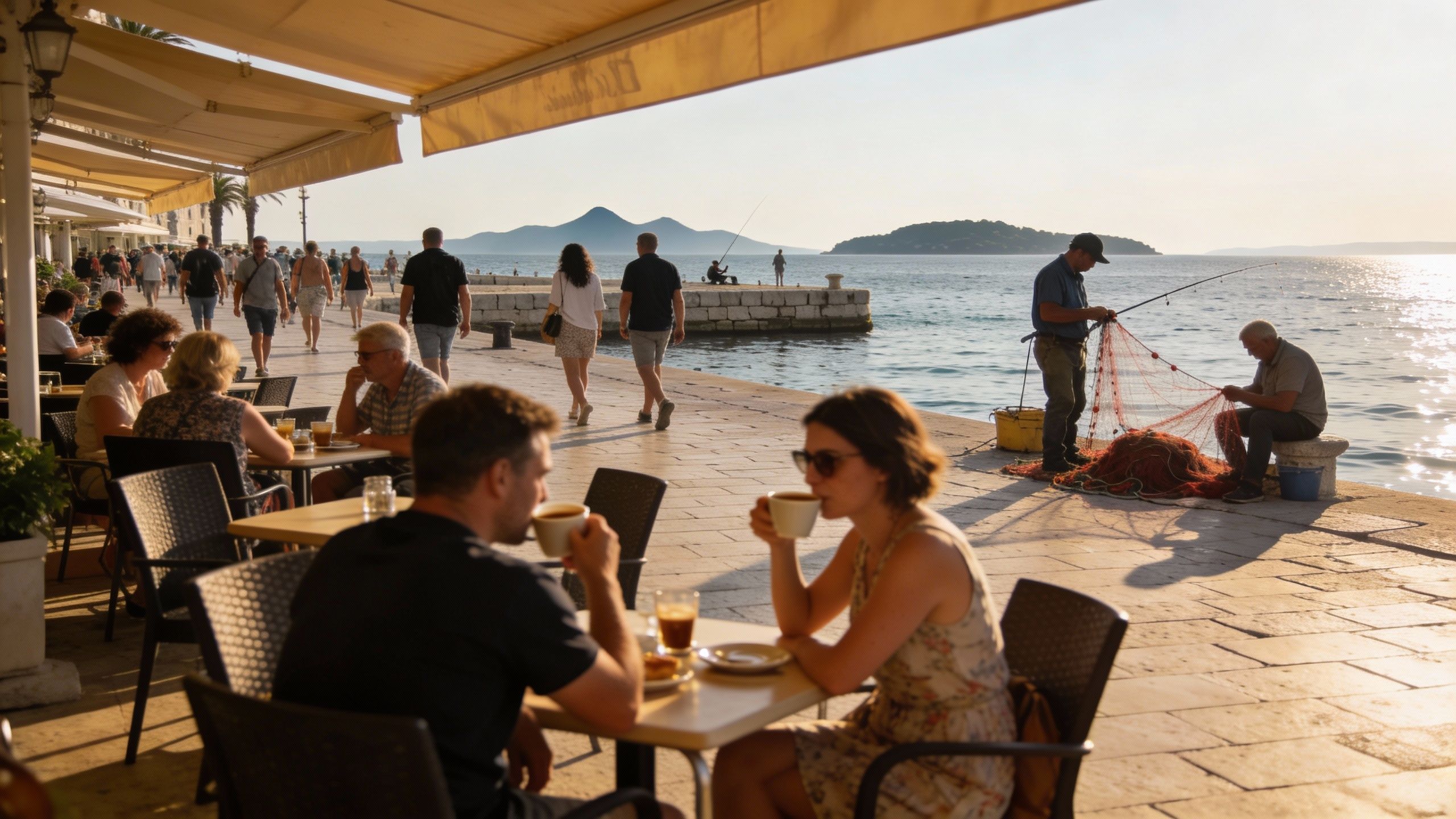
Imagine waking to the clatter of an early-morning fish market in Split, then trading that bustle for a quiet stone terrace on Hvar by late afternoon. Croatia’s coast feels like a slow-motion postcard: islands, old town lanes, cafes where people still talk face-to-face. Yet beneath that Mediterranean ease sits a market that has been anything but sleepy — prices have doubled in recent years, policy is shifting, and transaction volumes are beginning to cool. This guide pairs the lived-in romance of Croatian life with the data and signals international buyers need to make a clear decision.
Living the Croatia lifestyle
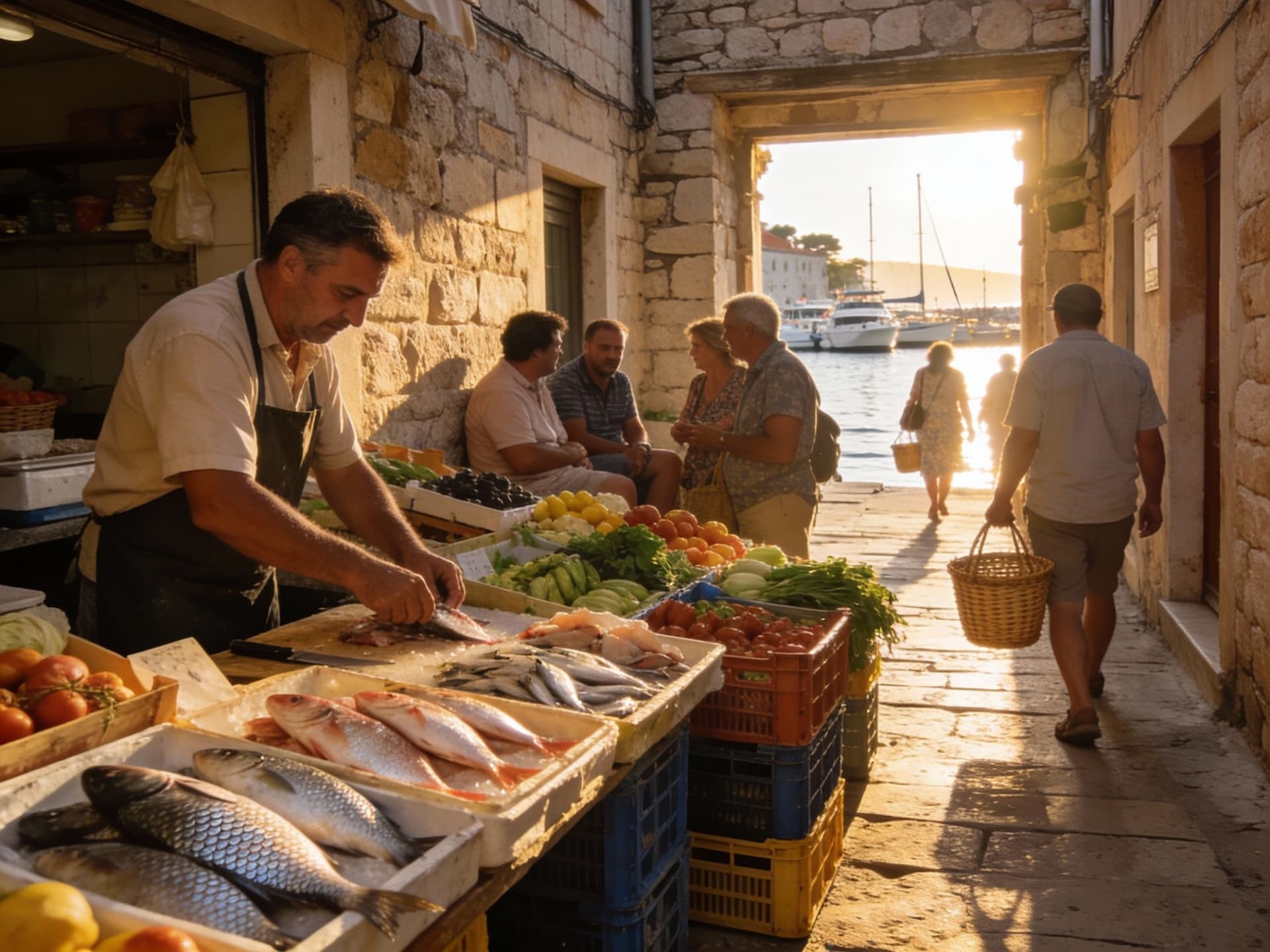
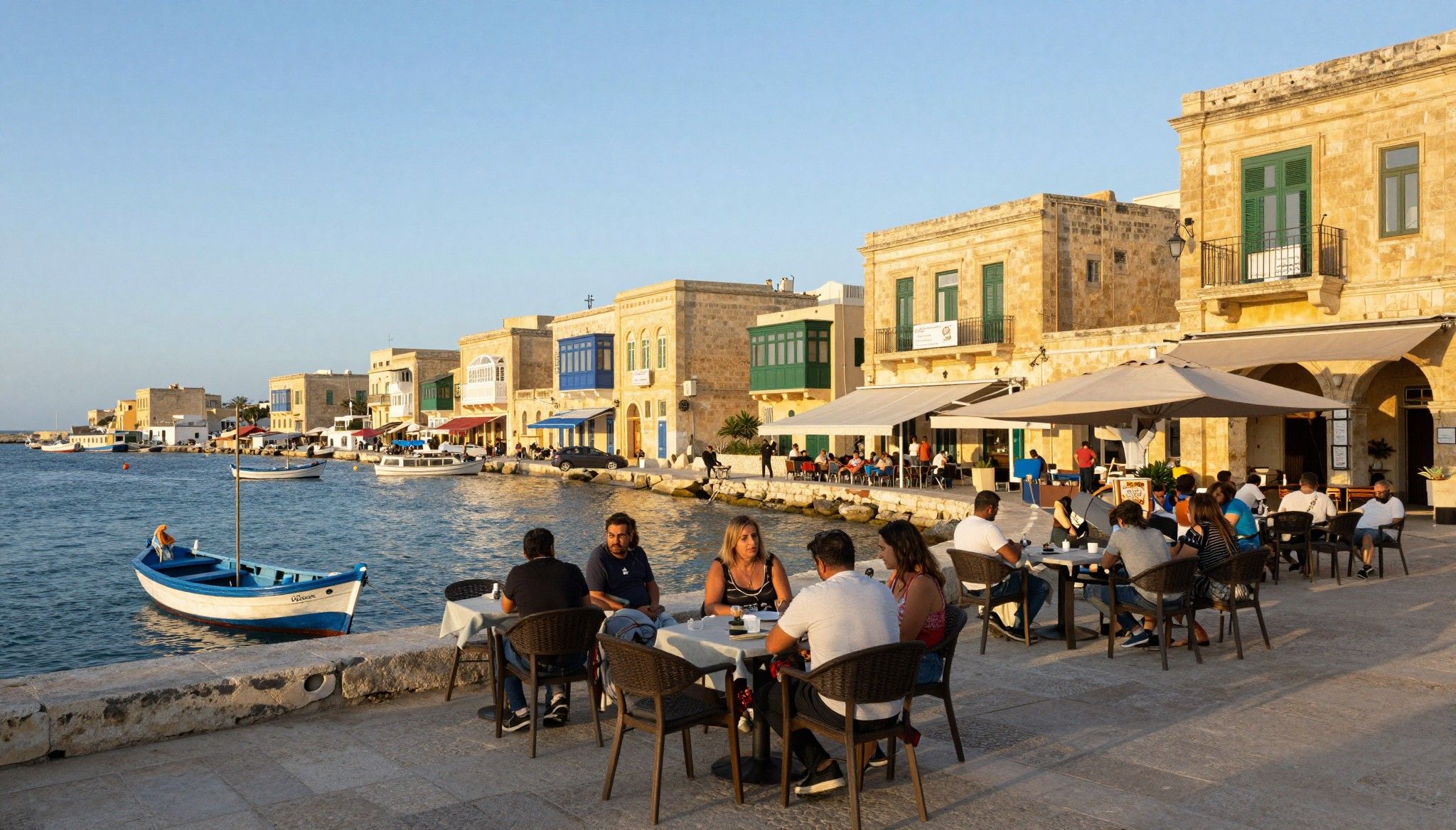
Walkable old towns, year-round markets, and a coastline that defines leisure: that’s the short list. In Zagreb you’ll find compact neighbourhoods where coffee culture meets start‑ups; along the Adriatic, life orbits marinas, olive groves and seasonal tourism. For many international buyers the appeal is practical as well as poetic — EU membership, relatively efficient healthcare, and an existing expat community make integration easier than in non‑EU Mediterranean alternatives.
Zagreb, Split and Dubrovnik — different rhythms
Zagreb’s rhythm is daily: bakeries, tram lines, afternoon parks and year-round rental demand from students and professionals. Split moves on a seasonal pulse — vibrant from spring to autumn, quieter in winter — but offers a compact harbour life and short drives to islands. Dubrovnik is uniquely touristic: it’s spectacular, expensive, and subject to restrictive regulations around short‑term lettings.
Food, markets and the small pleasures
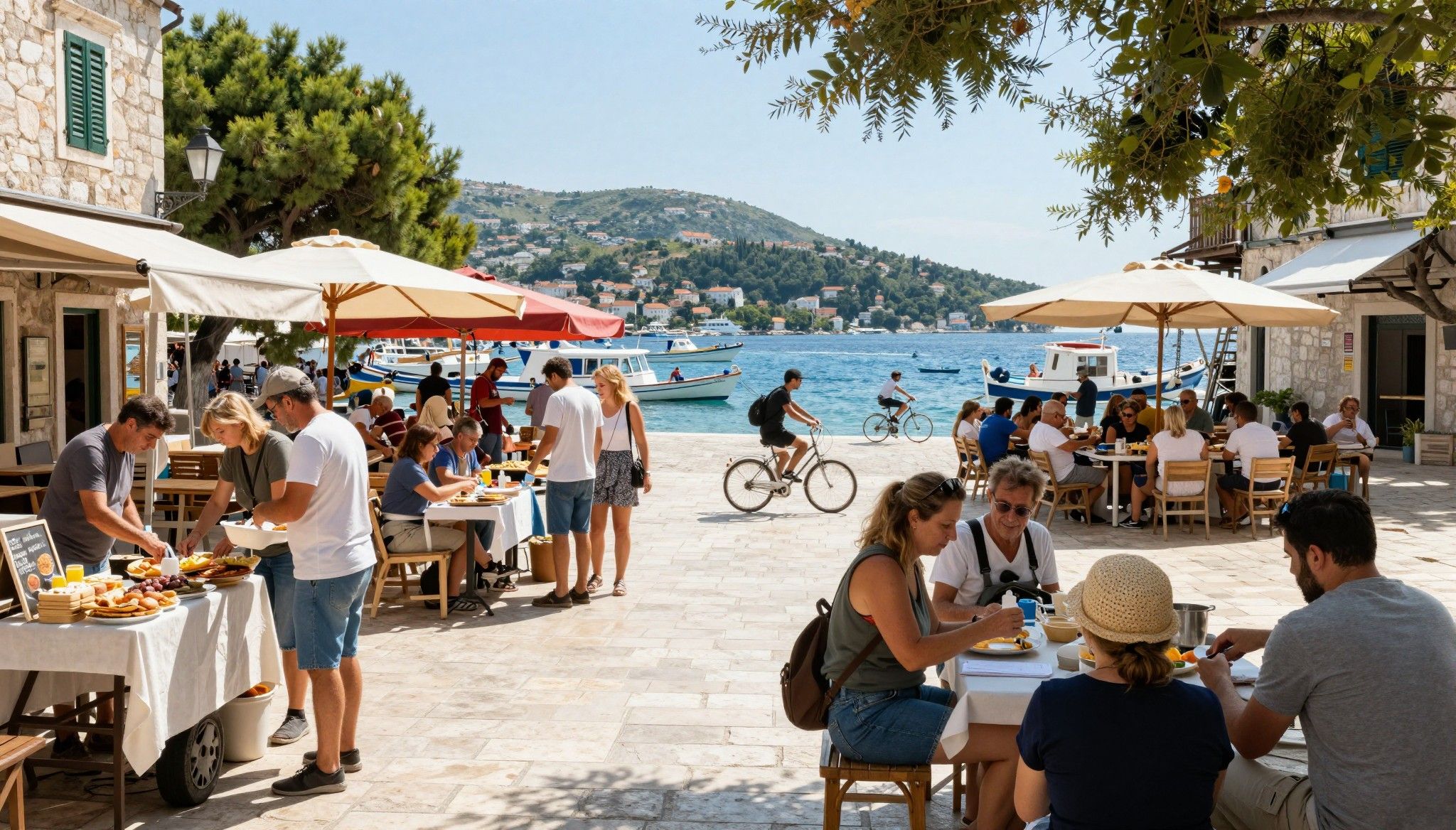
Picture Saturday at Dolac market in Zagreb, oysters and white wine on a remote Istrian beach, or a simple konoba supper in a Dalmatian stone courtyard. These rituals shape where people choose to live: proximity to a market, a reliable local bakery, or a favourite harbour café can matter as much as the size of a terrace when considering long‑term satisfaction.
- Dolac market (Zagreb): morning buzz and fresh produce
- Riva promenade (Split): daily passeggiata and cafes
- Old Town Dubrovnik: sightseeing economy and restricted rentals
- Istrian hill towns (Rovinj, Motovun): truffle restaurants and slower pace
Making the move: market signals and timing
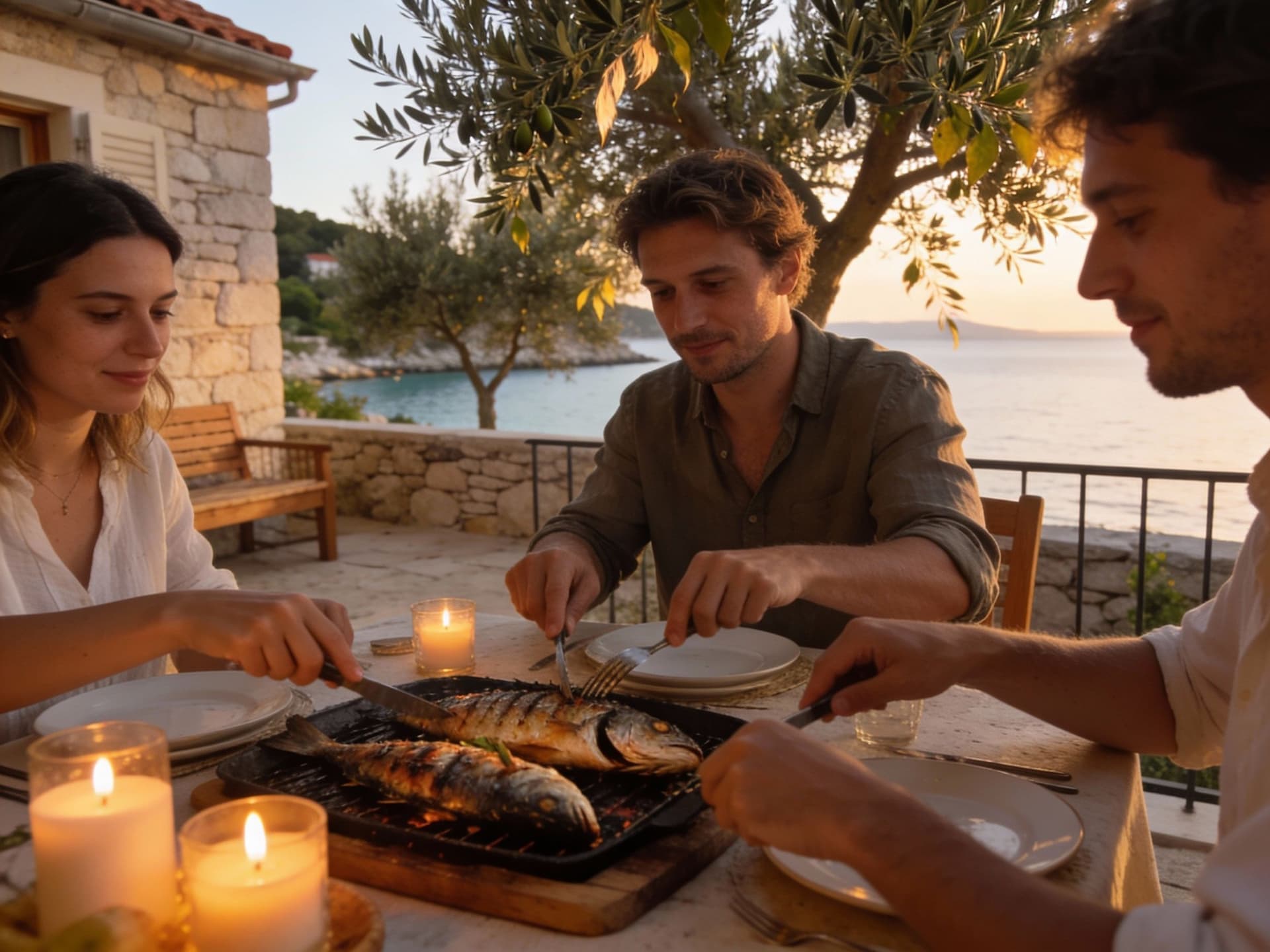
Data shows a two-speed reality: asking prices and coastal premiums have kept rising while transaction volumes cooled in 2025. Average asking prices topped roughly €3,700–3,800/m² in 2025, with Dalmatia often highest and inland counties much lower. At the same time, policy — from new property taxes to tighter short‑term rental rules — is changing the equation for buyers seeking income from tourism. Read those policy notices as a price‑signal, not just regulation.
Where price growth is concentrated
Growth is strongest along the Adriatic and in prime island markets. Istria and selected Dalmatian towns have recorded double‑digit annual gains at times, while inland regions such as Slavonia remain substantially cheaper. For buyers focused on rental returns, coastal scarcity drives premiums; for owners seeking quieter daily life, inland towns deliver value and slower price appreciation.
How policy changes change value
Expect two measurable effects from recent measures: (1) reduced appeal for short‑term rental investments in tightly regulated zones, and (2) potential reallocation of supply back into long‑term rental stock where owners choose to convert. That shift can lower seasonal volatility in local markets but may compress yields for pure holiday‑let strategies.
- Steps to test a neighbourhood’s true market: 1) Compare asking vs completed sale prices over 12 months; 2) Check local municipal rules on tourist permits; 3) Inspect short‑term rental listings and occupancy seasonality; 4) Ask an agency for recent comparable closed sales.
Property types and the reality of living in them
Stone townhouses, modern apartments, and coastal villas sell for different reasons. A restored Dalmatian stone house sells on character and location; a new apartment in Zagreb sells on convenience and year‑round demand. Match the building type to how you’ll spend your time: if you plan winter use, prioritise insulation, heating and year‑round services; if you’re summer‑focused, outdoor spaces and sea access matter more.
Architecture vs. practical living
Historic stone properties have charm but often require ongoing maintenance and electrical or plumbing upgrades. New builds offer efficiency, warranties and easier financing, but they can be distant from the coastal lanes and markets that define daily life. Calculate renovation time and costs before committing to a character home.
Working with local experts who understand lifestyle fit
A local agency should do more than show properties: they should map your daily routines to neighbourhood realities — where you’ll buy groceries, which café you’d visit each morning, how far the nearest clinic is. Ask agents for recent closed sales, neighbours’ impressions, and practical notes on winter accessibility and utility reliability.
- How an agency supports lifestyle decisions: 1) On‑the‑ground comparisons of morning routines; 2) Introductions to local service providers; 3) Verification of tourist‑permit status and tax implications; 4) Negotiation informed by recent closed sales.
Insider knowledge: what expats wish they’d known
Expats commonly tell the same stories: underestimating summer crowds, underbudgeting for renovation, and misreading rental seasons. They also say that the places they love most were not the headline towns but quieter lanes with a reliable bakery and a neighbour who knows everyone. Those micro‑choices determine daily happiness more than square metres or views alone.
Cultural practicalities
Learning basic Croatian opens doors. Local rhythms — midday closures, summer festival weeks, and market days — matter when planning renovation visits or tenant turnovers. Social integration often begins at the market stall rather than the consulate.
The season you buy shapes costs
Contrary to instinct, buying in high season (summer) can mean competing with tourists and higher asking prices. Many experienced buyers prefer late autumn or winter viewings when the town’s empty, negotiation is calmer, and municipal offices are accessible for checks. Transaction volume data from 2025 shows fewer sales but persistent price strength — use the quieter season to inspect, verify and negotiate.
- Expat tips: check local bus timetables, verify winter heating, meet a future neighbour, ask about annual festival dates
Conclusion: Croatia is a lifestyle purchase first and an investment second. Treat the market signals seriously — price indices, new taxes, and rental rule changes will influence returns — but choose the place that fits your daily life. Start with in‑season visits to feel the culture, then return off‑season to do your due diligence. Work with an agency that maps lifestyle to data, requests recent closed sales, and verifies tourist‑permit and tax status before you sign.
Danish investment specialist who relocated to Costa del Sol in 2015. Focuses on data-driven market timing and long-term value for Danish buyers.