Croatia: Buy the Life, Not Just the View
Coastal charm meets active market: Croatia’s prices rose strongly in 2024–25; buy for life, not just summer yield. Check permits, model conservative yields, live the season.
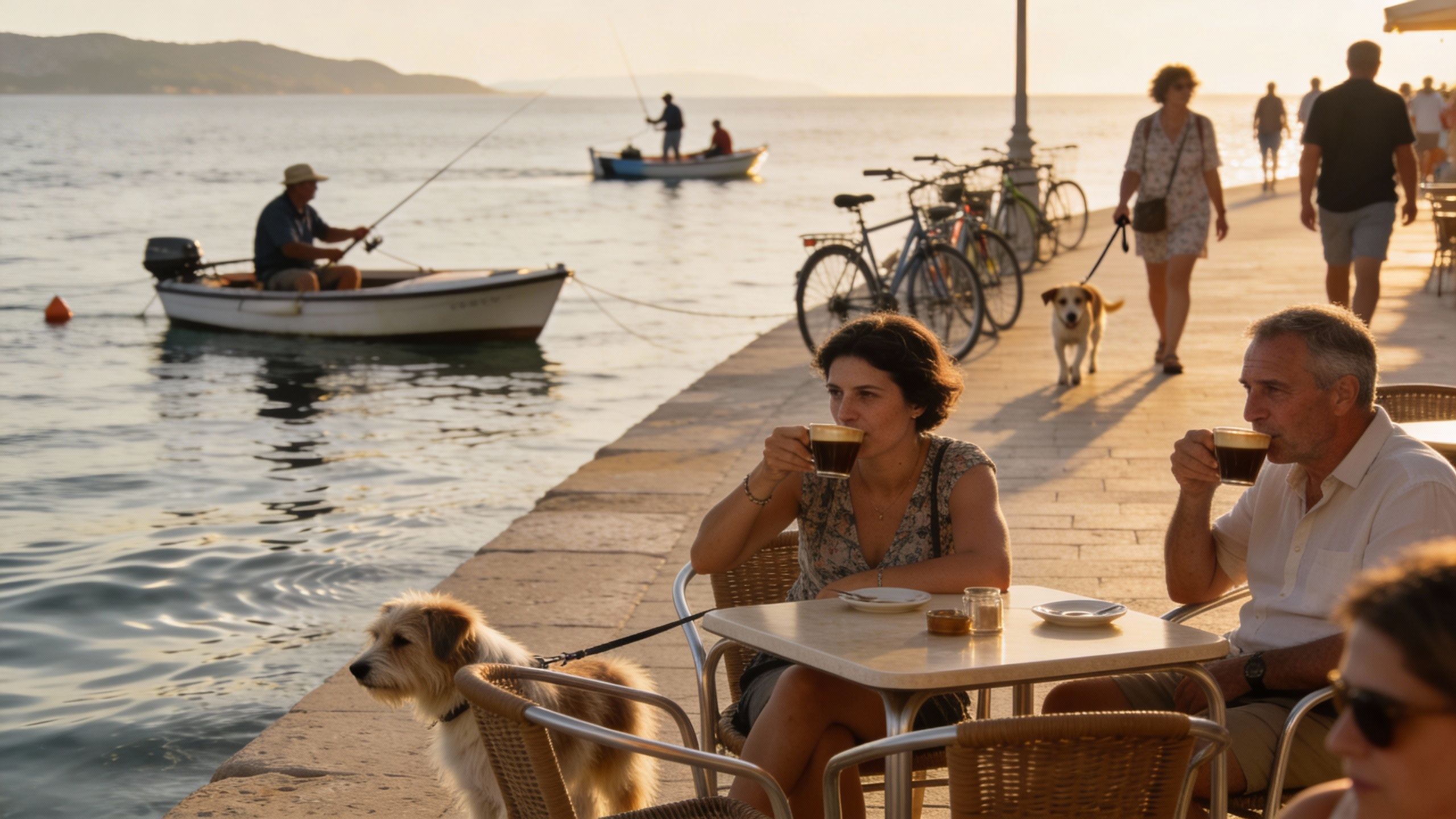
Imagine sipping an espresso on Split’s Riva as the morning fishing boats glide by. The square is waking; fishermen haggle; a café owner sweeps the mosaic steps. That scene explains why buyers fall for Croatia. Yet the thriving coastal life is only half the story. Price dynamics, new regulation and short‑term rental reform are changing where value still hides — and where it does not. According to recent market analysis, national dwelling prices rose sharply in 2024–25, concentrated along the Adriatic coast and in Zagreb. https://podaci.dzs.hr/2025/en/97158
Living the Croatia life: sensory neighbourhood maps
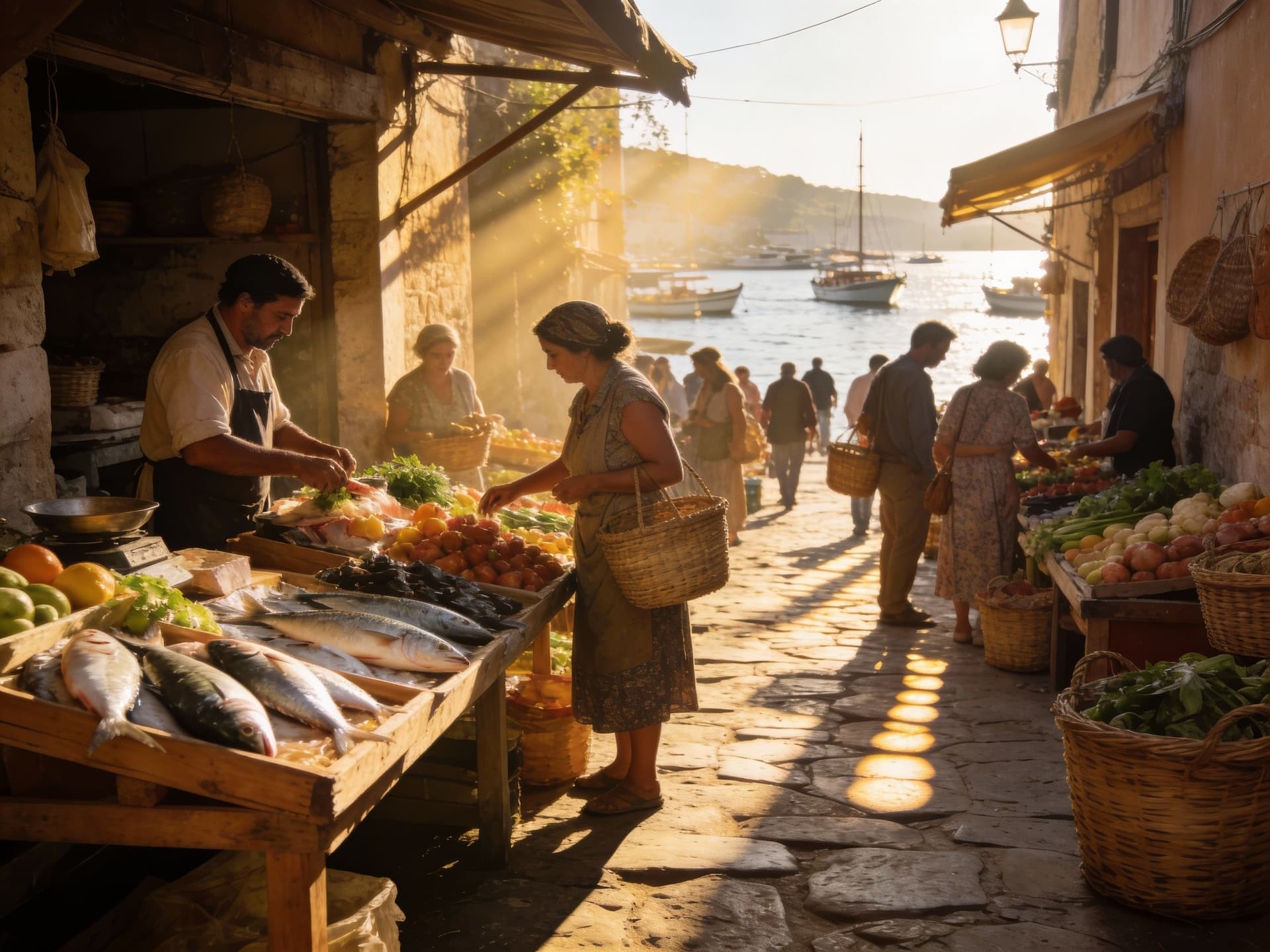
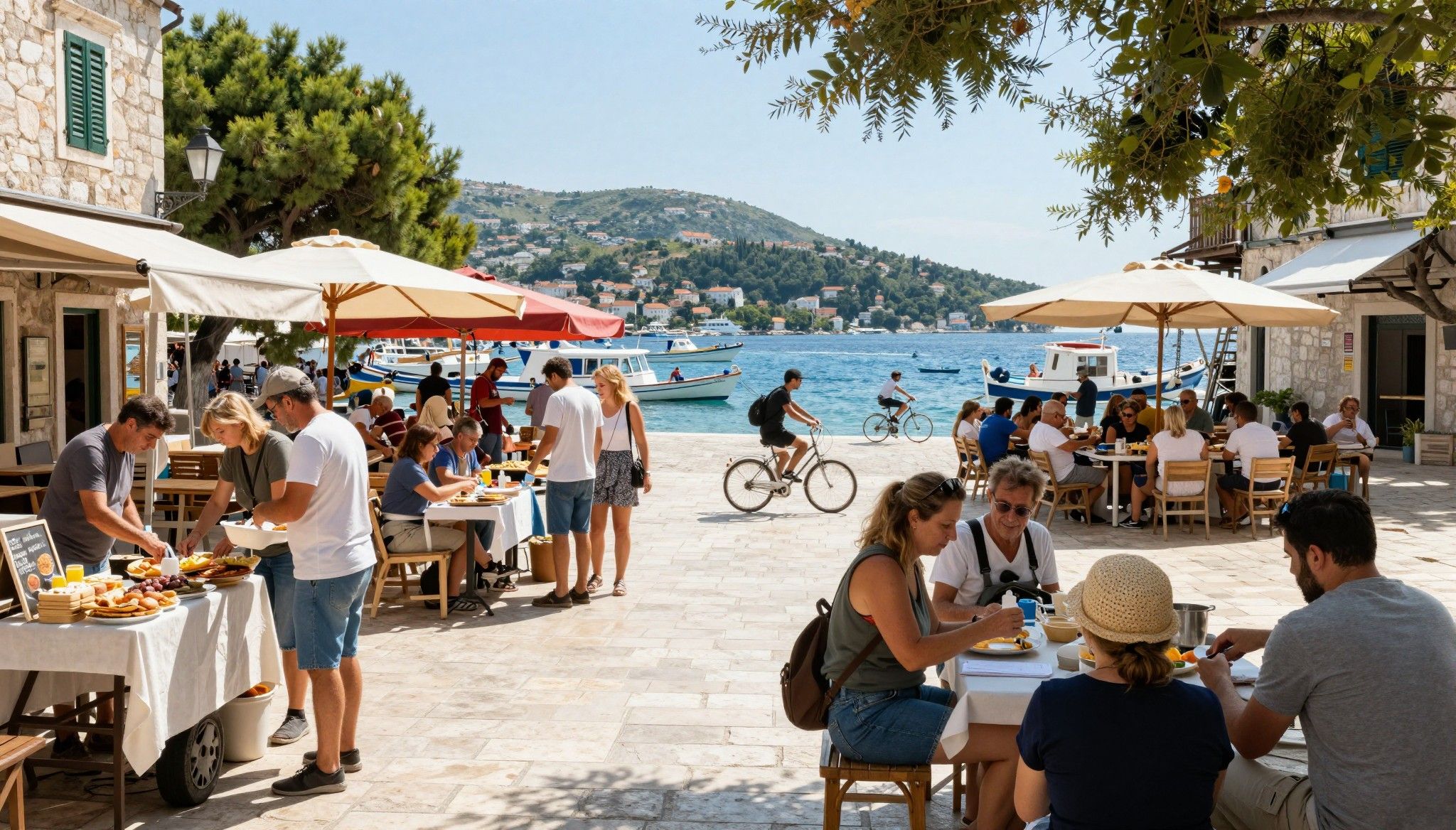
Croatia’s daily rhythm depends on place. Along Istria’s coast you’ll find slow mornings and truffle markets; in Dubrovnik the Old Town hums with tourism from March through October; Zagreb pulses year‑round with café culture and weekend markets. Choosing a property is as much about time of day and season as about square metres — mornings, siestas and late dinners matter here.
Istria & Rovinj — village slow life with gastronomic upside
Picture cobbled lanes off Rovinj’s main waterfront, family-run konobas and small truffle stalls on market days. Istria shows strong buyer interest for stone houses and renovated farmsteads; asking prices here consistently rank among the highest in Croatia. That premium reflects scarcity and gastronomic-tourism demand rather than universal investment fundamentals. See county-level asking price data for context. https://www.croatiaweek.com/asking-house-prices-in-croatia-rise-47-over-three-years/
Dalmatian coast — Split, Šibenik, Dubrovnik: seasonal extremes
Split offers daily sea‑front promenades and a growing boutique hotel scene; Dubrovnik’s Old Town is spectacular but heavily regulated for short‑term letting. New national measures targeting short‑term rentals and stricter local permits alter income expectations for coastal purchases — an essential consideration if you bought the view expecting year‑round Airbnb yields. https://www.reuters.com/world/europe/croatia-clamp-down-short-term-tourist-rentals-ease-price-squeeze-2024-11-20/
- Lifestyle highlights (where to live and what you’ll do)
- Walkable waterfront mornings — Split Riva, Dubrovnik Stradun, Rovinj harbour
- Market mornings — Zagreb Dolac market, Pula fish markets, Trogir bazaars
- Coastal micro‑festivals — Hvar’s music nights, Šibenik’s summer film series
Making the move: practical considerations that preserve lifestyle value
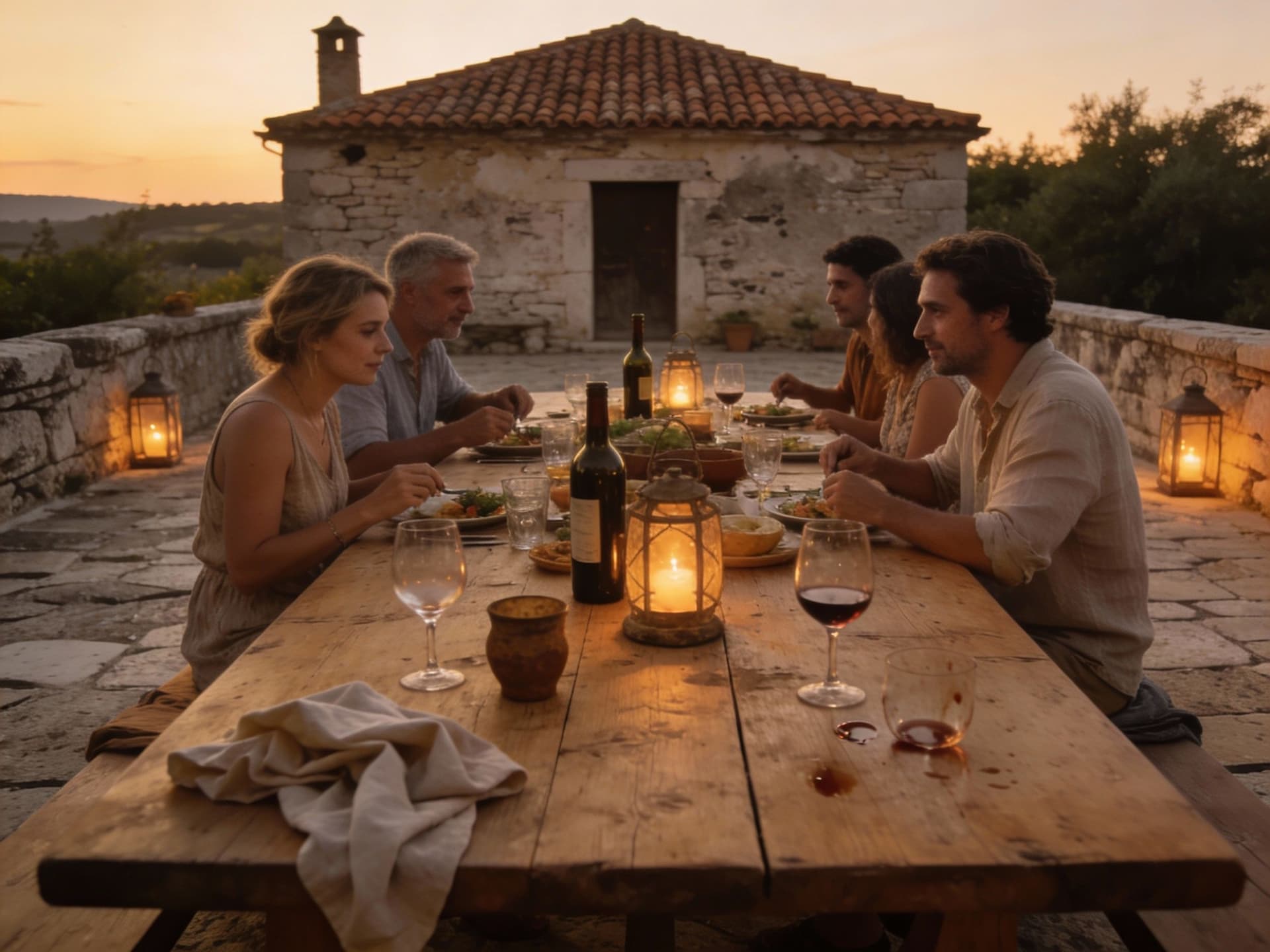
Dreams start at the waterfront, but spending decisions should be tactical. Croatia’s price growth has been notable: official house price indices showed double‑digit annual gains in recent quarters. Local policy to curb short‑term rentals and a planned property tax reform mean gross yields are under pressure; net returns depend on whether you plan long‑term residency, seasonal letting or a hybrid. Evidence from the national statistics office and contemporary reporting should guide assumptions before you make offers.
Property types: what to buy for the life you want
A compact sea‑view apartment trades liquidity for convenience; a stone farmhouse in Istria trades maintenance for privacy and terroir. New builds offer warranties and lower immediate upkeep; older stone properties offer character and renovation upside but often higher hidden costs. Match style to use: rental‑first buyers favour central apartments; lifestyle buyers favour houses with outdoor space. Official DZS data shows new and existing dwelling price dynamics that should inform price per square metre expectations. https://podaci.dzs.hr/2025/en/97158
Work with local experts who know the seasons and permits
Agencies with local legal partners are essential. They interpret municipal short‑term rental rules, assess permit risk in fragile historic zones, and advise on new property tax rules that aim to disincentivise vacant holiday stock. If rental income matters, insist your advisor models both gross and conservative net yields under likely new rules rather than optimistic summer occupancy scenarios. https://www.reuters.com/markets/europe/croatia-shift-tax-burden-property-tackle-housing-problem-2024-09-23/
- Practical checklist before making an offer
- 1. Request recent municipal short‑term permit records and check local bans (e.g., Dubrovnik Old Town restrictions).
- 2. Ask for a three‑year occupancy and maintenance cost history from the seller (seasonal markets can hide sharp off‑season costs).
- 3. Model net yields with conservative occupancy (50–60% seasonally) and include proposed property tax changes.
Insider knowledge: what expats wish they’d known
Real buyers report three repeating themes: seasonality surprises, over‑paying for view premiums, and underestimated maintenance on stone buildings. Locals think in seasons; buyers must, too. Tourism extends beyond summer — Croatia saw a rise in arrivals and overnight stays in 2024, which supports longer shoulder seasons — but coastal markets still show extreme price swings between peak and off‑peak demand.
Language, community and the small‑town social code
Croatians value directness and local reciprocity. Learning a few phrases opens doors — neighbours will help find tradespeople and local suppliers, and social invitations often cement good maintenance relationships. Expat communities concentrate in Split, Dubrovnik, Hvar and certain Istrian towns; these can accelerate integration but may also raise purchase prices in the most popular streets.
Long‑term view: when lifestyle becomes sustainable value
If you plan to live in Croatia for a decade or more, buy for day‑to‑day life: neighbourhood cafés, reliable winter heating, and community services matter more than a premium sea view. Tourism growth toward year‑round seasons (official data shows rising off‑season stays) can improve long‑term liquidity, but regulatory shifts will determine whether coastal short‑term markets stay profitable. Model both scenarios. https://www.reuters.com/world/europe/croatias-tourist-arrivals-rise-4-2024-ministry-says-2025-01-03/
- Red flags to watch (market + lifestyle)
- Seller claims of ‘year‑round occupancy’ without data — ask for months by month bookings.
- Unclear short‑term rental permit status — confirm with municipality records.
- No recent survey for older stone properties — structural and damp issues are common off the coast.
- Promises of quick regulatory reversals — policy on rentals and property tax is active and uncertain; plan for the conservative outcome.
- Next steps for buyers who want lifestyle and prudence
- 1. Spend a week living in your target neighbourhood off‑season (November–March) and track services, noise and transport.
- 2. Commission a local market comp report and a two‑scenario rental model (optimistic seasonal yields vs conservative long‑term occupancy).
- 3. Retain a bilingual lawyer and an agent who regularly handles the municipality where you intend to buy.
Croatia offers a clear trade: extraordinary lifestyle in towns shaped by sea, stone and markets, paired with a market that has recorded rapid price appreciation and active policy change. Be sensory when you choose your street; be data‑driven when you place your offer. Start with a short stay, verify permits and model conservative returns — then buy the life you intend to live.
Dutch relocation advisor who moved to Marbella in 2016. Guides Dutch buyers through visa paths, relocation logistics, and balance of lifestyle with value.