Croatia: Seasonal Signals, HPI Clues and Lifestyle Value
Data shows Croatia’s prices rose consistently in 2024–25; pair HPI trends with local asking prices and seasonality to match lifestyle to durable value.
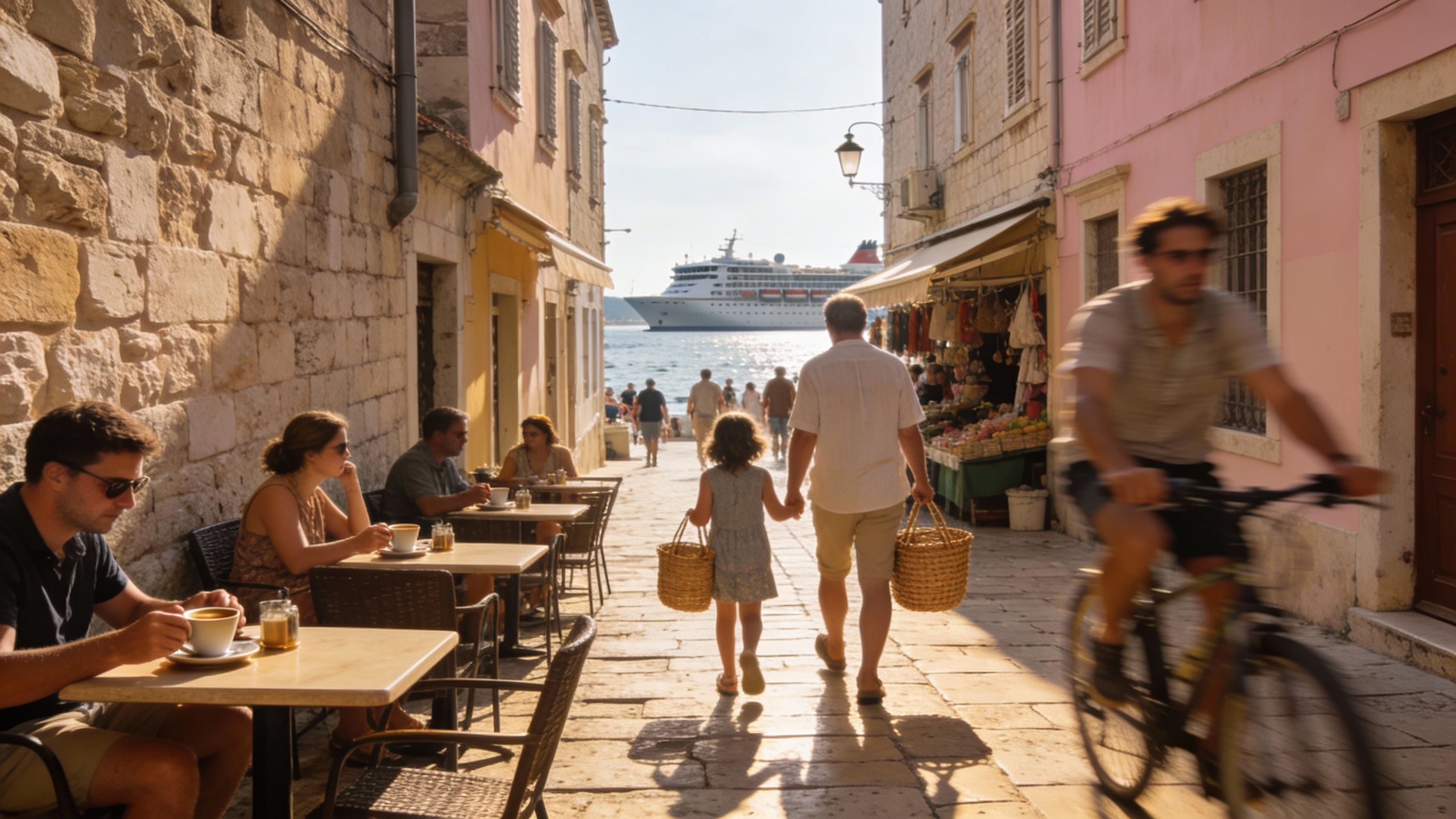
Imagine waking to espresso steam on a narrow Dalmatian street, then walking five minutes to a pebble beach before signing the contract that made this your life. Croatia looks like a postcard; the buyer’s decision is a ledger. Recent market analysis shows national prices rising steadily and regional gaps widening — which changes how you shop, when you buy, and what lifestyle you can afford.
Living the Croatian life — texture and tempo
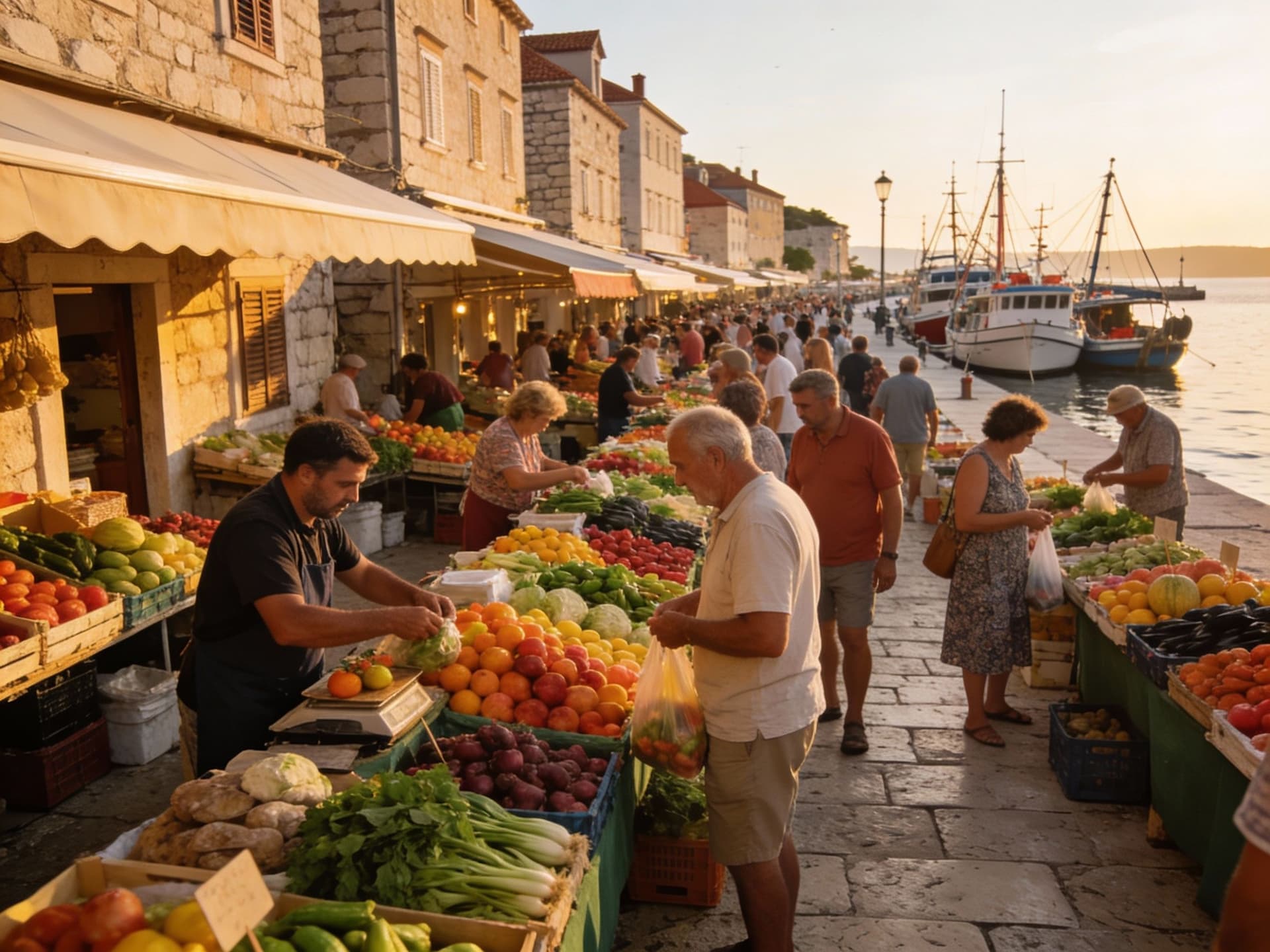
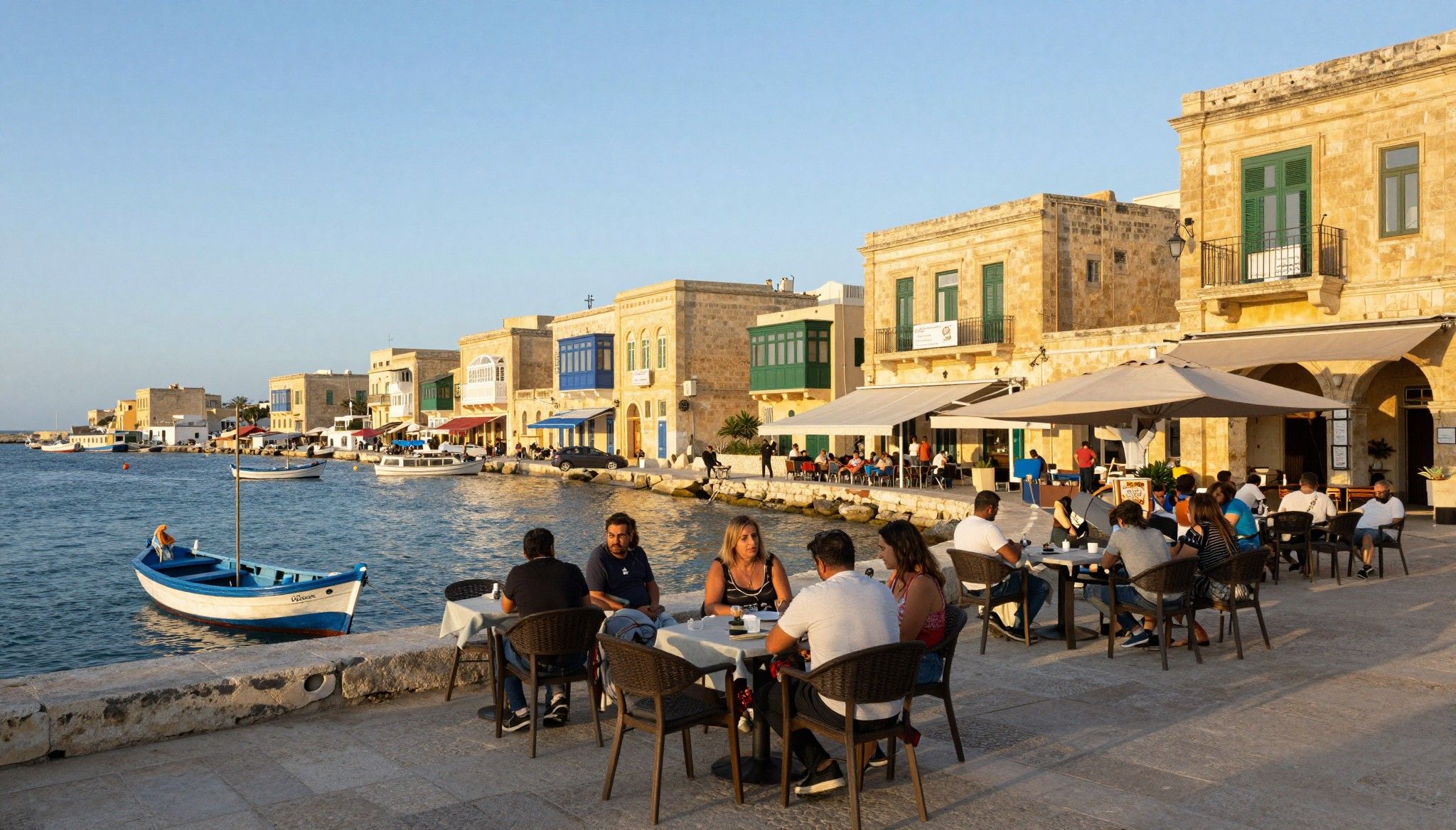
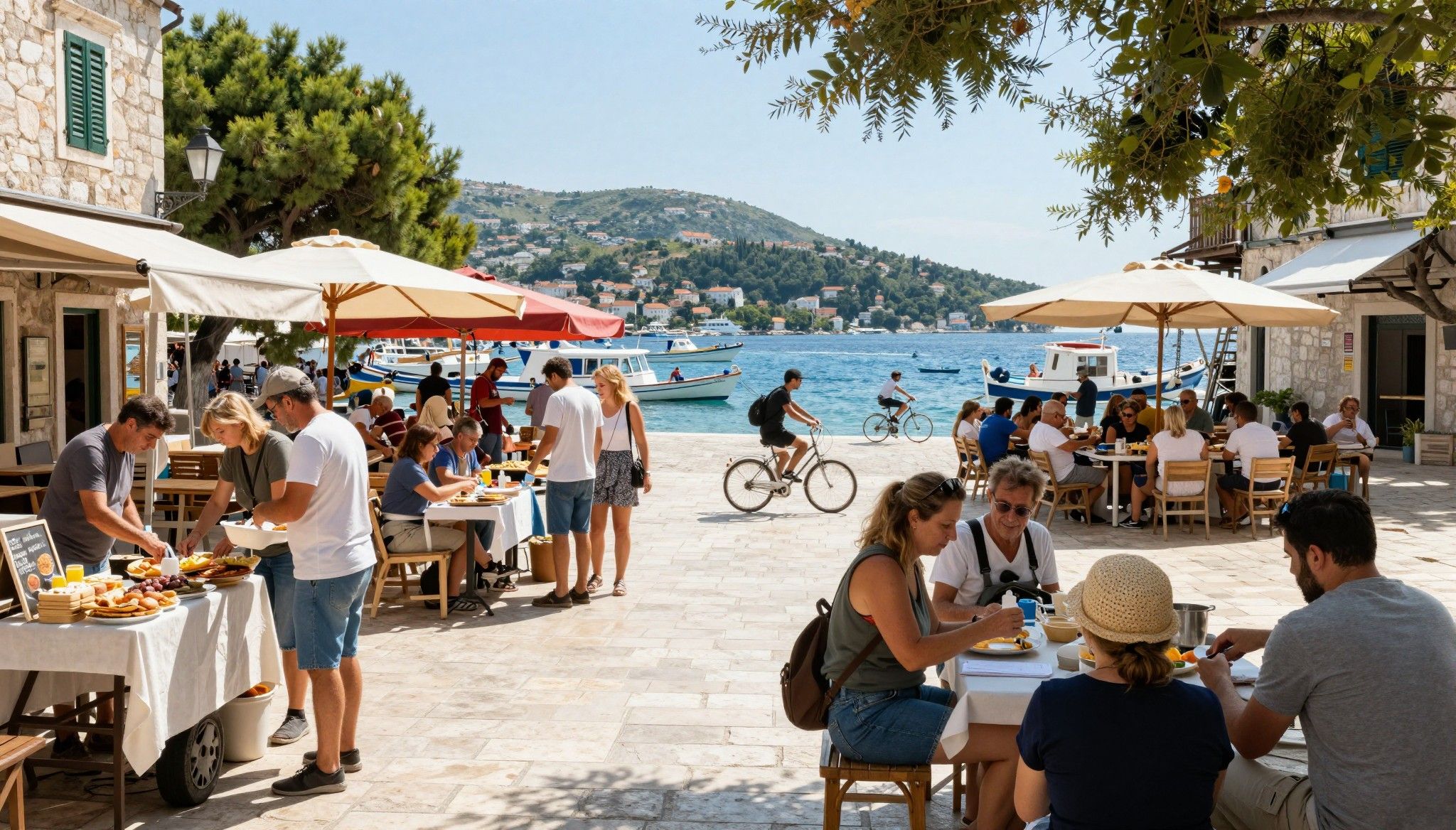
Morning markets, late dinners and ferry timetables shape daily routines. In Zagreb, weekdays hum with trams, coworking spaces and coffee queues on Ilica; on the coast, Split’s Riva and Dubrovnik’s Stradun set a different rhythm — sea-first afternoons, quieter mornings in winter. The Adriatic’s small islands slow time: pick up local bread at a konoba, chat with fishermen, and understand immediately why many buyers trade speed for atmosphere.
Zagreb vs. Dalmatian coast: distinct neighbourhood characters
Zagreb neighbourhoods such as Donji Grad and Maksimir offer apartment life with proximity to schools and healthcare. On the coast, areas like Split’s Veli Varoš and Rovinj’s old town sell a seaside rhythm but at a coastal premium — average asking prices in Istria and Split-Dalmatia are among the highest. Those premiums reflect tourism dynamics more than everyday living costs.
Food, markets and micro‑seasons that change value
Seasonality is practical: summer brings tourist footfall and short‑term rental income; winter clarifies whether a community is year‑round. Local markets — Dolac in Zagreb, Pazar in Hvar — are social anchors. Expect higher prices where markets and transport run through the year; quieter coastal lanes can be cheaper but carry winter vacancy risk.
- Lifestyle highlights that shape property desirability
- Morning coffee on Zagreb’s Ilica; tram access matters for resale
- Sunset swims on Split’s Bačvice — waterfront walks raise values
- Weekend markets in Rovinj and Zadar — neighbourhood cohesion that sustains year‑round demand
Making the move: practical market signals and timing
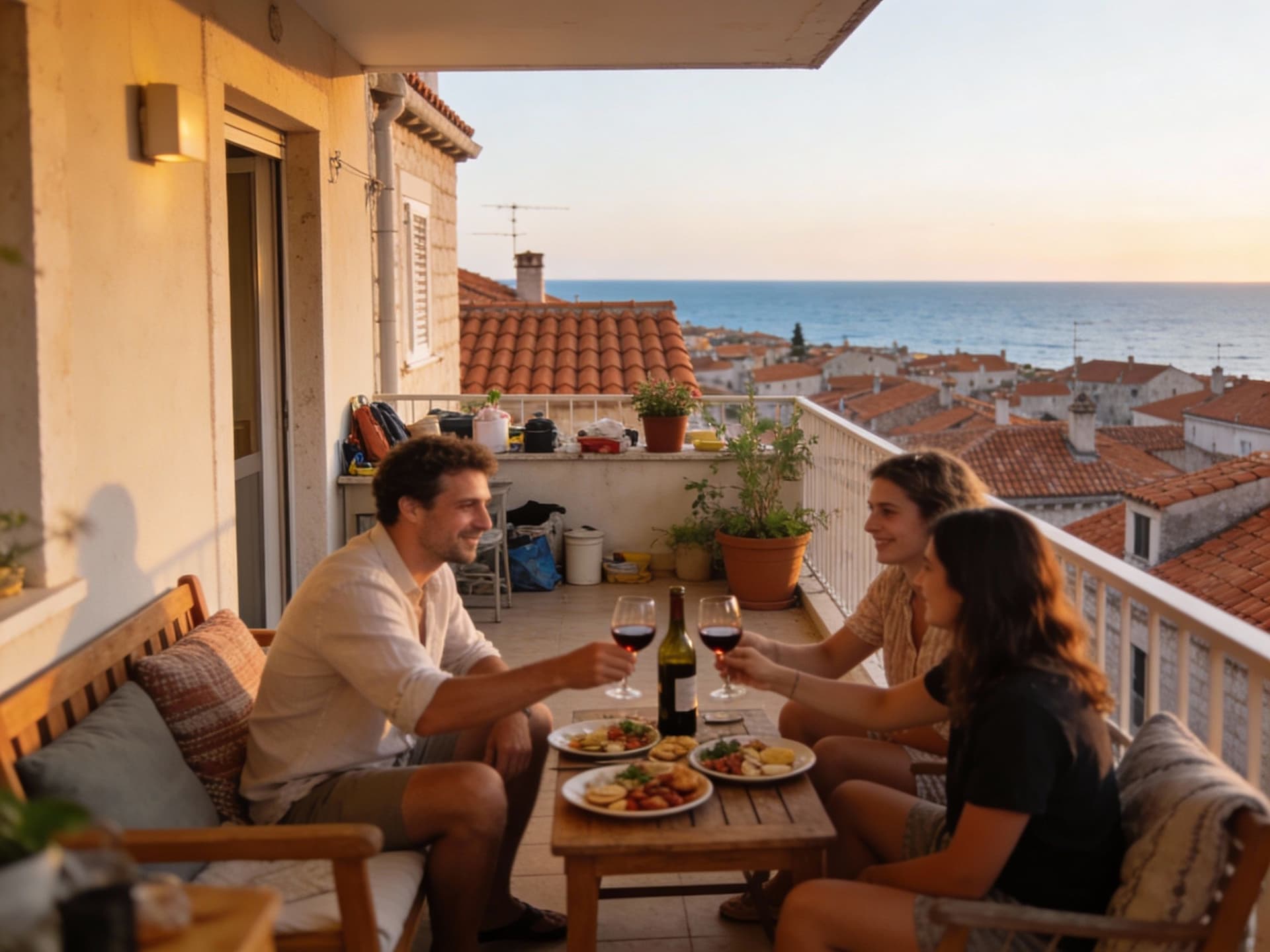
The data is unambiguous: Croatia’s house price index moved higher through 2023–2025 with double‑digit annual gains in parts of 2024. That growth creates two simple realities: coastal and urban pockets command premiums, and headline growth masks wide regional variation. Read price indices alongside asking‑price listings to see where margins between advertised and transaction prices exist.
Property types and what they mean for daily life
Stone houses on islands offer character but often need upgrades — heating, insulation and septic systems matter in older buildings. New builds near Dubrovnik or Zagreb give modern comfort but come with higher per‑m2 costs. Consider the lifestyle you want: a restored stone house for slow summers, or a central apartment for year‑round urban life and rental flexibility.
Working with local experts who know season and statute
An agent who knows ferry timetables, local building inspectors and seasonal rental patterns is worth their commission. Local lawyers help with title searches and use of registry extracts; accountants model yield after the new property tax proposals. Good advisors translate lifestyle language into contract clauses — heating installation deadlines, utility access covenants, and rental restrictions.
- Steps to align lifestyle intent with market reality
- Decide primary use (year‑round home, seasonal retreat, long‑let) and map neighbourhoods that support it
- Compare official HPI (national) with local asking prices and recent sale evidence in target counties
- Commission a local technical survey and a lawyer’s title report before offering
Insider knowledge: what expats say (and what the data confirms)
Expats commonly say: ‘Buy outside August.’ The reason isn’t romance — it’s liquidity. Summer inflates willingness to pay and masks maintenance issues. Data and policy changes also matter: proposed property tax reforms aim to discourage short‑term vacancy and speculative stock. Those reforms shift the yield calculus for coastal holiday lets and favour owners offering long‑term leases.
Cultural integration, language and community signals
Croatians value neighbourhood reciprocity: a helpful neighbour, a local konoba that knows your name. Learning basic Croatian opens doors, but communities on islands and in smaller towns operate in a mix of Croatian and Italian or local dialects. Invest time in markets and festivals — they’re where social capital is built and where buyers become residents rather than tourists.
Long‑term view: which signals predict sustainable value
Look for sustained demand drivers: year‑round population growth, transport links, and municipality investments in infrastructure. Short‑term spikes tied to tourist seasons are less reliable. Use national HPI trends to check whether local asking‑price rises are part of a wider movement or a localized premium that may correct.
- Red flags and practical checks before you sign
- Unexplained high summer-only occupancy — suggests dependency on short‑let income
- Incomplete utilities or unclear access rights for sea‑front plots
- Absence of recent sale comparables in the same street — makes pricing speculative
- If you find a deal that feels too cheap, follow these steps
- Ask for three years of utility bills and occupancy records to confirm usage patterns
- Order a cadastral (land registry) extract and cross‑check easements and servitudes
- Get a written quotation from a local builder for obvious remedial works — factor this into offer pricing
Conclusion: Croatia sells a life as much as it sells square metres. Let the lifestyle lead your shortlist, but let data, local experts and clear checks govern the offer. Read national HPI reports alongside county asking prices, time your visits outside the tourist peak, and insist on technical and legal clarity before you pay. When lifestyle and evidence align, the Adriatic rewards patience.
British expat who relocated to Marbella in 2012. Specializes in rigorous due diligence and cross-border investment strategies for UK and international buyers.