Croatia: Street‑Level Price Truths and Seasonal Risks
Croatia’s headline prices hide micro‑markets. Use county indices, seasonal visits, and street‑level comparables to match Adriatic lifestyle dreams with realistic yields and risks.
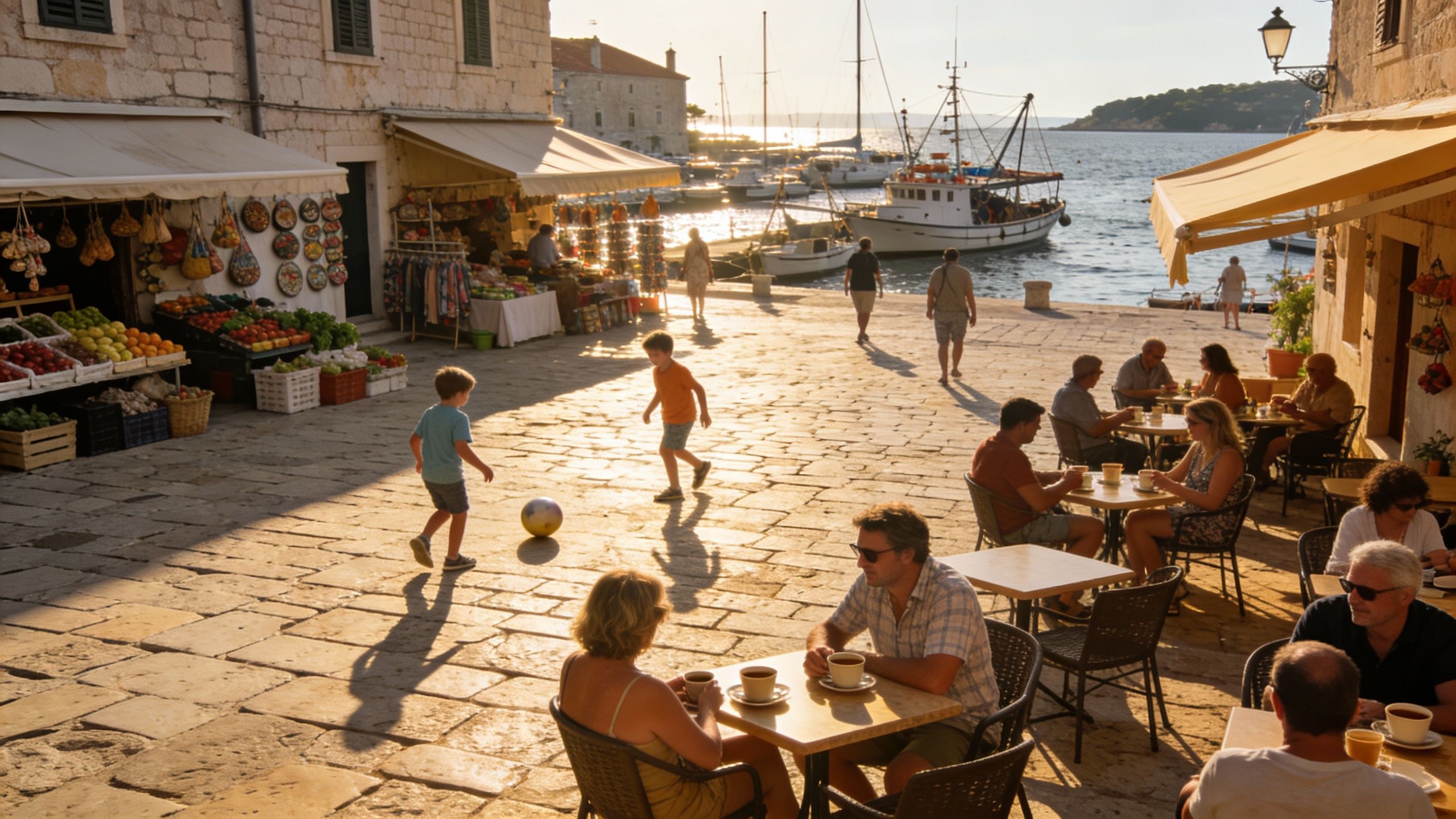
Imagine waking to espresso steam on a stone terrace in Rovinj, then buying morning fish at Pula’s market before a noon swim — and realising the price you thought was "coastal premium" is more a patchwork of micro-markets. For many international buyers Croatia is two markets: the Adriatic summer headline and a quieter, inland reality. That duality hides opportunities — and pitfalls — that simple median prices miss.
Living the Croatia lifestyle
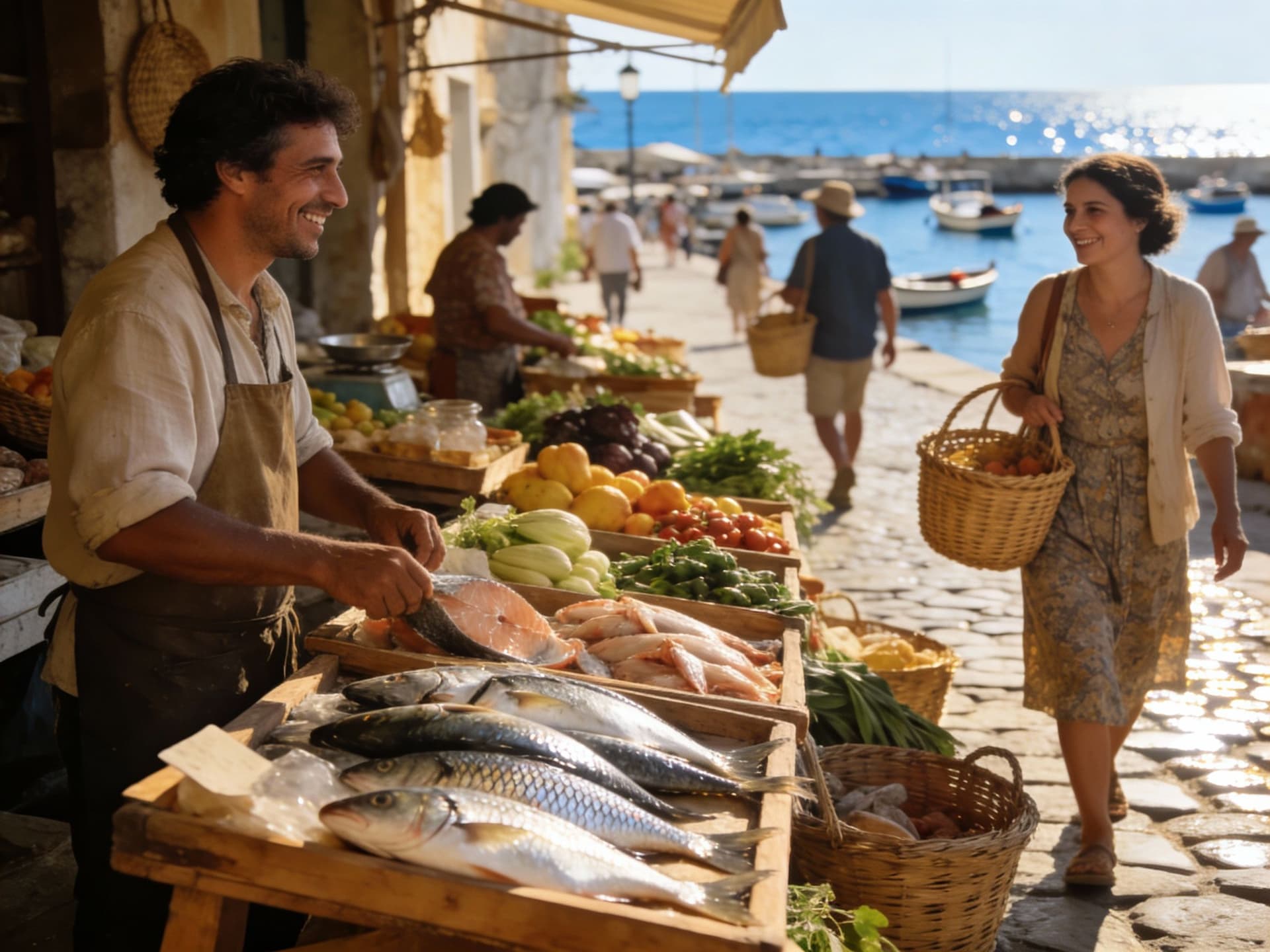
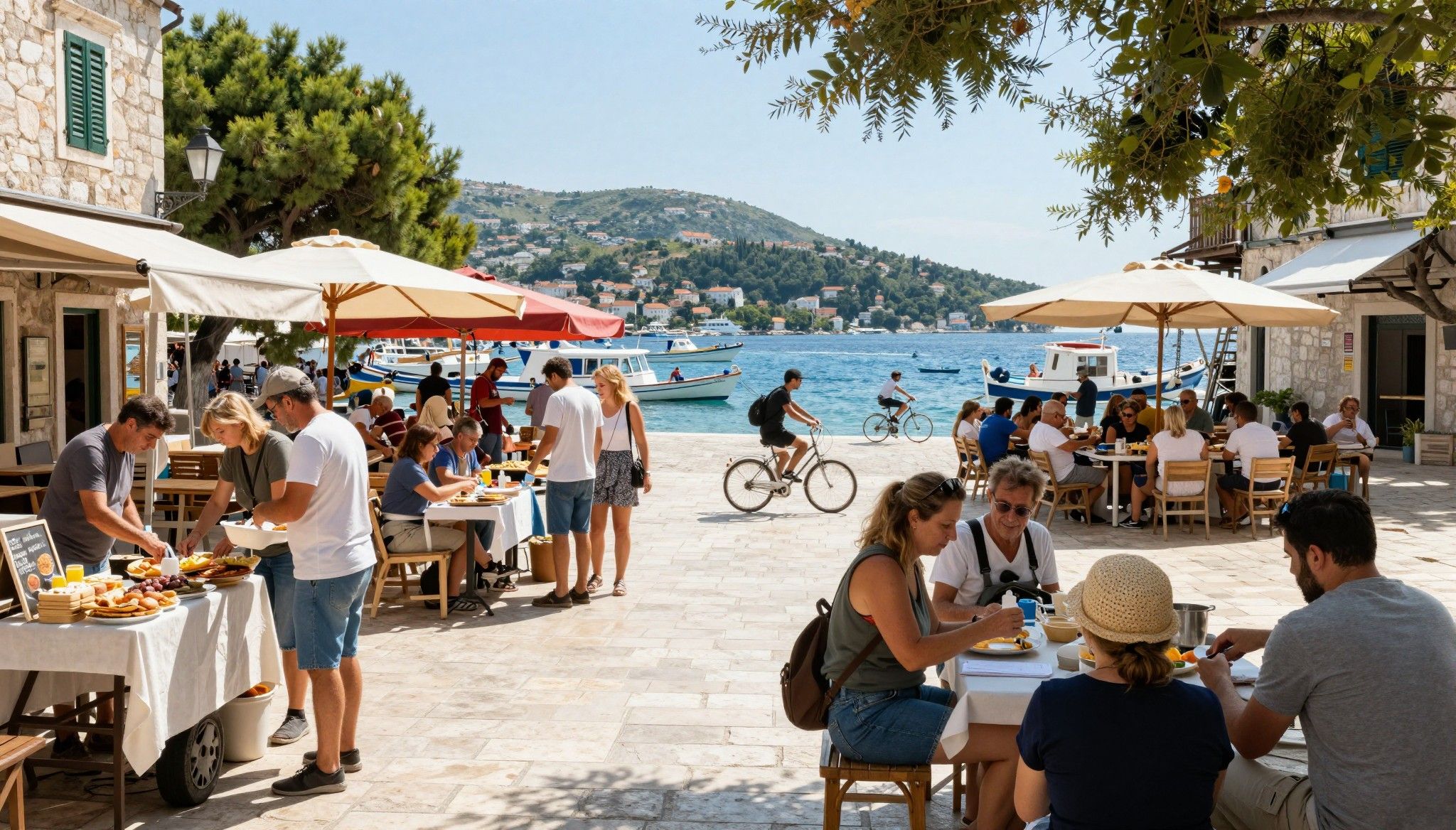
Croatia moves at a Mediterranean rhythm. Mornings favour markets and cafés; afternoons open to sea or hill trails; evenings gather people in town squares. Coastal towns pulse in summer — Split’s Riva and Hvar’s harbour are lively — while places like Varaždin and Slavonia sing quieter local life year-round. That rhythm shapes what you buy: terraces and shutters matter more on the coast; heating and storage matter inland.
Istria & Rovinj: cafe culture and restaurateurs
Stroll Poluotok in Rovinj and you’ll see chefs buying truffles at market stalls and buyers paying premiums for narrow-front apartments near Piazzetta. Istria’s combination of gastronomy and year-round tourism supports steady demand for well-located apartments and stone houses; it also compresses supply during festival weeks.
Dalmatian coast: seasonal intensity and micro-prices
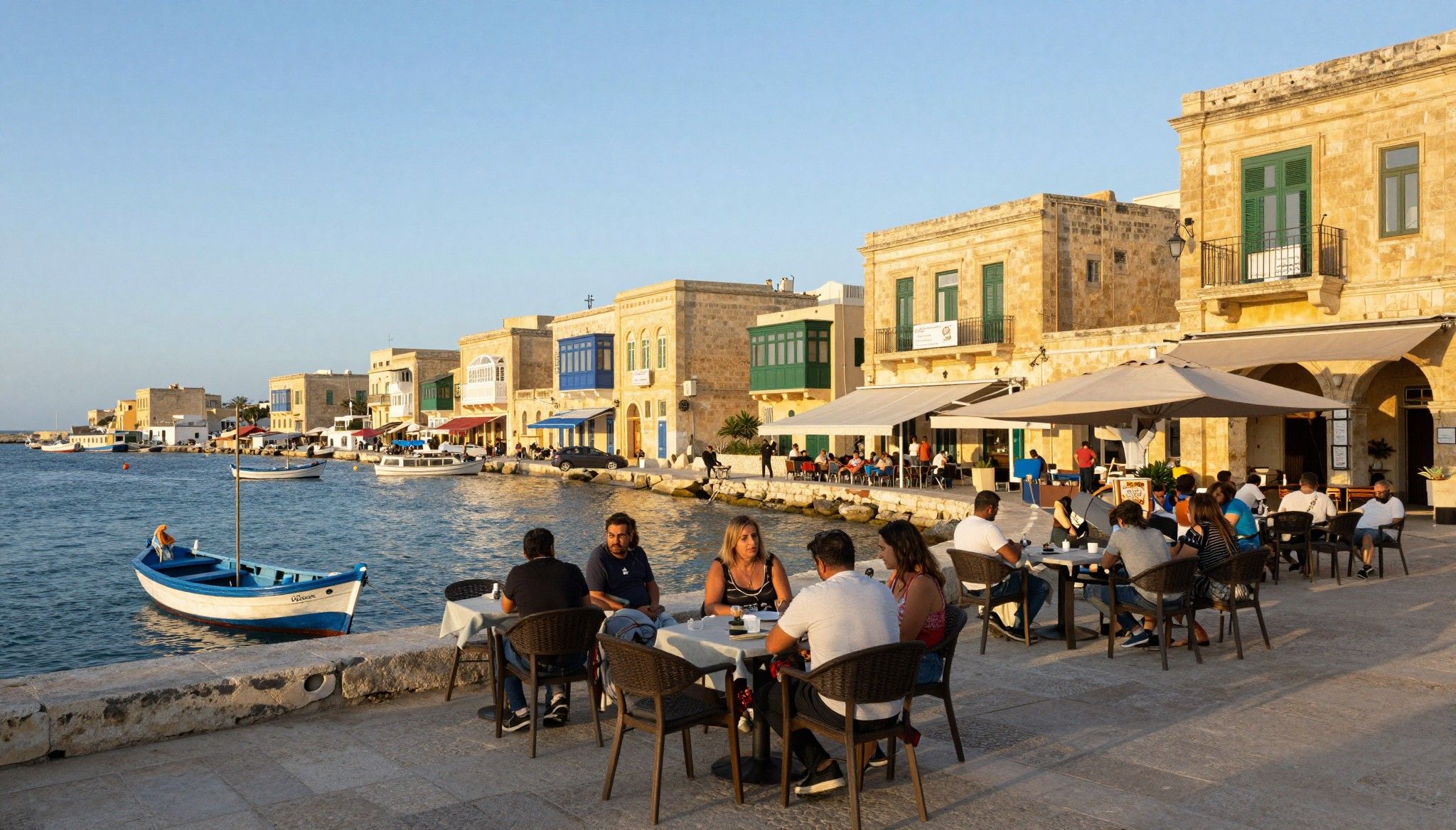
Split, Dubrovnik and islands deliver the Adriatic headline: high occupancy, strong short‑term yields and volatile asking prices. But prices are hyperlocal — a sea‑view apartment on Hvar will trade at multiples of a 10‑minute inland village. Seasonal visitor numbers inflate perceived value; outside peak months the lived experience and rental income are very different.
- Lifestyle highlights: morning markets in Pula; espresso on Split’s Riva; truffle dinners in Motovun; sea swims off Zlatni Rat; late‑summer festivals in Šibenik; quiet winters in continental towns.
Making the move: practical considerations

Recent official statistics show dwelling prices rose strongly into 2025 — house price indices climbed over 10% year‑on‑year in places — but growth is unequal. The Croatian Bureau of Statistics records bigger rises inland (“Other”) and in Zagreb, while the Adriatic coast’s headline growth masks county-level divergence. For buyers that means careful street- and county-level sourcing, not national averages.
Property types and how they match life
Stone Istrian houses and Dalmatian apartments sell very differently. If you want year‑round life, prioritise insulation, a reliable heating system and proximity to medical services. If you buy coastal for summer rentals, focus on access, balconies and permitted tourist use. Old town buildings offer texture and location but often need structural work and higher maintenance budgets.
Working with experts who know the local rhythm
- Steps that blend lifestyle and practicality: 1) Visit in two seasons (pre‑season and low season) to test year‑round life and rental cadence. 2) Request county‑level price histories rather than country averages; compare DZS indices with local listing trends. 3) Ask agencies for street‑level comparables, permitted rental records and recent renovation costs. 4) Factor in short‑term rental rules — recent 2024 draft laws tighten STR use in historic centres — and run worst‑case yield scenarios. 5) Inspect technical building documentation (use permit, energy certificate) and obtain simple survey quotes before offer. 6) Plan for 5–10% immediate renovation and decoration costs on older coastal properties.
Insider knowledge: what expats wish they'd known
Practical surprises keep recurring. Expats often underestimate how regulation and seasonality shape returns. In late 2024 the government signalled tighter controls on short‑term rentals to free housing for locals — a welcome social policy that can reduce summer‑peak income. Buyers who priced offers based on peak July–August rents discovered lower off‑season occupancy and rising compliance costs.
Cultural and daily‑life realities
Language matters but so do local networks. An espresso‑bar owner in Split will tell you more about micro‑neighbourhood shifts than a national report. Getting to know local kafanas, municipal offices and the registry (katastar) pays dividends. Expect slower administrative timelines than in some EU neighbours; build time buffers into purchase schedules.
Long‑term livelihood: what holds value
- Value drivers to prioritise: - Proximity to a functioning harbour or reliable transport links - Energy efficiency and renovation potential in stone houses - Legal permission for tourist use where rental income matters - Local services (healthcare, supermarkets, banks) within 15–30 minutes - Street orientation and views — sea views command consistent premiums
Conclusion — love the lifestyle, buy with street‑level intelligence. Croatia offers durable Mediterranean living and compelling coastal yields, but success depends on local detail: county indices, seasonal demand, regulation on short‑term rentals, and the physical condition of historic stock. Visit off‑season, demand street‑level comparables, and work with advisors who can translate local rhythm into realistic cashflow and lifestyle expectations.
Norwegian market analyst who serves Nordic buyers with transparent pricing and risk assessment. Specializes in residency rules and tax implications.