Croatia: Street Life, Price Signals and Seasonal Timing
Croatia’s lifestyle appeal masks strong, regionally uneven price growth. Use official HPI figures, season‑aware visits and local expertise to match life plans with real costs.
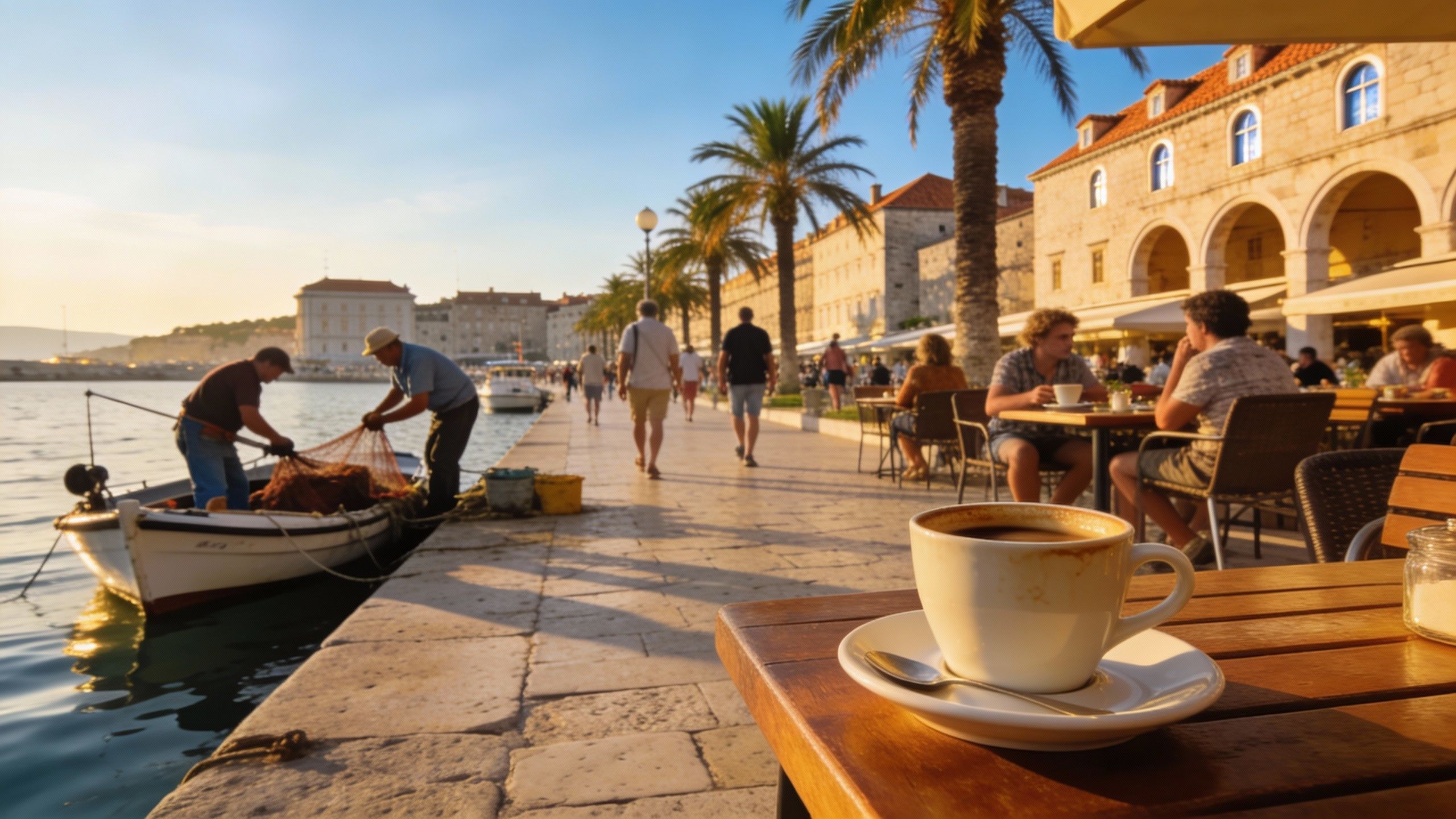
Imagine sipping espresso on Split’s Riva as local life slides by — fishermen hauling in the morning catch, a cafe owner sweeping the pavement, children kicking a ball near the palm trees. That everyday rhythm explains why buyers keep coming: Croatia sells a lived-in, coastal Mediterranean life, not just a sea‑view photo. Yet that romance sits alongside real, measurable price momentum and policy change that every serious buyer needs to know. Recent official data show house prices rising strongly across regions, while policy nudges are changing the calculus for owners and investors. See the DZS release for the latest figures.
Living Croatian Life — texture before transaction
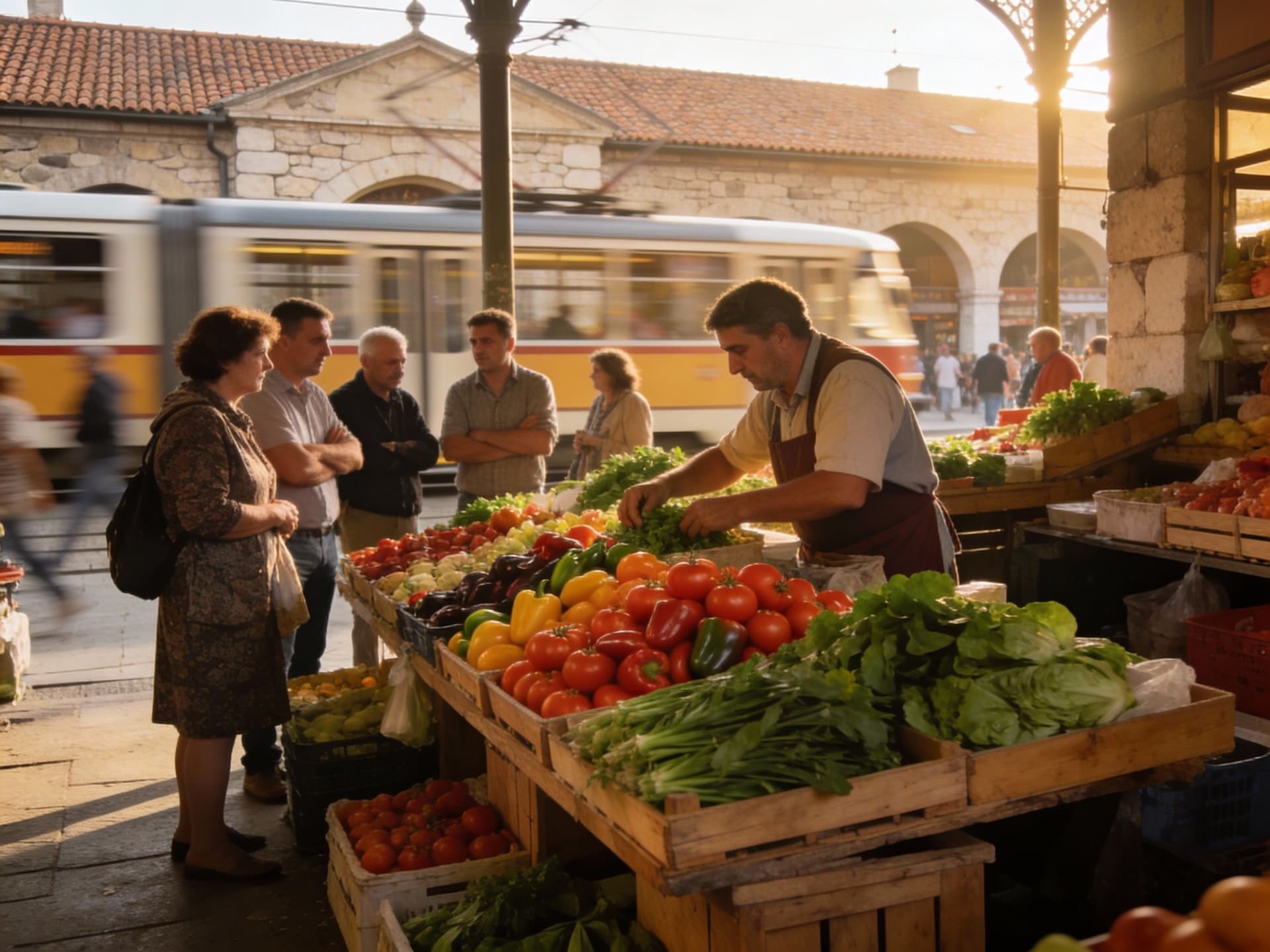
Croatia feels Mediterranean but is firmly European: espresso culture in the morning, family dinners late, island ferries that set the weekend tempo. Cities differ sharply — Zagreb hums with professionals and students, Split and Dubrovnik pulse with tourism and seasonal life, Istria blends vineyards and quieter coastal towns. Colliers’ market overview reflects this split: tourism drives coastal demand, Zagreb drives year‑round housing pressure.
Zagreb: compact city life, steady fundamentals
Stroll Maksimir at dawn and you’ll meet joggers and parents with prams — a city that is dense but not frantic. That density translates into steady demand for apartments near universities and hospitals. Expect strong rental appeal, limited vacancy, and new-builds that command a premium for modern finishes and parking.
Adriatic coast: seasonality shapes value
On the coast, life is organized around the season. Summers are full; winters quiet. The national statistics office (DZS) reports the Adriatic coast saw price growth in early 2025, but with sharper swings between high season and off‑season demand. That seasonality alters rental yield calculations and upkeep costs for second homes. Buyers who prize day‑to‑day neighbourhood life should prioritise towns with year‑round services (e.g., Pula, Split) over micro‑resorts.
Lifestyle highlights to sample before you buy: • Morning market in Dolac, Zagreb — produce, conversation, neighbourhood intel • Espresso and promenade life on Split’s Riva — social pulse and easy sea access • Ston oyster farms and Istrian truffle days — food scenes that define area identity • Ferry runs from Hvar town — island rhythm that shapes ownership costs • Hidden coves around Brač — quiet anchors for a private second‑home lifestyle
Making the move: how prices, policy and seasonality change timing
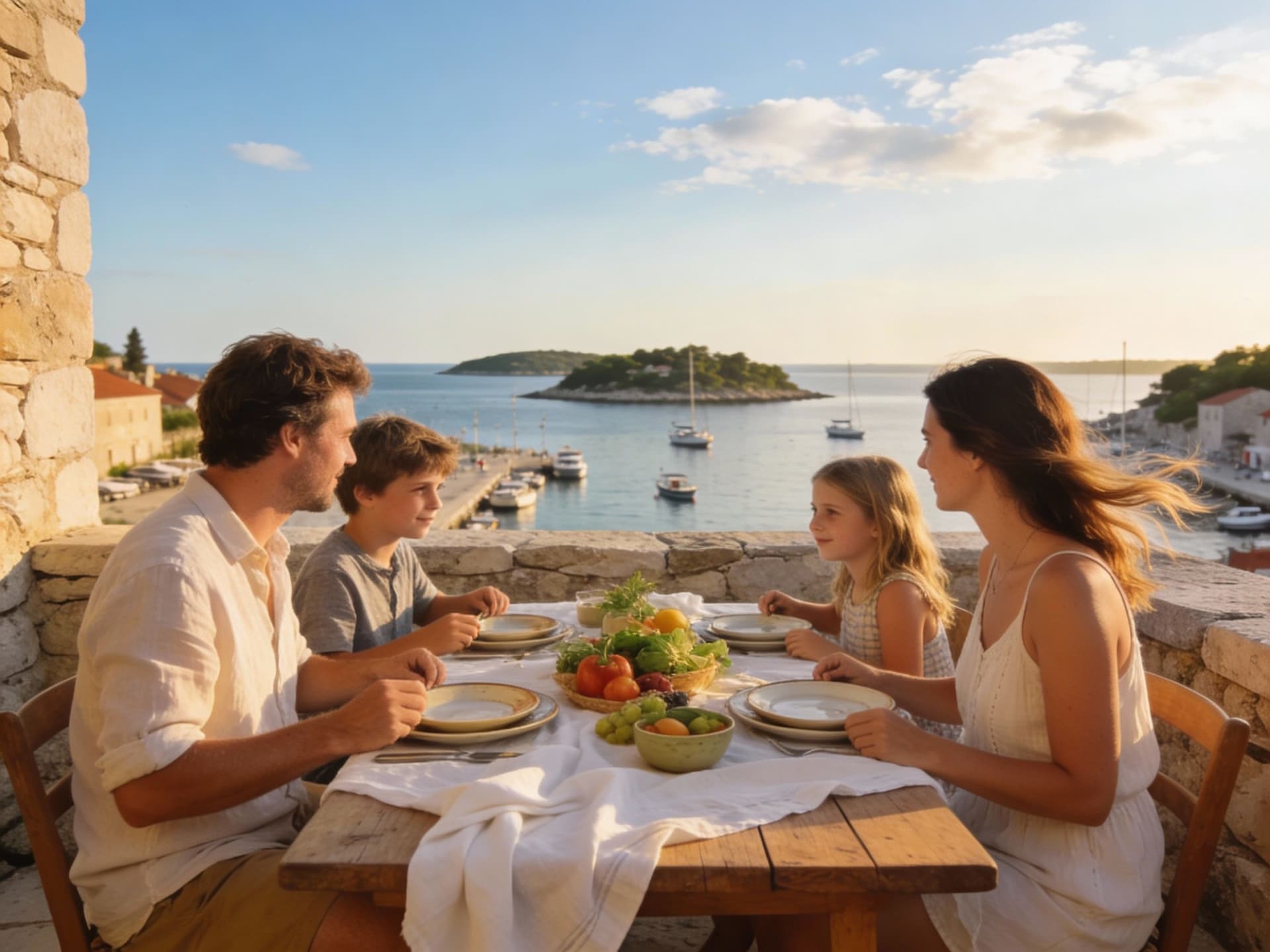
Dreams meet contracts. Recentmarket research shows national house price indices rising through 2024 and into 2025, and policy moves—like Croatia’s planned property tax reform—are shifting cost lines for owners. Colliers highlights persistent demand for quality stock while Reuters and DZS report reforms and strong price momentum. These realities should influence when you make offers and what ownership model you choose.
Property types: what fits how you want to live
Stone Adriatic homes offer texture and cooler interiors but require maintenance; modern Zagreb flats offer efficient heating and clearer running costs. New builds command higher per‑m² prices but lower immediate renovation spend. If you plan year‑round living, prioritise insulation, window quality and reliable heating; for seasonal use, focus on low‑maintenance exteriors and easy property management.
Steps to align lifestyle and market reality: 1. Visit across seasons — sample summer vibrancy and winter quiet. 2. Pair a local agency with an independent surveyor to check title, building fabric and utilities. 3. Price-check using official HPI and local asking‑price listings, then build a 6–12 month liquidity buffer for slow rental months. 4. Factor new property taxation rules into your cash flow model before committing. 5. Agree a maintenance plan (local caretaker or agency) if you will be remote.
Insider knowledge: what expats wish they’d known earlier
Practical knocks: language matters in paperwork, seasonal utility bills can surprise, and coastal zoning rules impact extensions and terraces. Expat homeowners often under‑estimate service costs for off‑season upkeep and overpay when they buy sight unseen in high summer. DZS data show price rises are real; the smart buyer translates those macro numbers into street‑level checks — recent comparable sales, local rentals, and building condition.
Cultural integration and community choices
Croatians value place and continuity. Learn a few phrases, attend a market or a church festival, and local trust will follow. Choose neighbourhoods with a mix of residents — local families, small businesses and long‑term residents — if you want a genuine, year‑round community rather than a seasonal bubble.
Longer-term view: growth drivers and risks
Key market signals to watch: • Tourism receipts and overnight stays — buoy coastal prices. • Building permits and completions — supply response can ease pressure. • National tax policy on property — affects holding costs and investor appetite. • Mortgage rates and credit availability — immediate demand driver. • Local infrastructure projects (ports, airports) — neighbourhood-level value catalysts.
Buying in Croatia is as much about a lifestyle decision as it is an investment. Start by spending time there across seasons; use official HPI data and market reports to set realistic expectations; work with an agency that knows the street not just the brochure; and build a post‑purchase plan for management and tax. If you do this, you buy both a place and a way of life — and that, for many, is the point.
British expat who relocated to Marbella in 2012. Specializes in rigorous due diligence and cross-border investment strategies for UK and international buyers.