Cyprus: Street‑Level Price Signals and Lifestyle Opportunities
Cyprus blends coastal charm with measured price growth; district-level data shows steady HPI gains and distinct opportunities in Limassol, Paphos and Larnaca.
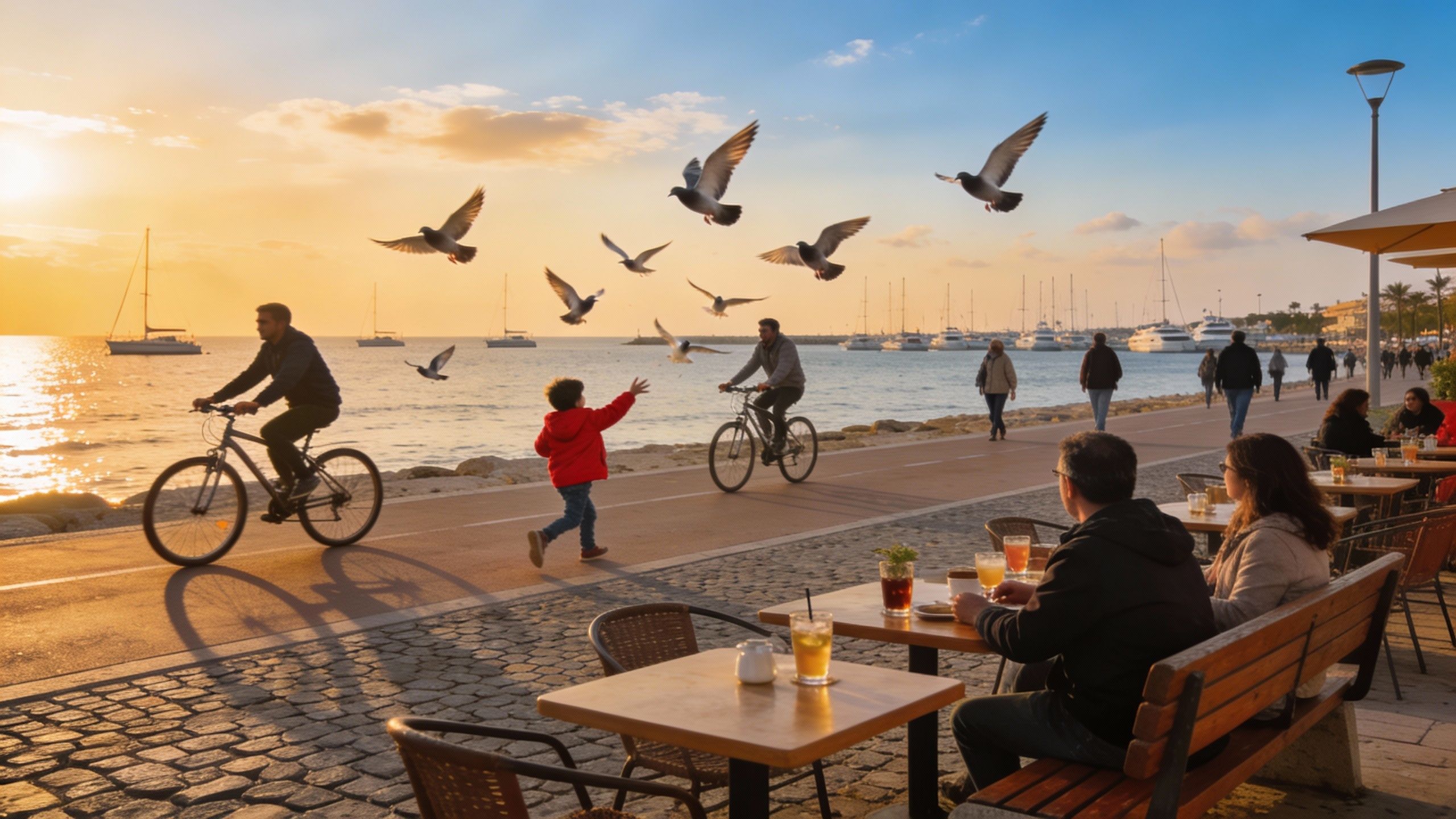
Imagine sitting at a cafe on Limassol’s Molos, watching ferries chug past while a local tells you which street still hides undervalued villas. Cyprus is sun, slow Sundays and compact neighbourhoods where daily life happens on sidewalks and in small markets. But beneath the cafe chatter are clear price signals and a market that quietly diverged from broader European volatility in 2024–25. That mix — lived-in charm and measurable performance — is what makes Cyprus interesting to international buyers.
Living Cyprus: neighbourhoods, rhythms and tastes
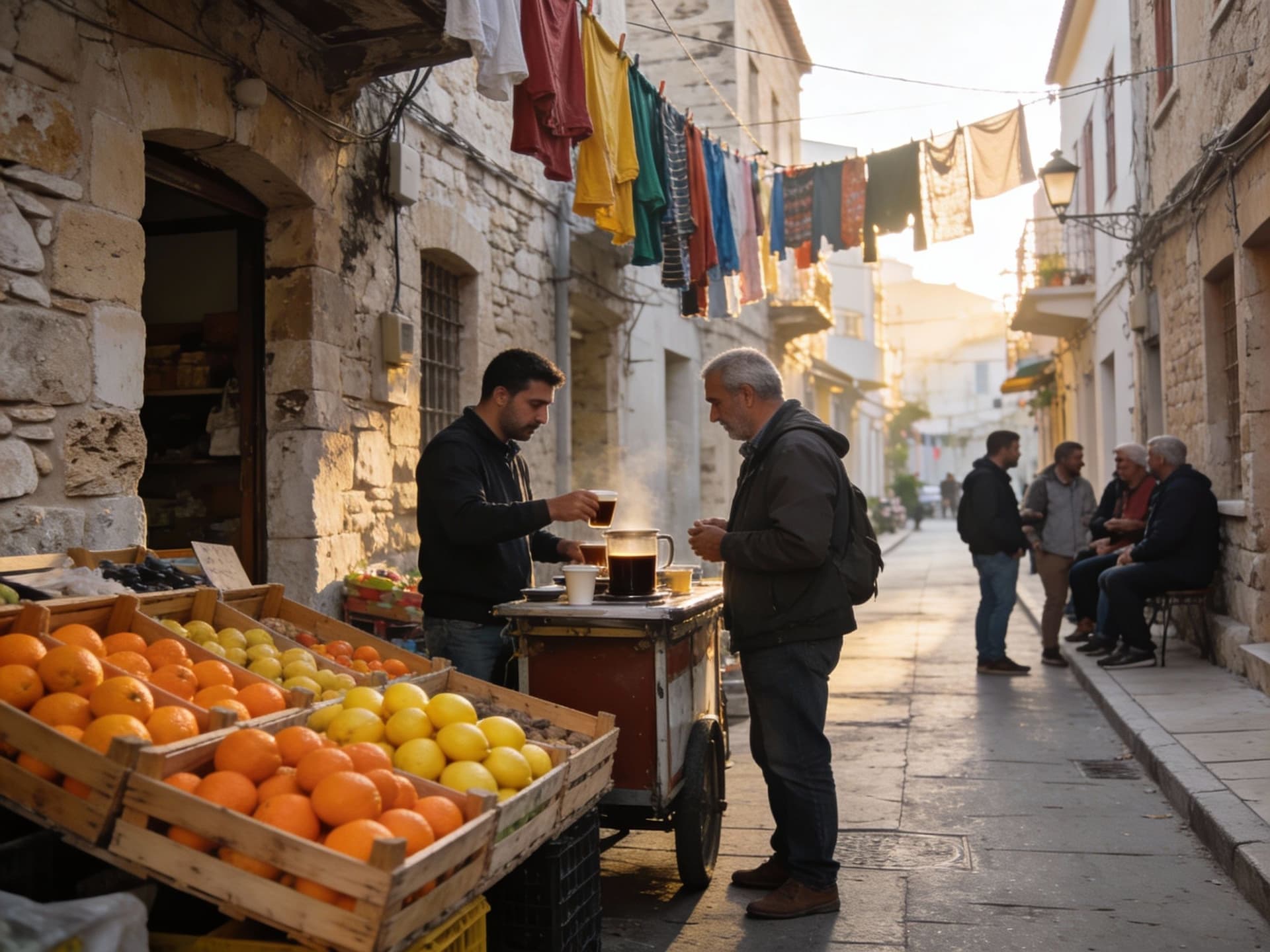
Cyprus feels smaller than its maps suggest. Mornings begin in bakery-lined lanes in Nicosia and Larnaca; afternoons move to beaches in Paphos and Limassol; evenings concentrate around tavernas where fish is grilled to order. The island’s life is coastal but not exclusively so — mountain villages like Omodos and Kakopetria keep traditions alive and draw buyers who want slower winters and stone houses. For an international buyer, this means lifestyle choices are tightly linked to micro-markets: one street can be decidedly cosmopolitan while the next retains a village pace.
Limassol: international business, sea promenades and resale premiums
Limassol is Cyprus’s commercial heartbeat. New developments line the coast, and luxury apartments command a premium — PwC reported Limassol accounted for roughly 44% of total transaction value in 2024. Walking the Molos or Anexartisias, you’ll hear English, Russian and Arabic; you’ll also see resale values that outperform many inland suburbs. For buyers seeking rental demand and capital stability, central Limassol remains a predictable, if pricier, choice.
Paphos & Larnaca: coastal value and seasonal momentum
Paphos has been the surprise performer in recent periods, attracting buyers who want coast, culture and slightly lower per-metre prices than Limassol. Larnaca’s airport improvements and coastal regeneration have pushed transaction volumes upward. These districts show how infrastructure and lifestyle tweaks — a marina, an airport upgrade, a festival — translate into neighbourhood-level price momentum.
Price trends: what the hard data actually shows

The Statistical Service’s House Price Index shows steady but modest annual gains through 2024, with quarterly fluctuations tied to seasonal sales. Apartment prices rose notably in previous quarters while houses have shown resilient long-term appreciation. The Central Bank’s price indicators confirm district-level variability: Limassol and Larnaca registering stronger growth while Nicosia remains more subdued. These are not boom numbers; they are measured increases that reflect local demand and limited supply in coastal hotspots.
Why ‘expensive Cyprus’ is a mistaken headline
Headline comparisons to the UK or southern France mislead. Cyprus averages mask sharp intra‑island differences: Limassol’s luxury seafront is not the whole market. When you compare similar product — mid-range apartments in Nicosia or family houses in Paphos — Cyprus looks competitive among southern European destinations. The more useful question is which micro-market you’re targeting, because that drives price, yield and downside risk.
Key data points international buyers should note
House Price Index: steady annual rises ~2–3% in 2024 (Cystat).
Transaction concentration: Limassol leads in value; Paphos shows fastest growth in premium houses (PwC, Leptos).
Product split: apartments drive volumes in cities; detached houses appreciate faster in coastal/mountain districts.
Making the move: practical steps that preserve lifestyle value
Your lifestyle brief should be the first document you produce, not the last. Define how you want to live — morning coffee on Finikoudes promenade, a village weekend in Troodos, rental income when you’re away — then map property types and districts to that life. Doing this keeps you grounded when agents show tempting but irrelevant listings, and it directly affects price sensitivity and expected returns.
Property types and what they deliver
Modern seafront apartments provide low-maintenance living and strong short-term rental demand but often higher entry prices. Traditional village houses deliver character and lower price-per-square-metre, with renovation upside and seasonal living trade-offs. New builds in Limassol or Larnaca will suit buyers prioritising infrastructure and predictable services; buy-to-let investors should contrast occupancy data rather than marketing claims.
How local experts translate lifestyle into reliable valuations
1. Give your adviser a clear lifestyle brief with willingness-to-pay bands.
2. Require recent comparables (same street, same floor) and ask for withheld or failed-sale examples.
3. Insist on validated rental data for buy-to-let assumptions (seasonal vs year-round figures).
4. Verify delivery schedules on off-plan purchases and include realistic contingency for construction cost inflation.
Insider knowledge: red flags and surprising opportunities
Expats often tell the same stories: they fell for a view, underestimated seasonal noise, or missed titles issues on older homes. Conversely, several neighbourhoods that locals eyed with caution now offer value — think parts of Nea Pyla or the edges of Tala where infrastructure projects are quietly improving connectivity. The trick is pairing sensory, lived experience with paperwork and price history.
Red flags to watch for
Unclear planning history or missing building permits on older properties.
Rent figures based only on high-season peak weeks rather than annual averages.
Sellers pushing features you won’t use (e.g., expensive maintenance marina slots for infrequent visitors).
Surprising opportunities most buyers miss
Peripheral streets near emerging marinas; off-season rental gaps that can be filled with modest upgrades; converted village homes offering substantial floor area at lower cost.
Living in Cyprus often starts as a holiday feeling and becomes a rhythm: morning markets in Larnaca, a weekday swim in Limassol, Sunday mezze in Paphos. If you pair that rhythm with robust data — house price indices, district transaction mixes, validated rental performance — you remove much of the guesswork from buying. Work with advisers who can translate lifestyle wants into verified comparables and realistic cashflow models.
If you’re ready to explore neighbourhoods that match a life you can see yourself living, request recent street-level comparables, ask for verified rental records, and visit in two different seasons. An informed visit plus disciplined data will show where Cyprus’s charm meets sensible investment. When lifestyle and numbers align, the decision ceases to be a gamble and becomes a plan.
Norwegian market analyst who serves Nordic buyers with transparent pricing and risk assessment. Specializes in residency rules and tax implications.