Cyprus: Street‑Level Value Amid Slowing Prices
Cyprus’s house‑price rise has slowed; street‑level lifestyle cues and official HPI data reveal where steady value and seasonal opportunity meet for international buyers.
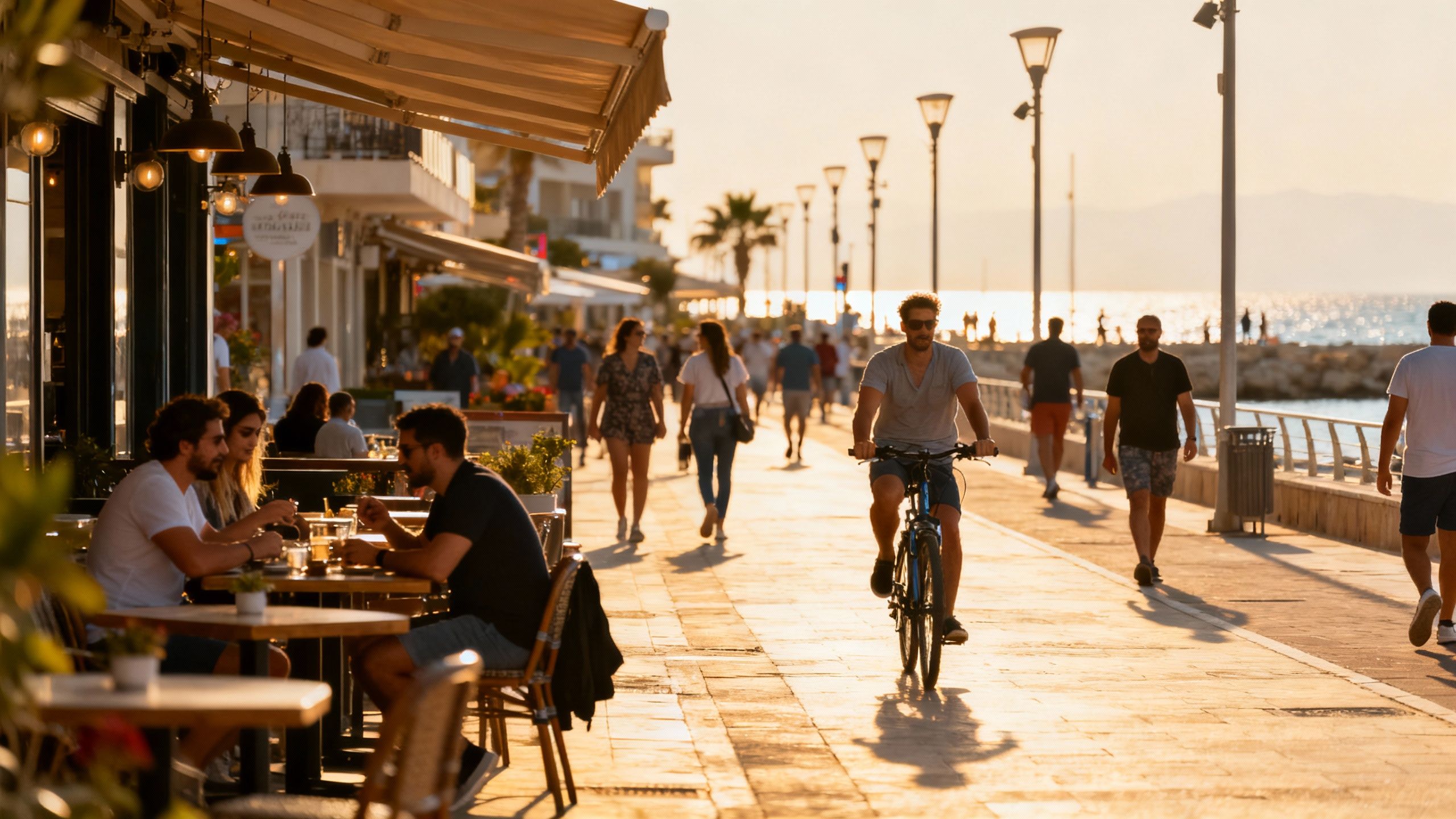
Imagine sipping espresso at a sunlit table on Ledra Street, then walking ten minutes to a compact two‑bed with balconies that catch the sea breeze. Cyprus stages that easy, Mediterranean life — compact cities, slow mountain villages and sudden coastal glamour. Yet beneath the terrace cafés and citrus groves, price moves are quieting, local demand is shifting and seasonal rhythms now shape where value is waiting.
Living Cyprus: daily rhythms and real places
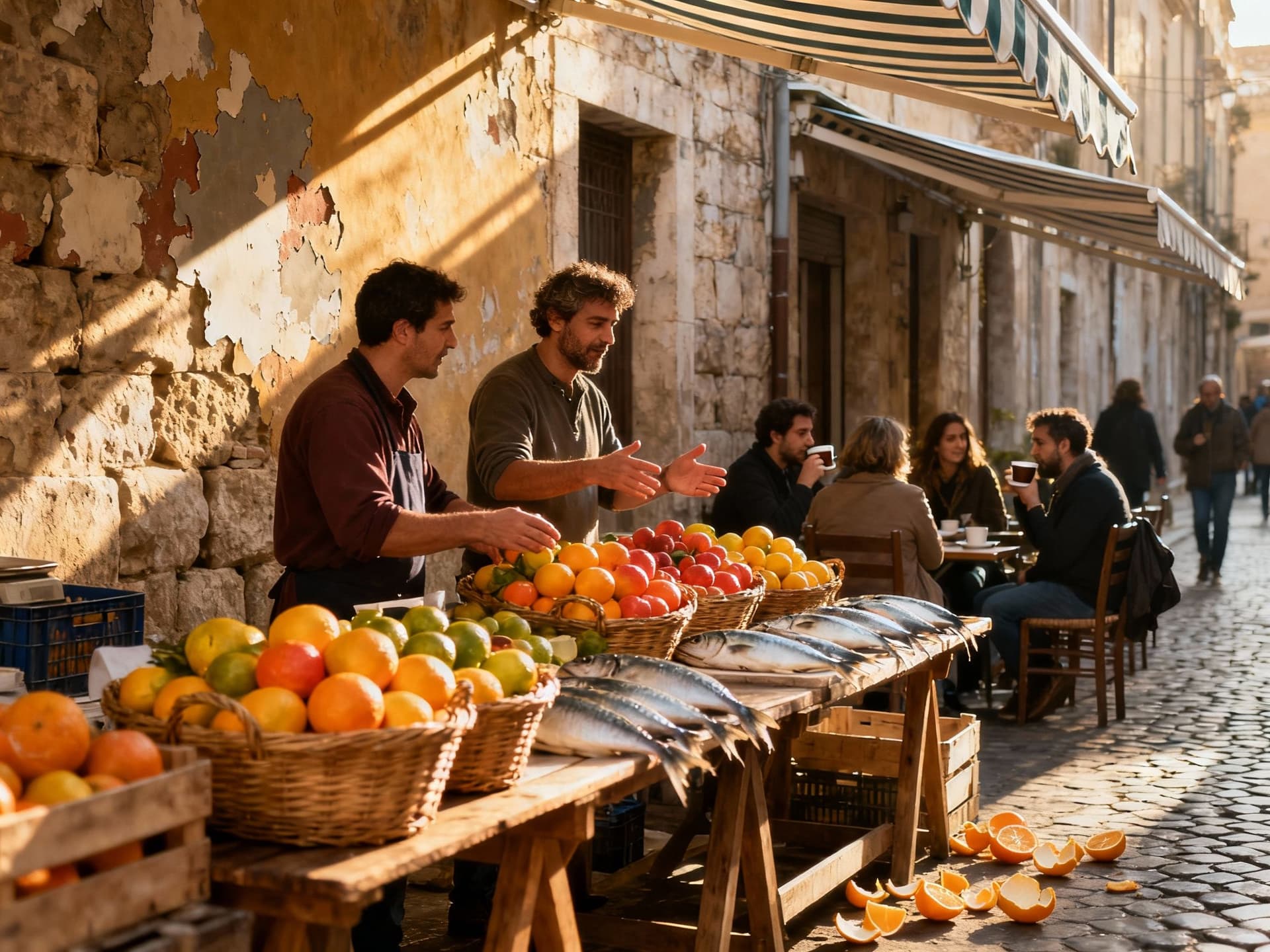
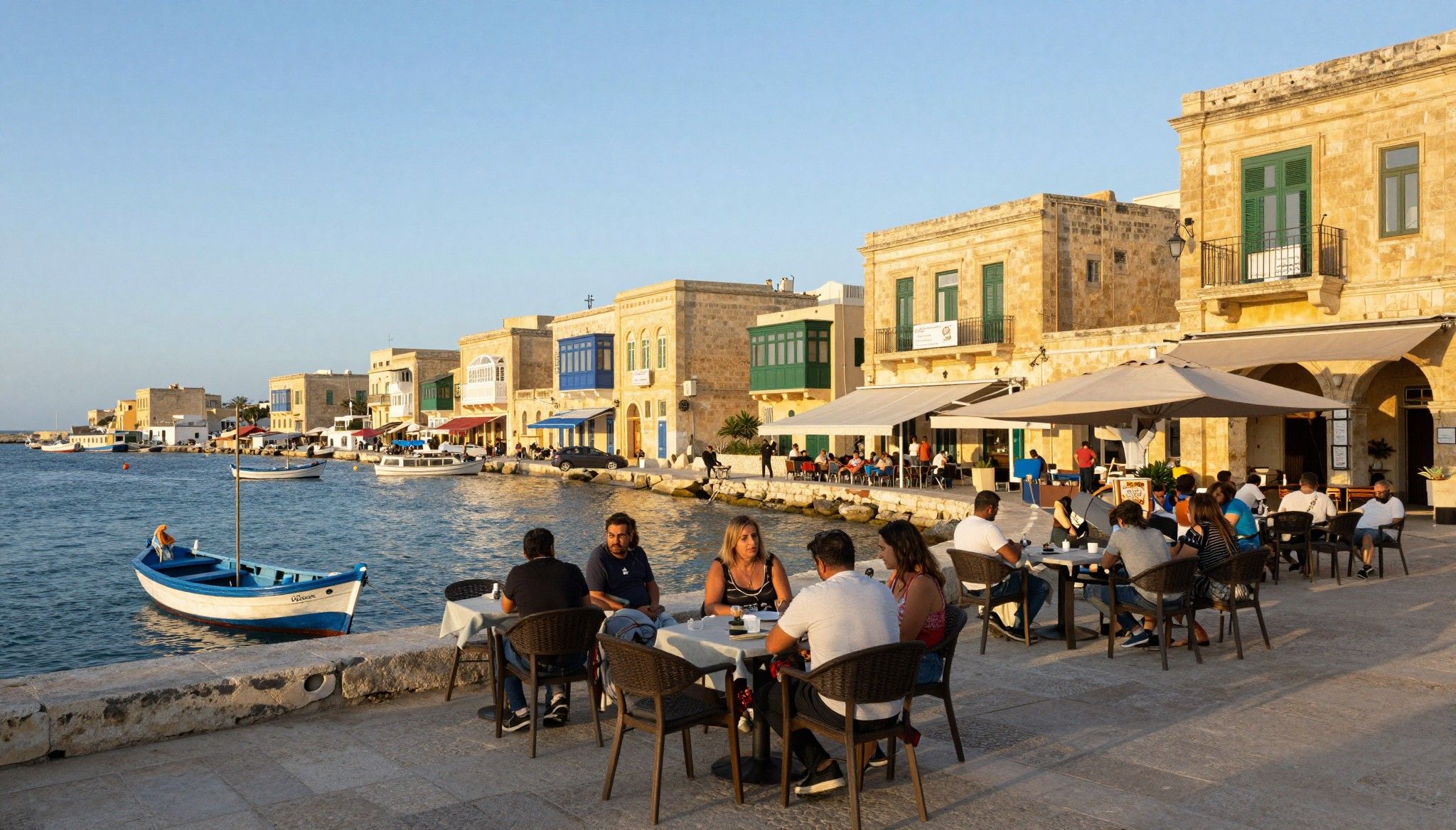
Cyprus is less one place than several: Nicosia’s compact, walkable centre; Limassol’s waterfront energy and yacht marinas; Paphos with its archaeological calm and growing expat pockets; Larnaca’s quieter beachfront life; and the cluster of Famagusta resorts that trade on seasonal demand. Mornings bring bakery queues and strong coffee; weekends are for mountain drives to Troodos or family barbecues on Peyia’s slopes. That variety shapes buyer tastes — and price differentials — more than any single headline figure.
Neighborhood spotlight: Limassol’s Marina fringe
Stroll from the Marina along Franklin Roosevelt to Agiou Andreou and you feel why buyers pay a premium here: cafes, contemporary apartments and short commutes to international schools and corporate offices. Yet value hides on side streets like Germasogeia or in small, well‑converted blocks on Anexartisias where owners trade a harbour view for larger interiors and steadier long‑term rental demand.
Food, season and the small-scale pleasures
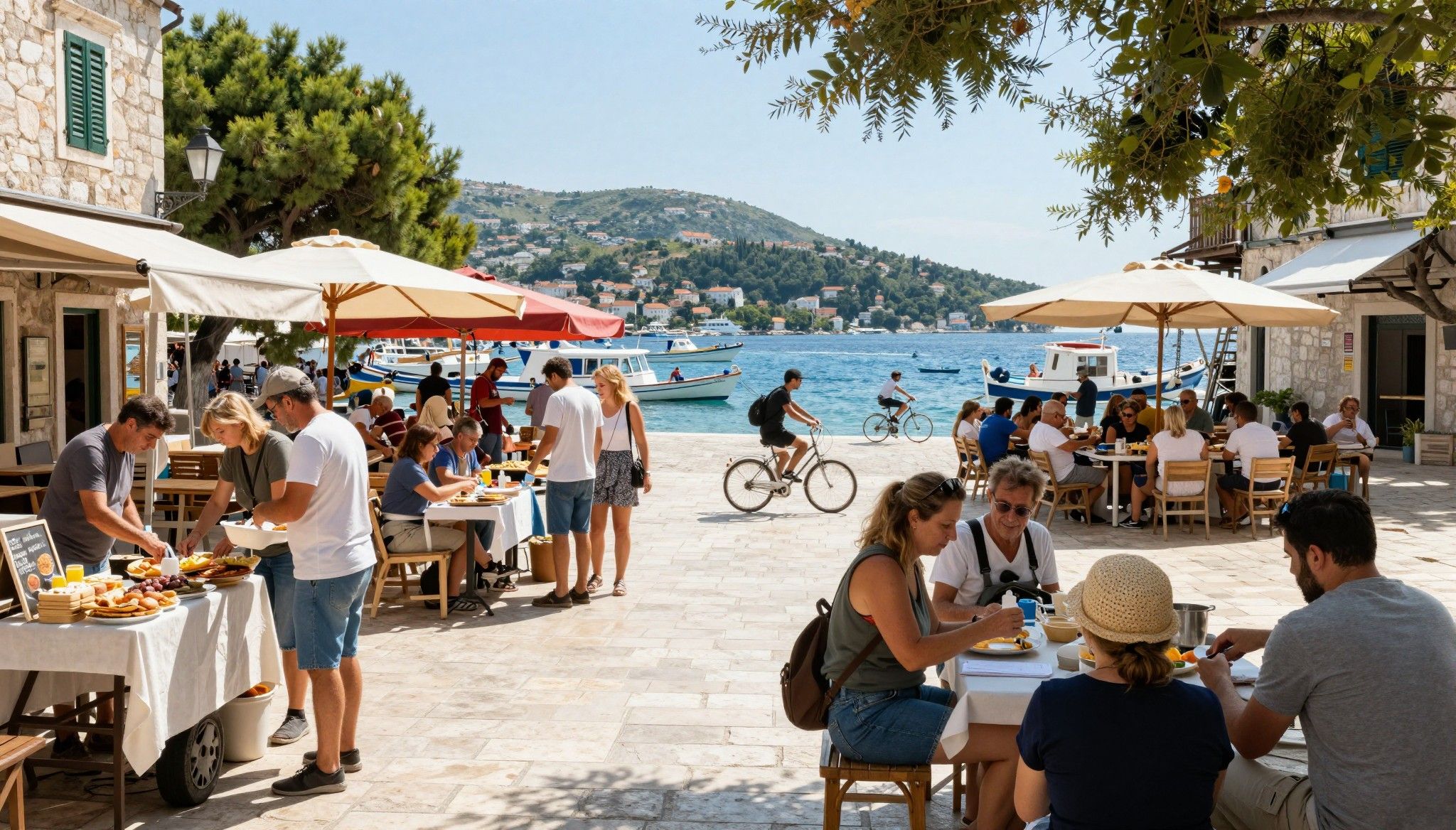
Weekends mean markets — the Larnaca municipal market, Paphos harbour fish stalls — and seasonal festivals from grape harvests to Easter processions. These cultural anchors influence short-term rental peaks and local rental yields. If you want living culture rather than a postcard rental, look for streets with year‑round shops and bakeries rather than blocks dominated by short‑term lets.
- Lifestyle highlights to look for when house‑hunting
- Agiou Andreou (Limassol) — café culture and evening life
- Kato Paphos harbour — archaeological setting, steady rentals
- Larnaca old town — small streets, local markets, slower prices
- Troodos foothills (Peyia/Nicosia outskirts) — village life, cooler summers
Making the move: market signals and practical trade‑offs

If the lifestyle draws you, the data matters for timing. Official indices show Cyprus house prices continuing to rise but at a markedly slower pace in 2024–2025. The Statistical Service reports only modest annual HPI increases (about 2% in Q1 2025) while Central Bank analysis flagged decelerating momentum and changing district patterns. That matters: slower growth means fewer instant paper gains but lower downside risk for patient buyers.
Property styles and how they map to life
Apartments along the coast offer easy maintenance, rental demand and proximity to cafés, but terraces tend to be compact and service charges higher. Village houses in Paphos hinterland give garden space and cooler summers, at the cost of longer commutes to hospitals and international schools. New builds around Limassol emphasise communal facilities; older stone houses in Troodos offer character but require renovation budgets.
Why local experts matter (and what to ask them)
A local agent does more than show properties. Ask for recent comparable sales on your street, the split of long‑term vs short‑term rentals nearby, and records of planning permissions. Good agents will point out municipal plans (coastal setbacks, conservation zones) that affect future value. Treat clear local data as permission to invest; absence of it is a red flag.
- Practical steps that blend lifestyle and data
- Request district HPI and recent sale prices for exact streets (not just city averages).
- Compare service charges and rental seasonality against your intended use (year‑round living vs holiday lets).
- Factor renovation, maintenance and possible title clarifications into your offer—budget 10–20% beyond purchase price for older properties.
Insider knowledge: contrarian truths expats rarely expect
Experienced expats often tell us the same surprise: areas locals avoid in high season can be the best long‑term buys. Stretch of Famagusta outside the resort core, for example, shows greater price elasticity — big seasonal upside but quieter winters. Likewise, Limassol side‑streets offer steadier rental demand than headline marina towers where supply is abundant.
Cultural cues that change property choices
Cypriot life values outdoor gatherings, family proximity and afternoon siestas in summer. That shapes layouts: covered patios, external kitchens and internal courtyards outperform glossy open‑plan interiors for long‑term family living. If you prioritise rental income, however, modern turnkey apartments near transport and beaches still win.
Longer view: where value is likely to steady
Macro indicators suggest modest growth ahead: the IMF and domestic statistics point to continued GDP growth and tourism resilience. For buyers that means steady demand for coastal and well‑connected urban homes rather than speculative spikes. Focus on districts with employment growth, international schools and consistent tourism flows when forecasting resale potential.
- Red flags local buyers often miss
- Unclear title deeds or missing building permits
- High seasonal short‑let concentration on a street
- Service charges that rise faster than local wage inflation
- Municipal plans for coastal setback or protected zones
Conclusion: Cyprus for life and for value
Cyprus offers a compact Mediterranean life that is easy to love and sensible to invest in — provided you match street‑level lifestyle signals to district price data. Use official HPI data and local bank reports to calibrate timing. Ask agents for exact street comparables, factor seasonality into rental expectations and budget for repairs on older stock. When lifestyle and evidence align, the island rewards patience more than haste.
British expat who relocated to Marbella in 2012. Specializes in rigorous due diligence and cross-border investment strategies for UK and international buyers.