Where Cyprus Value Hides: Street‑Level Price Signals
Cyprus offers rich lifestyle returns; national HPI shows modest national rises, but value still hides in inland pockets and micro‑neighbourhoods—use street‑level data before you buy.

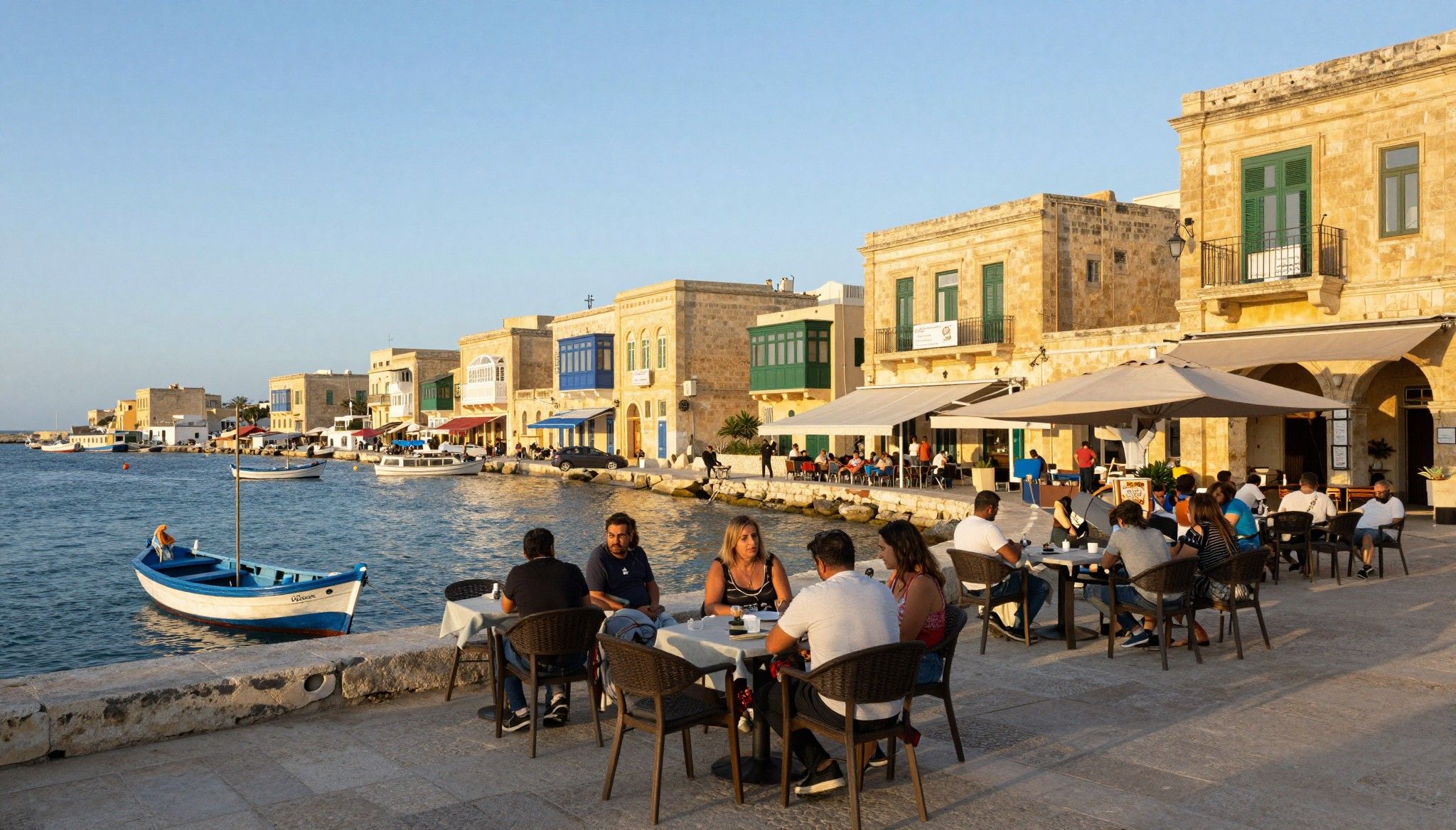
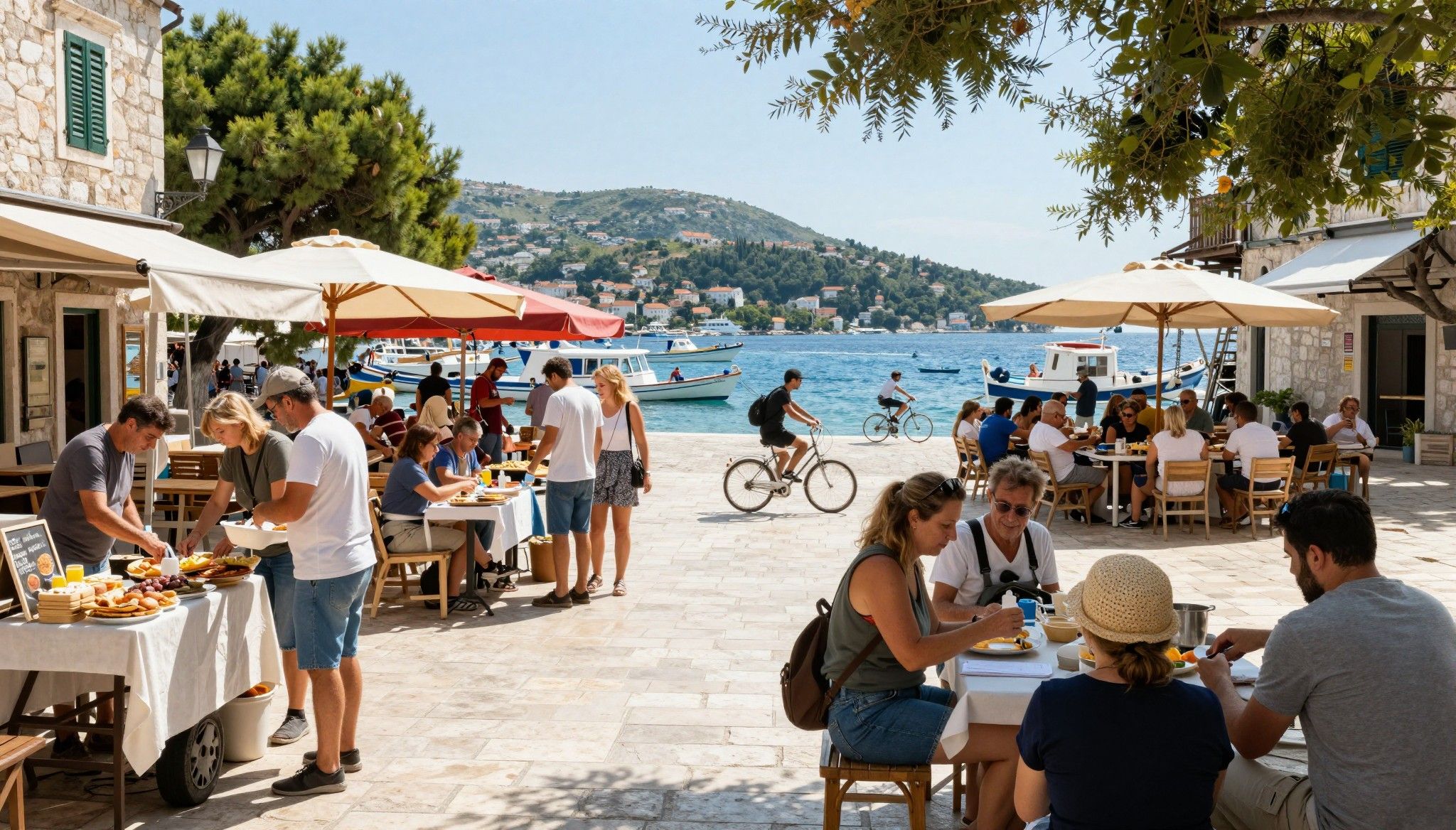
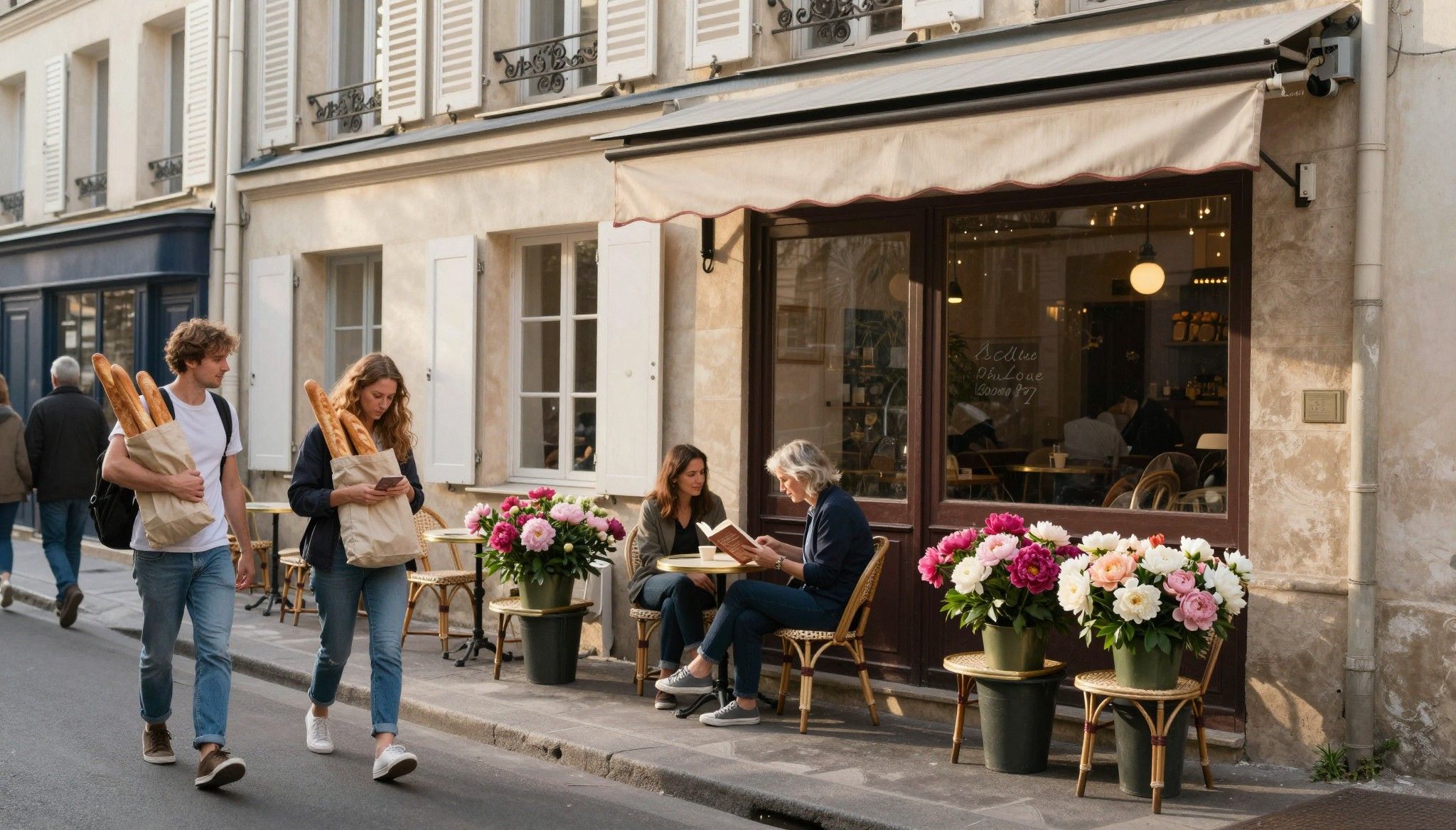
Imagine sipping espresso at a shaded table on Ledra Street, then stepping ten minutes to a waterfront walk in Limassol as delivery scooters thread between palm trees. Cyprus feels small and sun-worn in the best way: tight neighbourhoods, late dinners, and beaches that still smell like salt and wood smoke from evenings of open‑air grills. That sensory life is why buyers come; the less obvious reason is the data under the surface — price momentum is uneven, pockets of value persist, and timing matters. This guide blends the lifestyle that seduces you with the price signals that protect your capital.
Living Cyprus: sunlit routines and neighbourhood character
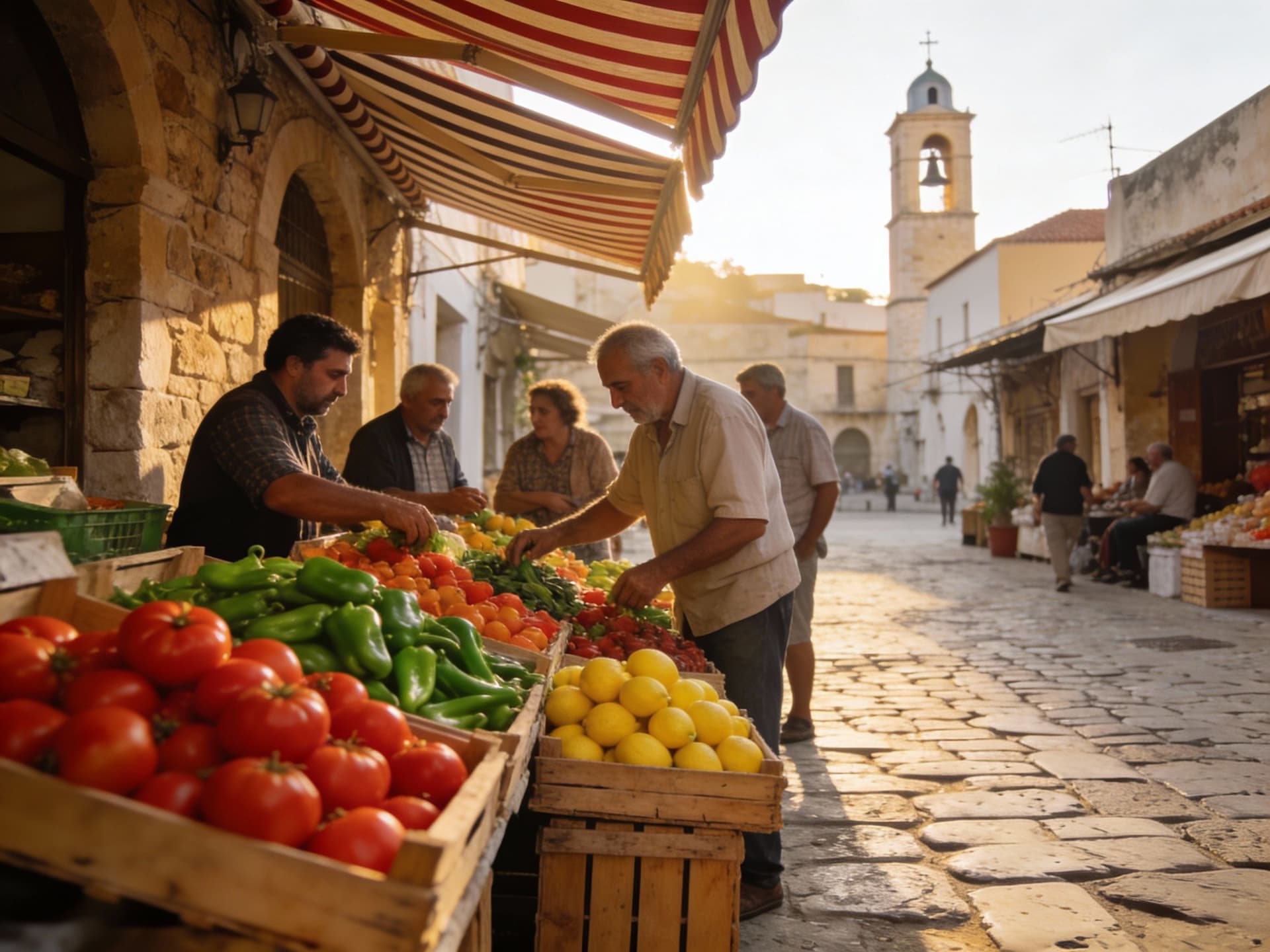
Wake early in Paphos for a coastal walk, meet neighbours at Nicosia’s open markets on a Saturday, or trade the bustle of Limassol seafront for the slow afternoons of Larnaca’s old‑town cafés. Daily life in Cyprus is shaped by weather and tradition: long summers that push activity outdoors, short rainy spells that gather people into tavernas, and a rhythm where the day’s centre is social connection. For buyers this matters: the property you choose should match the tempo you want — coastal vibrancy, provincial calm, or an urban base with weekend escapes.
Neighbourhood spotlight — Limassol seafront to Agios Nikolaos
Limassol’s seafront offers a cinematic mix of promenades, contemporary apartments and yachts. Walk inland a few streets and you hit Agios Nikolaos — quieter terraces, family bakeries, and older stone houses. Prices on the seafront reflect international demand and scarcity; inland pockets still offer negotiable stock and everyday community life. If you want evenings defined by seaside promenades and restaurant variety, accept a price premium; if you want local rhythm and lower entry costs, look two blocks back from the water.
Food, markets and weekend rituals
Markets matter in Cyprus — Larnaca’s municipal market, Paphos’ fish stalls and Nicosia’s fruit sellers set local tempo and create micro‑values for nearby homes. Weekends revolve around small plates, long coffees, and family gatherings; neighbourhoods near weekly markets tend to retain stable desirability because they knit community life. For buyers, proximity to these markets often trumps sea‑views when assessing long‑term livability and rental appeal.
Streets and experiences to note: • Limassol Marina promenade for restaurants and yachts • Ledra and Onasagorou in Nicosia for cafés and galleries • Paphos harbour for evening life and coastal walking • Larnaca Finikoudes for daily seaside routine • Polis Chrysochous for untouched beaches and village markets
Making the move: bridging the dream to the deed
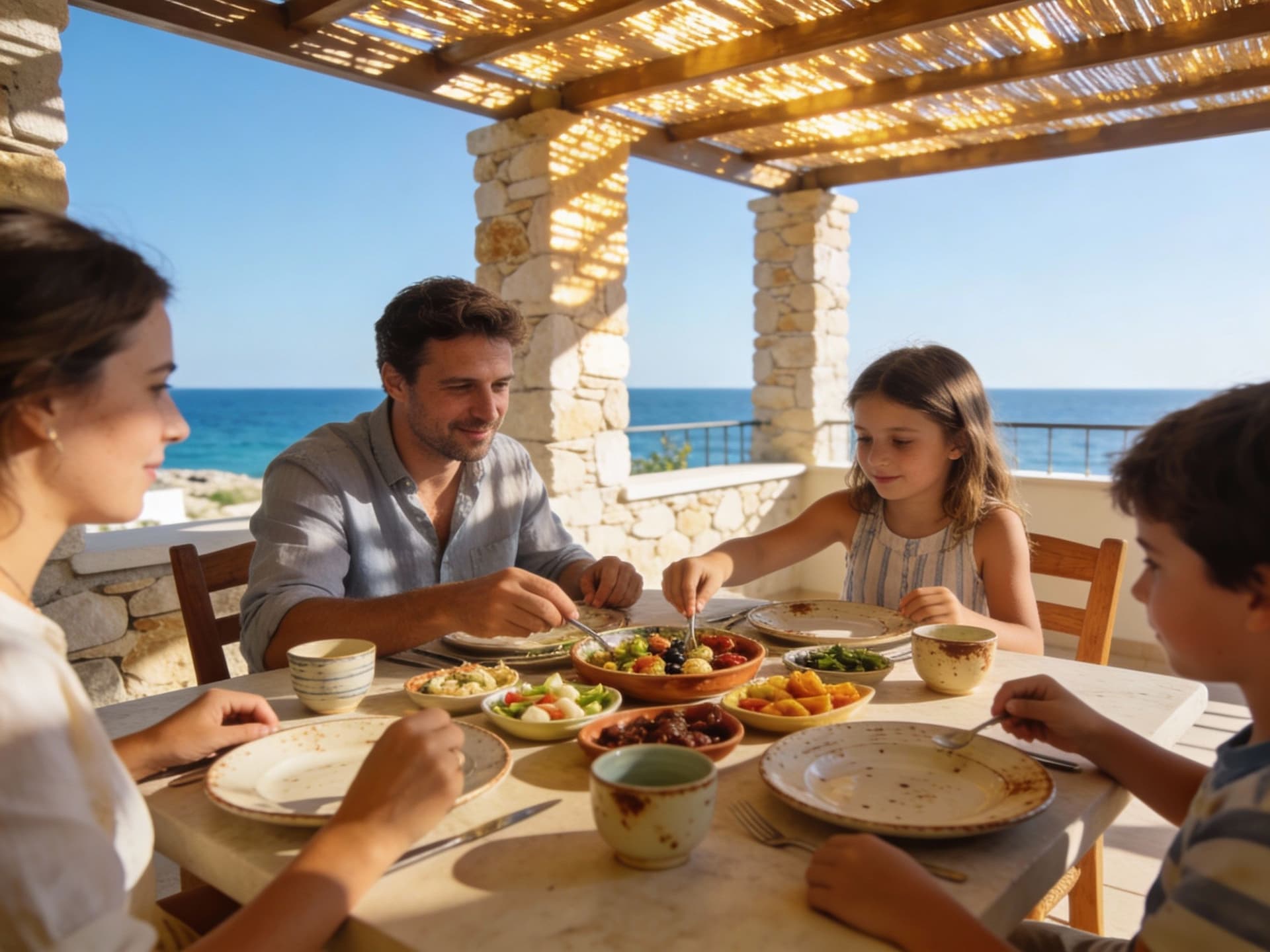
The practical reality: Cyprus price growth is real but measured and localised. National House Price Index data show modest annual increases last year, with quarter‑to‑quarter variation that tells a clear story — city centres and prime coastal strips command the steepest premiums while inland districts and smaller towns lag. Use the national HPI as a directional tool, then layer district and street‑level evidence to find where the market’s general rise hasn’t yet been priced into neighbourhoods.
Property types and how they shape life
Apartments along the coast suit seasonal rental strategies and minimal maintenance, while village houses in the Troodos or Paphos hinterland deliver space, gardens and a slower pace. New builds offer warranties and modern layouts but often sit at the top of local price bands; older homes can be value plays if you budget for renovation and local building norms. Consider climate: terraces, shading and insulation are practical musts given long summers, and those features influence resale and rental demand.
How local experts convert lifestyle briefs into listings
Good local agents do more than show houses; they translate a lifestyle brief into geographic and price filters, flag micro‑risks and pull comparable sales on the exact street. Expect this process: 1) shortlist neighbourhoods by daily routines and amenities, 2) compare 3–5 recent on‑street sales, 3) inspect properties at different times (weekday morning, weekend evening), 4) model rental and running costs against likely occupancy. A strong agent in Cyprus will also know which administrative office holds the title records for a given village or complex.
Insider knowledge: what expats wish they'd known
Expat buyers often arrive with sea‑view fantasies and leave with a subtler truth: small decisions — which street, which orientation, which block of flats — change livability and value materially. Local community centres, proximity to weekly markets, and access to a reliable local builder become daily advantages you notice after you move. Seasonality is also deceptive: summer demand swells short‑term rentals, but long‑term prices respond to year‑round services, schools and healthcare access.
Cultural cues that affect property choices
Cypriot social life is neighbourhood‑centred: people meet at the kafeneio, family ties shape weekend plans and local festivals can transform a street overnight. Buying into a block with active community governance (owners’ association) often preserves value; conversely, areas with weak communal upkeep see faster deterioration. Learn a few Greek phrases, attend a local festival, and you’ll understand how social capital maps to price resilience.
Practical long‑term checks to run before bidding: 1) confirm recent on‑street comparable sales, 2) inspect orientation and cooling infrastructure for summer efficiency, 3) verify local planning permissions and any coastline buffer zones, 4) check owners’ association accounts if buying a flat, 5) model realistic occupancy for rental returns
Conclusion: Cyprus as lived evidence and market signal — the romance is real, but the investment is local. Start with where you want to live, then test that vision against block‑level prices, recent sales, and seasonal occupancy. Use national HPI figures to set expectations, but weigh district and street evidence when assessing value. When you’re ready, work with a local advisor who translates lifestyle priorities into a defensible offer. The reward is a life that feels unmistakably Cypriot and a purchase grounded in data, not just daylight.
Swedish expat who moved from Stockholm to Marbella in 2018. Specializes in cross-border legal navigation and residency considerations for Scandinavian buyers.