France’s Coastal Price Myth — When Summer Lies
Seasonal spectacle often inflates asking prices in France — compare INSEE and notaries’ indices, visit off‑season, and buy streets with year‑round life.
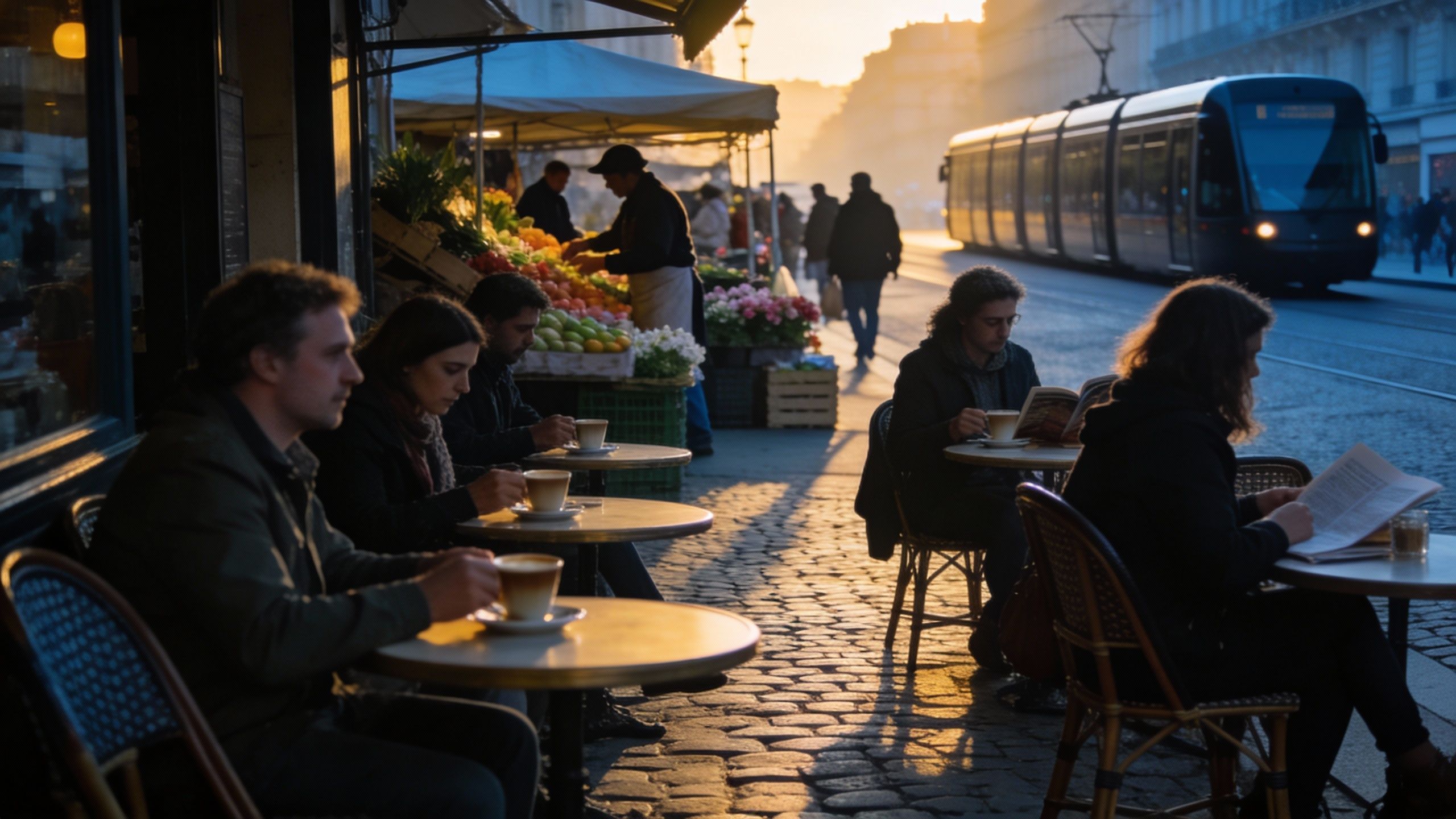
Imagine sipping espresso at Café de Flore while a summer festival hums three streets over, then stepping into a quiet lane where prices and life feel entirely different. In France, the postcard and the daily rhythm are often at odds. This guide unpicks one surprising truth: seasonal spectacle frequently distorts price signals — and for sensible international buyers that distortion can be an opportunity.
Living the French lifestyle — more than a postcard
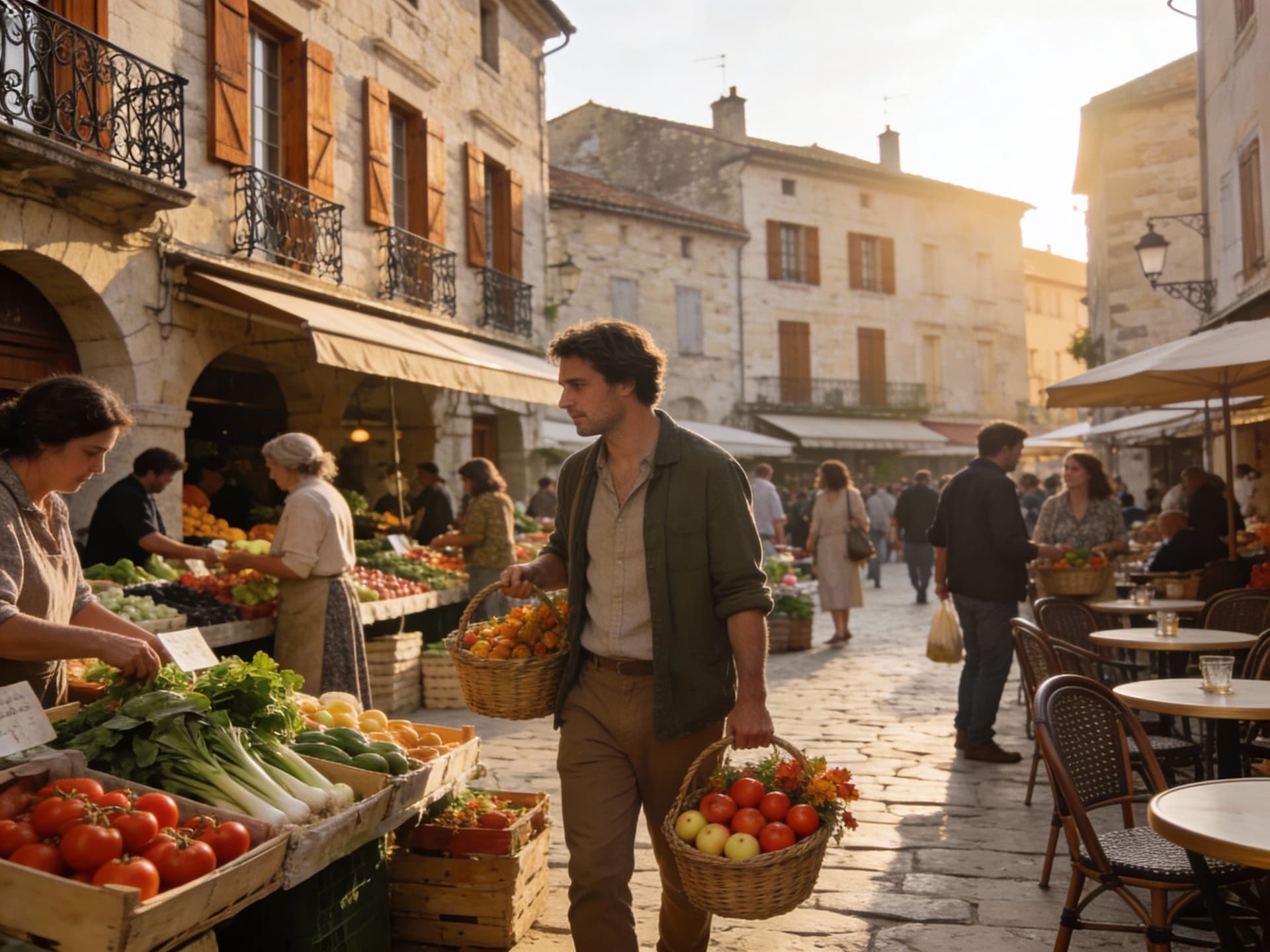
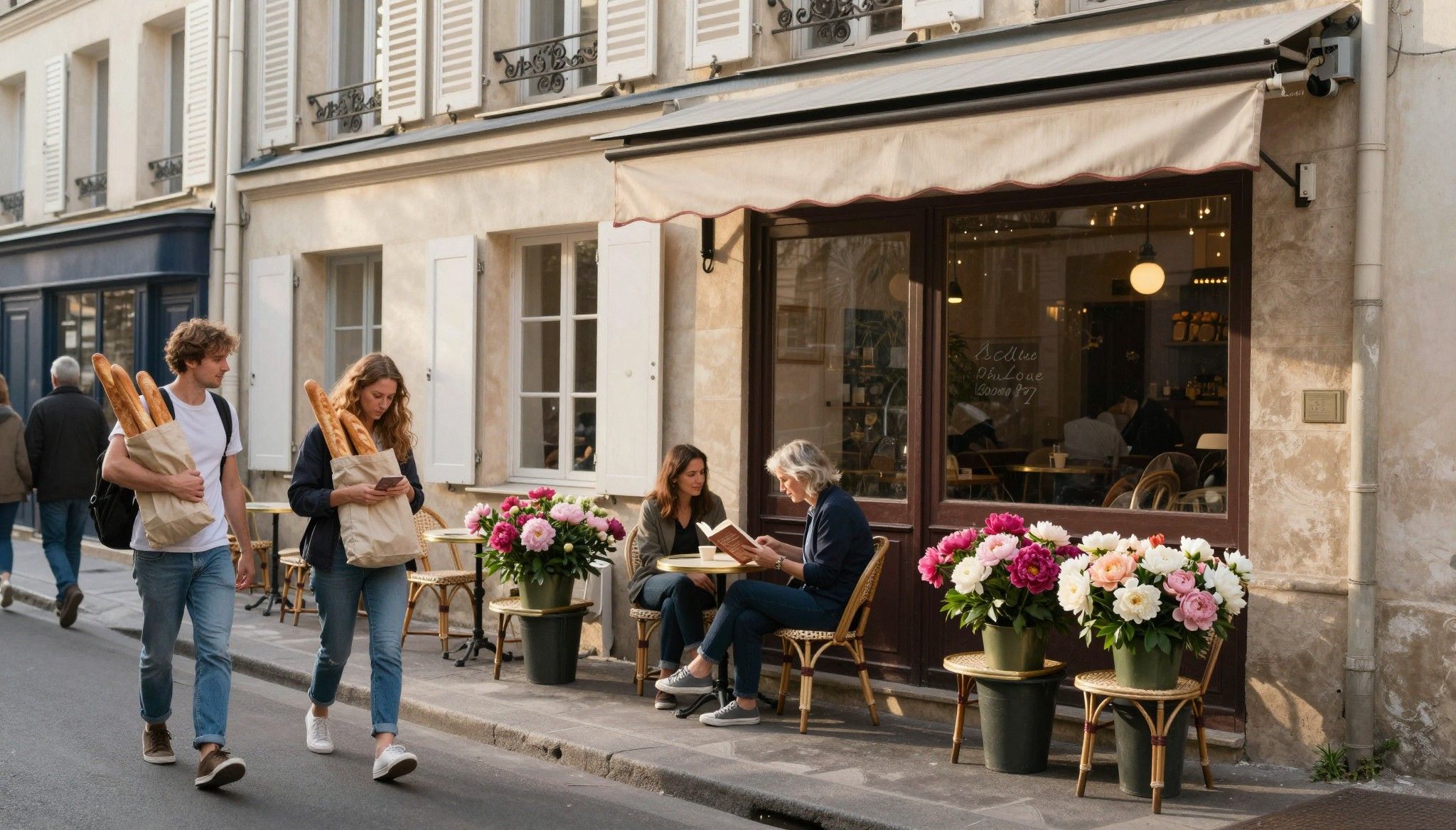
France lives in layers. Mornings smell of bakery yeast in Le Marais and of sea salt on the Promenade des Anglais. Weekends are for markets — Marché des Enfants Rouges in Paris, Cours Saleya in Nice — where locals shop rather than pose. That texture matters because it shapes where people actually live year‑round, and those are the streets that set sustainable prices, not the tourist avenues.
Neighborhood spotlight: Paris — Le Marais vs. 16th arrondissement
Le Marais trades daily ritual for boutique energy: narrow streets, independent shops, cafés where neighbors meet. The 16th offers broader avenues, quieter residential blocks and larger apartments. Both attract buyers, but not for the same reasons: one for immediacy, the other for long‑term family life — and those motives produce different price resilience through cycles.
Food, markets and seasons: where life really happens
France’s food calendar is a price calendar. Truffle season in Périgord, oyster festivals on the Atlantic, and Bastille Day markets on regional squares draw short, intense demand. These events lift asking prices temporarily, but they don’t always translate into durable capital appreciation. For buyers, knowing the local calendar prevents overpaying for a seasonal premium.
- Lifestyle highlights: authentic streets and places to know • Cours Saleya, Nice — morning market life and sea access • Marché des Enfants Rouges, Paris — everyday grocery culture • Rue des Vinaigriers, Canal Saint‑Martin — cafés and local rhythm • Île de Ré villages — off‑season calm, strong community ties
Making the move: practical considerations where lifestyle meets data
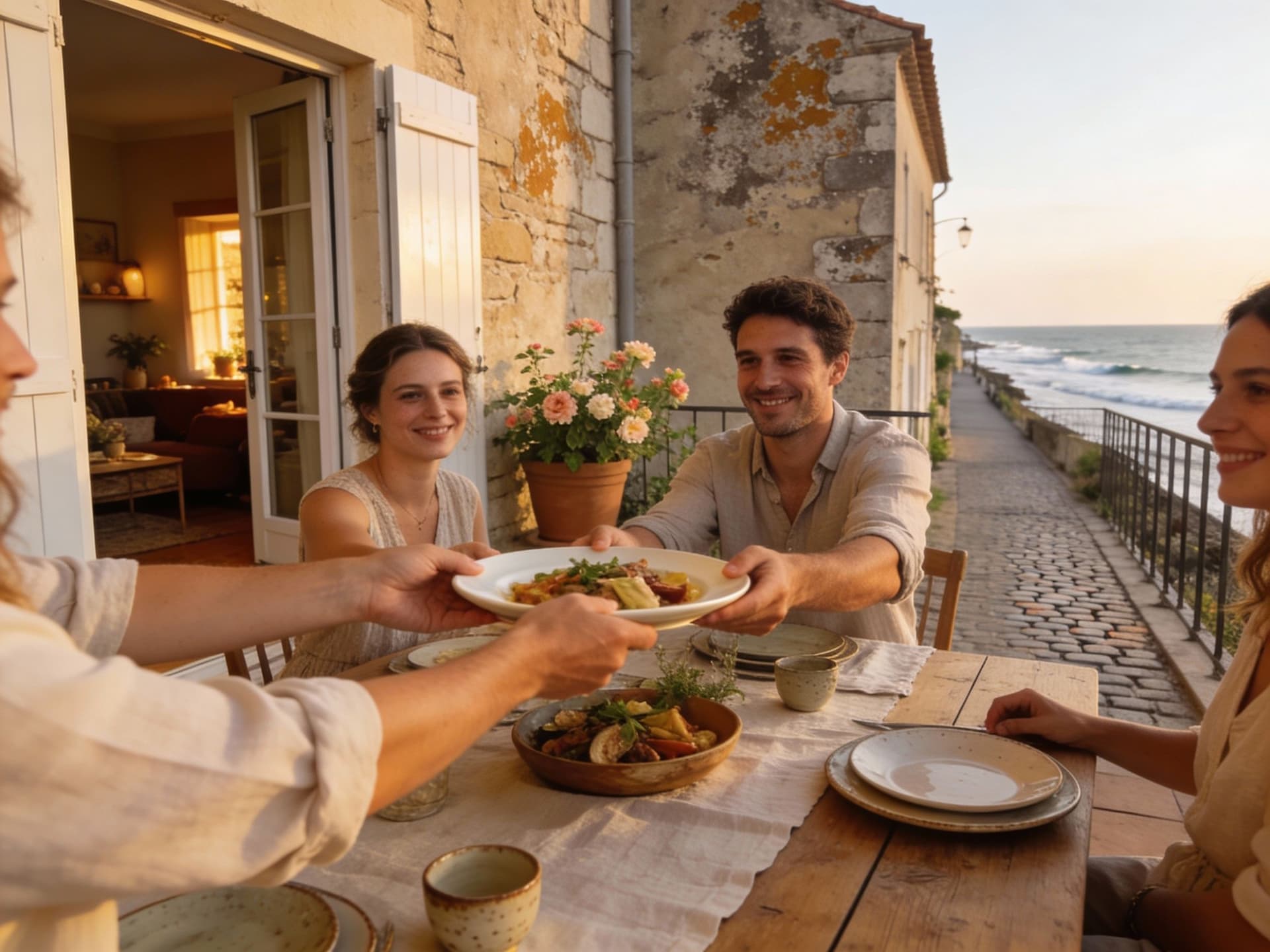
The market has been volatile — six quarters of national decline gave way to growth in early 2025. Official indices show modest quarterly gains and the first year‑on‑year rises after a stretch of falls. Those national averages hide the real story: coastal and tourist zones swing more with seasons than central urban districts, so timing and locality matter more than headline numbers.
Property styles and how they shape daily life
A stone village house in Provence gives you courtyard mornings and neighbourly markets. A Haussmann flat in Paris gives you services and year‑round rental demand. Coastal villas bring views and seasonality. Each form carries specific maintenance, insurance and vacancy patterns that should be priced into purchase decisions — not ignored because the view feels worth the premium.
- Practical steps blending lifestyle and valuation 1. Cross‑check asking price against INSEE and notaries’ indices for the département. 2. Visit off‑season to measure true neighbourhood life and vacancy. 3. Ask agents for transaction‑level data (actual sold prices, not just listings). 4. Cost in seasonal operating expenses: winter heating, summer maintenance, security for vacant periods. 5. Budget for local renovation standards — stonework and thermal upgrades are common.
Insider knowledge: what expats wish they’d known
Expats often assume the Riviera equals year‑round value. Data show second‑hand prices in provincial France rebounded in early 2025, but that rebound is uneven. Areas with strong local economies and services — university towns, regional administrative centres — tended to recover faster than purely touristic strips.
Cultural integration, language and neighbourhood fit
Learning basic French opens doors to community life: the boulangerie, the mairie, the marché vendor who tips you off to an off‑market sale. Choose neighbourhoods where your social needs match local rhythms — younger expats cluster near Canal Saint‑Martin and the 10th arrondissement in Paris; families favour Lyon’s Croix‑Rousse or the quieter suburbs of Bordeaux.
Long‑term lifestyle and investment clarity
Think in decades. Cities with diversified economies, university presence or year‑round tourism tend to hold value better than single‑season resorts. Renovation that improves thermal performance and reduces running costs often produces better net returns than chasing marginal sea‑view premiums.
- Red flags to watch (and where they show up) • High turnover streets in summer but empty winters — short‑term spectacle, long‑term vacancy. • Listings priced well above local transaction history — ask to see sale deeds. • New promotional developments promising guaranteed yields — read the contract carefully. • Missing local services off‑season (shops, healthcare) — affects liveability and rental demand.
Conclusion — live the life, but buy the street. Fall in love with France’s markets, boulangeries and coastline, but let transaction data and local rhythm inform your offer. Start by comparing asking prices to official indices from INSEE and notaries, visit out of season, and work with an agent who provides sold‑price evidence and local context. That combination preserves the lifestyle you crave while protecting your capital.
Swedish expat who moved from Stockholm to Marbella in 2018. Specializes in cross-border legal navigation and residency considerations for Scandinavian buyers.