France: Lifestyle Signals That Anchor Price Trends
Fall for France’s everyday rhythms — then use notaires’ indices, INSEE data and local comparables to turn that feeling into a prudent purchase decision.

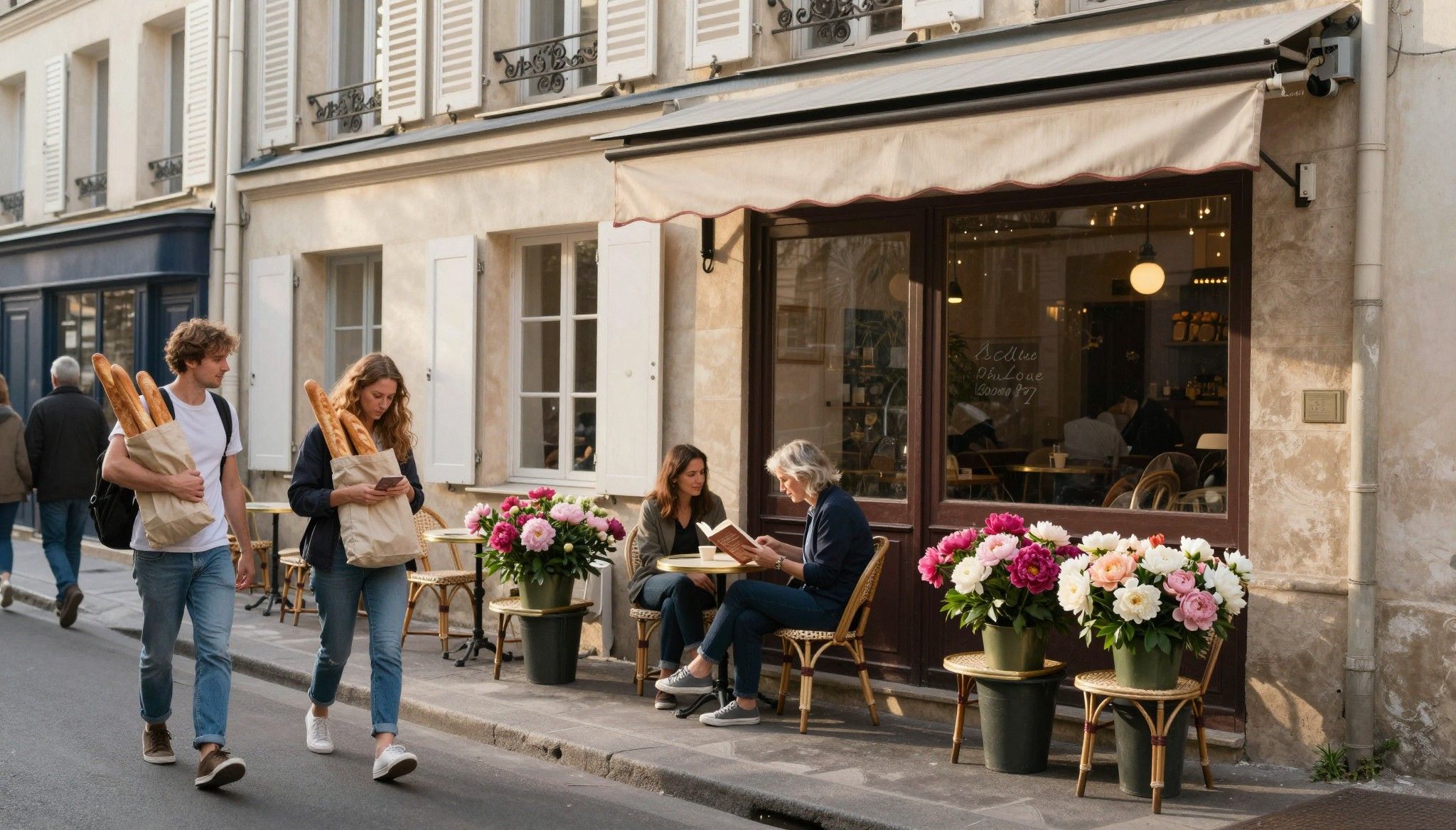
Imagine stepping out at 08:30 to buy pain au chocolat on Rue Cler in Paris, or watching fishermen bring in the morning catch on the quays of Honfleur. France is not a single mood: it is hamlet markets, seaside terraces, and metro hum stitched together by seasons, food and habit. For international buyers the romance is visceral — and the market data is deliberate. Below we pair those daily scenes with hard price signals so you can fall in love with a place that also makes sense financially.
Living the France lifestyle

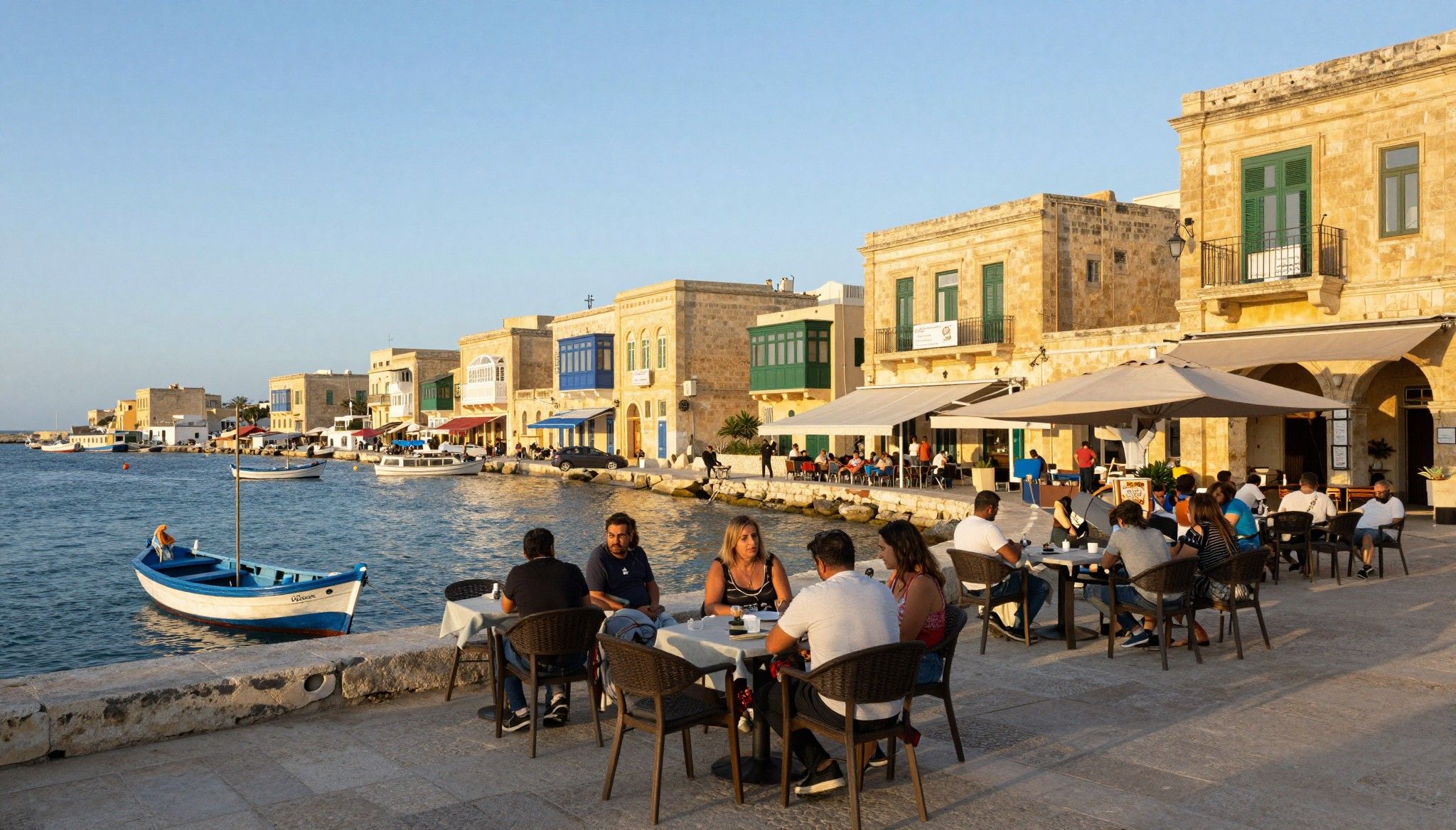
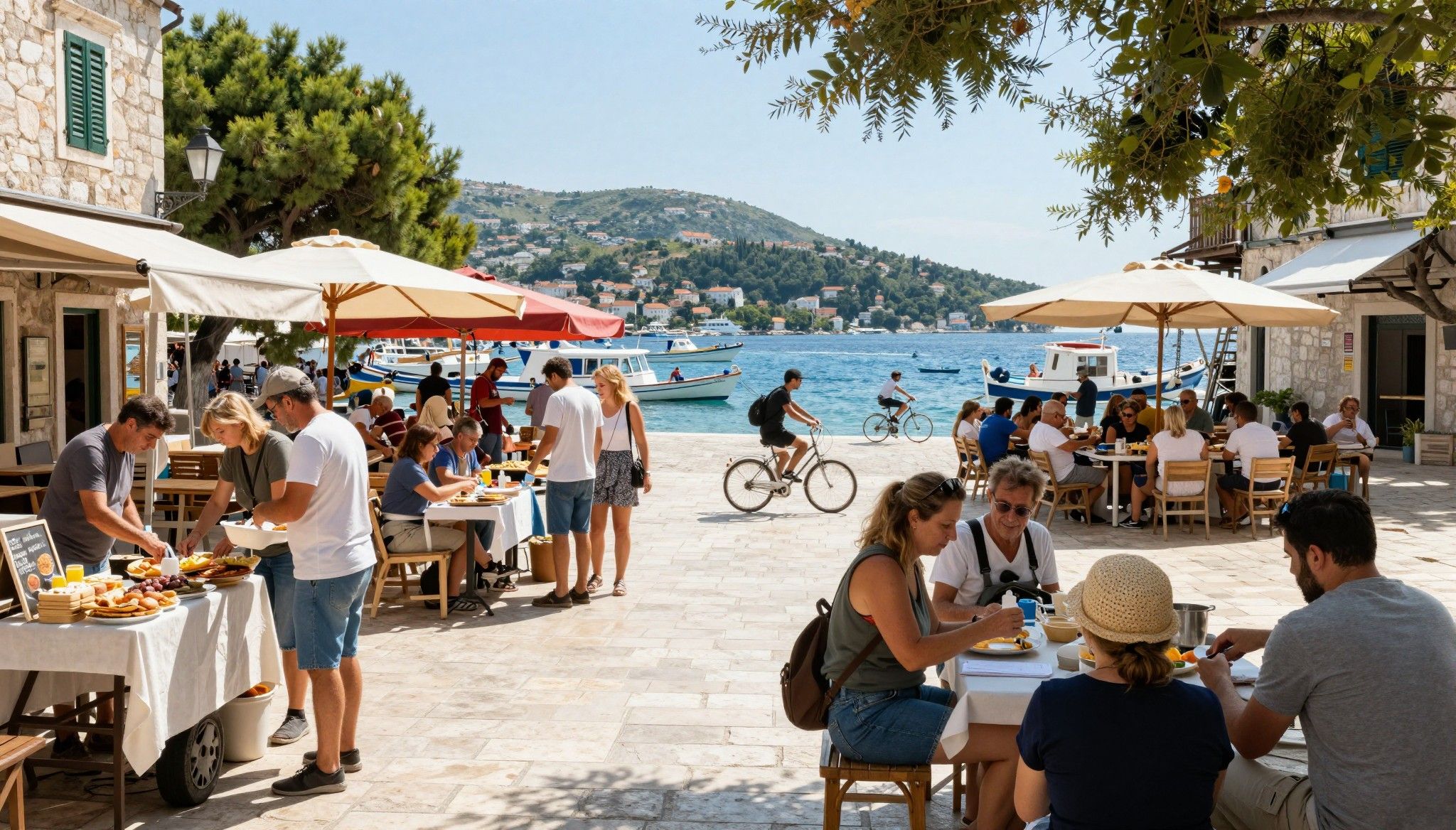
France’s daily rhythm is tactile: boulangeries at dawn, animated marché stalls at 10:00, long lunches and quiet Sundays. Coastal towns like Biarritz and Cassis trade surf and shellfish for an easy pace; Lyon and Nantes trade gastronomic obsession for lively midweek markets; and Paris hums year-round with museums, cafes and neighbourhood commerce. Those rhythms shape what buyers actually use a home for — weekend retreats, full-time family houses, or city pied-à-terre — and therefore what features matter in price and resale.
Paris arrondissements and street-level truth
Walk the 7th at dusk and you feel the premium: hôtels particuliers, leafy avenues, diplomatic presence. But price behaviour is patchwork — some central arrondissements held strong through 2024 while peripheral sectors softened. For buyers, that means looking beyond headlines: an elegant one-bedroom on Rue de Grenelle behaves differently from a loft by the Canal Saint‑Martin even if both are “Paris”.
Coast, countryside and the alpine contrast
The Riviera remains aspirational — St-Jean-Cap-Ferrat and Cap d’Antibes still command steep premiums — while the Atlantic coast offers surf towns with younger demand profiles. Inland Dordogne and Lot-et-Garonne sell a slower seasonal life; the Alps trade utility for altitude and short‑season rental cashflows. These differences are visible in local m² prices and transaction volumes, so lifestyle choice and yield expectations must be reconciled early.
- Markets & lifestyle highlights:
- Rue Cler (Paris 7): morning markets and steady demand for small, well‑kept flats.
- Cap Ferret & Hossegor: Atlantic surf culture, seasonal rentals, younger buyer cohorts.
- Eymet / Duras (Southwest): attractive to internationals seeking village life within two hours of Bordeaux.
Making the move: practical considerations

Lifestyle choices determine the property type you need — and the data tells you where price momentum is real. National statistics and notaires’ indices show broad stabilisation in 2025 after 2023–24 corrections, but regional divergence remains. Use national indices to set expectations and hyperlocal records to set negotiation ranges.
Property styles: how they map to daily life
Haussmann apartments suit those wanting culture and short‑walk errands; country manor houses suit families seeking space and rental income; new builds appeal to buyers prioritising energy performance and fewer renovation headaches. Recent regulatory pressure on energy performance makes insulated, efficient homes more marketable — and sometimes easier to finance or rent. Match your daily routine (commute, school runs, market visits) to the building type when comparing prices.
Working with local experts who know the lifestyle
A Parisian notaire, a local architect for renovations, and an agent who knows the street beat are not optional extras — they change outcomes. Good agents bring off‑market leads and translate neighbourhood nuances into negotiation power. Ask for examples: recent sales on the same street, typical time‑on‑market, and known maintenance traps.
- Six practical steps that blend lifestyle and dealcraft:
- Define daily life priorities (schools, markets, transport) and create a 2‑column price vs lifestyle checklist.
- Obtain local price evidence: notaires’ sale records, INSEE indices, and recent agency comparables for the exact street.
- Inspect energy performance (DPE) and factor upgrade costs into your offer rather than assuming a post‑purchase renovation will be cheap.
- Test rental demand if you plan short‑term lets: check seasonality, local restrictions, and expected yields.
- Use a local lawyer or bilingual notaire to confirm title, servitudes and any co‑ownership (copropriété) liabilities.
- Negotiate off‑market where possible — sellers who test the market often accept lower offers quietly to avoid public listings.
Insider knowledge: expat truths and market myths
Buyers often expect uniform rules across France. They don’t exist: rules and customs shift between regions, and the ‘one-size’ negotiation playbook misfires. Expats who settle faster are those who learn local rhythms — market days, school calendars, and summer population swings — and then align purchase timing and price expectations to them.
What expats wish they'd known earlier
1) Summer listings can mislead. A busy July market often inflates asking prices in tourist towns; the real negotiation happens in September. 2) A charming village square can mean noisy markets that are loved by locals but surprising to newcomers. 3) Renovation costs in protected historic zones often require specialist approvals and specialists — budget accordingly.
Long‑term lifestyle and resale signals
Look for steady local demand drivers: good rail connections, expanding health or education services, and protected landscapes that limit new supply. These factors mute downside risk and sustain value. Conversely, areas dependent only on seasonal tourism show higher price volatility and longer vacancies outside peak months.
- Red flags to watch in lifestyle markets:
- Heavy reliance on short‑term tourism without year‑round tenants.
- Properties with poor DPE ratings in regions tightening energy rules.
- Copropriété accounts that show deferred major works (roof, façade, lifts).
Conclusion: France rewards buyers who pair feeling with evidence. Picture yourself at a café table, reading the paper and hearing the market’s honest pause — then make offers informed by street‑level comparables, energy realities and seasonal cycles. If you want a partner who knows the local rhythm and the data that underpins price, work with an agency that can show recent same‑street sales, not just picturesque brochures.
Dutch relocation advisor who moved to Marbella in 2016. Guides Dutch buyers through visa paths, relocation logistics, and balance of lifestyle with value.