Greece: Seasonal Life and the Price Signals That Matter
Greece’s property recovery is real but local: seasonal rhythms, infrastructure and island contrasts drive price divergence—match lifestyle to data before you buy.
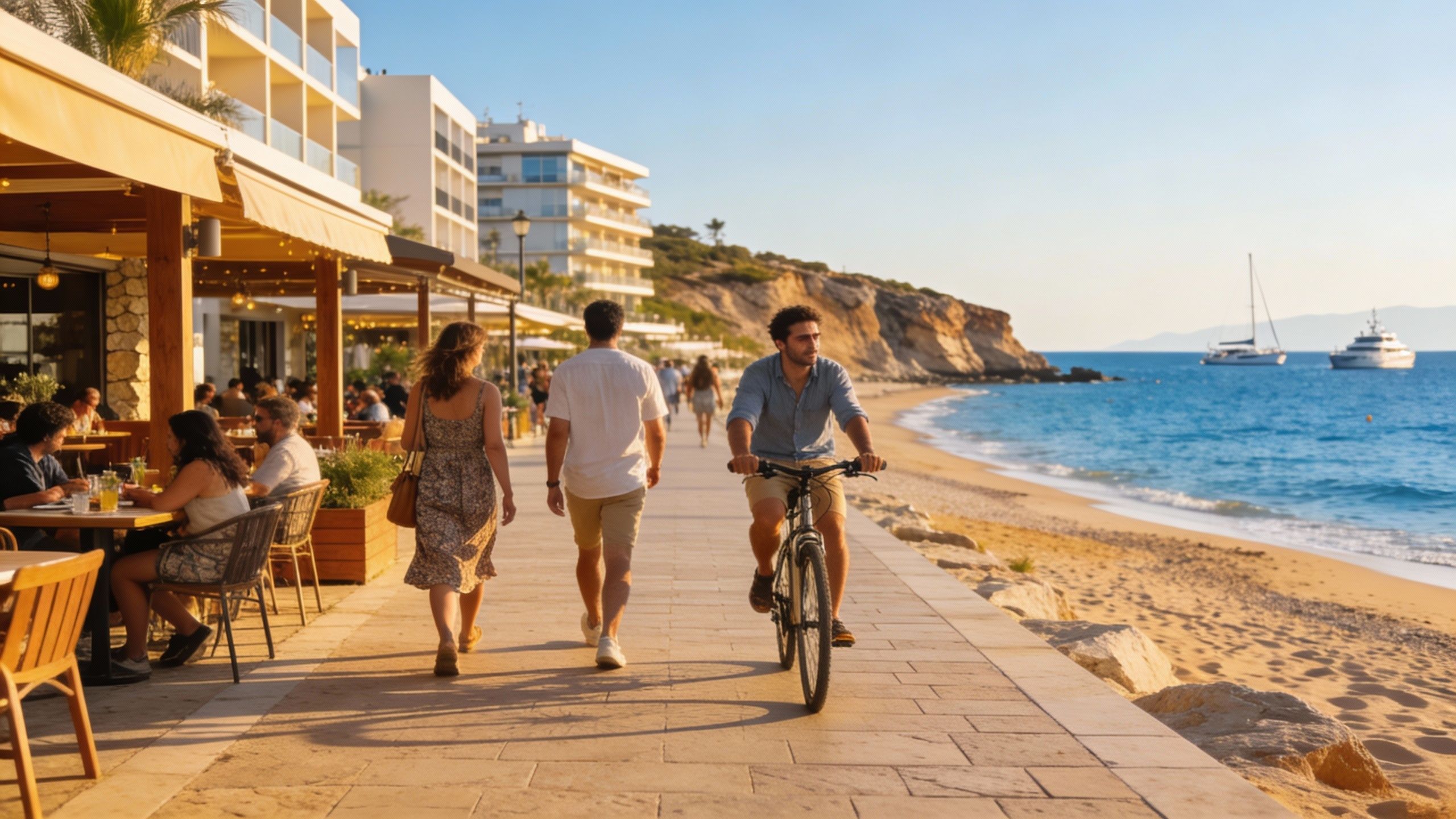
Imagine waking to a black coffee at a sunlit kafeneio on Voukourestiou Street, then heading to the Athens Riviera for an afternoon swim. Greece feels immediate: markets that trade like theatre, seaside towns where neighbours still greet one another, islands that close down completely in November and wake up again in May. That ebb — intense summers and a slow, restorative low season — shapes not just the way people live here, but what they look for when they buy property.
Living the Greece lifestyle — what you’ll actually wake up to
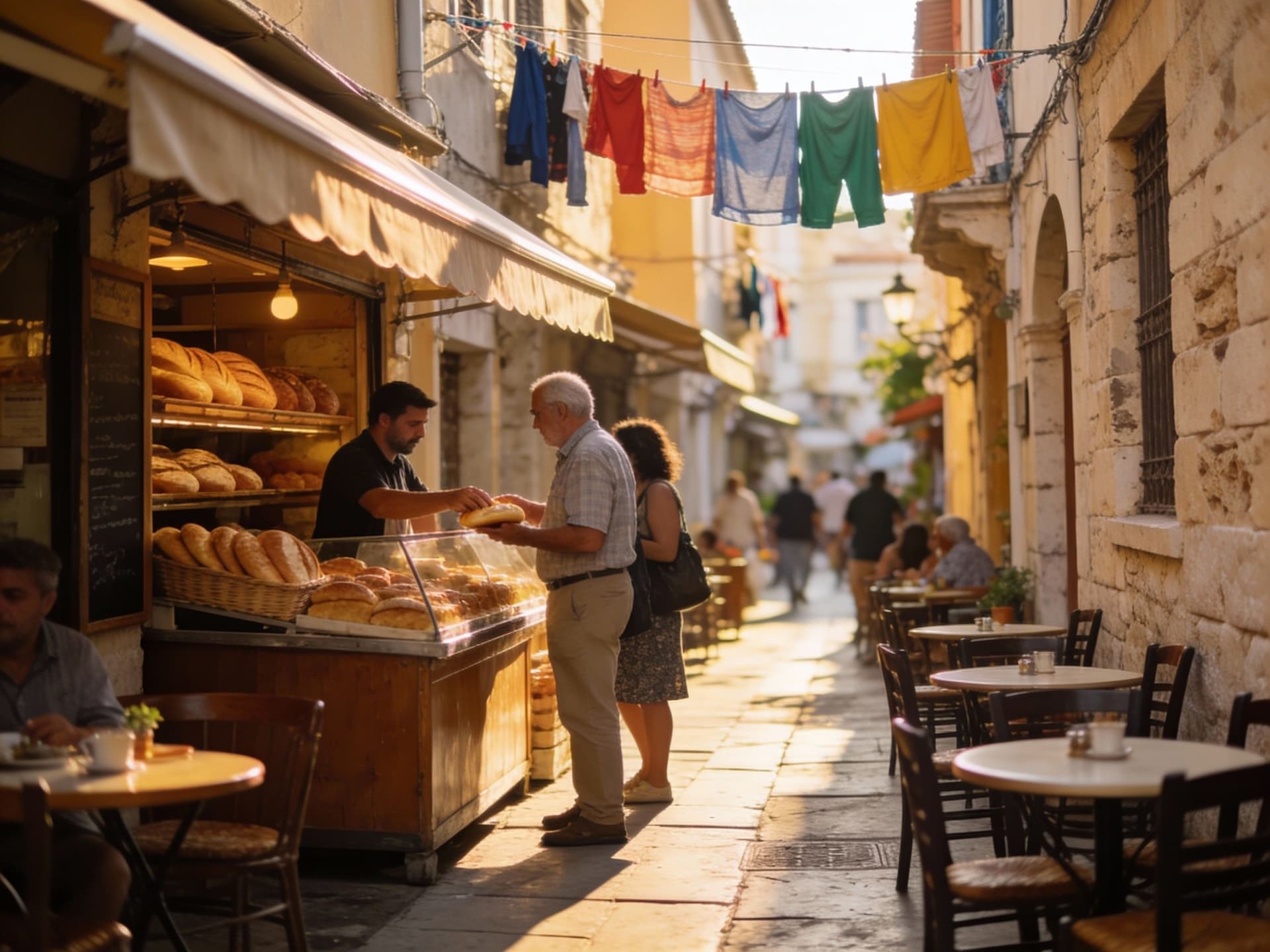
If you think "island life" is one unbroken postcard, think again. Athens has beach afternoons (Glyfada, Vouliagmeni) and gritty neighbourhood mornings (Exarchia, Psyri). The Cyclades offer stark light, narrow lanes and village cafés; Crete stretches into mountain villages with local raki and weddings that go on for days. That variety means buyers must decide whether they want a social summer rhythm or a slow, year‑round community.
Neighborhood spotlight: Athens Riviera, Glyfada to Vouliagmeni
Walk the coast from Glyfada to Vouliagmeni and you'll see why international buyers now circle the Athens Riviera. New developments — led by the Ellinikon masterplan — have turned old summer suburbs into year‑round neighbourhoods. That means modern apartments, marina life and cafes that are busy even outside the high season. But it also means traffic, planning debates and price premiums for true seafront access.
Island contrast: Mykonos, Paros and the quieter Cyclades
On Mykonos and Paros you pay for international summer life: restaurants open late, boats, short‑term rental demand. Other islands — Naxos, Andros, Kythnos — offer lower entry points and a quieter rhythm. Luxury pockets on Paros and Mykonos have recorded prices that push well above island averages, but there are real bargains on neighbouring islands where locals still run fish tavernas and life centers on the square.
- Lifestyle highlights to test before you buy:
- Morning espresso at Kafenio To Spitiko (Plaka); afternoon swim at Vouliagmeni beach; Sunday market at Varvakios; island‑hop dinner on Naoussa harbour (Paros); a winter walk in Ano Mera (Mykonos) when the tourists are gone.
Making the move: how price trends shape where you buy
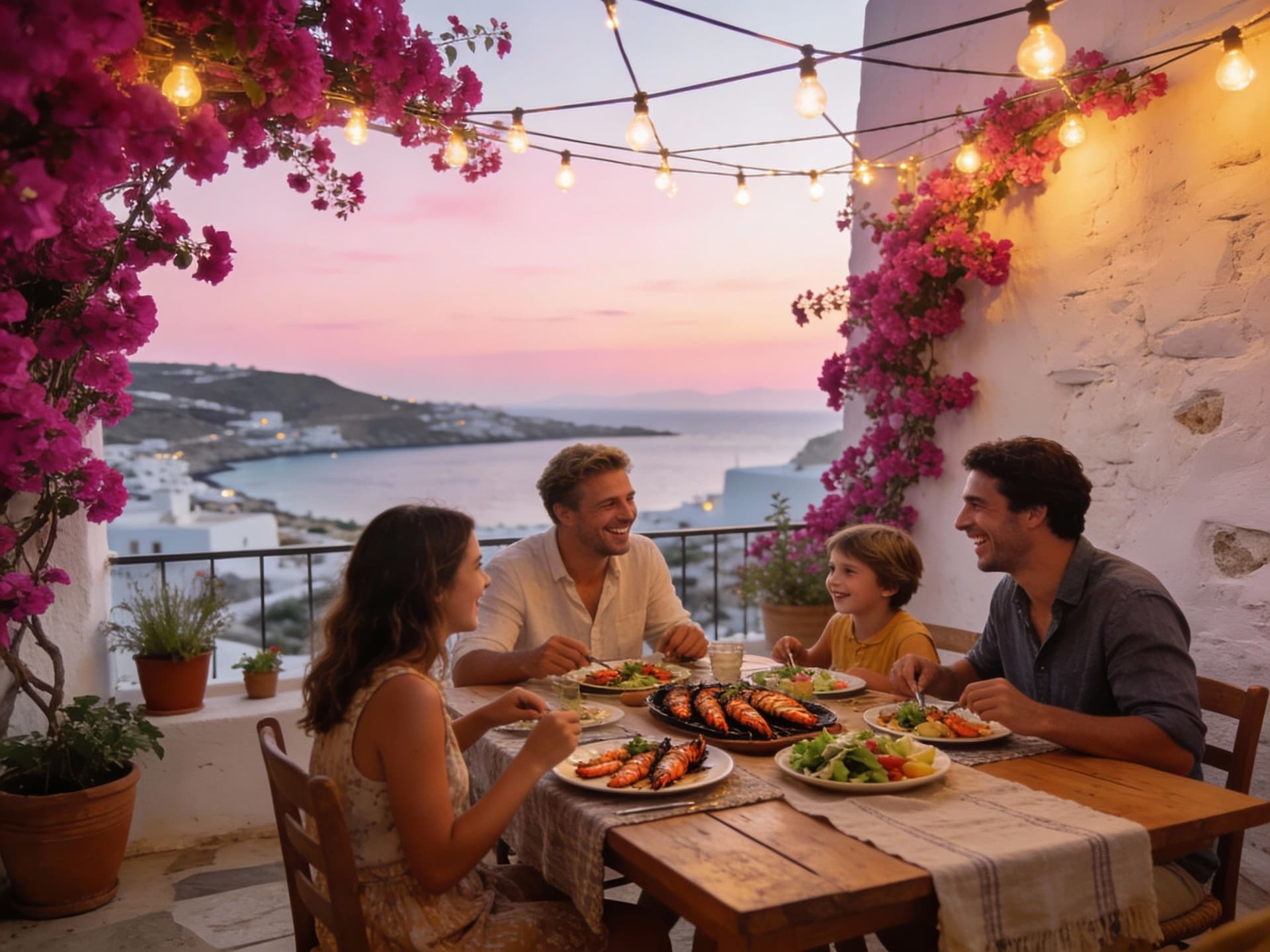
Over the past three years house prices in Greece have recovered strongly from the crisis decade. Official series tracked by international sources show year‑on‑year residential price gains slowing from the 2023 peak but still positive through 2024–2025. That means two things: capital appreciation has resumed in many coastal and urban pockets, and price momentum varies sharply between islands, Athens suburbs and inland towns.
Property types that fit the life you want
A renovated neoclassical apartment in Plaka keeps you in the city’s heartbeat — cobbled streets, museums, daily markets. A seaside villa (Attica or Cyclades) delivers the outdoor lifestyle but higher maintenance and seasonal rental considerations. New builds near Ellinikon offer modern systems and easier financing but trade historic charm for convenience. Match property type to your calendar: do you need a home that breathes in August and feels lived‑in in January?
Working with local experts who get both life and numbers
1. Ask agencies for three recent comparable sales on the street, not the island — that reveals real market signals. 2. Request occupancy and rental performance data for similar properties if you plan to rent seasonally. 3. Verify title documents and land‑use maps locally; island plots can have restrictive planning rules. 4. Get a local surveyor to estimate renovation costs — labour and materials differ sharply between Athens and remote islands.
Insider knowledge: what expats wish they'd known
Expats tell us the same things: seasonality matters, community access matters more than view, and transport improvements can change prices faster than you expect. Eurozone data show house prices rose again in late 2024 — Greece participated in that recovery — but local outcomes depend on infrastructure projects, ferry links and whether a place is genuinely year‑round or strictly seasonal.
Cultural practicalities that influence property choice
Neighbourhood life matters in Greece. A street with a weekly market, a trusted kafeneio and an active church square signals everyday life; a row of holiday lets signals tourist churn. Language is easy to bridge in tourist hubs; in rural areas, local relationships and a few Greek phrases unlock opportunities — and cheaper renovation labour when you need tradespeople.
Longer‑term lifestyle + value considerations
- Factors that preserve lifestyle and value:
- Reliable ferry/airport links; year‑round local services (doctors, schools, grocery); sustainable water and energy solutions for remote islands; solid title and permitted build potential; proximity to infrastructure projects (metros, marinas).
Conclusion: Greece is a collection of different promises. Buy into the daily life you want — the square you’ll meet friends in, the beach you’ll swim at when the ferries run — and use hard data to make the numbers add up. Look for agencies who can show recent sales on the street (not just glossy market brochures), get local surveys, and factor seasonality into rental and maintenance projections. If you do that, you won’t just own a property in Greece — you’ll belong to its rhythm.
Norwegian market analyst who serves Nordic buyers with transparent pricing and risk assessment. Specializes in residency rules and tax implications.