Greece: Street-Level Price Intelligence
Greece’s lifestyle appeal masks street‑level market shifts: prices rising, supply tightening. Use Bank of Greece indices and local comparables to match neighbourhood life to durable investment choices.

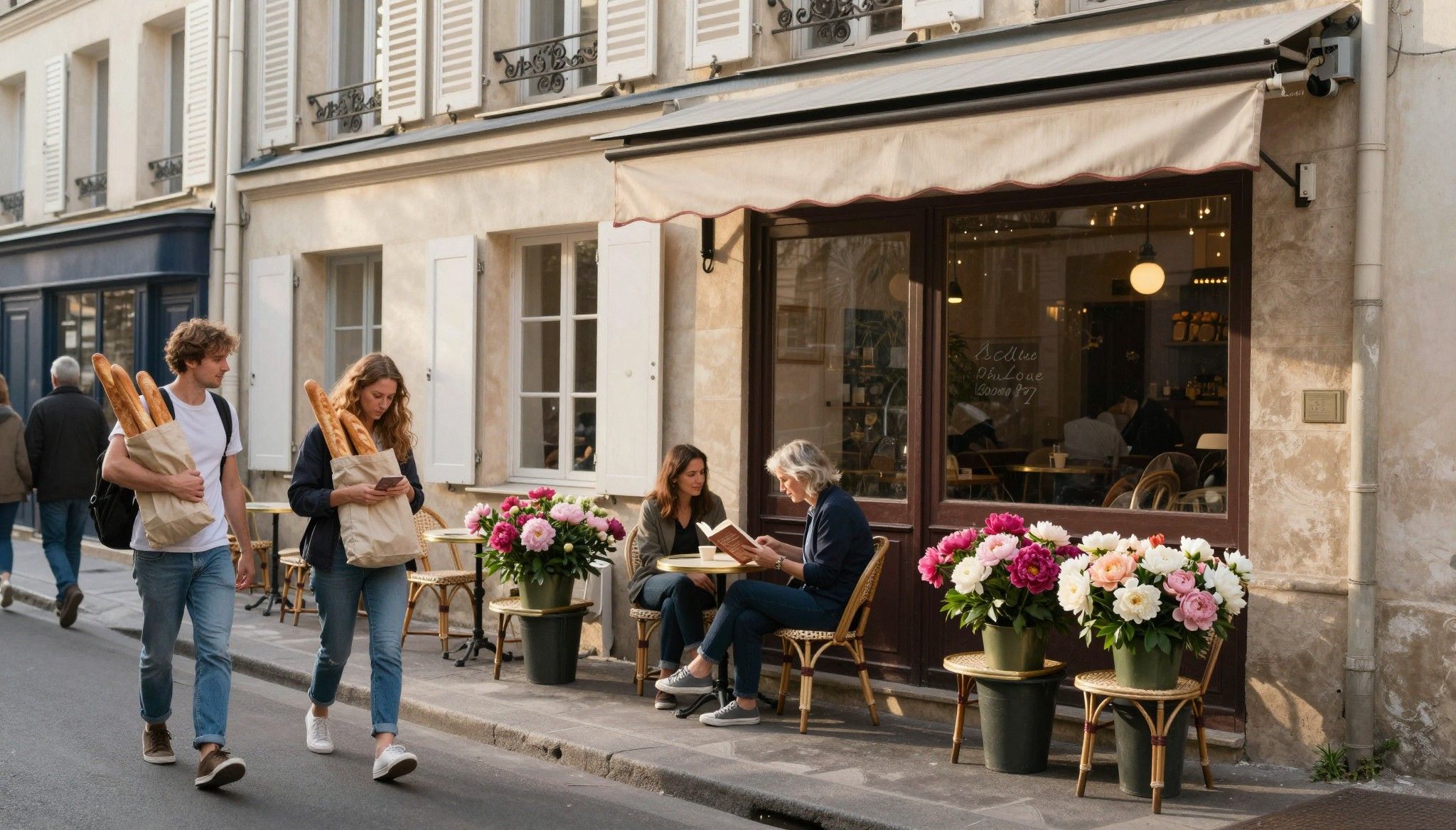
Imagine waking on a cool Athenian morning, coffee in hand, watching bakers set out crusty loaves on Adrianou in Plaka. Picture late afternoons on a Cycladic terrace where wind and light shape the day. Greece sells a rhythm—slow markets, lively squares, and sea-facing calm—but the property numbers behind that rhythm are changing. For buyers who want both the lived experience and a defensible investment, understanding where demand is concentrated, which streets matter, and which seasons distort perception is essential.
Living the Greece lifestyle

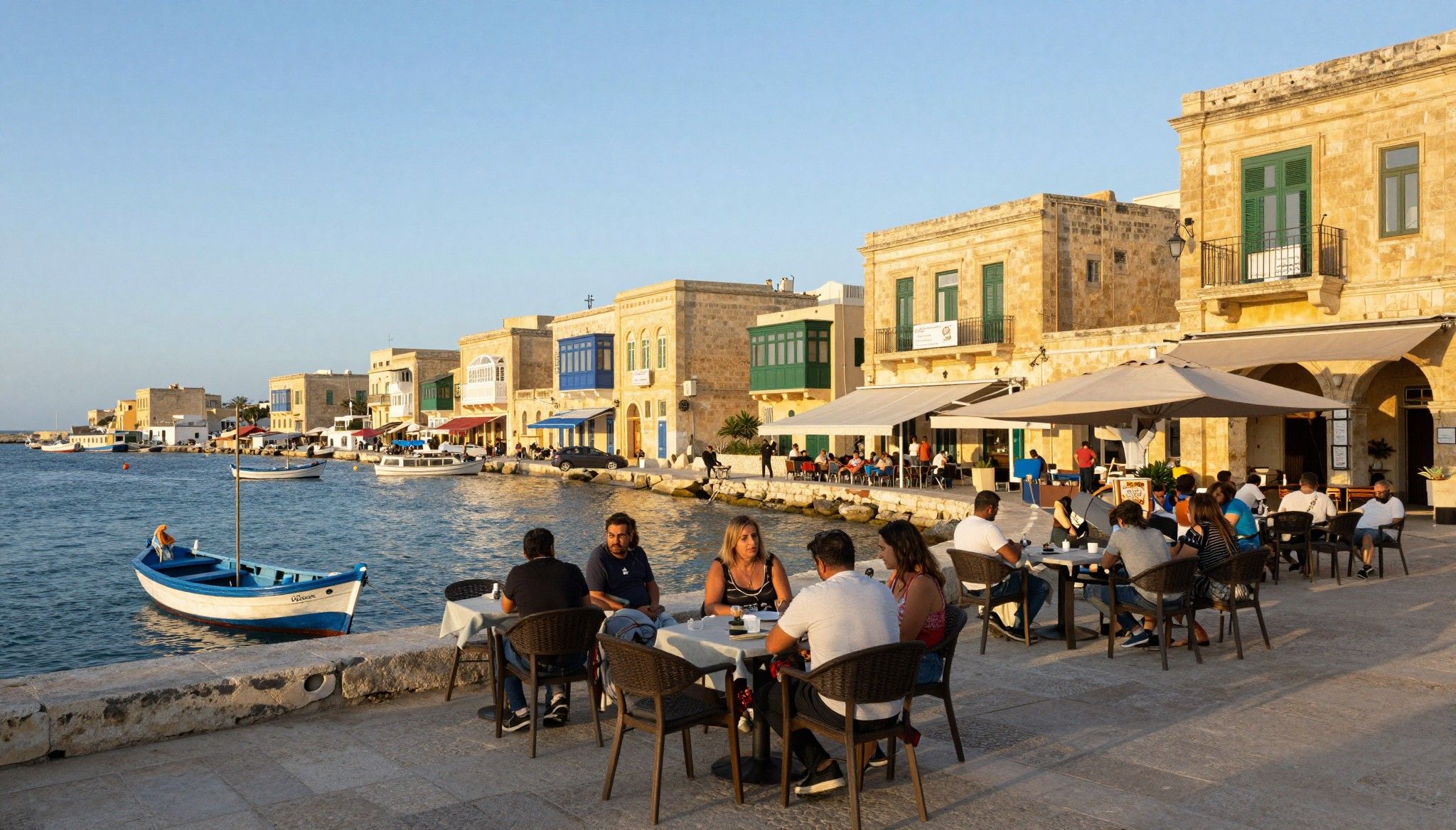
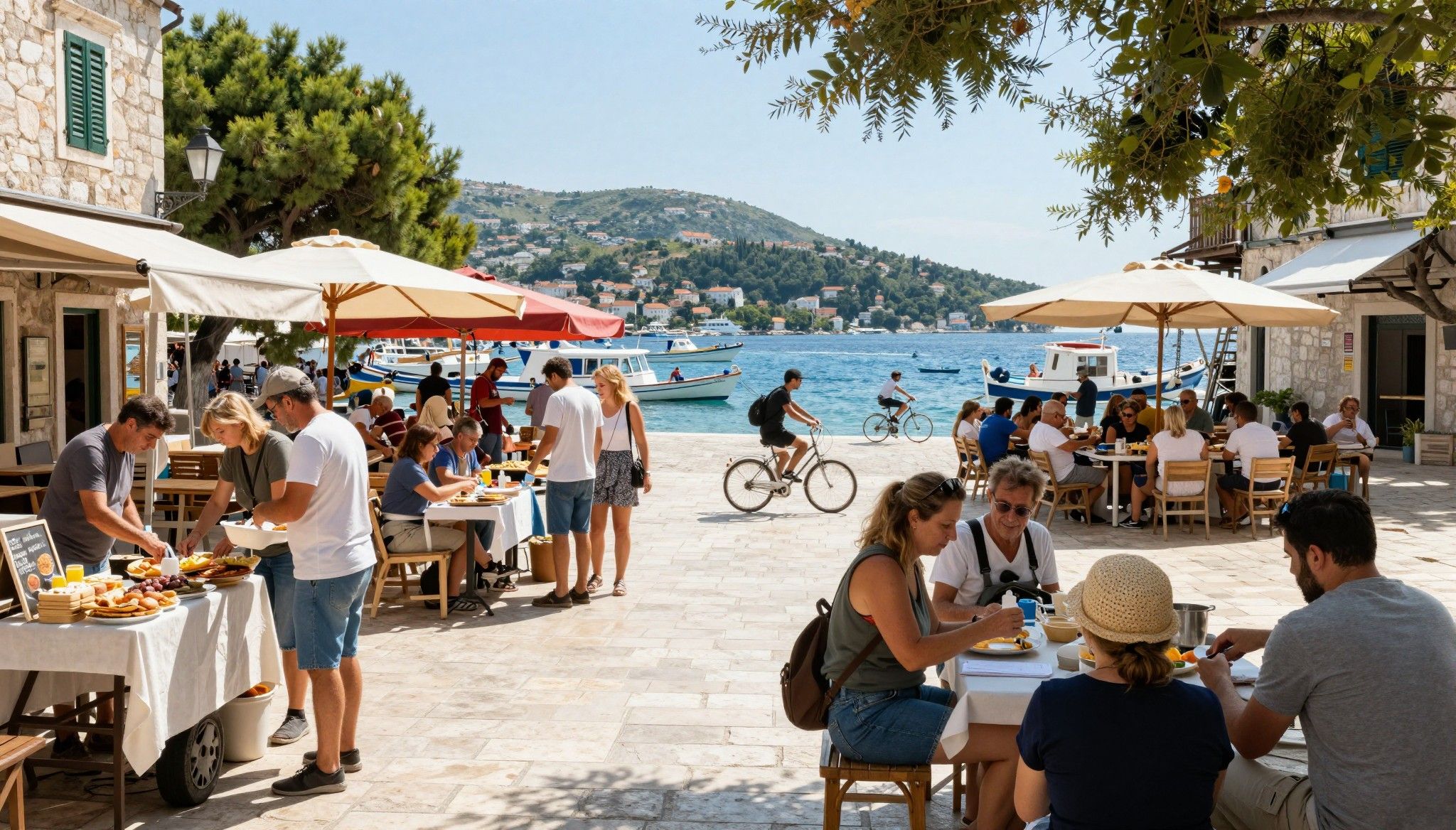
Greece is not a single life; it is multiple lives layered: Athens’ compact neighbourhoods; Thessaloniki’s long, social afternoons; Cycladic island time; and Ionian green quiet. Each offers different daily textures—street cafés and morning markets in Exarchia, organised yacht moorings and designer boutiques in Glyfada, sleepy tavernas on Naxos’ inland lanes. Buying here buys you a pattern of days as much as a title deed. That reality should shape where you look, not glossy island imagery alone.
Athens, street-level life: Koukaki to Kifisia
Walkable Athens rewards buyers who prioritise daily life. Koukaki offers small plazas, late‑night tavernas and quick access to the Acropolis; expect narrow streets, pre‑war buildings and apartments with mezzanines. Kifisia, north of the centre, trades hustle for tree-lined avenues, neoclassical villas and seasonal demand from affluent Athenians. Where you want to be—urban hum or suburban calm—changes construction type, maintenance needs and rental demand.
Islands and coasts: the lifestyle trade-offs
Island life delivers daylight and sea but also seasonality. Mykonos and Santorini are intensely seasonal—excellent for short-term holiday returns but pricier and often limited in year‑round services. Lesser-known islands—Naxos, Syros, parts of the Peloponnese—offer steadier communities and lower entry prices. Ask whether you want the postcard or the lived-in village; the answer should guide type of purchase and expected yield.
- Lifestyle highlights: cafes, beaches and markets • Morning espresso at Little Kook in Psyrri or a market run at Varvakios in Athens • Sunset aperitifs on Fira’s caldera edge or a quiet swim at Agios Prokopios in Naxos • Weekend drives to Mount Parnitha or olive‑grove visits in Peloponnese • Seasonal cultural festivals: Athens Epidaurus Festival and island panigiria • Long‑term neighbourhoods popular with expats: Kolonaki, Glyfada, Chania (Old Town)
Making the move: practical considerations

The romantic image of Greece often clashes with market dynamics. National indices show steady price rises in recent years—driven by limited construction, tourism demand, and pockets of foreign investor interest. Athens and Thessaloniki lead volume and liquidity; islands show the highest headline prices. Use authoritative datasets to test impressions: the Bank of Greece tracks apartment indices and regional splits that matter when you compare streets to averages.
Property styles and how they'll shape daily life
Stone village homes, neoclassical Athens flats, modern coastal villas—each delivers different upkeep and usability. Older Athenian apartments often need seismic reinforcement and updated M&E (mechanical and electrical) systems. Island stone houses may require moisture‑control works and independent water solutions. Factor renovation time, access to contractors, and seasonal constraints into your budget—renovations in summer can be twice as slow and more expensive.
Working with local experts who know the street, not just the market
- Steps to align lifestyle with market reality: 1. Map three neighbourhoods that match daily routines and verify recent sold prices on Bank of Greece indices and local notary records. 2. Commission a local surveyor early—seismic vulnerability and title clarity are common issues. 3. Ask agencies for street-level comparables, not city averages; many Greek markets are micro-local. 4. Time visits outside peak summer to inspect year‑round services and noise levels. 5. Budget 15–25% above asking price for renovation and transaction costs if the property is older.
Insider knowledge: what expats wish they'd known
Expats often underestimate seasonality, local bureaucracy pace and the street-by-street variation in value. Recent reports note a decline in new construction and tighter supply—this can support price resilience but also creates maintenance and liquidity challenges. Practical wisdom: prioritise neighbourhoods with year-round communities and accessible services; pure holiday strips often mean higher operating costs and empty winters.
Cultural integration and daily routines
Greek social life is neighbourhood‑based. Joining a local kafeneio or participating in panigiri at the village square is how you meet neighbours and learn the unspoken rules. Language helps, but practical exchange—learning simple phrases, hiring a friendly local lawyer, and using a long‑standing estate agent—opens doors. Expect bureaucracy to require patience; good local contacts accelerate titles, permits and utilities.
Long-term lifestyle and market sustainability
Long-term value in Greece will depend on infrastructure, year‑round populations, and regulatory reforms that affect construction. Affordability pressures across Europe are relevant; stronger tourist demand keeps coastal and island prices high, while mainland economic recovery underpins city markets. For long-term owners, choose locations with diversified local economies rather than pure tourist dependency.
- Red flags and street‑level checks • Unclear title or multiple heirs listed in registry records • Properties without recent electrical or seismic certificates • Overreliance on short‑term rental income in quiet winter markets • Sudden price jumps on single-street listings—verify comparables • Lack of year‑round access to health and municipal services
- Final steps before you sign: 1. Obtain a title search and cadastral extract from a local notary. 2. Commission an independent surveyor to inspect structure and utilities. 3. Secure a Greek‑law lawyer who will hold funds in escrow and read contracts in Greek and your language. 4. Verify tax and utility standing with local authorities. 5. Arrange property management or a local caretaker if you plan seasonal use.
Greece pairs an easy, tactile daily life with a market that rewards street-level understanding. Use national indices to set expectations, then drill down to the street, the building, and the service pattern you want. If you want to taste the place before you buy, visit in shoulder seasons, talk to neighbours, and ask agencies for sold‑by‑street comparables. Where other guides sell the postcard, make measurements against lived reality.
Next step: if you have a neighbourhood in mind—send us the street or square. We’ll pull recent sold comparables, link local indices and outline the realistic renovation and operating budget you should expect. Greece is place first; the transaction follows. Do the life‑checks before the spreadsheet.
British expat who relocated to Marbella in 2012. Specializes in rigorous due diligence and cross-border investment strategies for UK and international buyers.