Greece: Street‑Level Price Truths
Greece blends easy Mediterranean life with localised price dynamics — recent indices show continued growth; smart buyers prioritise street‑level data, seasonality and title clarity.
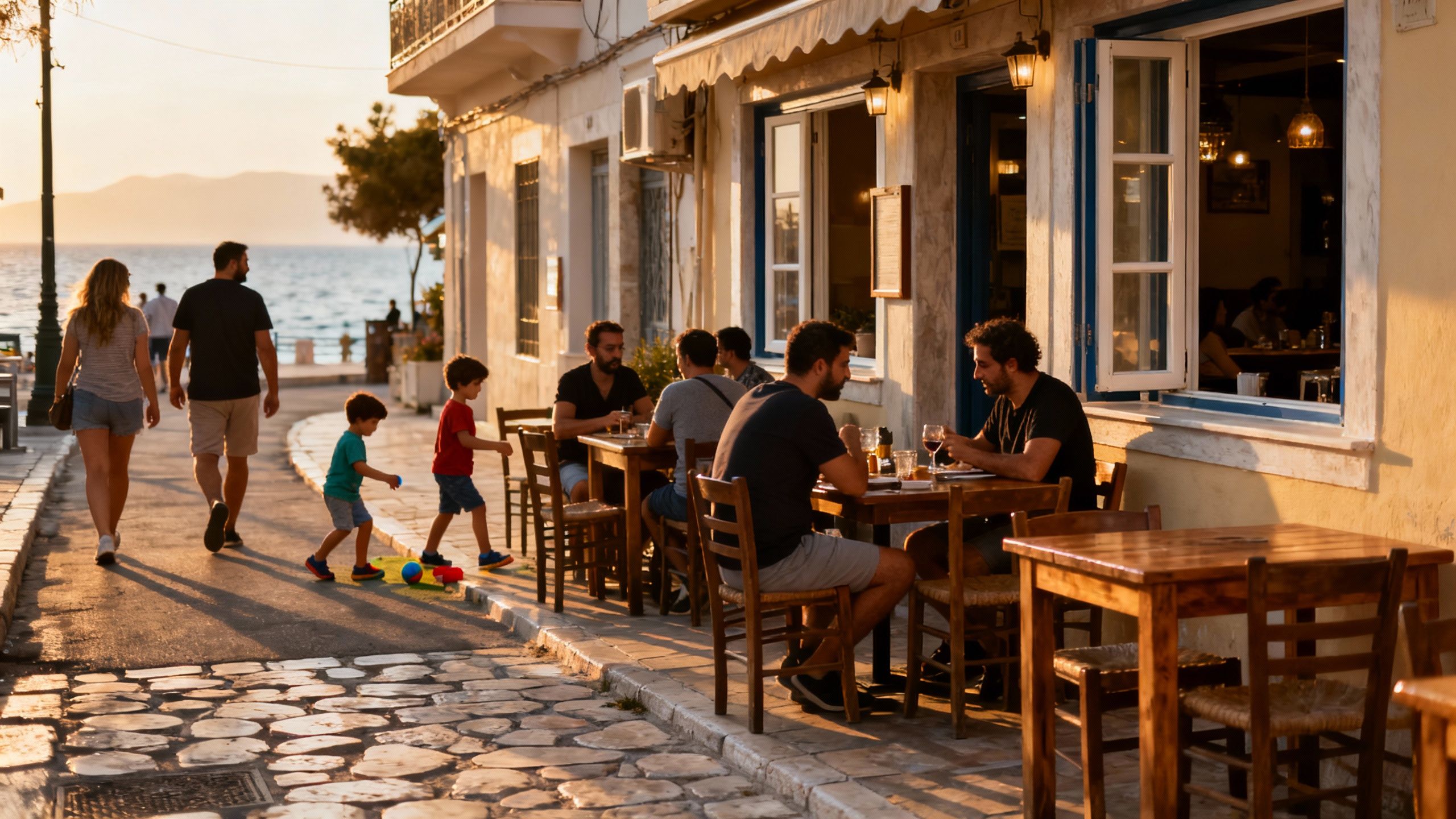
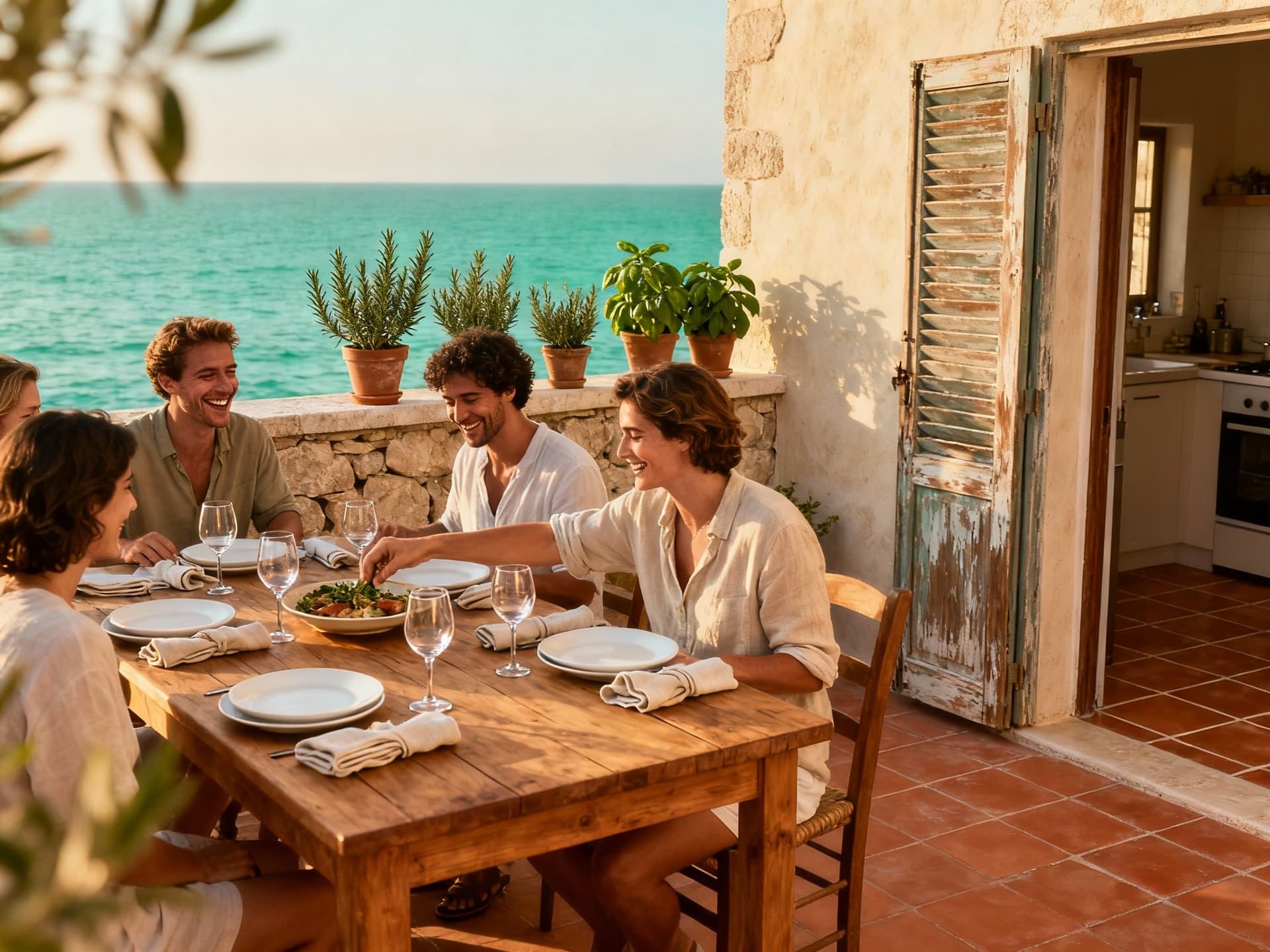
Imagine waking on a narrow Athens street to the scent of fresh koulouri, or stepping onto a terrace in Thassos at dusk where limestone cliffs soften into sea. Greece sells itself by feeling — loud neighbourhood markets, late-night tavernas, and summers that stretch like a promise. Yet beneath that easy charm sit concrete market forces: selective supply, rising asking prices in Athens and Thessaloniki, and tourist-driven demand on islands. For international buyers the question isn’t “Can I fall in love?” — it is “How do I reconcile love with data?” Start here.
Living Greece: rhythm, neighbourhoods, seasons

Life in Greece moves around places more than schedules. Mornings begin in kafeneia; afternoons are for siestas or sea swims depending on the coast; evenings happen late and often outdoors. These rhythms shape property use — balconies and terraces matter as much as square metres, and proximity to markets and a coastal front can change how often you use a second home. House-price growth across the euro area signals broad upward pressure, but the way that pressure is felt in Greece is local and seasonal. (See Eurostat for regional context).
Athens: layered city life — from Exarchia to Glyfada
Athens now splits into moods: the historic centre where streets are compact and ceramic-tiled cafes multiply; the northern suburbs (Kifisia, Ekali) where leafy avenues and larger plots offer family living; and the Athens Riviera (Glyfada to Sounio), which trades urban grit for coastal leisure. Projects such as Ellinikon have re-drawn investment attention to the coastline, changing expectations about transport and new-build supply. For buyers this means choices: compact central flats designed for active city life, or seaside villas prioritising outdoor living.
Island life and secondary markets: Mykonos, Crete, hidden gems
Islands tell different stories. Mykonos and Santorini sprint ahead on demand and prices; islands like Naxos or Paros combine tourism with local agriculture and can offer better yield-balance. Mainland coastal towns — Halkidiki, Peloponnese bays, or Chania in Crete — offer a quieter rhythm and, in some cases, more reasonable per-square-metre values. Ask local platforms like Spitogatos for current asking-price maps; real behaviour often shows stronger seasonal spreads than headline averages.
Lifestyle highlights to look for
Morning koulouri and coffee at Athinas Street Market (Athens) — urban pulse and easy resale appeal
Evening strolls along the Glyfada seafront — strong rental seasonality and high short‑term demand
Local tavernas in Ano Poli, Thessaloniki — neighbourhood social fabric that supports long‑term occupancy
Weekly farmers’ markets in Chania and Naxos — important for country houses and buyers seeking farm‑to‑table life
Making the move: price trends and where they matter
Recent national indices show sustained price rises: official aggregates recorded positive year‑on‑year growth through 2024–2025, with regional variation. Athens has been steadier; Thessaloniki and many touristic areas experienced stronger percentage gains. For buyers this means the headline national rise is less useful than submarket movements — street-level trends and inventory depth tell the investment story.
Property types and what numbers mean for lifestyle
New-build apartments command premiums for finishes and energy performance, making them sensible for city buyers who prize low maintenance. Older neoclassical flats in central Athens offer character and centrality, but often need renovation. Island villas give outdoor space and rental potential but come with seasonality and higher maintenance. The Bank of Greece notes that supply constraints and withdrawal of bank‑held stock have contributed to tighter markets — a factor that directly affects availability and pricing on desirable streets.
How local experts convert lifestyle into value
Work with agencies that map lifestyle demand to micro-data. Steps to check before making an offer:
1. Request recent comparable sales on the specific street — not the whole neighbourhood.
2. Verify seasonal occupancy (short‑term rentals) and local regulation on tourist lets.
3. Inspect supply pipelines: building permits, new‑build completions, and planned developments nearby.
4. Check title clarity and historical ownership — mismatched titles or unregistered extensions are common pitfalls.
Insider knowledge: myths, red flags and seasonal timing
A few counter‑intuitive truths for buyers: expensive-seeming islands can have micro‑markets where value survives; off‑season viewings reveal real street life and lower negotiation competition; and amenities sellers highlight (sea views, marble interiors) sometimes matter far less than reliable water, access and insulation. Data shows Thessaloniki outperformed Athens in recent growth rates — a reminder that the capital is not a one-size-fits-all proxy.
Cultural and practical red flags
Watch for informal alterations, unpermitted terraces, and properties listed without up-to-date cadastre entries. These are common in older buildings and can delay transfers. Also be mindful of seasonally inflated asking prices on tourist islands during summer months; visit in winter to test services, neighbours, and transport links. Use Eurostat and national indices to understand macro pressure, then test micro assumptions locally.
Long‑term considerations for lifestyle sustainability
Consider demographics, infrastructure projects and tourism flows. Areas near new transport (for example recent Thessaloniki upgrades) may shift from seasonal to year‑round demand. Conversely, islands dependent on short seasons and flight connectivity can be more volatile. National indices show continued price growth into 2025, but returns depend on where you buy within Greece.
Conclusion: live the place, check the ledger
Greece sells a life first and an investment second. That order matters. Fall in love — with a market-aware checklist beside you. Use local data (Bank of Greece, TradingEconomics, Spitogatos), test streets out of season, insist on title clarity, and work with an agency that can translate lifestyle priorities into verified comparables and legal certainty. Do that and you get both the terrace view and the pragmatic return.
Dutch relocation advisor who moved to Marbella in 2016. Guides Dutch buyers through visa paths, relocation logistics, and balance of lifestyle with value.