Greece: Street‑Level Price Truths and Lifestyle Reality
Greece’s housing market regained momentum in 2024–25; neighbourhood-level sales and seasonality, not national averages, determine real value for buyers.
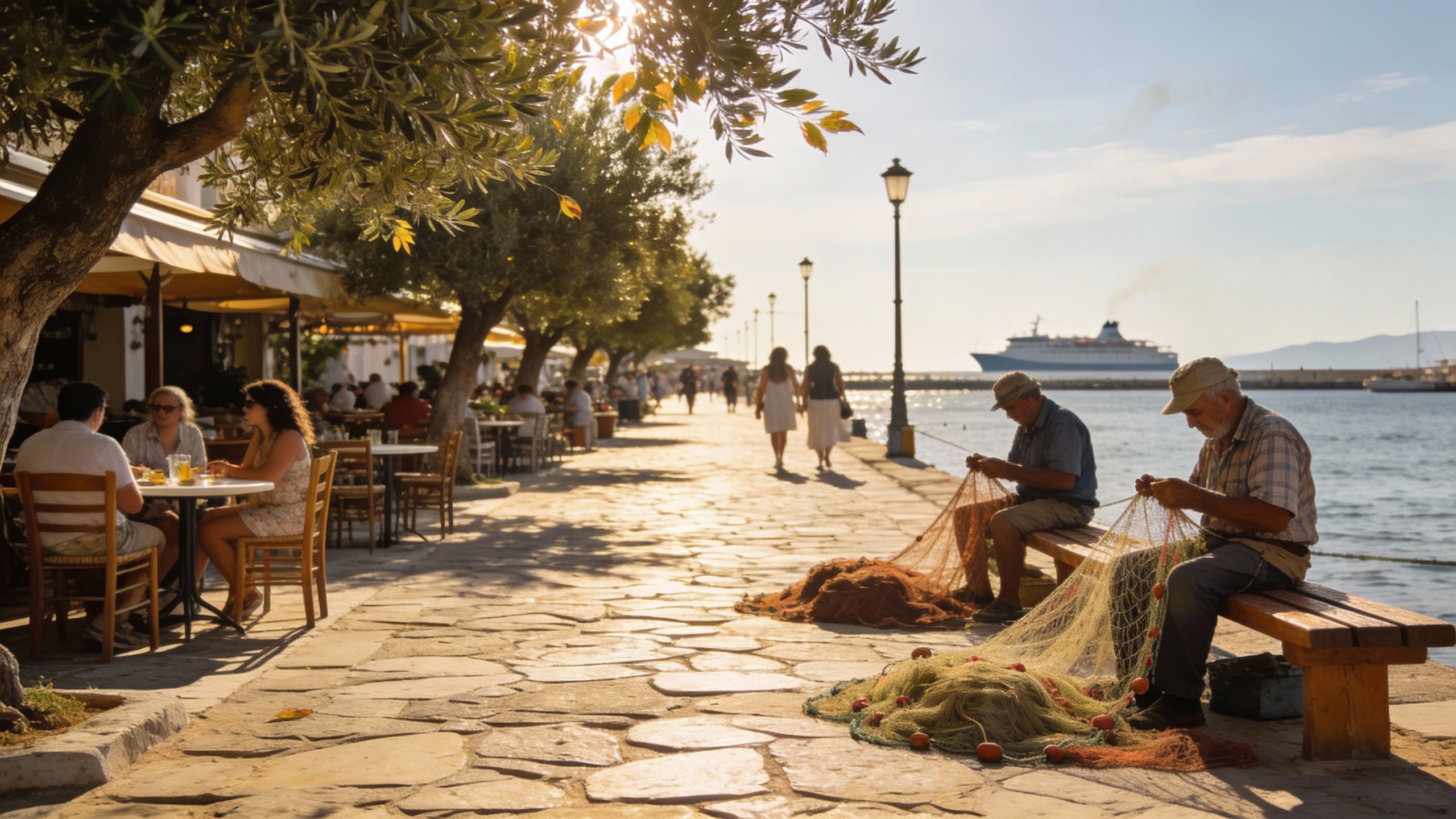
Imagine mornings at a sunlit kafeneio on Athens’ Koukaki Hill, afternoons wandering the Venetian lanes of Chania, and weekends driving past olive groves toward a quiet Ionian cove. That sensory rhythm — coffee steam, sea salt, church bells — is what draws buyers. But beneath the postcard is a market that has quietly regained momentum in 2024–25; prices are climbing again, and understanding where growth is real versus seasonal is the difference between a joyful move and an overpriced purchase.
Living Greece: more than a postcard
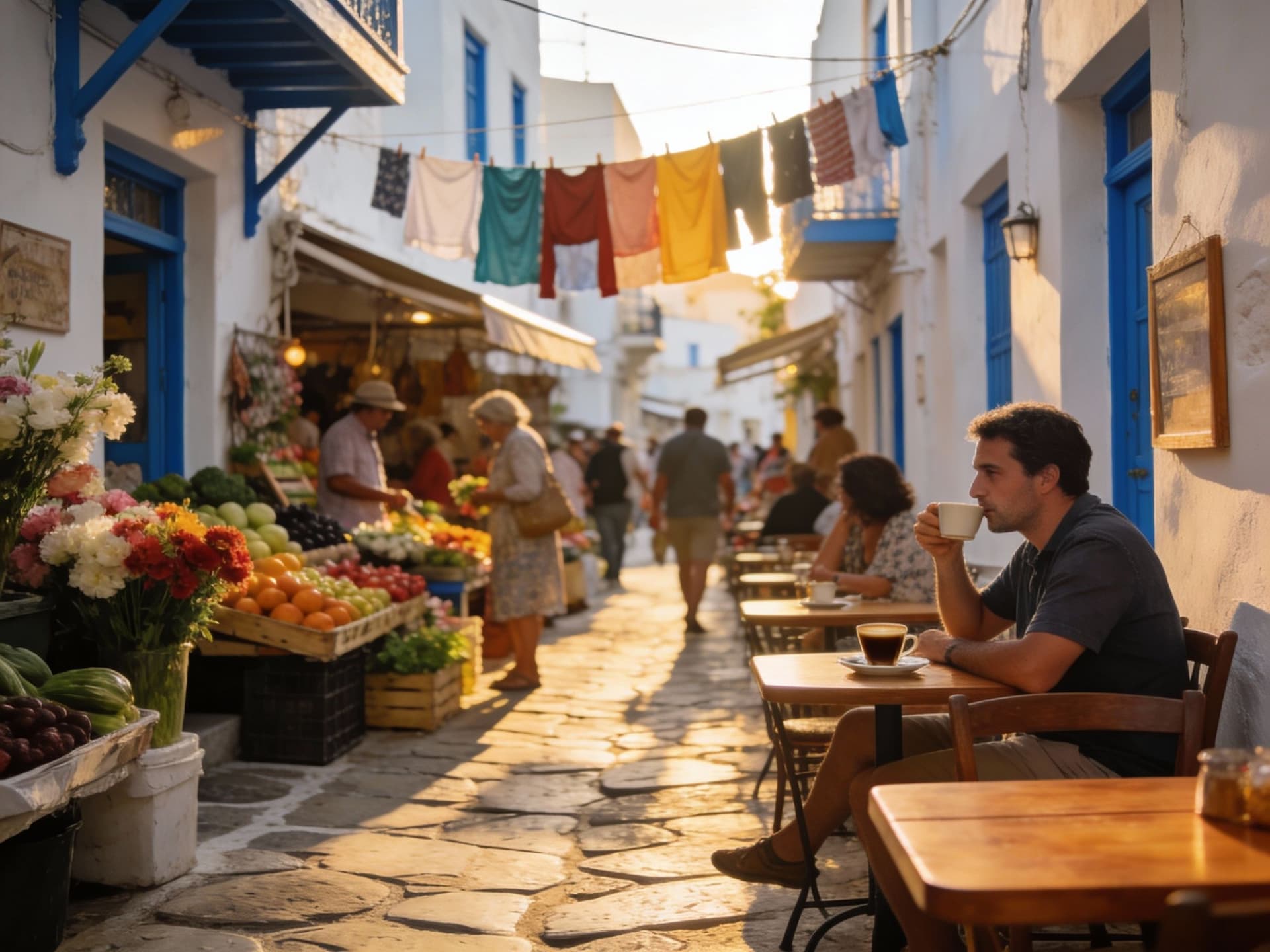
Greece’s life is layered: small-city punctuality, island leisure, and neighbourhood intimacy. In Athens, cafés spill onto streets from Exarchia to Pangrati; on islands like Paros and Syros the day begins with fishermen’s nets and ends at a seaside taverna. Those rhythms shape what buyers want — a terrace for late dinners, a compact kitchen for market cooking, or easy access to a harbour for weekend escapes.
Athens neighbourhoods worth knowing
Koukaki and Petralona feel lived-in: narrow streets, local bakeries, and apartment blocks with character. Kolonaki offers polished cafés and galleries; Glyfada is coastal, with marina life and newer developments. Each delivers a different daily tempo — important when your weekend might be commuting to the islands or hosting friends at home.
Islands and regional flavours
Cyclades towns like Naxos and Syros reward buyers seeking community and calmer summers, while Mykonos and Santorini remain high‑end and seasonal. On the Ionian coast, Corfu and Lefkada mix verdant landscapes with year-round residents. Your choice of island or mainland district will determine seasonal rental potential and how often you live there versus visit.
- Lifestyle highlights: morning market in Varvakios, espresso on Kifissias Avenue, sunset swims at Agios Gordios (Corfu), weekend street festivals in Syros, walkable shops in Chania old town, fresh fish at Piraeus market.
Price trends & data: what the numbers say

Official indices show a steady rebound since 2023. The international house price index for Greece climbed through 2024 into 2025, with Q2 2025 levels reaching new post‑crisis highs according to BIS-based compilations. Eurozone measures also register modest growth, signalling that Greek recovery is part domestic resilience and part broader easing in mortgage conditions.
Where growth is concentrated
Price gains are uneven. Athens (central and desirable suburbs) and the top islands show the strongest appreciation. Secondary islands and much of the rural mainland remain affordable, often under €2,500–€3,000/m². That split matters: aggregate national statistics can hide street‑level bargains or overcooked micro‑markets.
Why on‑the-ground data beats averages
National indices are essential, but for purchase decisions you need transaction-level prices, neighbourhood comparables, and seasonal adjustments. Work with agencies that provide sales dossiers and recorded sale prices — these reveal whether a listed €4,500/m² in Athens is a real transacted level or an aspirational asking price.
- Practical data checks: compare recent sales within the same street, verify price per m² with notarised deeds, check seasonality (summer listings often command higher asks), and validate rental yields against local demand cycles.
Making the move: property types and lived reality
Brick apartment buildings in Athens offer efficient, year‑round living and easier management. Traditional island homes offer character but often require renovation and higher upkeep. New builds on the outskirts may promise amenities but lack neighbourhood life. Match property type to how often you’ll be present and whether you plan to rent.
Working with agencies who know the rhythm
Choose agencies that document transactions, know local notaries, and maintain a network of builders for realistic renovation quotes. A good agent will advise whether an island property’s advertised summer income is achievable outside peak months and will flag infrastructure issues — water, access roads, or seasonal closures.
- Steps to align lifestyle with investment: 1) List non‑negotiable lifestyle needs (proximity to market, terrace size). 2) Request three recent sales comparables per candidate property. 3) Commission a local inspection for building fabric and flood/exposure risks. 4) Model realistic rental income for 12 months, not just peak season.
Insider knowledge: things expats learn the hard way
Expats often arrive enchanted and assume island life is always effortless. The real surprises are practical: summer crowds strain services, winter calm can feel isolationist, and local customs like Sunday closures shape daily planning. Those realities alter how much you’ll use the property and its true running costs.
Cultural integration and community
Learning a few Greek phrases, supporting the neighbourhood kafeneio, and attending local festivals fast‑tracks belonging. Community ties also protect value: neighbours that care for streets and upkeep help preserve price levels over time. That is often as important as a renovated kitchen when thinking long term.
Longer‑term considerations
Think beyond purchase: ask whether the area attracts year‑round residents, whether transport links are improving, and if local planning allows new developments that could alter neighbourhood character. Those factors often predict where price appreciation will be sustainable.
- Red flags to watch: inconsistent notarised sale prices, properties listed repeatedly across agencies, unclear title histories, and listings that rely only on summer rental projections.
If Greece’s sun and food culture have pulled you in, go with both heart and evidence. Use neighbourhood‑level sales data, insist on documented comparables, and spend time in your chosen district across seasons. With patient research and the right local partners you secure not only a property, but a place where the daily rhythms you fell for are actually lived.
Next steps: visit for at least one full week in low season, request notarised sales comparables from your agent, and commission a written inspection. These three actions reduce risk and let you judge whether the lifestyle matches the numbers.
Dutch relocation advisor who moved to Marbella in 2016. Guides Dutch buyers through visa paths, relocation logistics, and balance of lifestyle with value.