Buy the Street, Not the Square Metre: Greece Price Threads
Greece sells a life, not just property. Learn how regional price tiers, Golden Visa reforms and seasonal rhythms reshape where value hides—and how to buy the street, not just the square metre.
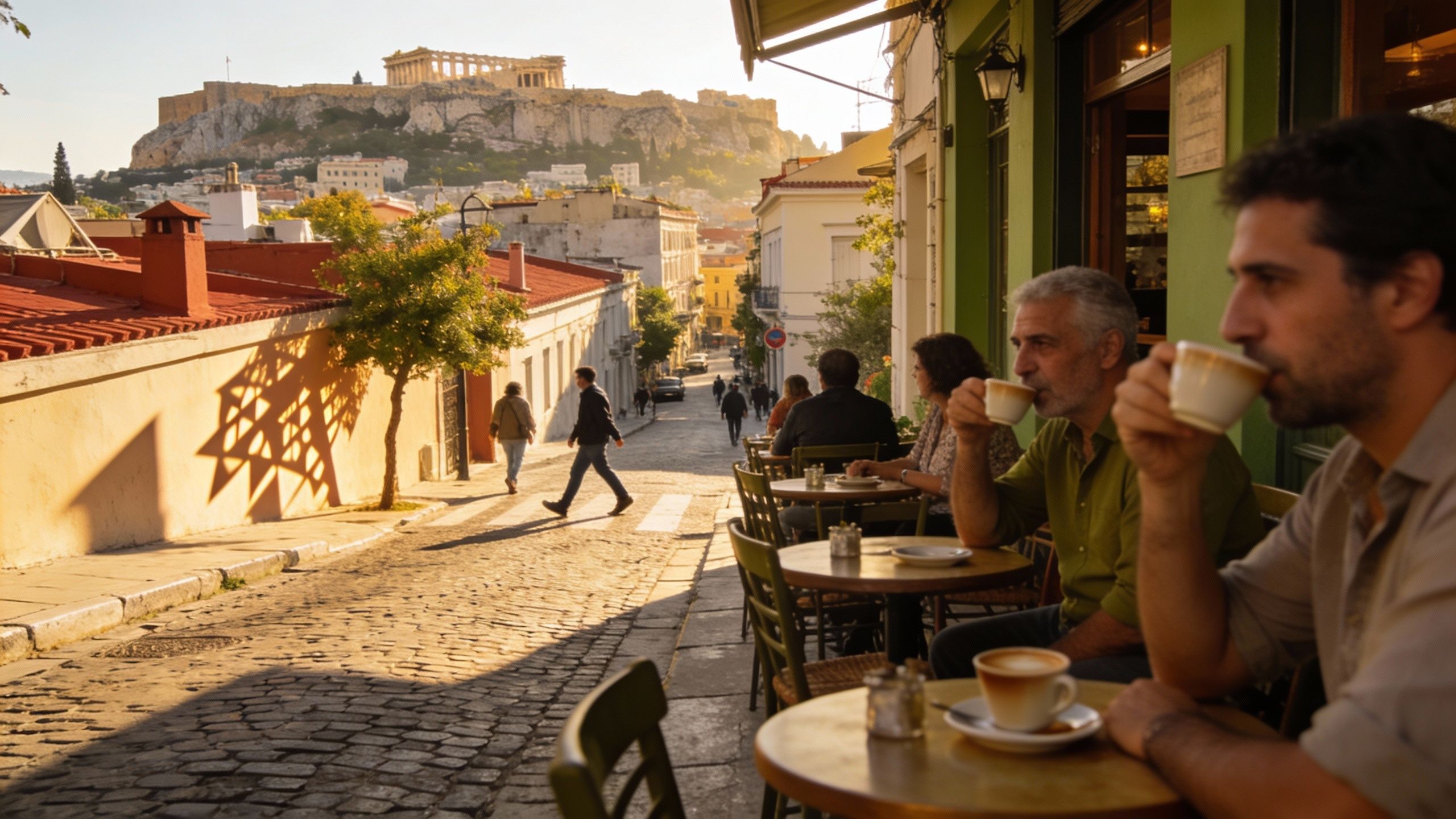
Imagine sipping an espresso on a sun-warmed marble step in Koukaki, then walking five minutes to a taverna where the owner knows your order. That slow, tactile rhythm—market stalls at dawn, late-night plates of grilled fish, and quiet weekdays in olive-shaded villages—is why people come to Greece. But behind the almond-sweet mornings and island light, price signals are shifting fast. Recent policy changes and a two‑tier market mean the dream now needs a plan.
Living the Greece lifestyle

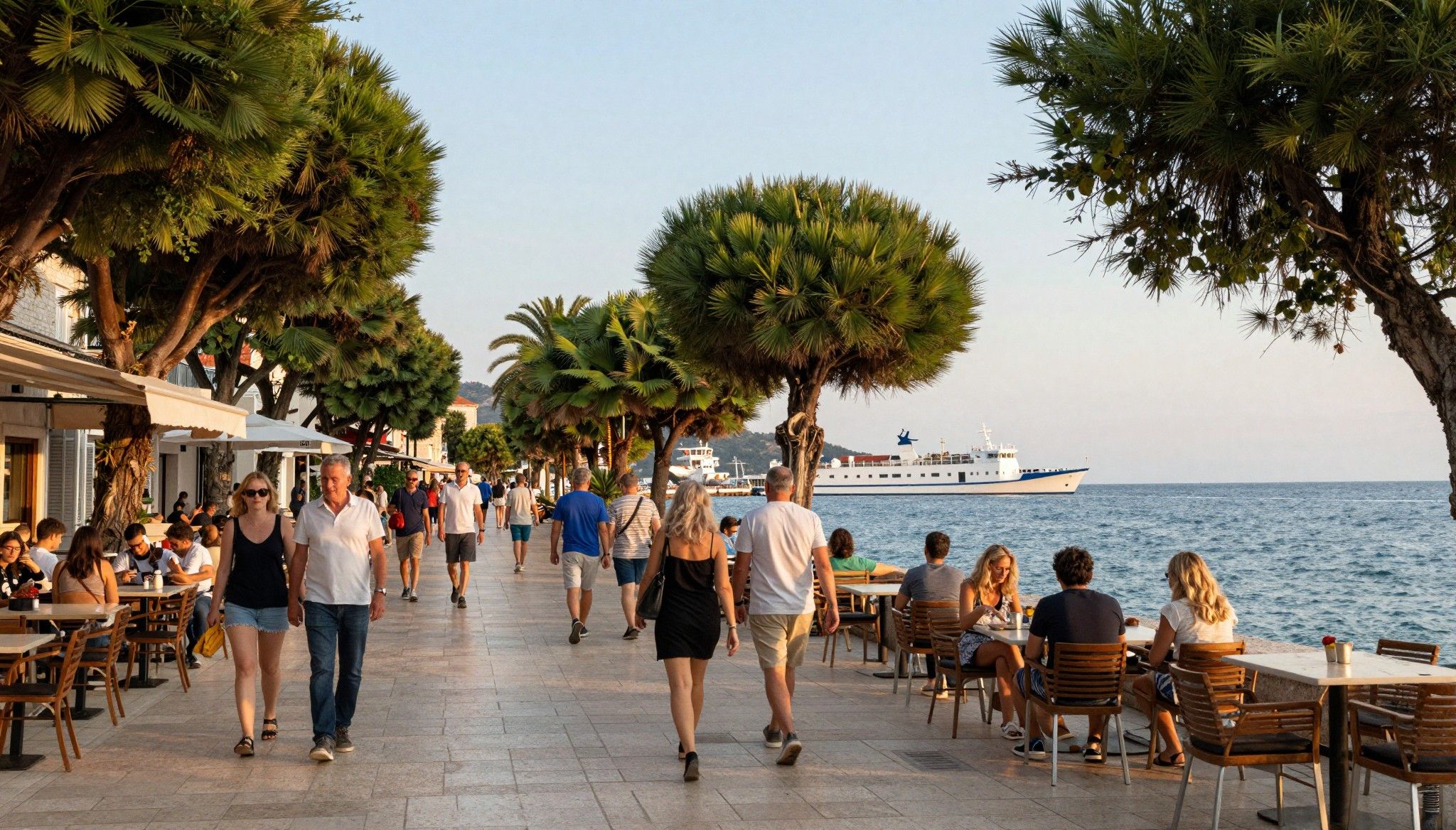
Life in Greece alternates between the social density of Athens and the gentle unrush of islands like Naxos or Kefalonia. In Athens you’ll hear scooters on Adrianou, spot ceramic shops in Psirri, and sip filter coffee at Fokionos Negri. On the islands, mornings are fisherman radios and sunburnt stone; afternoons are for swimming and reading on a terrace. These daily textures shape where people buy — city apartments for culture and convenience, island houses for seasons and privacy.
Neighborhoods that show you different Greeces
Koukaki offers narrow streets, cafés that open before dawn and rooftop views to the Acropolis; Kifisia trades that for green avenues and bakeries where families linger; Plaka is tourist-woven but still has hidden courtyards at dawn. On islands, Ano Mera in Mykonos or Chora in Naxos feel lived-in rather than staged—places where you’ll meet neighbors rather than customers.
Food, markets and social life as location markers
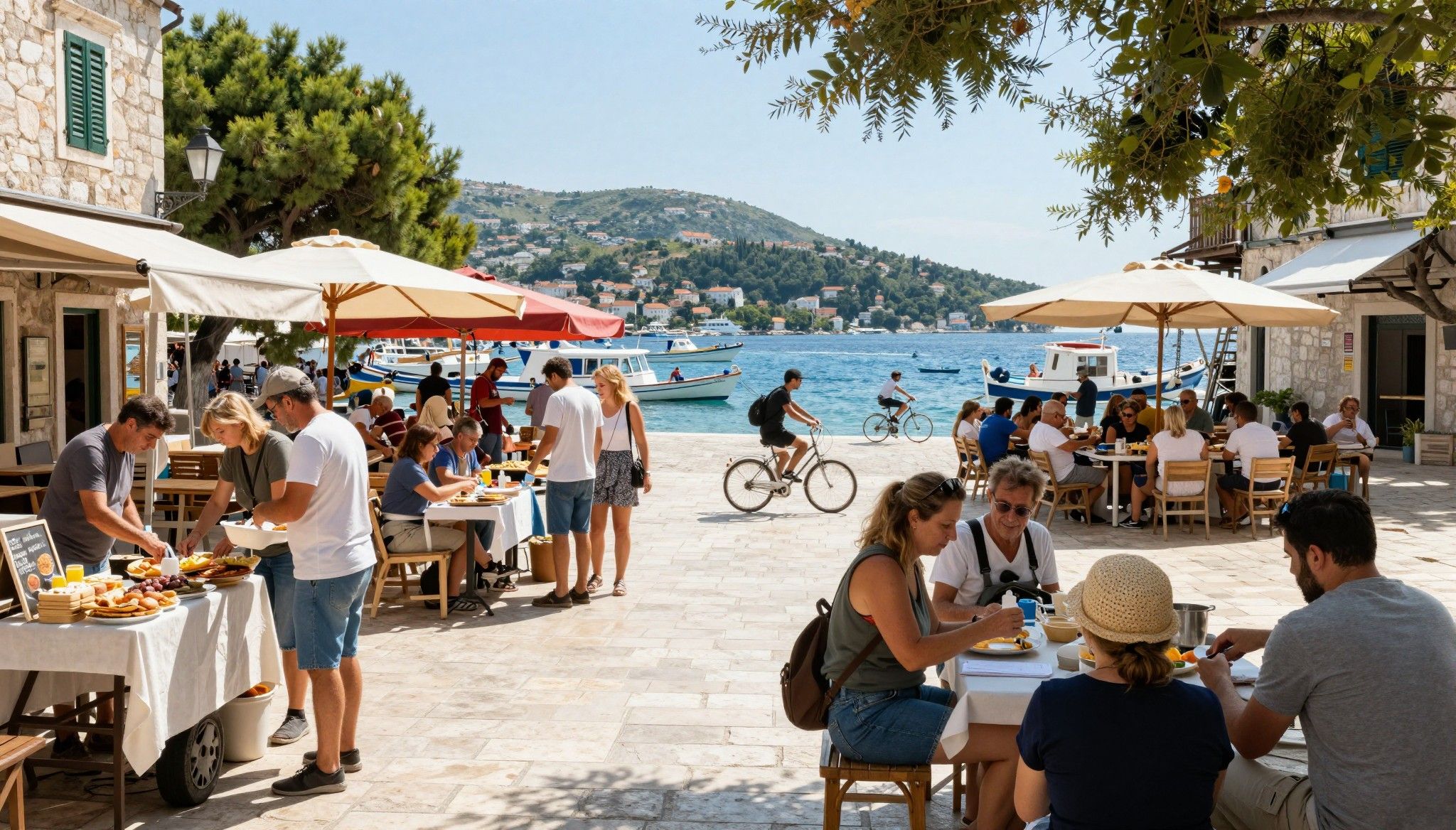
Markets set the soundtrack: the Varvakios market in Athens hums with bargaining and aroma; island fish markets finish early and neighborhoods gather at dusk. These scenes tell you what property will buy you—an apartment two blocks from a daily market is daily life; a villa with an isolated plot buys quiet and isolation. Expect big price differentials: central Athens averages far higher per square metre than rural Peloponnese or lesser‑visited Ionian villages. Local price tiers are the first risk filter for any buyer.
- Lifestyle highlights: Koukaki cafés, Varvakios market mornings, Kifisia pastry shops, Naxos Chora evenings, Plaka courtyard surprises, Agios Georgios beach swims
Making the move: practical considerations

You can fall in love with a street—but closing the deal means understanding the market mechanics. Since 2024 Greece moved to regionally tiered investment rules that affect foreign demand and pricing. That matters because changes in residency rules and thresholds have already redirected buyer interest from some islands to more affordable mainland pockets. Expect policy to continue shaping where price momentum runs.
Property styles and what they mean for daily life
Modern Athens flats give you centrality, elevators and cafés below. Neoclassical apartments come with higher renovation needs but large windows and high ceilings. Island stone houses offer terraces and sea access but think about maintenance, water supply and winter isolation. Match a property type to the life you want: social and plugged-in, or seasonal and unplugged.
Working with local experts who know the lifestyle
A local agent who lives a neighborhood will show you the corners where real life happens: the baker at 7am, the laundrette that closes early, which streets flood in heavy rain. Lawyers familiar with Greek title searches and municipal regulations are non-negotiable. We recommend an agent-lawyer loop from day one: agents find the lifestyle fit, lawyers verify the paper. Both save time and avoid costly surprises.
- Steps that blend lifestyle and practice: 1) Spend a week living in your target neighbourhood to test daily rhythms; 2) Ask an agent for off‑market streets and speak to local shopkeepers; 3) Commission a local lawyer for title and municipal compliance checks; 4) Factor seasonal running costs and utility setup into your budget; 5) If residency matters, align purchase timing with current Golden Visa rules.
Insider knowledge: what expats wish they'd known
Expat buyers tell a common story: they underestimated seasonality and overestimated rental income. House price indices show steady rises in recent years but with strong regional variance. That means returns depend on location choices—not broad national trends. Look past headlines and ask: how many months a year will this place be attractive to renters, and how will local rules treat short‑term lets?
Cultural integration, language and daily social life
Learning basic Greek opens doors: shopkeepers, building managers, and neighbors respond to effort. Expect bureaucracy to move at local pace—appointments, paperwork, and municipal permissions take time. Join a local taverna table and you’ll find invitations, help, and inside info faster than any online forum.
Long-term lifestyle and market realities
Think ten years ahead: will the neighbourhood keep its character? Islands that become short‑term rental hotspots can flip from quiet to crowded. Mainland towns with improving connectivity can quietly outperform as remote-work hubs. Your life will change after purchase—plan for evolving needs, resale pathways, and maintenance budgets.
- Red flags we see: title irregularities, missing building permits, water access issues on islands, properties marketed as “ready to rent” without clear local licensing, and sellers who pressure on timing tied to residency rules.
If you love the idea of Greece, fall for the street first, then the spreadsheet. Live a week in the neighbourhood, talk to locals, and let data—local price per m², recent house price indices, and policy changes—shape your offer. Work with an agent who knows streets by name and a lawyer who reads municipal archives. That combination preserves the lifestyle you bought into and protects your investment.
Conclusion: Greece sells a life, not just square metres. Use local data (price per m² by area), verify policy timelines for residency if relevant, and prioritize neighborhoods that match how you want your days to feel. When you pair curiosity—morning markets, seaside walks—with careful local due diligence, you buy both the life and the value.
Dutch relocation advisor who moved to Marbella in 2016. Guides Dutch buyers through visa paths, relocation logistics, and balance of lifestyle with value.