Streets‑Led Price Signals: France’s 2025 Market Reality
France’s market picked up in early 2025; pair INSEE’s data with street‑level checks to match the lifestyle you want to buy with the precise market signals that protect value.
Imagine sipping an espresso at Café de Flore before wandering a morning market in Aix, then signing a purchase offer by late afternoon. France rewards small daily pleasures: open markets, neighbourhood boulangeries, riverbanks and coastal light. That sensory life explains why buyers dream of French addresses — but lifestyle and ledger are not the same. Recent data show the market shifting; the decision to buy must weigh the lived experience against evolving price trends and regional nuance. We begin with what France feels like, then layer the numbers and practical signals that matter to international buyers.
Living France: rhythm, streets and seasons
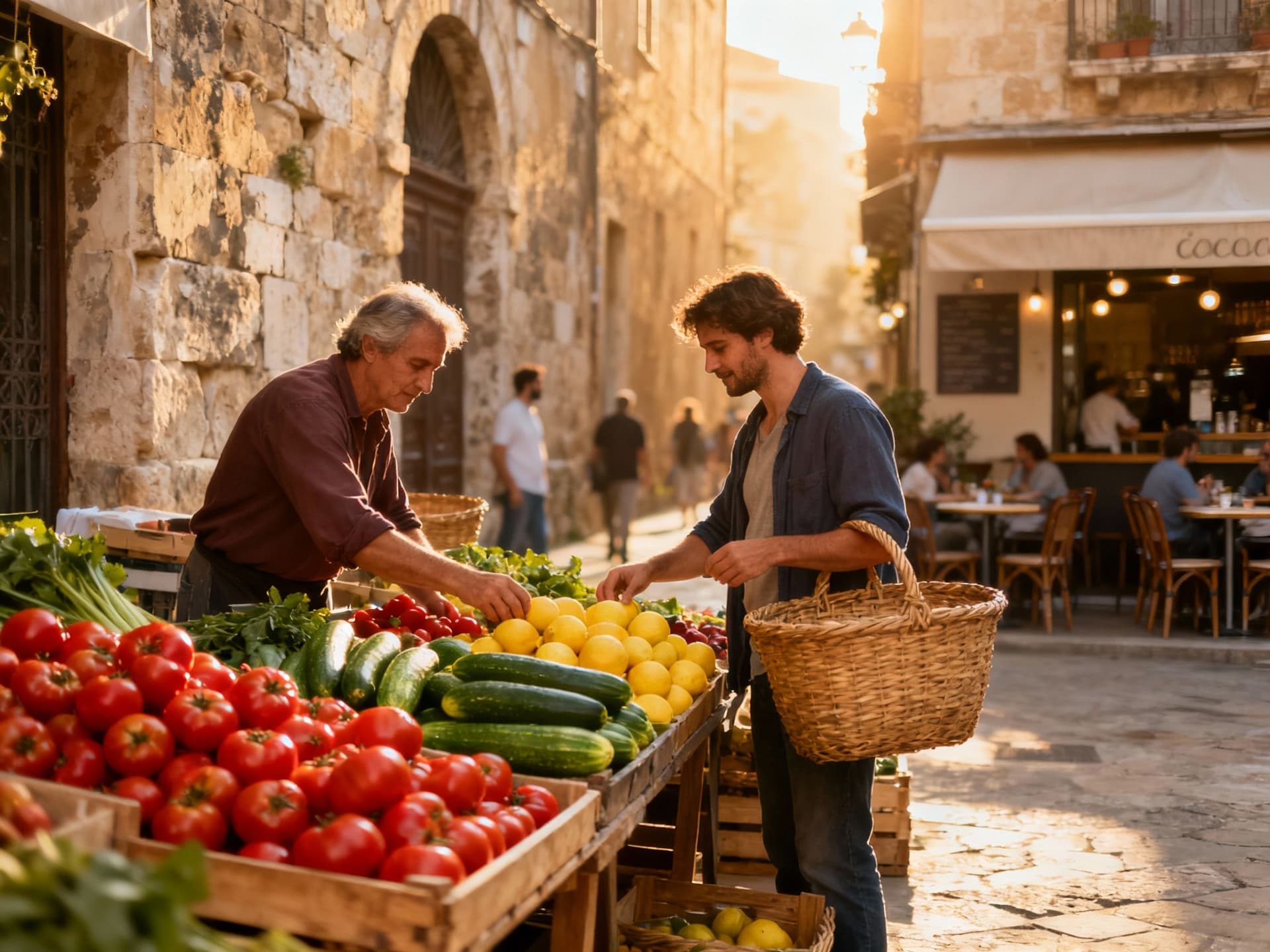
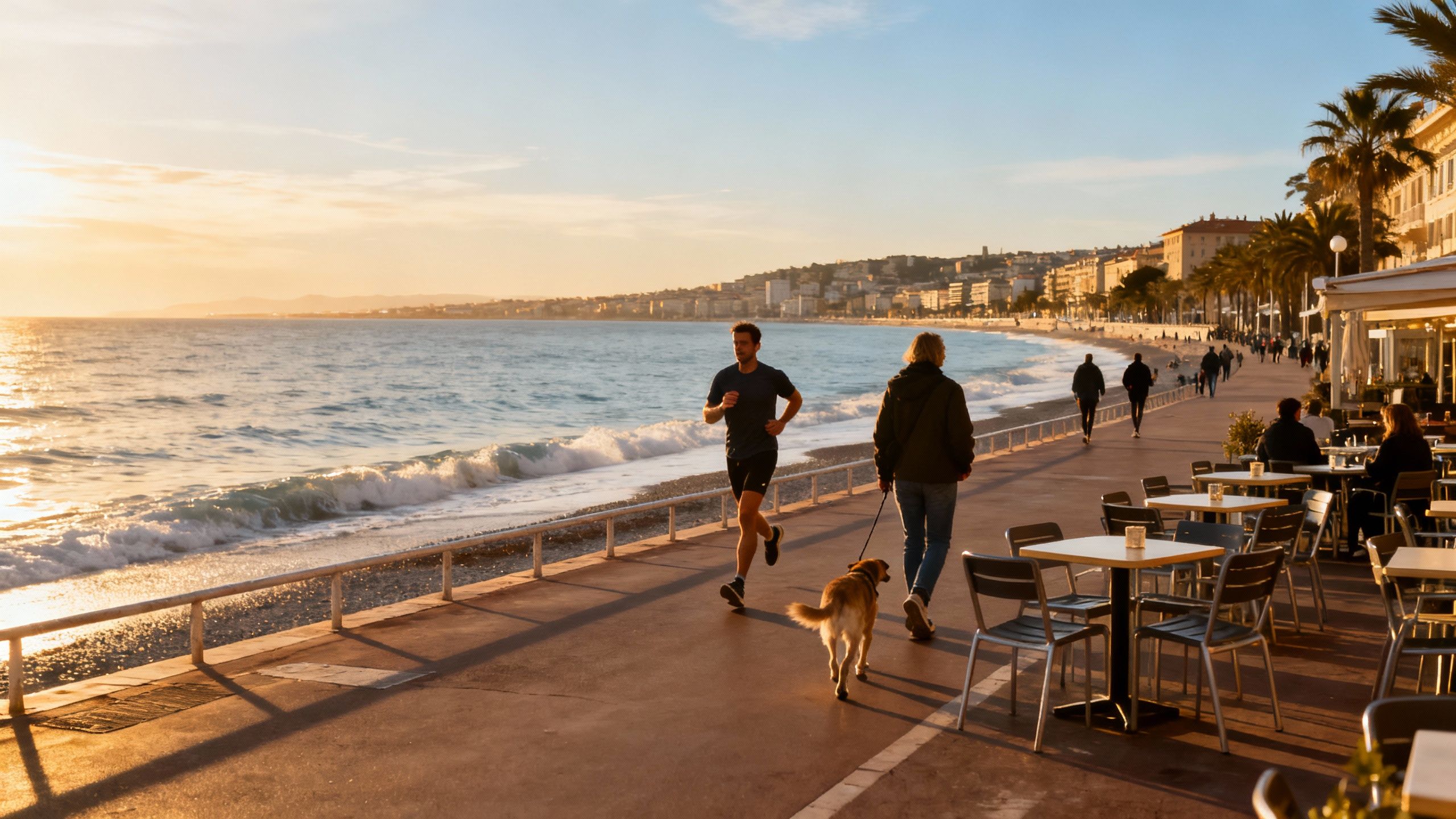
France is many countries in one. In Paris the day runs on cafés and short walks between arrondissements; in Provence mornings are measured by market stalls and cicadas; on the Côte d’Azur life orients to the sea and terraces. Weather and calendar shape daily routines: long coastal summers, quiet inland winters, harvest and fête seasons that animate towns. For buyers, these rhythms determine how a property will be used — full‑time home, weekend retreat or seasonal rental — so choose neighborhoods that match the life you want to lead.
Parisian corners, provincial calm
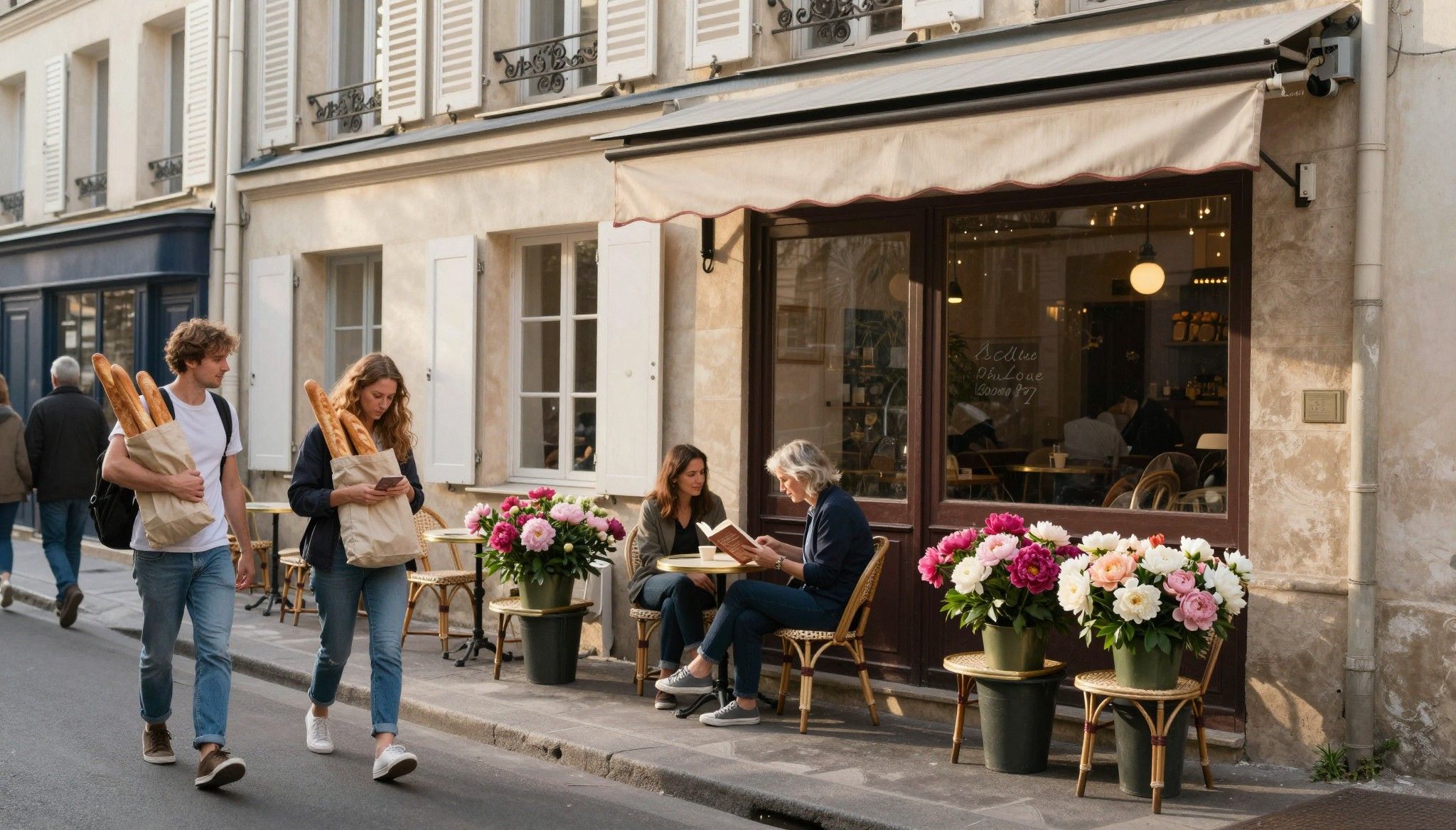
Streets matter. In Paris, Le Marais and the 7th offer museum‑close mornings and strong resale liquidity; Canal Saint‑Martin delivers a younger, café‑led tempo. Outside Île‑de‑France, towns such as Aix‑en‑Provence, Angers and Lille combine market life with lower price volatility. Coastal towns—Antibes or Biarritz—shift from packed high season to near‑sleep in winter, changing rental yields and maintenance expectations. Walk the streets before you price them: local life is the reliable signal of long‑term desirability.
Food, markets and weekly rituals
Mornings at Marché Forville (Cannes), aperitifs on Rue Saint‑Denis (Lyon), oyster plates at Cap Ferret — these rituals form property demand. They anchor buyer choices more than glossy views. Properties close to weekly markets and good cafés often outperform in resale because they deliver everyday life, not just Instagram moments.
Market picture — what the data really say

Headline numbers can mislead. National indices show recovery in early 2025 after quarters of decline. INSEE recorded a 1.0% quarter‑on‑quarter rise in Q1 2025 and return to modest year‑on‑year growth, reversing a six‑quarter slump. But gains are uneven: flats in provincial cities and new dwellings outperformed, while segments in Île‑de‑France remained more muted. For buyers, the task is less about national headlines and more about the micro trends in neighbourhoods you love.
Regional divergence: expect variety
INSEE’s second‑hand index shows flats in provincial France gaining more than houses and Île‑de‑France remaining relatively flat. Translation for buyers: a coastal flat or a provincial apartment can recover value quicker than a suburban Paris house. Match property type to local dynamics rather than national averages.
Why macro trends matter — and when to ignore them
Macro signals — interest rates, inflation fall, and transaction volumes — set the backdrop. Press commentary in 2025 linked lower rates to renewed activity. Still, for an international buyer the key question is liquidity in your target micro‑market, seasonal occupancy and legal clarity. Use national reports to frame timing, then drill down to local notaires and municipal planning documents for decisions that affect price and use.
Making the move: translating lifestyle into investment logic
The best purchases combine a place you want to live with realistic expectations about return and running costs. That means mapping daily routines onto property features: a courtyard for morning coffee, proximity to a market for fresh produce, heating quality for winter months. It also means early conversations with francophone notaires, local agents and—critically—neighbourhood residents. Practical due diligence protects the lifestyle you want.
Property types that suit life in France
Stone village houses: quiet, spacious courtyards, higher renovation needs. City flats (period): walkable, stable demand, potential management rules. New builds: energy efficiency, predictable maintenance, sometimes small outdoor space. Coastal apartments: strong seasonality, management and insurance considerations. Small châteaux and rural estates: lifestyle cachet, larger upkeep and tax complexity.
Steps to align lifestyle and market sense
1. Spend 7–10 days living in the neighbourhood across a weekday and weekend to test rhythms. 2. Request comparable recent sales from local notaires; compare square‑metre pricing and days‑on‑market. 3. Check seasonal occupancy patterns if you plan short‑term lets; ask local property managers. 4. Budget for energy performance improvements where necessary — EPCs alter marketability. 5. Lock a local agency with language support and verified transaction records.
Insider knowledge: what expats wish they'd known
Expats often underestimate community subtleties. Neighbourhood life determines whether a property becomes a home. A rue with two good bakeries, an open market and a tram stop will sustain demand and daily joy. Conversely, proximity to a tourist pier or seasonal festival can mean noisy months and empty winter streets. Ask long‑term residents about the calendar of local events and municipal plans; those answers matter more than glossy photos.
Language, integration and practical social cues
French bureaucracy rewards preparation. Learning basic French opens services and social invitations. Introductions from a local agent to a syndic (condo manager), boulanger or market vendor smooth daily life. For buyers planning rental income, local rules about short‑term lets vary by commune — check before budgeting. These social and regulatory details shape both lifestyle and cashflow.
Longer term: durability of lifestyle value
Lifestyle value endures when neighbourhood functions persist: good shops, schools, transport and civic life. When those features erode, so does demand. Look for municipal investment plans, transport upgrades or conservation protections as indicators of sustainable value. In many French towns these public signals are visible and documented — they should factor into any purchase decision.
If France feels right, start with the street and the ledger. Spend time locally, obtain recent notaire comparables and confirm seasonal demand for your intended use. Use national data to set timing and local records to set price. A measured agency will translate lifestyle priorities into documents, comparables and negotiation — protecting both the dream and the investment.
Swedish expat who moved from Stockholm to Marbella in 2018. Specializes in cross-border legal navigation and residency considerations for Scandinavian buyers.