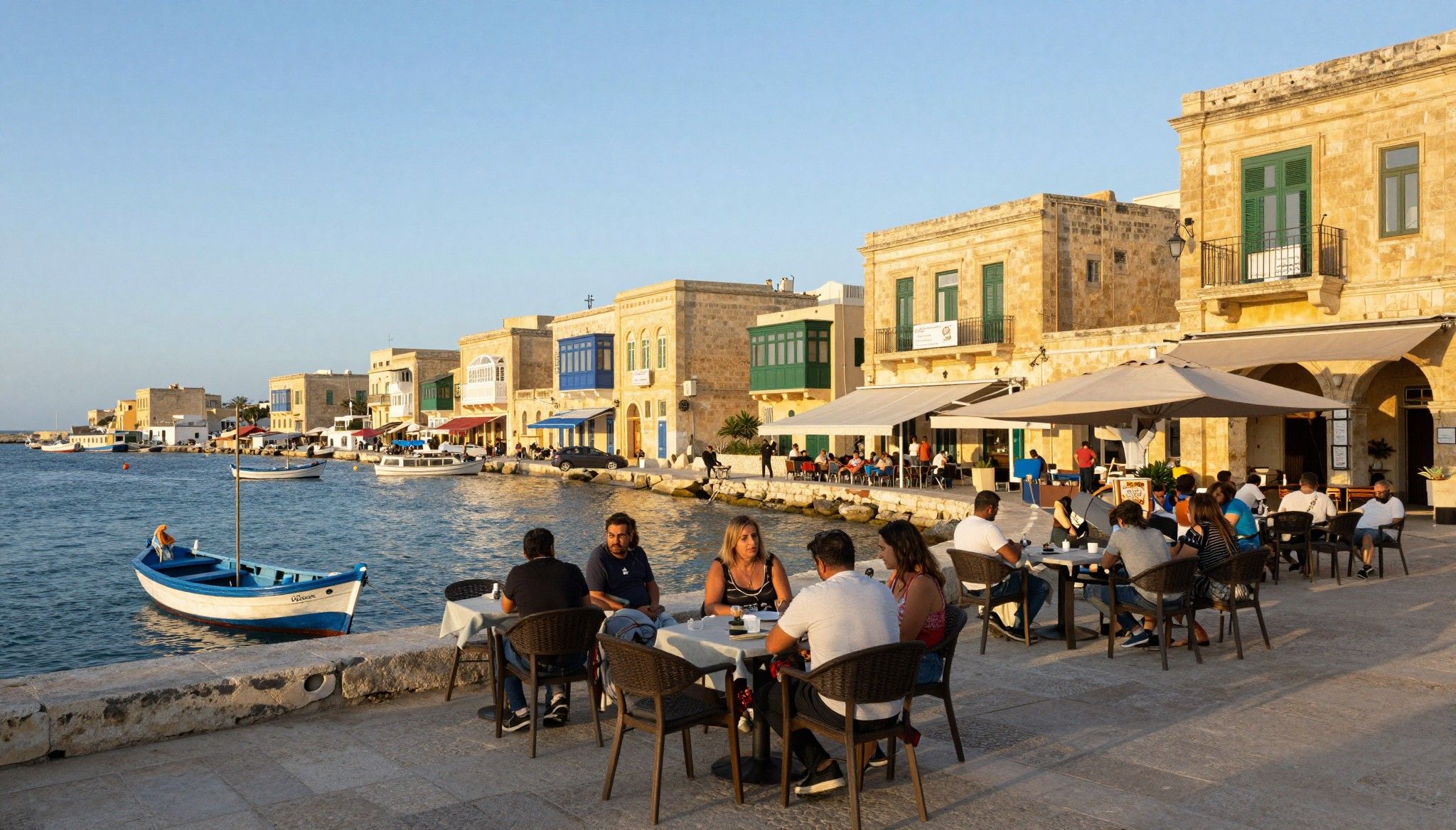
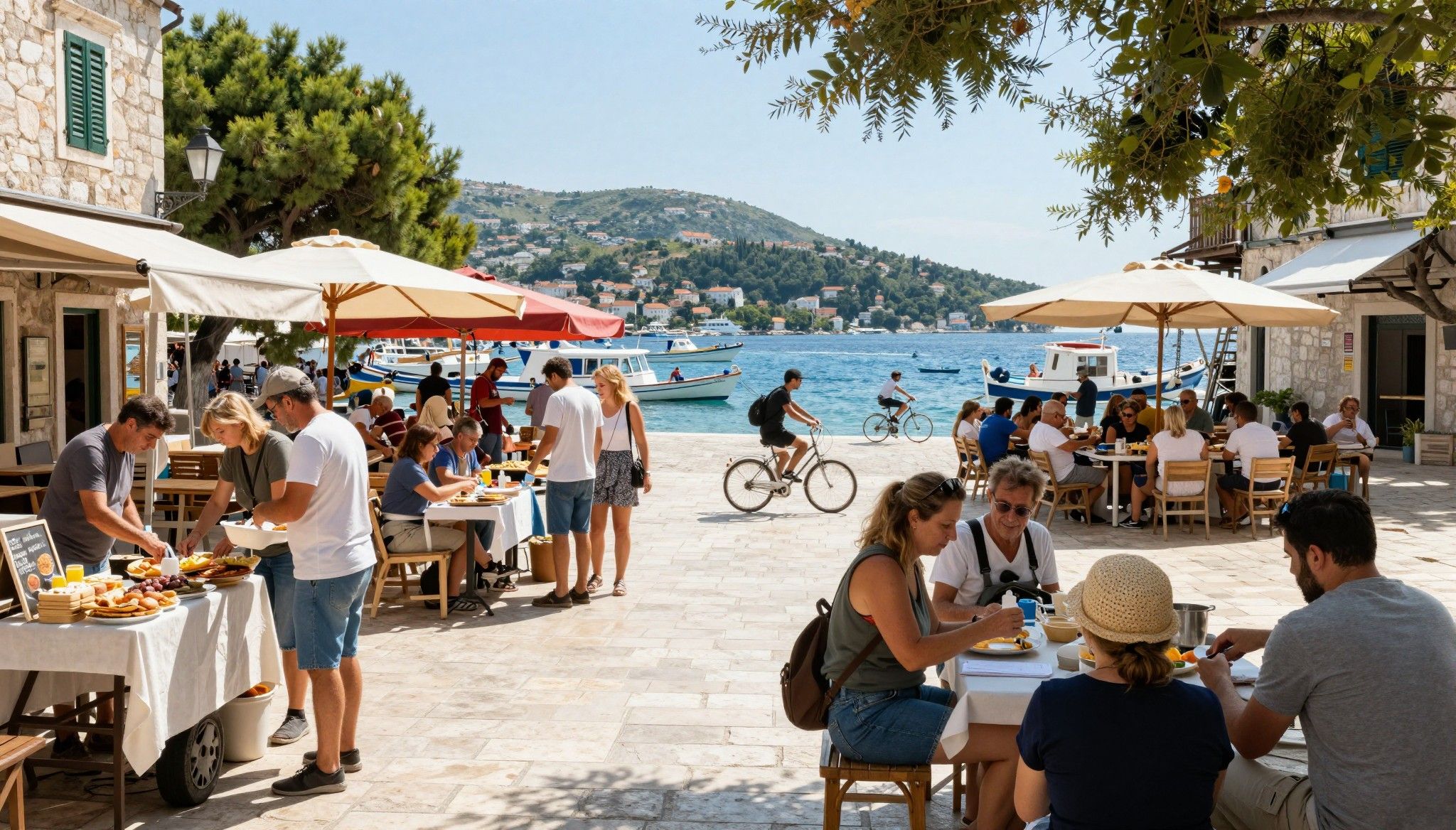
The Summer Illusion: How Seasonality Skews Greece Prices
Seasonal spikes drive many Greek price headlines. See places in winter, compare local indices with agency reports, and prioritise neighbourhood life over postcard peaks.
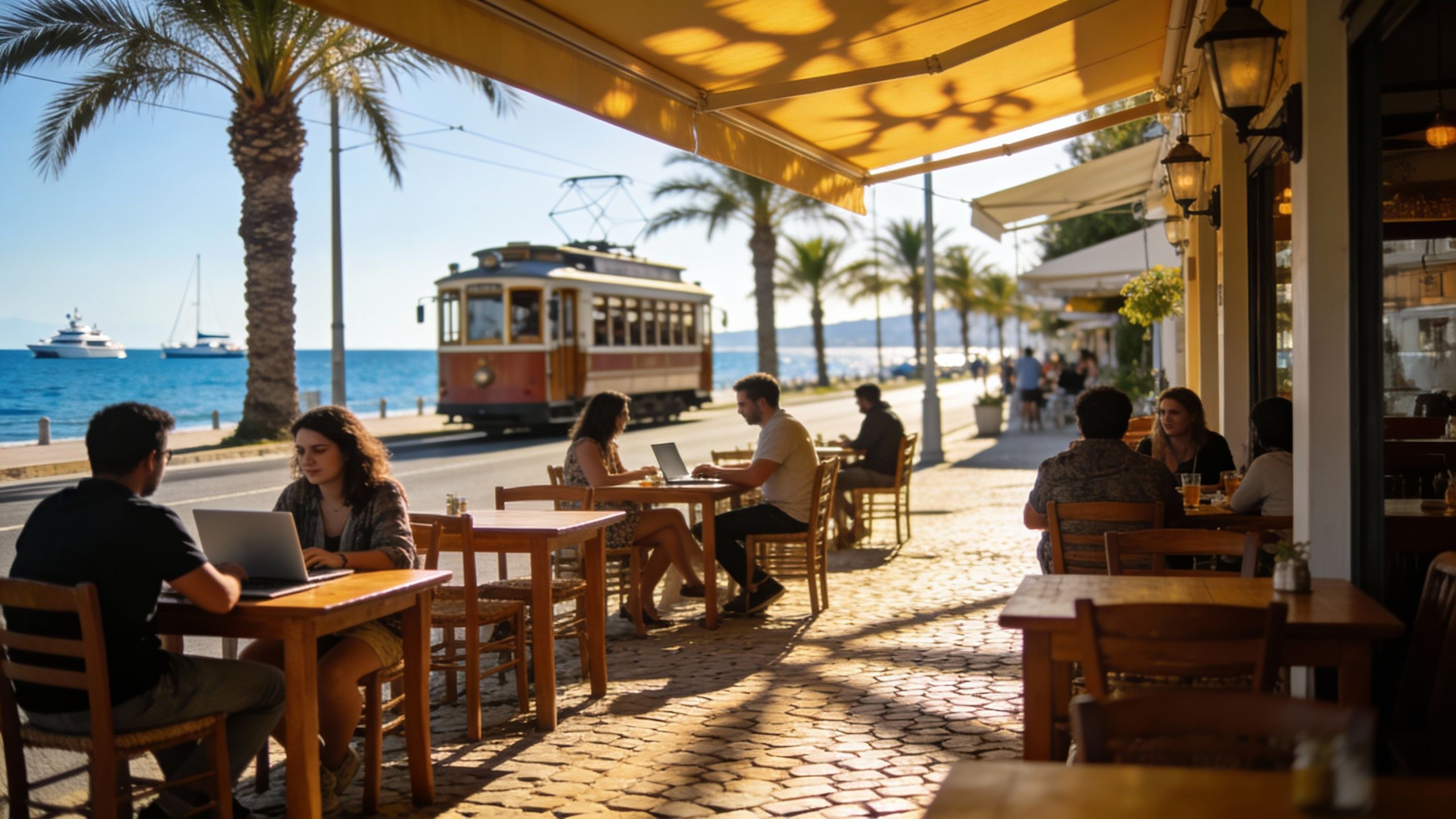
Imagine sipping espresso on a shaded table in Koukaki while a neighbour argues in rapid Greek about the best fish in Piraeus. Greece moves at the tempo of markets and seasons: frenetic in July, intimate and local in November. That rhythm hides a critical truth for buyers — headline prices peak with postcards, not always with long‑term value.
Living Greek Life — rhythm before price

Daily life in Greece is granular. On a weekday in Athens you will find parents at fixed‑hour school queues in Pangrati, retirees playing backgammon in Kallithea squares, young professionals on the tram to Glyfada’s shore clubs. That texture defines where people choose to live — access to a market, a particular café, a short ferry to an island — often more than a headline euro/sq.m figure.
Neighbourhoods that feel like a life
Koukaki: narrow streets, tavernas, and quick access to the Acropolis. Glyfada: seaside avenues and concierge‑style retail. Pangrati: quieter, with tree‑lined cafes and pockets of affordable apartment stock. These places show why lifestyle cues — good bakeries, nearby clinics, evening life that suits you — matter when translating price data into a real home.
Food, markets and seasonality
Picture the Varvakios market at dawn in winter: quiet stalls, bargains for those who arrive early. Contrast that with the same streets during August when tourist demand inflates short‑term rents and, by extension, prices. These cycles affect neighbourhood valuations and should shape when and where you look.
- Lifestyle highlights — neighbourhood cues to watch
- Koukaki: morning cafés (Yiasemi), pedestrian streets, easy evening life
- Glyfada: coastal promenades, international schools, reliable taxis
- Pangrati: parks, metro access, affordable renovation projects
Making the move: when data meets lifestyle

Lifestyle makes you fall in love. Data keeps you honest. National indices show Greece has seen strong recent appreciation, but the timing and location of those gains diverge sharply. Treat national averages as a starting point, then drill to neighbourhood and seasonal data before committing.
Property types and how they shape living
A renovated 19th‑century apartment in Plaka gives you light, central walking life, and higher maintenance costs. A modern two‑bed in Glyfada offers outdoor living and easier rental demand. Match the property type to your daily needs — not to a generic return‑on‑investment figure.
Working with local experts who know the rhythm
Experienced agents will show you the same street in two seasons. Ask to see utility bills, pedestrian counts, and short‑term rental calendars. The right local expert differentiates seasonal spikes from sustainable demand; insist on comparables that account for month‑by‑month variation.
- Practical steps combining lifestyle and data
- Request 12 months of rental listing history and three years of comparable sales in your exact street.
- Visit outside peak season (October–April) to test community life and running costs.
- Compare Bank of Greece indices with local agency reports (e.g., RE/MAX Hellas) to spot divergence between national and micro markets.
Insider knowledge — what expats wish they’d known
Expats often underestimate seasonal distortions. Many buy at the high point after a summer visit. Others overlook neighbourhoods that hum quietly in winter but offer better long‑term value. Being present in different seasons changes both appreciation expectations and daily satisfaction.
Cultural cues that affect property choices
Greek social life revolves around piazzas, cafés and local bakeries. A home five minutes from a nightly square event will feel twice as large as a similar flat that’s quieter. Consider proximity to those social anchors when weighing prices.
Long‑term realities: maintenance, climate and community
Expect higher maintenance for older stone buildings and different energy needs for islands versus mainland. Community matters: local councils, seasonal population swings, and ferry schedules affect both living and rental economics over time.
- Red flags and quick checks
- Large jumps in advertised nightly rates compared with off‑season averages
- Listings that cite tourist demand without year‑round tenancy data
- Missing utility or condominium fee history for the prior year
Conclusion — fall in love with the life, buy with the figures
Greece sells a lifestyle first and an asset second. Let the markets inform timing and location, but let seasonal living inform value. See places in more than one season, demand neighbourhood‑level data, and use local experts to separate postcard price spikes from sustainable value.
British expat who relocated to Marbella in 2012. Specializes in rigorous due diligence and cross-border investment strategies for UK and international buyers.