Why Cyprus Isn't As Pricey As You Think
Cyprus looks expensive on headlines; the reality is nuanced—district splits, VAT vs transfer‑fee math, and seasonality offer value if you know where to look.

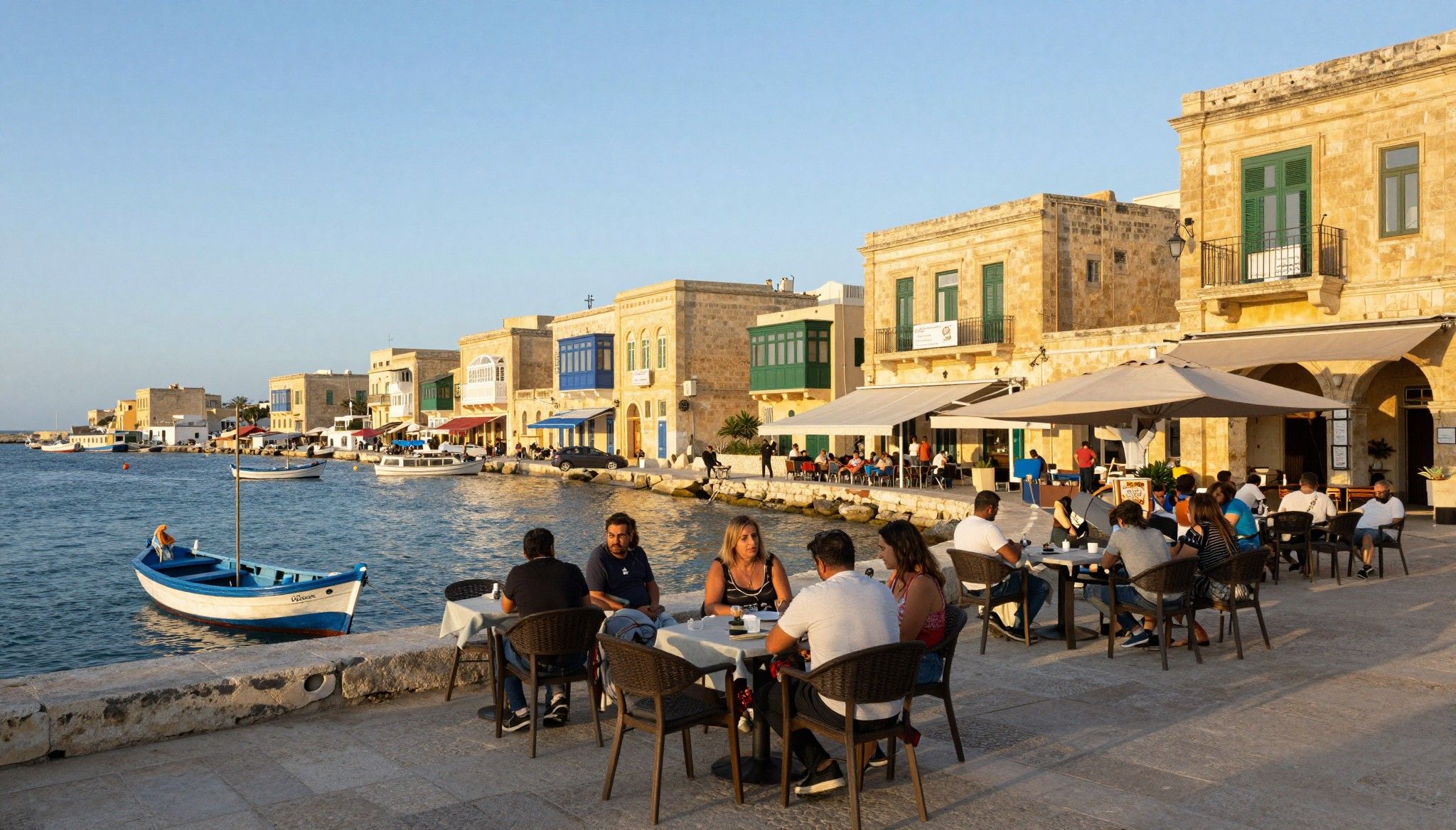
Imagine an early-morning espresso at Molos in Limassol, the sea a cool ribbon beyond the promenade, and a local baker calling out the day’s warm loaves. Picture weekends cycling to Kourion’s ruins, market baskets of halloumi and lemon thyme, and evenings spilling into small taverna courtyards. That feeling—sunlit, small-city, slow—is what draws buyers. Yet when people say “Cyprus is expensive,” they’re usually thinking of shiny marinas and headline numbers, not the full picture. We’ll show why that reputation is misleading, where prices really sit, and how lifestyle choices change the math.
Living the Cyprus life
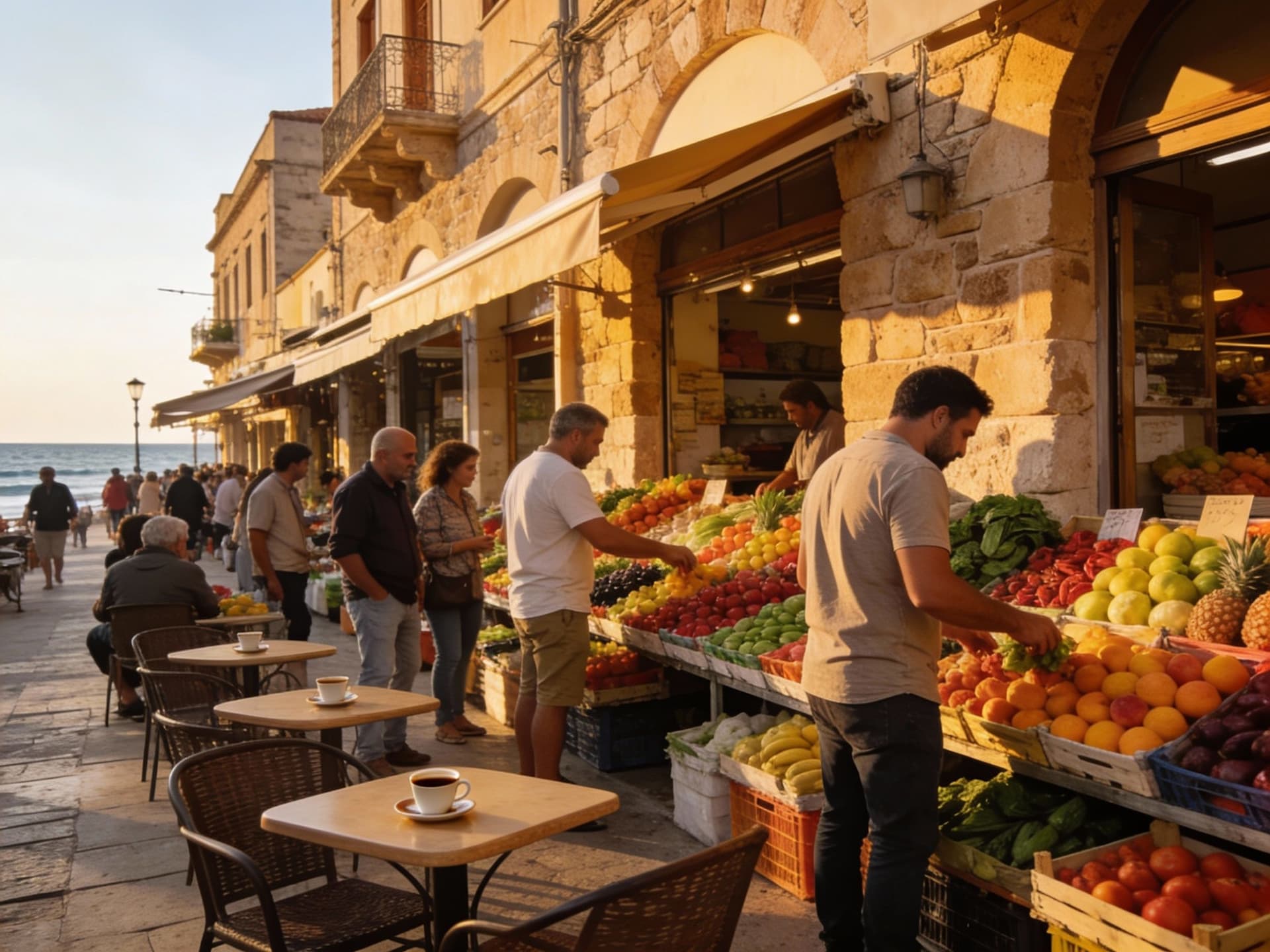
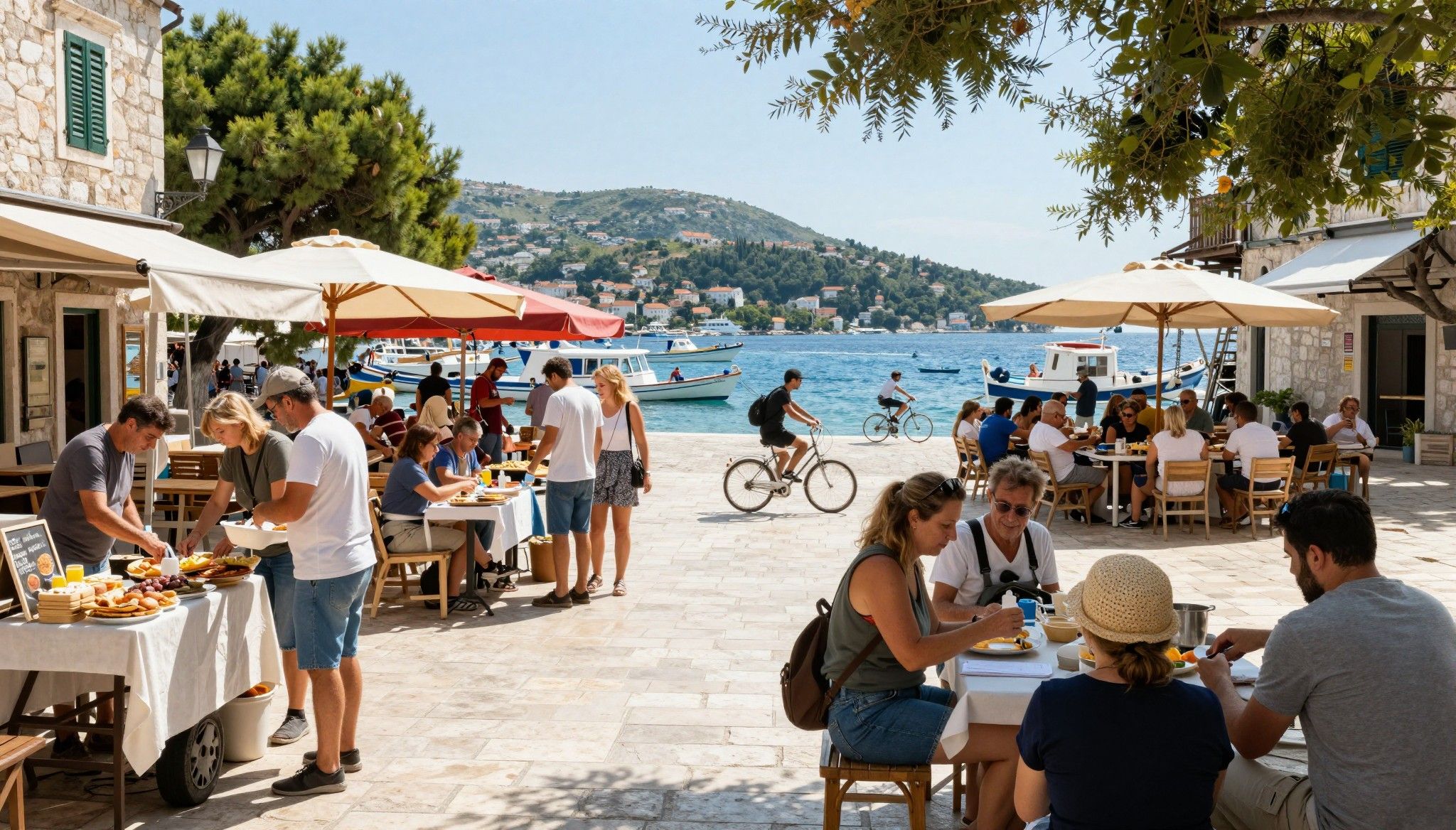
Cyprus feels Mediterranean in the most lived-in way: cafes open early, siesta-ish slow afternoons in coastal villages, and a pulse of international schools and expat meetups in Limassol and Nicosia. Streets are concrete and bougainvillea; weekends move between beaches in Ayia Napa and family lunch in rural Omodos. The island mixes high-end developments—Limassol Marina, modern seafront blocks—with surprisingly affordable inland villages where restored stone houses sit under vineyards. That range is the key: ‘Cyprus’ as a single price is a myth; lifestyle choices determine cost far more than island-wide averages.
Limassol’s seafront vs the backstreets
Walk the Molos by day and you’ll see premium apartments with marina views and concierge services—those carry a premium that skews media headlines. Turn two streets inland to Germasogeia and the Old Town and you’ll find narrower budgets, long-term rentals, and family-run cafés where the rhythm is quieter. For buyers this means: if you want marina life, expect top-tier pricing; if you prefer neighborhood markets and shorter commutes, the same city delivers much lower entry points.
Coastal summers and quiet winters: seasonality matters
Cyprus’ high season (June–September) makes seaside areas feel like everywhere is booked and prices climb for short lets. Off-season living—autumn to spring—is calmer and often the best time to negotiate on resale homes, view property properly, and test a neighbourhood’s year-round character. That seasonal swing affects short‑term rental economics and maintenance costs, so match your buying aims (holiday income vs. full‑time living) to the rhythm of the place.
Making the move: what the data actually says

Headline: national indices show prices rising, but the pace has slowed. The Central Bank’s RPPI reports steady annual growth with regional variation—Paphos and parts of Famagusta often outpace Nicosia, while Limassol sits above the island average because of marina and luxury stock. What matters for buyers is slice and context: district averages hide sub‑neighbourhood swings and the split between new‑build VATed stock and resale homes exempt from VAT and often carrying lower transfer fees.
Price drivers to watch
Three big forces move prices in Cyprus today: new-build demand along the coast (driving Limassol figures), mortgage costs and construction inflation (which slow activity), and foreign buyer interest—sometimes clustered in pockets that push local premiums. For investors, that means opportunity in under‑noticed pockets (older buildings with renovation upside, inland villages) and caution where clustered demand creates froth (certain marina-front developments). Always check whether a listed price includes VAT—new developments can look expensive but avoid transfer fees.
Practical numbers and a simple rule of thumb
Transfer fees are banded (3% up to €85k, 5% to €170k, 8% above) and commonly reduced in practice—many resales get a 50% concession. VAT (19% standard, 5% reduced in some first‑home cases) applies to most new builds. Simple rule: compare two offers side‑by‑side including VAT or transfer‑fee outcomes (new build + VAT vs resale + reduced transfer fee) — the headline price rarely tells the full story.
Insider knowledge: what expats wish they’d known
We talk to buyers every month who say the same thing: they underestimated how neighbourhood choice—not national averages—shapes their monthly life. Expats choosing near international schools in Nicosia trade higher rents for convenience; those buying in Paphos often get larger plots for less. Another common surprise: maintenance and community fees on modern complexes; they can be modest or significant depending on pools, landscaping and security.
Practical tips from people who relocated here
Ask sellers for a breakdown of running costs before committing, rent a month nearby to test a neighborhood’s year‑round feel, and hire a surveyor familiar with Cyprus’ common construction quirks (flat roofs, blockwork, waterproofing). Work with a lawyer who checks building permits and VAT status—those two checks alone often save buyers thousands. Finally, factor seasonality into viewing trips; an off‑season visit shows the real place you’ll live in winter.
- Lifestyle-plus-practical checklist
1) Compare new-build vs resale total cost (price + VAT or transfer fees). 2) Visit in low season to test daily life. 3) Confirm community fees and reserve funds for complexes. 4) Request past utility bills and recent maintenance invoices. 5) Get a local surveyor’s report and lawyer’s title search before deposit.
Cyprus is a place of contrasts: marina penthouses and quiet stone courtyards, bustling summer beaches and tranquil winter lanes. The island’s ‘expensive’ label often reflects selective headlines; in reality there’s meaningful value if you look beyond seafront snapshots and read the numbers carefully. If you want help matching a lifestyle—say, terrace dinners in Paralimni or an inland renovation near Omodos—to a realistic budget, work with an agency that knows both the data and the local rhythms. That’s how you buy the life you fell in love with, not just a postcard.
Norwegian market analyst who serves Nordic buyers with transparent pricing and risk assessment. Specializes in residency rules and tax implications.