Why Provence’s 'Too Pricey' Tag Is Overstated
Provence’s pricey reputation masks neighbourhood nuance. National data shows modest recovery; smart buyers find value in off‑radar streets, renovation projects, and non‑coastal towns.
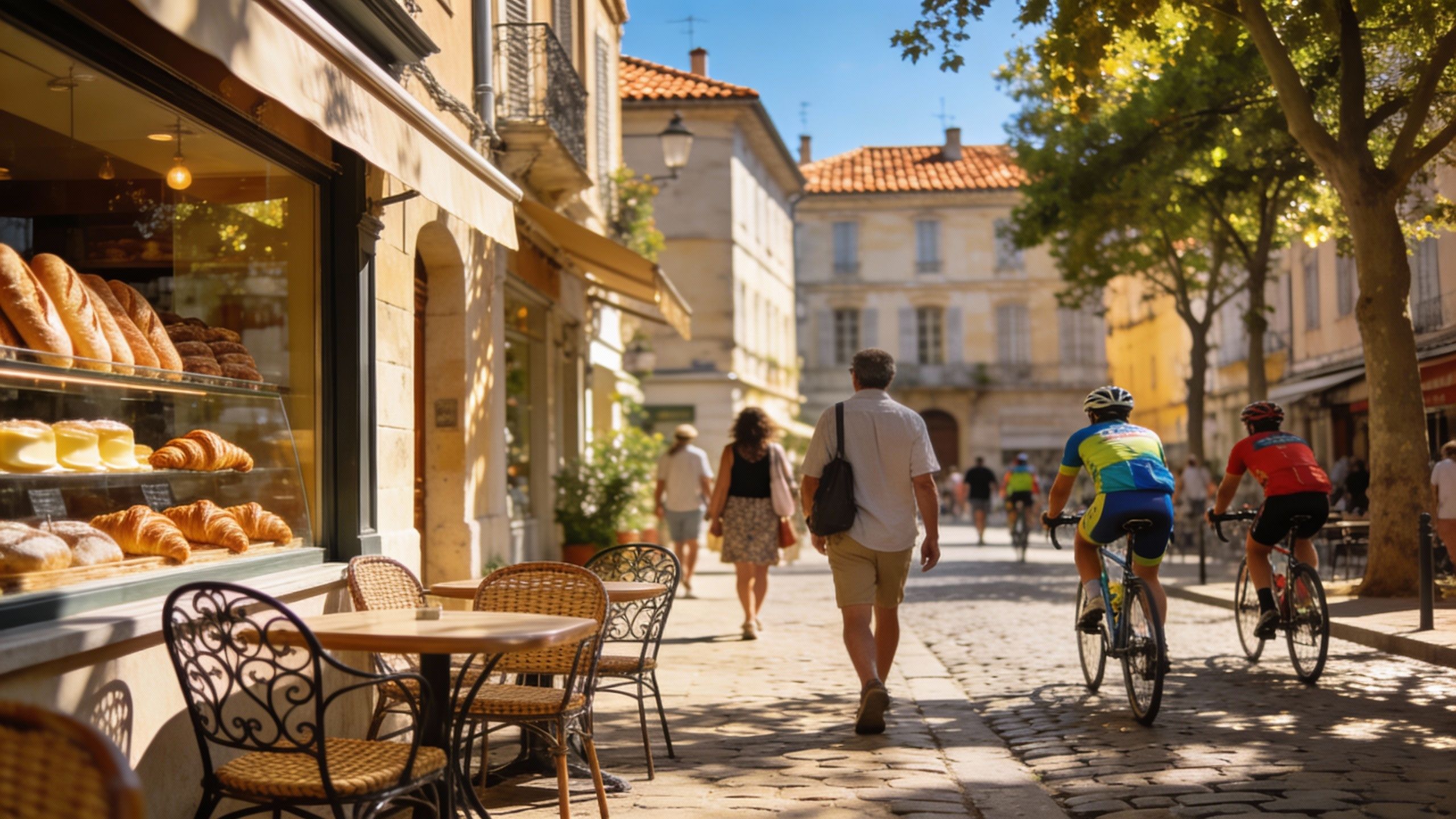
Imagine sipping an espresso under plane trees on Rue des Teinturiers in Avignon, then, an hour later, walking a sunlit Provençal market where vendors argue about tomatoes the way Parisians argue about wine. That slow, luminous rhythm is why international buyers fall for Provence. But love alone doesn't explain price movement. We’ll show you where the reputation for “too expensive” comes from — and where data says there’s still smart opportunity.
Living the Provençal Life (and What It Costs)
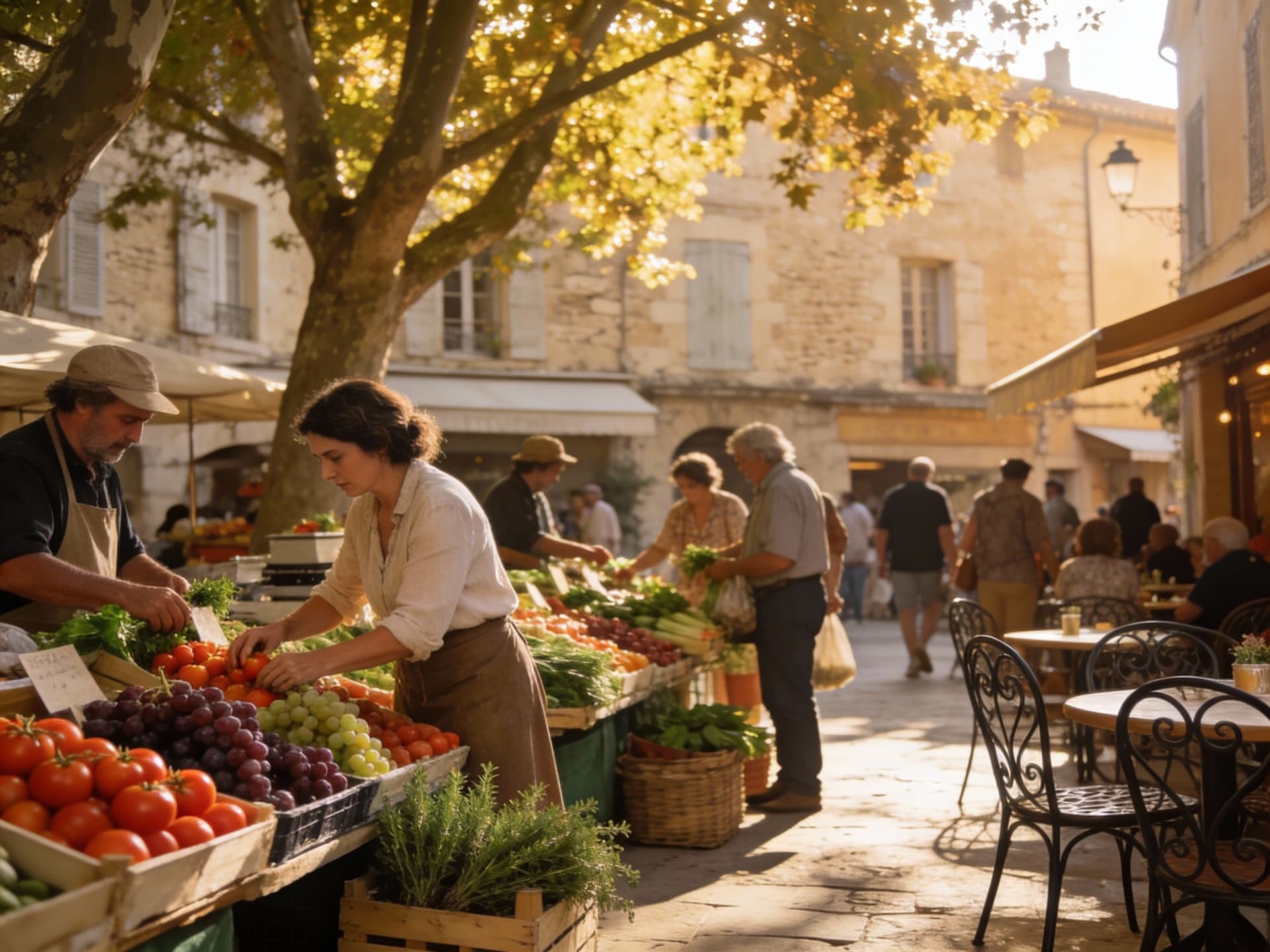
Provence lives in markets that move seasonally: coastal resort towns swell in summer, hilltop villages calm in winter — and prices reflect that pulse. Since late 2024 the French market has shown signs of recovery: transaction volumes rose after the post‑Covid slump, supported by easing mortgage conditions and renewed buyer confidence. That matters: where buyers return, sellers test higher pricing, but negotiation room can still be found off the beaten track.
Aix-en-Provence and the Suburban Pull
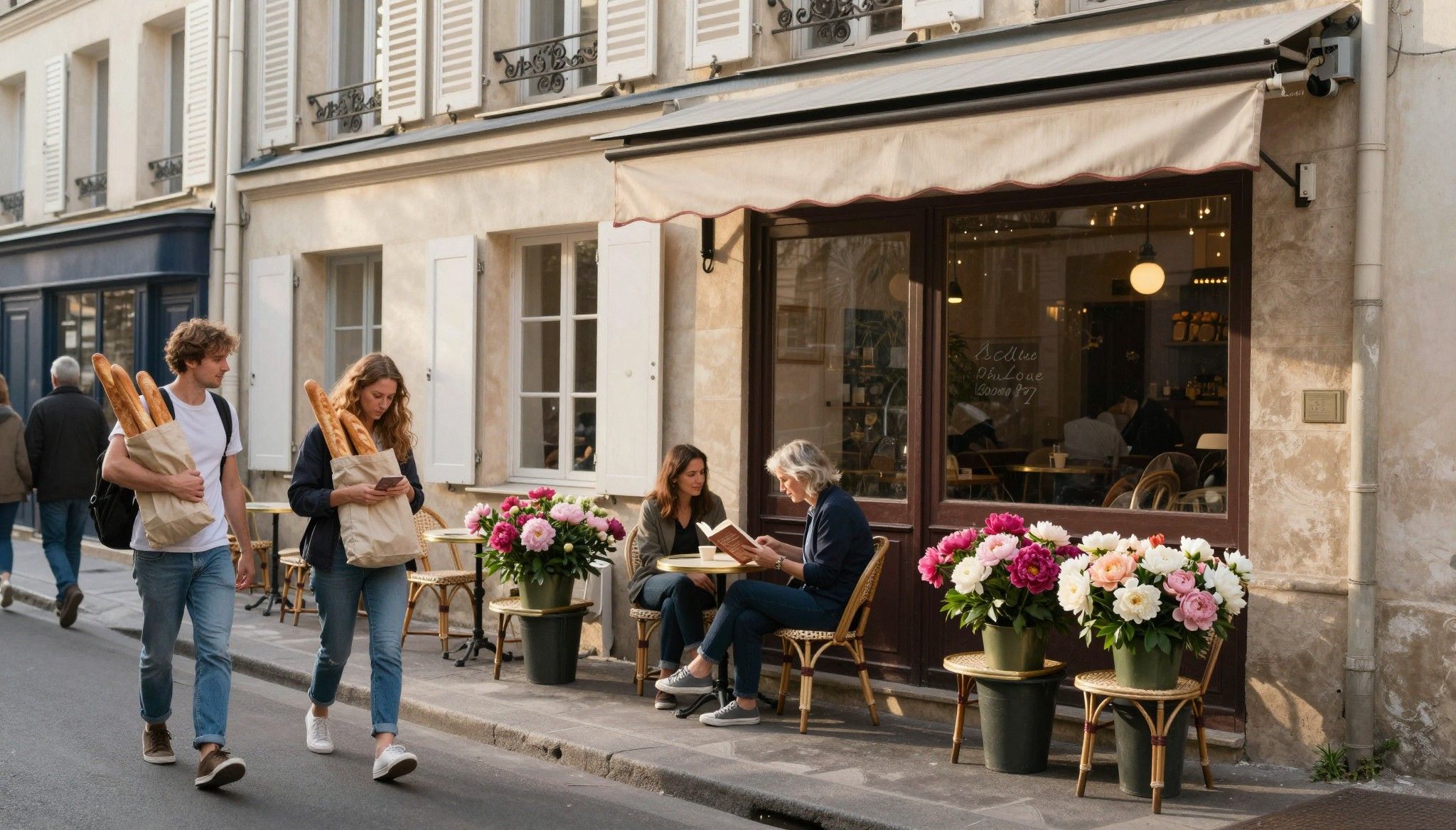
Aix has the easy charm of tree‑lined boulevards, small boulangeries, and fast TGV links to Paris — a combination that keeps local prices firm. Parisians buying second homes and remote workers choosing semi‑primary bases have pushed demand here higher than in interior rural communes. But because supply includes many mid‑century apartments and modest townhouses, entry points still exist for buyers willing to accept renovation trade‑offs.
Coastal Villages: Cassis vs. La Ciotat
Cassis carries a postcard premium: sea views, narrow calanques, and a small harbour. La Ciotat, twenty minutes down the road, offers similar light and beaches but at noticeably lower per‑square‑metre prices. The takeaway? In Provence, the “coastal premium” is real but uneven — you pay for access and scarcity, not proximity alone.
- Lifestyle highlights: local places and small pleasures
- Rue des Teinturiers, Avignon — morning coffee under plane trees
- Cours Mirabeau, Aix — outdoor lunches and bookshops
- Cassette markets in L’Isle‑sur‑la‑Sorgue — antiques and local produce
Making the Move: Practical Market Signals
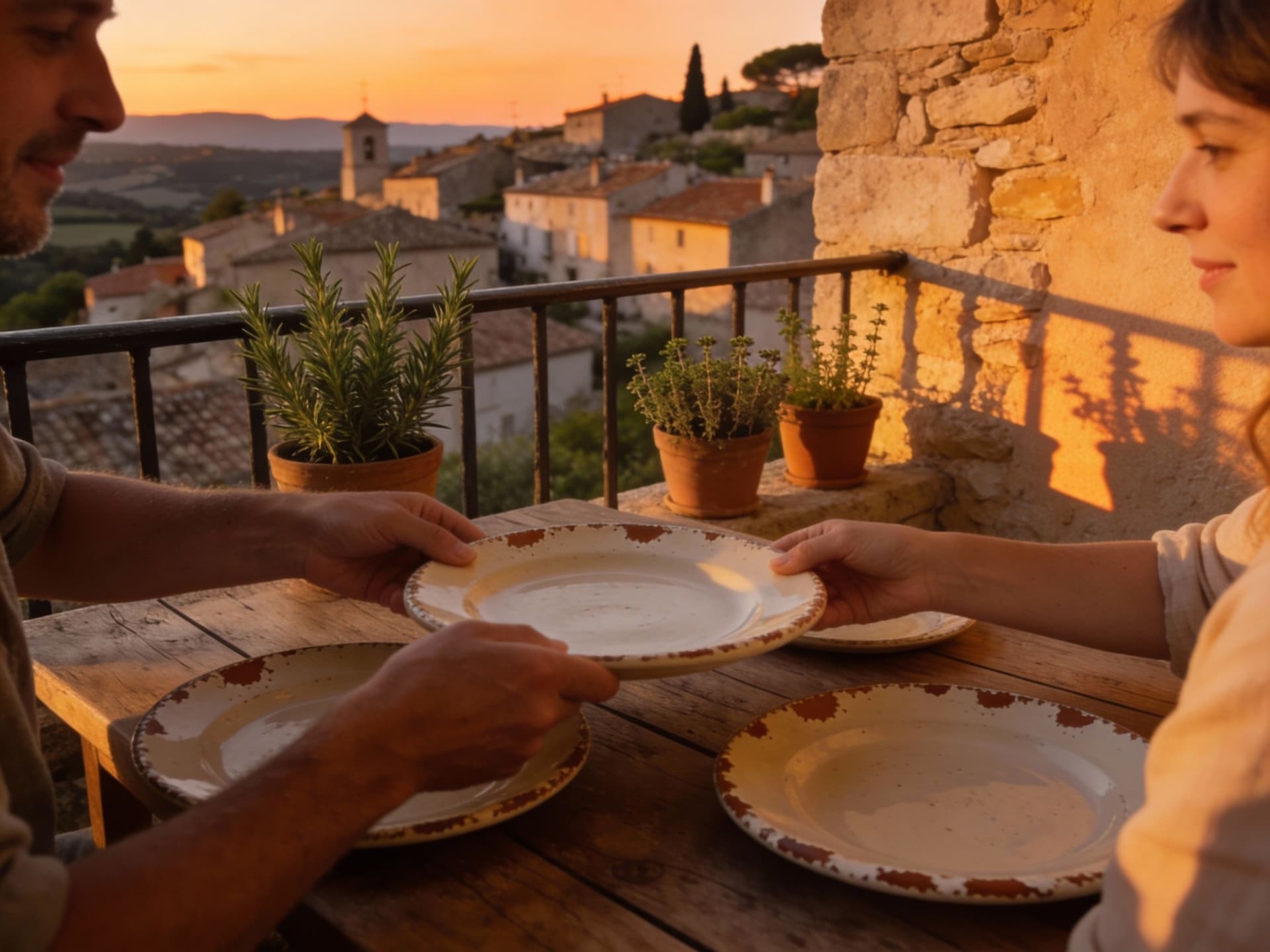
The romance of Provence coexists with national trends captured by INSEE: after several quarters of cooling, prices in metropolitan France returned to modest growth through 2025. That means two things for buyers: timing matters less than local micro‑conditions, and region‑level averages can hide striking neighbourhood variance. Read the data, then walk the streets.
Property styles that suit Provençal life
Stone village houses with terraces deliver the authentic lifestyle — slow breakfasts, midday shade, a courtyard for herbs. Town apartments near markets suit buyers who prioritise social life and convenience. New builds on the outskirts offer energy efficiency and lower maintenance but usually further from village heartbeats. Each style brings a different resale and rental profile.
How local experts turn lifestyle into investment sense
- 1) Match neighbourhood rhythm to your use case: holiday let, semi‑primary or full resident — this alters acceptable yield and renovation budget. 2) Insist on microcomparables: the same street, same floor, and similar DPE (energy) rating — not broad regional averages. 3) Prioritise agents with proven off‑market access: a third of best Provençal listings never hit public portals. 4) Budget for seasonal variability: coastal towns see summer rents spike but off‑season occupancy falls, affecting net yield.
Insider Knowledge: Myths, Red Flags and Local Rules
Myth: Provence is uniformly expensive. Reality: pockets of genuine value remain in market segments where buyers accept renovation, less tourist footfall, or slightly longer commutes to transport hubs. Red flag: listings that skirt energy‑performance disclosure (DPE) — these can hide costly renovation needs. We’ve seen buyers seduced by sea views, only to be surprised by structural or DPE costs.
Cultural nuances that shape negotiations
French sellers often price with pride in historical or aesthetic features; they expect buyers to recognise that value. Negotiation is less about blunt low offers and more about documented reasoning — comparable sales, inspection findings, and clear timelines. Learn to read local cues: a seller who mentions multiple offers is usually signalling firm price; one who asks about your timeline may be open to a conditional discount.
Long‑term lifestyle: what ownership looks like in five years
Buyers who move for life in Provence often trade square metres for outdoor living: terraces, courtyards and community gardens become primary rooms. Expect maintenance cycles: tiled roofs, shutters, and plaster need attention; factor those into ownership costs. If you plan to rent, pick towns with stable year‑round demand (Aix, Avignon, Arles) rather than purely seasonal hotspots.
Conclusion: Provence’s price reputation is part myth, part selective reality. National data shows modest recovery after a slowdown, but true opportunity is local — a quiet street in La Ciotat, a fixer‑upper near Luberon markets, or a compact apartment in Aix that trades size for lifestyle. Next steps: visit outside peak season, insist on energy and structural reports, and work with an agent who knows the street-level story.
Danish investment specialist who relocated to Costa del Sol in 2015. Focuses on data-driven market timing and long-term value for Danish buyers.