

A plain look at the coastal property market this July


We keep an eye on the numbers here as a matter of habit, not because we think anyone should time a home purchase like a trade. Most of the people who write to us are not chasing a market, they are trying to work out whether a particular stretch of coast fits the life they want. Still, a plain read of where things stand in July 2026 is useful, so here is ours, coast by coast.
Nothing below is a forecast. It is a description of what the price data, the buyer figures and the planning picture are showing right now, and what that might mean if you are starting to look seriously.
What the price data is actually showing
On the Costa del Sol, the story this year has been less about Marbella, which has its own logic, and more about the towns around it. The Olive Press reported this spring, citing Idealista's tracking data, that asking prices in at least one long-standing Costa del Sol "bargain" town had pushed close to three thousand euros per square metre, a level that would have surprised buyers there five years ago. The same report noted further rises in Mijas, long a byword for affordable inland urbanisations near a golf course.
The Costa Blanca has moved in a broadly similar direction, if usually a step behind. Coverage of Alicante province through this year has generally described steady rather than dramatic growth, concentrated along the established coastal run from Denia and Javea down through Altea and Calpe to Torrevieja and Orihuela Costa, with towns further inland or north of Denia moving more slowly. The pattern on both coasts is the same in shape: the well-known, well-connected spots keep climbing, and the interesting movement is happening one ring out from them.
Who is buying, and from where
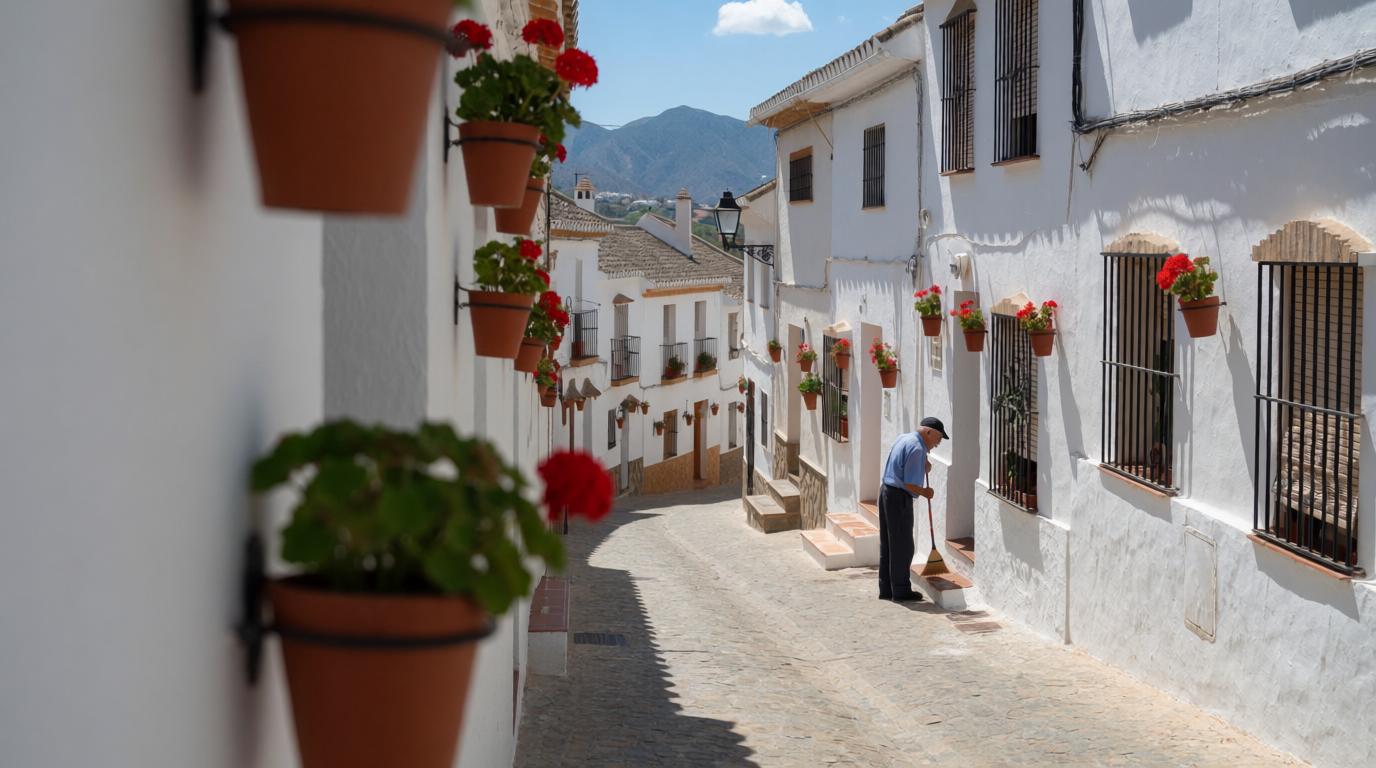
Spain's Colegio de Registradores publishes a quarterly breakdown of foreign purchases, and the pattern it has shown for several years now has continued: British buyers remain the single largest national group on both coasts, though a noticeably smaller share of the total than a decade ago. Belgian, Dutch, French, Polish and Nordic buyers have been taking up more of that space, alongside steady interest from the United States and, on the Costa Blanca in particular, from Ukraine.
We would treat any single quarter's ranking lightly. The broader point is that neither coast depends on one nationality the way it might once have, which tends to make demand steadier through the sort of currency and rate wobbles that used to hit one buyer group hard and leave the market otherwise untouched.
The rules changing quietly in the background
The clearest regulatory shift of the past eighteen months has been the closure of Spain's golden visa route, the residency permit tied to a five hundred thousand euro property purchase, which the government wound up in spring 2025. Anyone still hearing about it as an option is working from old information; the residency routes that remain for non-EU buyers are the ordinary ones, tied to income or to actually living and working here, not to the size of a purchase.
There has also been continuing talk in Madrid, going back to early last year, about a much heavier tax on non-EU, non-resident buyers acting outside any residency route. As far as we have seen, this has stayed a proposal rather than settled law in the sweeping form it was first floated. If it affects how you plan to buy, it is worth asking a specialist for the current position directly rather than relying on headlines from either side of the debate.

What's happening on the supply side
New-build supply near the coast on both sides remains tight, for reasons that have not changed much: buildable coastal land is limited, and planning approval through a town's PGOU can take years even before a shovel goes in. What has shifted is the resale side. A meaningful amount of the stock coming to market now is owned by British and Northern European buyers who bought in the 1990s and 2000s and are now downsizing, moving inland, or returning home, which is quietly reshaping what is available in older urbanisations around Fuengirola, Nerja and the Orihuela Costa.
Euribor, the reference rate behind most Spanish mortgages, has kept easing from its 2023 peak as the European Central Bank has cut rates through this cycle. That has helped affordability at the margin for anyone borrowing in euros, even as sterling and other currencies have had their own separate ups and downs against the euro.
What this means if you're starting your search now
None of this points to a single conclusion, which is honestly the point. A market moving at different speeds in different towns rewards patience and a clear brief more than it rewards speed.
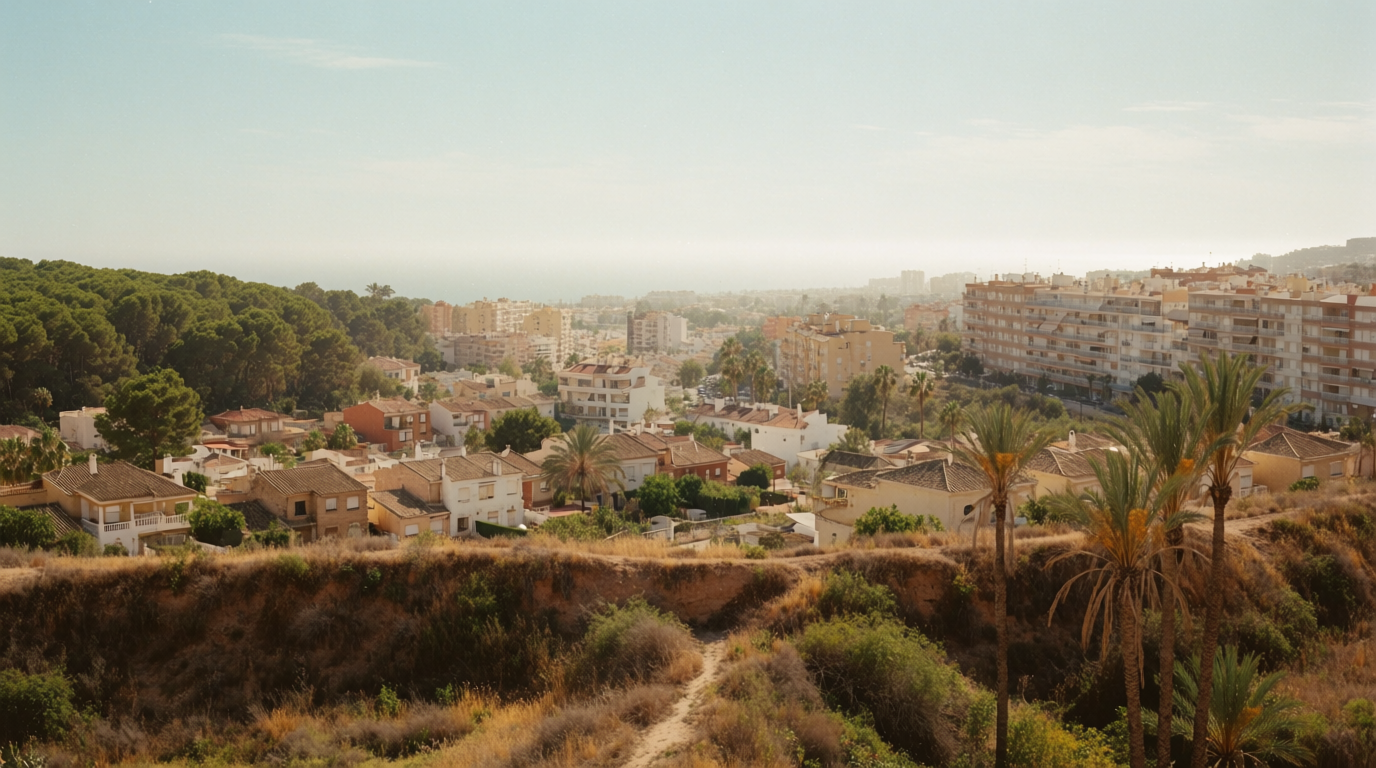
A few things worth holding onto as you start:
- Compare like with like across towns one ring out from the obvious names, not just within them.
- Ask any agent for the actual sale price of comparable homes, not just current asking prices.
- If a non-EU residency route matters to your plans, check its current status directly rather than assuming last year's rules still apply.
The coast rewards people who take their time getting to know it before they commit to a postcode.
We are always glad to talk through what a particular town or price bracket actually looks like on the ground, and to put you in touch with the local people we trust when you are ready for that conversation. There is no script for it and no pressure attached, just a conversation about what might genuinely suit you.