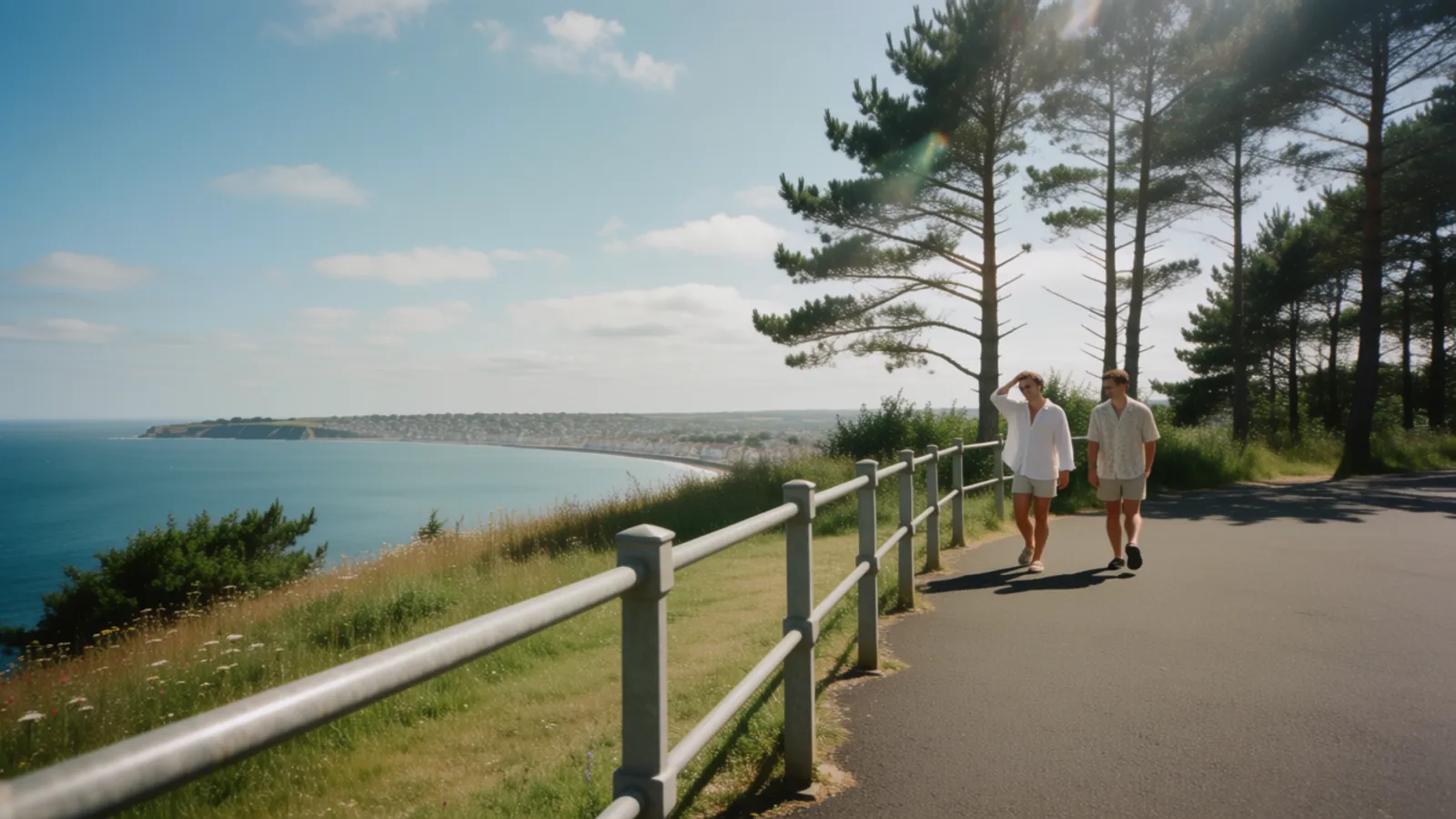

Manilva: the working coast between Sotogrande and Estepona

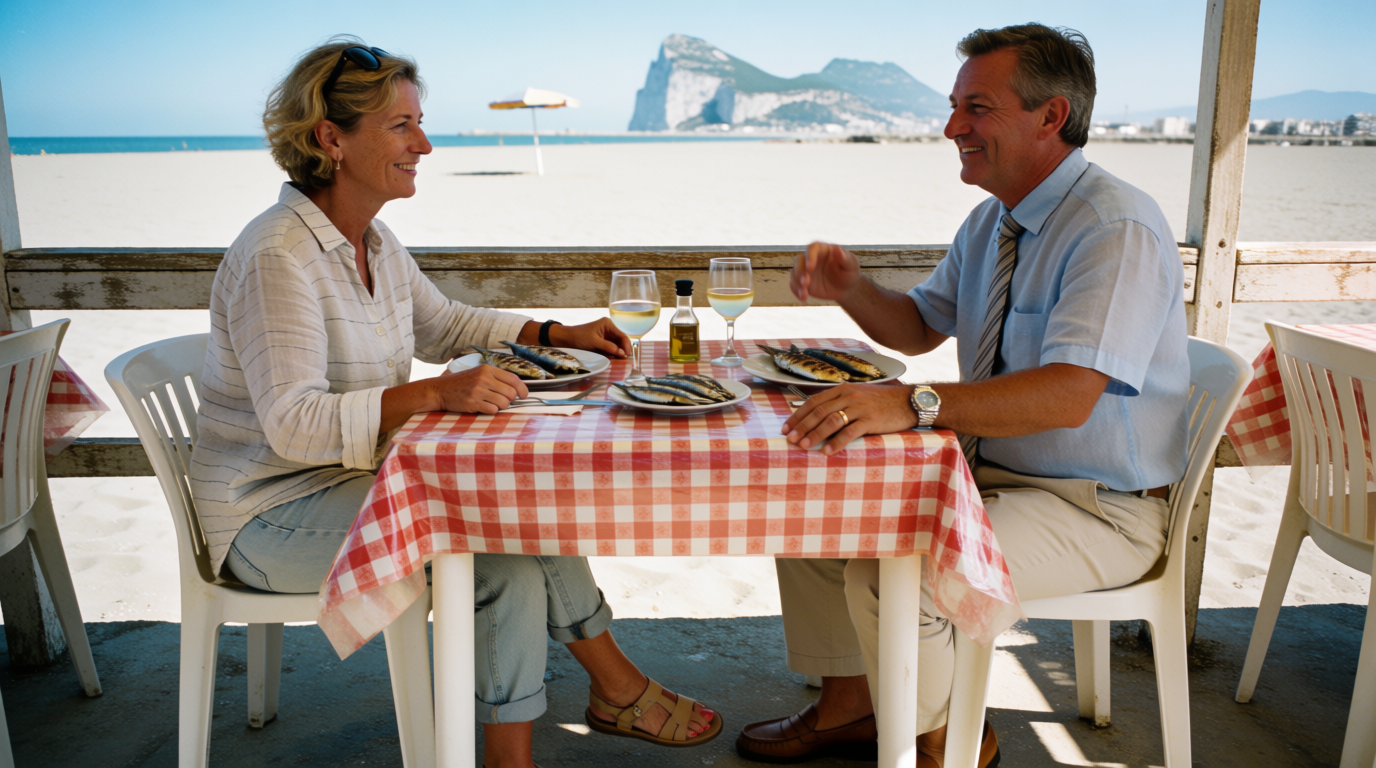
Manilva does not announce itself the way Marbella or Estepona do. It is a working town that happens to have a coastline, and a coastline that happens to have a very good marina attached to it, and most people who end up loving it discovered that combination slowly rather than choosing it from a shortlist.
The town proper sits up on a hill a few kilometres inland, all narrow streets and a church tower you can see from the motorway, and it has nothing to do with tourism at all. Down at sea level, Puerto de la Duquesa and the beach strip of Sabinillas do the holidaymaking, and the two halves of Manilva barely overlap except on paper.
That split personality is the first thing anyone weighing a move here needs to understand, because it decides almost everything else: which Manilva you buy into changes what your daily life actually looks like.
The geography that decides everything
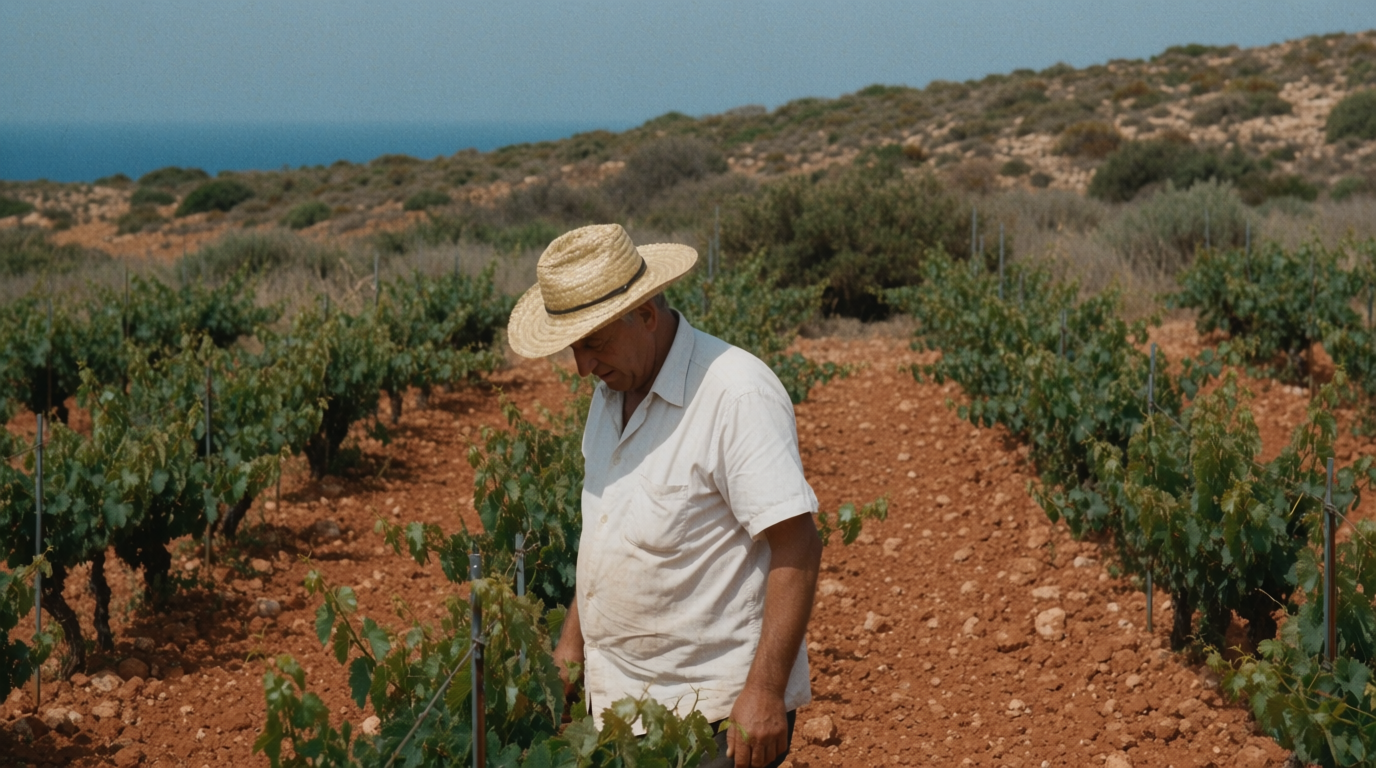
Manilva the hill town is where the vineyards are, and it is worth saying plainly that this is one of the very few wine-producing pockets left on this stretch of coast, with small bodegas still working the moscatel grape on terraces that catch the same sun as the beach eight minutes down the road. If you buy up here, you are buying a Spanish town first and a coastal address second: shuttered afternoons, a butcher who knows your order, a plaza that fills up for the evening paseo.
Sabinillas, by contrast, is a proper seafront town with a real high street, a Wednesday market that draws people from Casares and Manilva alike, and a beach promenade that runs almost unbroken toward Puerto de la Duquesa. It has the feel of a town that people actually live in year-round rather than one that empties in October, which is unusual for a beachfront strip on this coast.
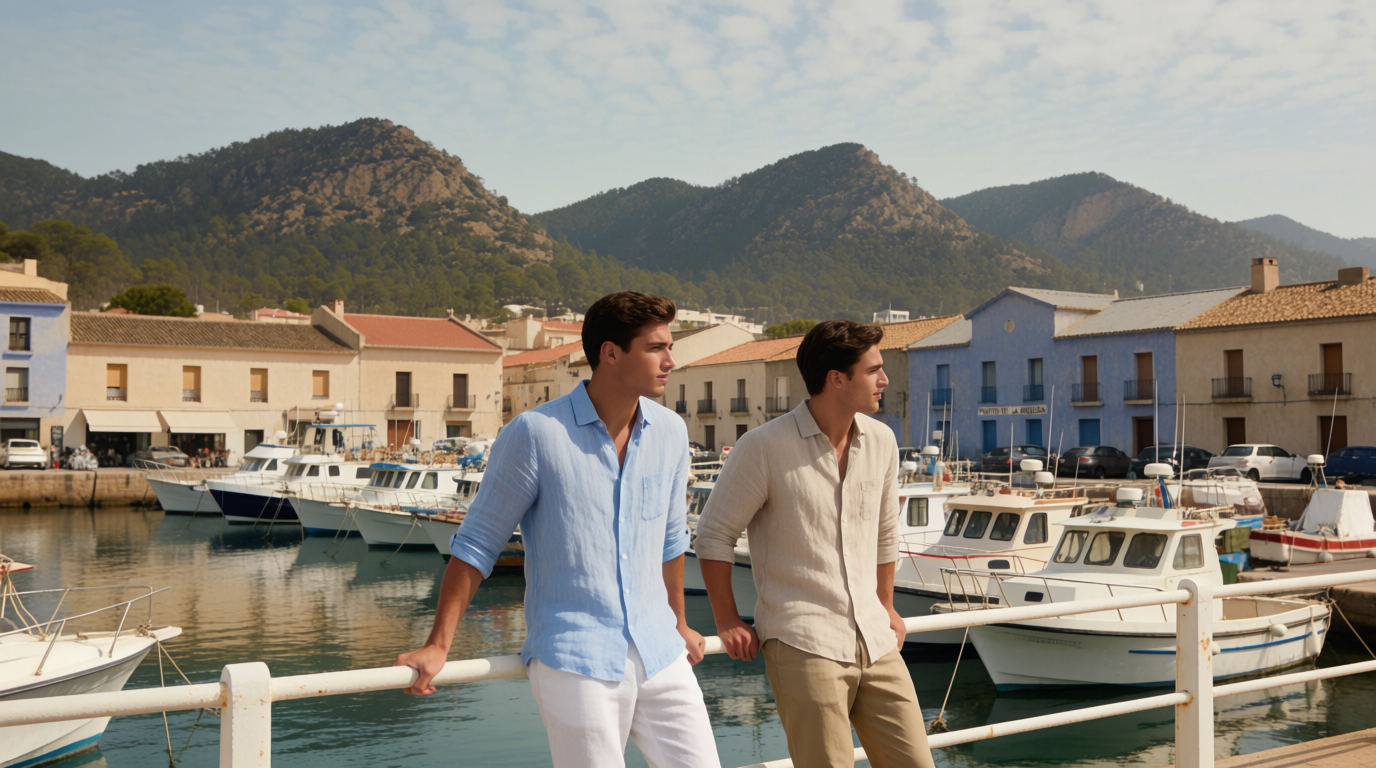
Puerto de la Duquesa itself is the marina crowd: apartments stacked around the boats, a run of restaurant terraces facing the water, and a lot of British and Northern European owners who treat the whole thing as an extension of the boat deck. It is lively in summer and noticeably quieter, though never dead, the rest of the year.
Life through the seasons
Summer in Manilva belongs to the coast. The beaches, Playa de la Chullera and the long stretch toward Sabinillas, fill with families and day-trippers, the chiringuitos run at full tilt, and the marina hosts a steady run of small local fiestas. It gets busy without ever tipping into the crowding you find further along at Marbella or Fuengirola.
Winter belongs to the hill town and to the people who actually live here all year. The old town's cafés stay open on local trade, the vineyards go quiet between harvests, and the sea takes on that flat grey-green colour that regulars find more honest than the summer postcard blue. Walkers and cyclists tend to prefer this half of the year, when the coastal path and the hills behind town are cool enough to enjoy properly.
Spring and fifteen October to November are, by most accounts of people who own here, the best weeks of all: warm enough for the terrace, quiet enough to get a table without booking, and the vines and hills at their greenest.
Getting around and staying connected
Manilva sits on the AP-7 toll road and the free A-7 coast road, roughly twenty minutes from Estepona and forty from Marbella by car, and about the same again on to Sotogrande and the Gibraltar border in the other direction. There is no train station in Manilva itself; the nearest connections are the bus network along the coast road, and most residents simply drive.
Gibraltar airport is close enough (under an hour) that some owners use it alongside Málaga, particularly for UK flights, though Málaga remains the main gateway with far more routes and frequency.
Who tends to be happiest here
Manilva rewards people who want a real Spanish town with the beach as an amenity rather than the whole point.
Golfers do well here: Duquesa's own course and several others toward Sotogrande and Estepona put a dozen options within a short drive. Walkers and those who like a bit of viticultural interest tend to gravitate to the hill town, where the vineyard paths and the views back down to the sea make for a genuine daily habit rather than a holiday photo. Year-round owners who want a working town with a market, a school, and neighbours who are not all on the same summer clock tend to settle into Sabinillas particularly happily.
Summer-only owners and boat people are naturally drawn to Puerto de la Duquesa, and remote workers who need reliable connectivity and a café culture will find both there and in Sabinillas.
What Manilva is not
It is not a glamour address, and it does not try to be. If you want the polish and see-and-be-seen energy of Puerto Banús, or the gated calm of Sotogrande, Manilva will feel plain by comparison, because it is not chasing that market at all.
It is also not a place with much nightlife beyond the marina in high season, and the old town shuts down early and often in the traditional Spanish way. Anyone who wants restaurants open past eleven and a buzzing winter social scene would be better served in Estepona or Marbella, both a short drive away.
We think that plainness is exactly Manilva's case for itself. It is a coast with a working hill town attached, rather than a resort with a name, and for the right kind of buyer that is precisely the point.
If Manilva sounds like it might be your kind of coast, we would be glad to talk it through with you, share what we know of the different pockets in more detail, and introduce you to the local people who can help when you are ready.