
The puente effect, and how it moves the whole coast

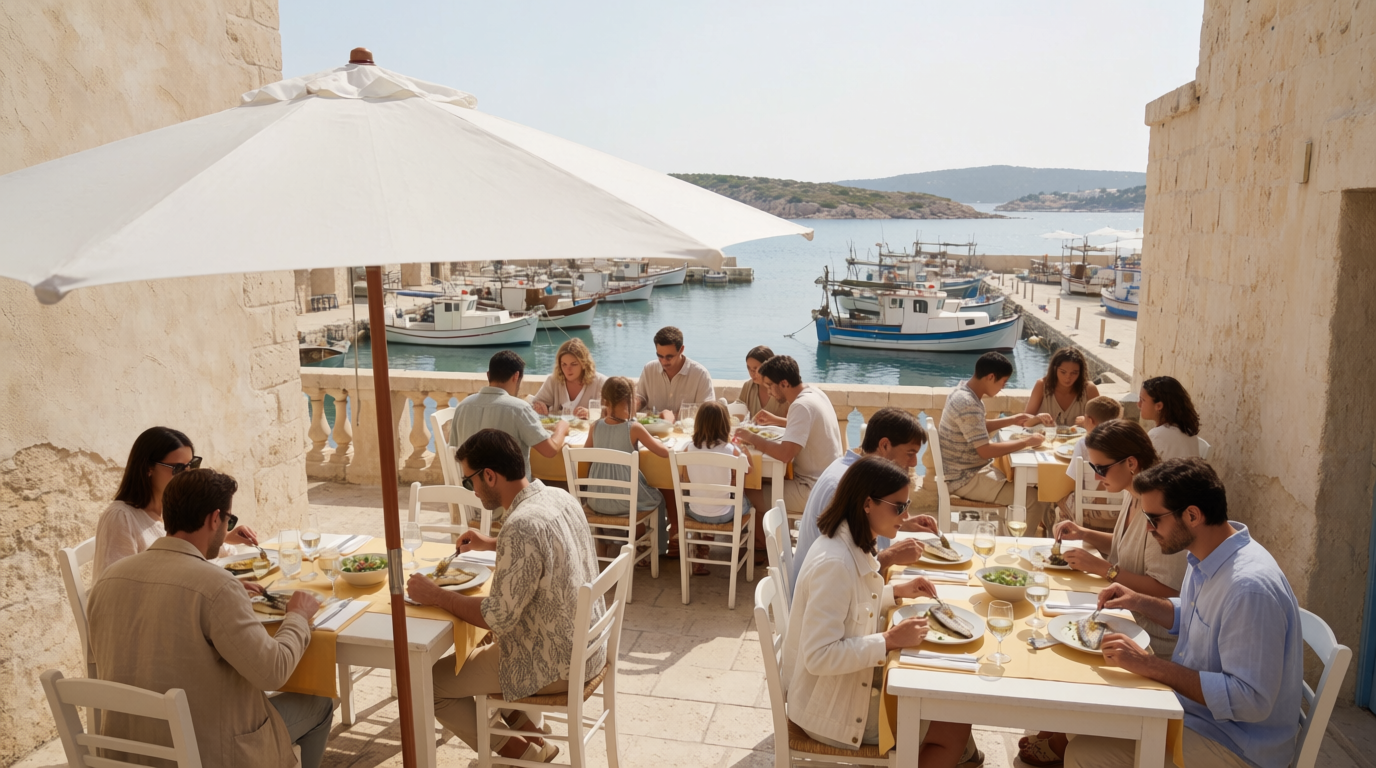
There is a particular kind of quiet that settles over a Spanish coastal town on a Tuesday in May, when half the shutters stay down and the woman who normally opens the panadería at eight has gone to Granada for four days. Ask why, and the answer is usually the same word: puente. A bridge. Spain has built an entire rhythm around the days that fall between a public holiday and the weekend, and once you understand it, a great deal of coastal life starts to make more sense.
A puente happens when a national, regional or local holiday lands on a Tuesday or a Thursday. Rather than work the single day in between, much of Spain simply takes it too, turning one holiday into four days off. San José on the 19th of March, the Día de la Constitución in early December, a town's own patron saint's day: any of these can trigger one, and the coast plans its whole calendar around the possibility.
For visitors this can be baffling. For owners, once you have lived through a few, it becomes something closer to a second seasonal clock, running alongside the more obvious one of summer and winter.
What actually moves
The first thing a puente moves is traffic, and it moves it in both directions. On the Thursday or Friday before, the AP-7 and the N-340 fill with cars heading toward the coast from Madrid, Sevilla and the inland cities, number plates from provinces you rarely see the rest of the year. Restaurants that had two tables on Wednesday have a forty minute wait by Friday night.
Then, just as reliably, it empties. By the following Tuesday the coast has largely returned to whoever actually lives there, and the difference is not subtle. A chiringuito that was turning tables all weekend might have a single family in for lunch. This is not decline, it is simply the tide going back out, and it happens roughly half a dozen times a year with enough regularity that longtime residents plan around it without thinking.
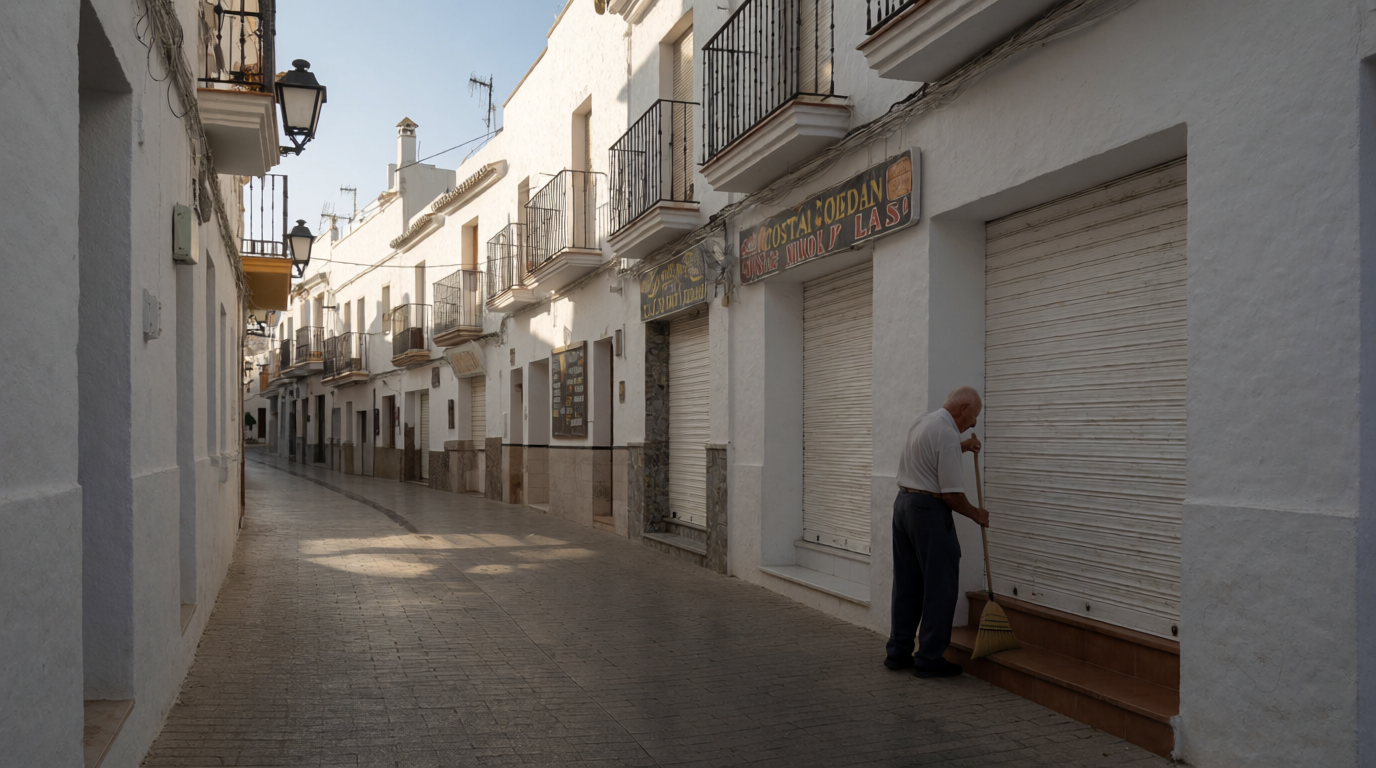
The second thing that moves is opening hours, and this is the one that catches new owners out. A puente often means the ayuntamiento is closed for four days rather than one, the notary's office is running a skeleton diary, and the ITV centre you booked weeks ago for the Thursday has quietly rescheduled everyone to the following week. None of this is announced with much fanfare. It is simply assumed that everyone already knows.
Reading the calendar like a local
The practical skill worth learning early is not memorising every holiday, which changes by region and even by municipality, but developing the habit of checking before you plan. Town halls publish a calendario laboral for the year, usually on their own website, and it is worth five minutes each January to note the puentes that fall near any dates you already have circled, a flight booked, a delivery expected, a meeting with a gestor.
The coast does not warn you before a puente. It simply behaves as though you already knew, and after a year or two, you do.
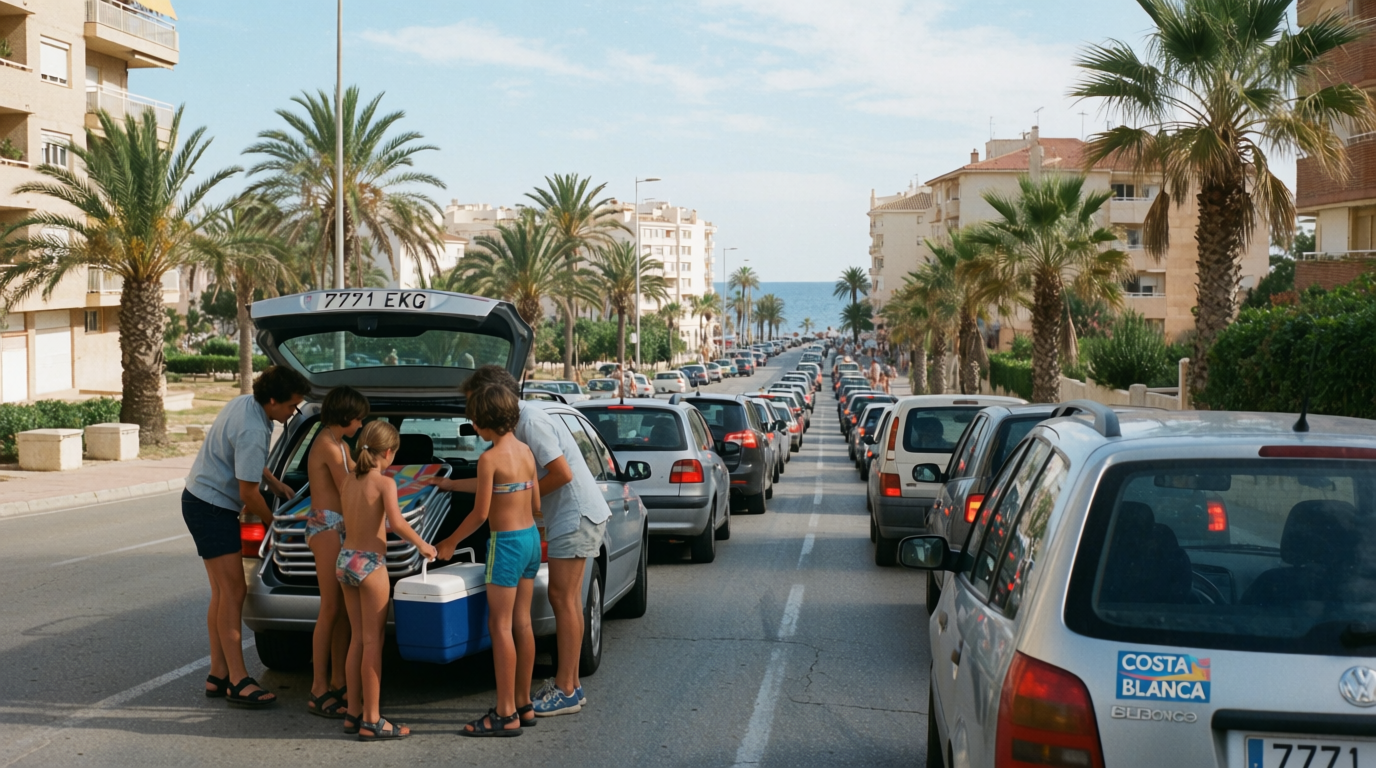
A few of the reliable ones are worth keeping in mind. San José, on the 19th of March, often bridges with a weekend and pulls a real crowd to Valencia and the Costa Blanca beyond it, given how close the date sits to Las Fallas. Corpus Christi, a moveable Thursday feast in late spring or early June, is a classic bridging holiday across Andalucía. And the run of holidays around All Saints on the 1st of November regularly creates a four day window that inland Spaniards use for a last coastal trip before the weather turns.
The gift hiding inside it
Once you stop finding puentes inconvenient, they become one of the more useful tools an owner has. If you want the coast at its liveliest, its restaurants busiest and its marinas full of boats you have never seen before, a puente weekend delivers all of that without the full commitment of high summer. If you want the opposite, the empty beach at eleven in the morning and a table for two without a booking, the Tuesday and Wednesday right after one are often the calmest days of the entire month.
We often find that owners who visit only in July and August form a slightly skewed picture of what the coast is actually like day to day. A puente in March or a puente in October shows you something closer to the truth: a place with its own residents, its own quiet stretches, and its own bursts of noise that have nothing to do with the tourist calendar at all.
Living with the rhythm rather than against it
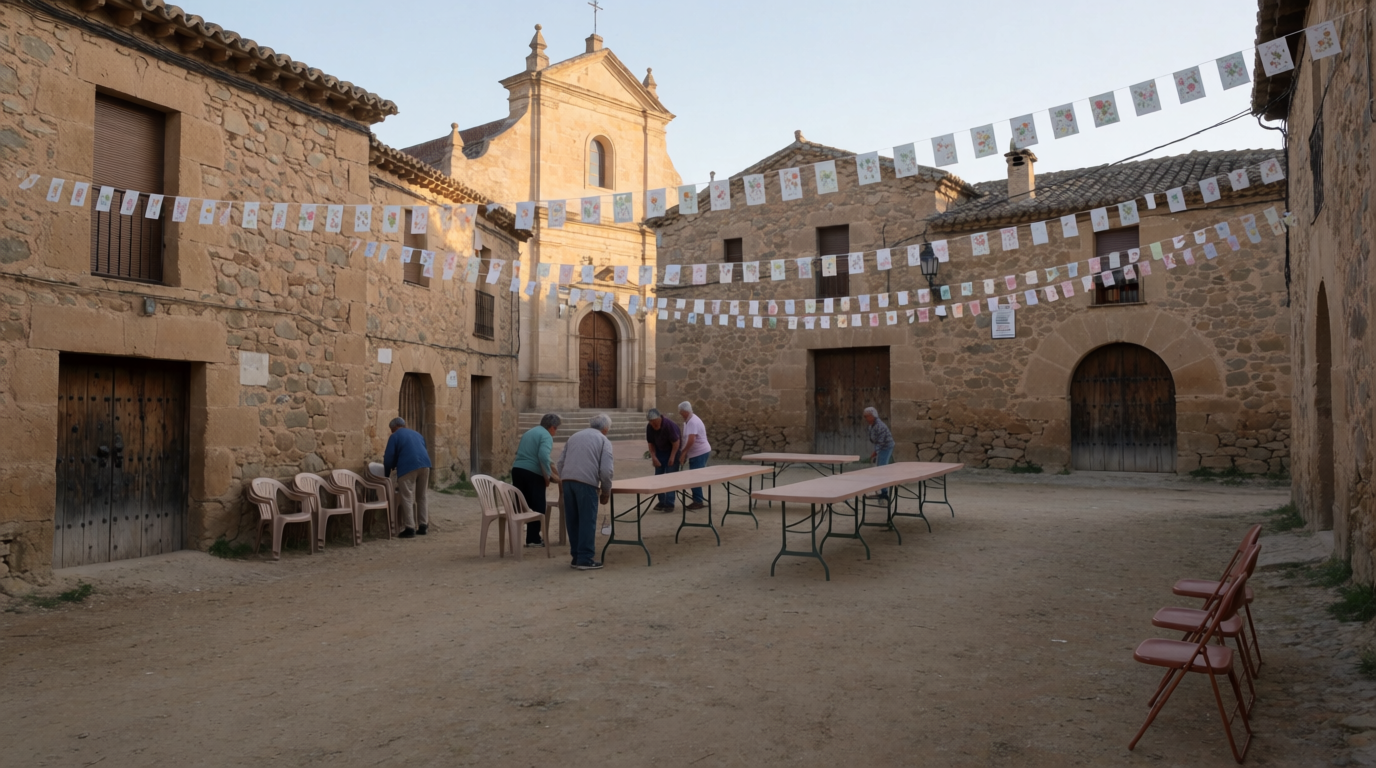
The owners who settle in most easily tend to be the ones who stop treating the Spanish calendar as an obstacle and start treating it as information. A closed gestoría on a Thursday is not a problem to solve, it is simply Thursday. A full restaurant on a random Tuesday in December is not bad luck, it is the Día de la Constitución doing what it always does.
It takes a year, perhaps two, before the pattern stops feeling foreign and starts feeling like the texture of the place itself, no different from knowing which way the wind usually blows in August or when the mercado runs longer on a Saturday. It is one of the smaller pleasures of actually living here rather than simply visiting: the calendar starts to belong to you too.
If you are still finding your footing with how the Spanish year moves, or wondering how any of this might sit alongside a home you already own or are considering, we are always glad to talk it through. Get in touch with Ashworth & Drake and we will happily share what we have learned, coast, calendar and all.