Malta: The Small-Island Life — What You’ll Love and What to Check
Malta’s compact charm blends beach mornings and baroque streets — but small size means regulation, AIP permits and registry checks shape where you’ll happily live.
Imagine waking up to limestone light spilling across a narrow street in Valletta, then slipping out for a slow espresso at Caffe Cordina. Malta is compact enough that your daily life blends centuries-old baroque facades with a beach run before work — and small enough that what’s happening in the property register matters as much as the view.
Living the Malta life: rhythms, neighbourhoods, and real moments
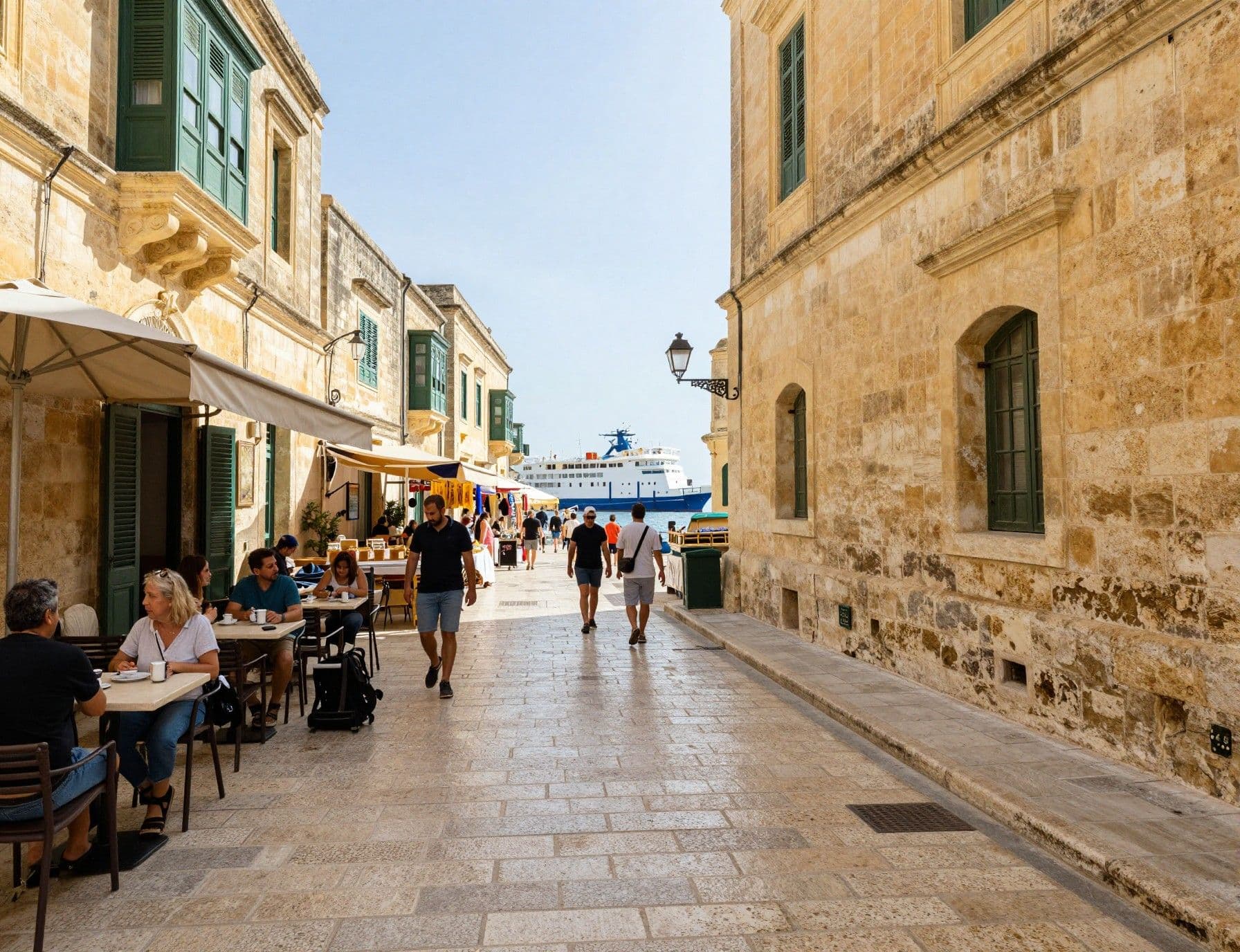
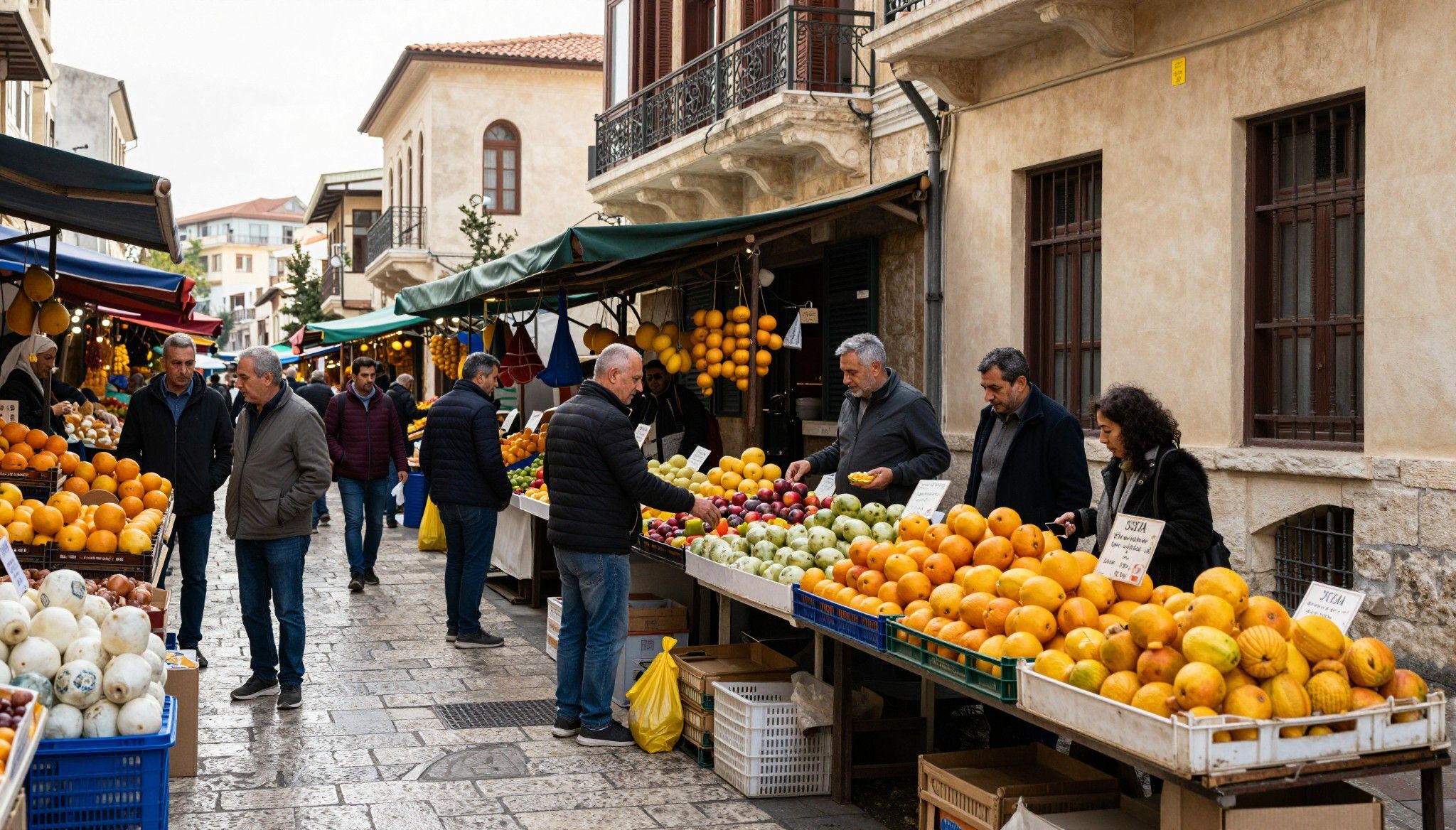
Daily life in Malta feels dense and sociable. Morning markets in Marsaxlokk, ferry commutes to Sliema, late dinners in St Julian’s — each day has a handful of memorable scenes. English is widely spoken, neighbourhood cafés act as informal offices, and expats cluster where convenience meets character: Sliema and St Julian’s for seaside life, Mellieħa and Gozo for quieter nature, and Zabbar or Msida for an authentic Maltese rhythm.
Valletta & the Three Cities: history as a daily backdrop
Walkable streets, church bells, rooftop terraces carved from honey-coloured limestone — that’s Valletta. The Three Cities (Vittoriosa, Senglea, Cospicua) feel lived-in rather than touristic in pockets; you’ll find local fishermen, quiet cafés, and smaller prices compared with central Valletta. If you crave culture within five minutes of home, these places deliver a life that reads like a good novel.
Sliema, St Julian’s & Gzira: the expat seaside routine
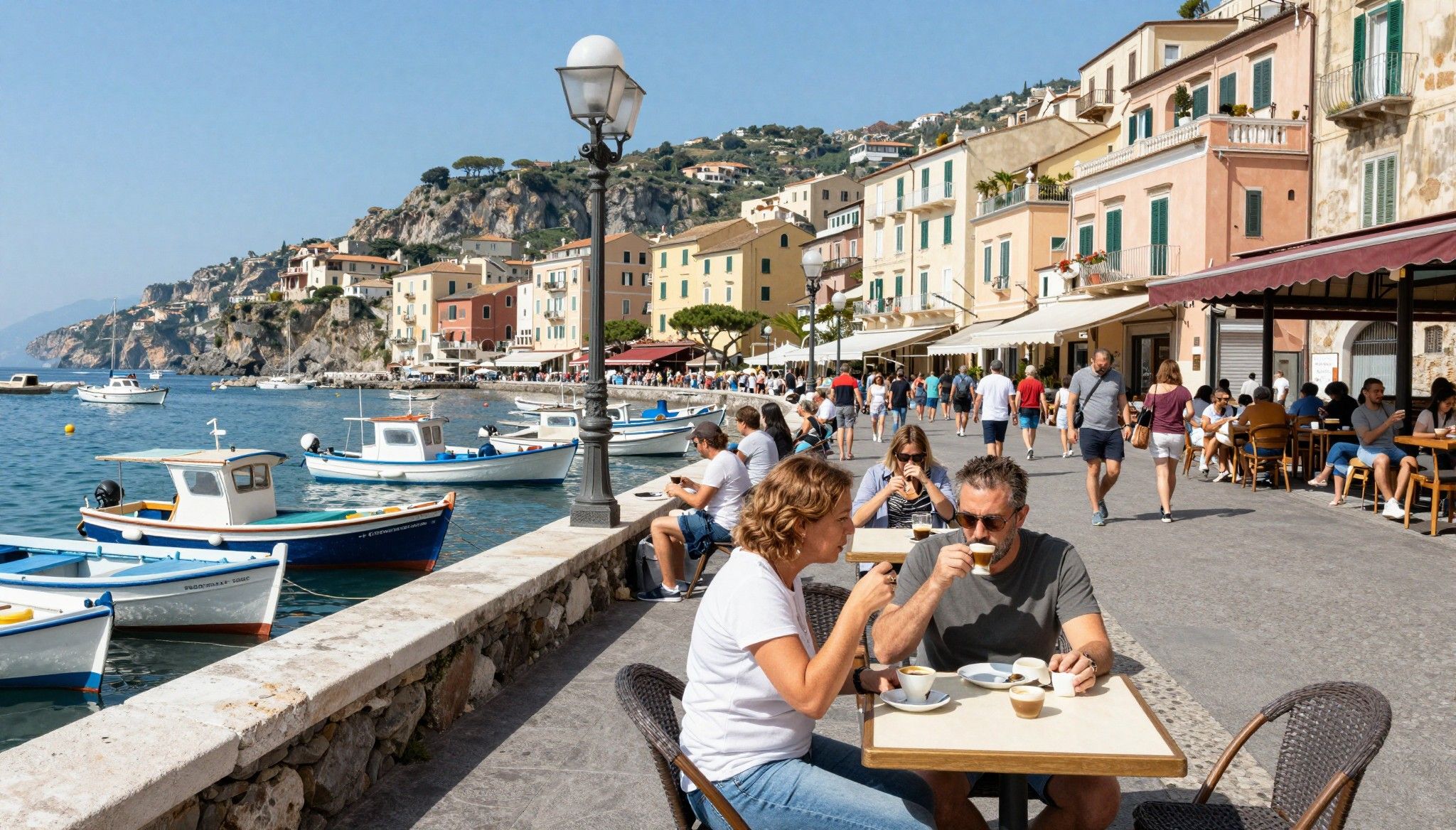
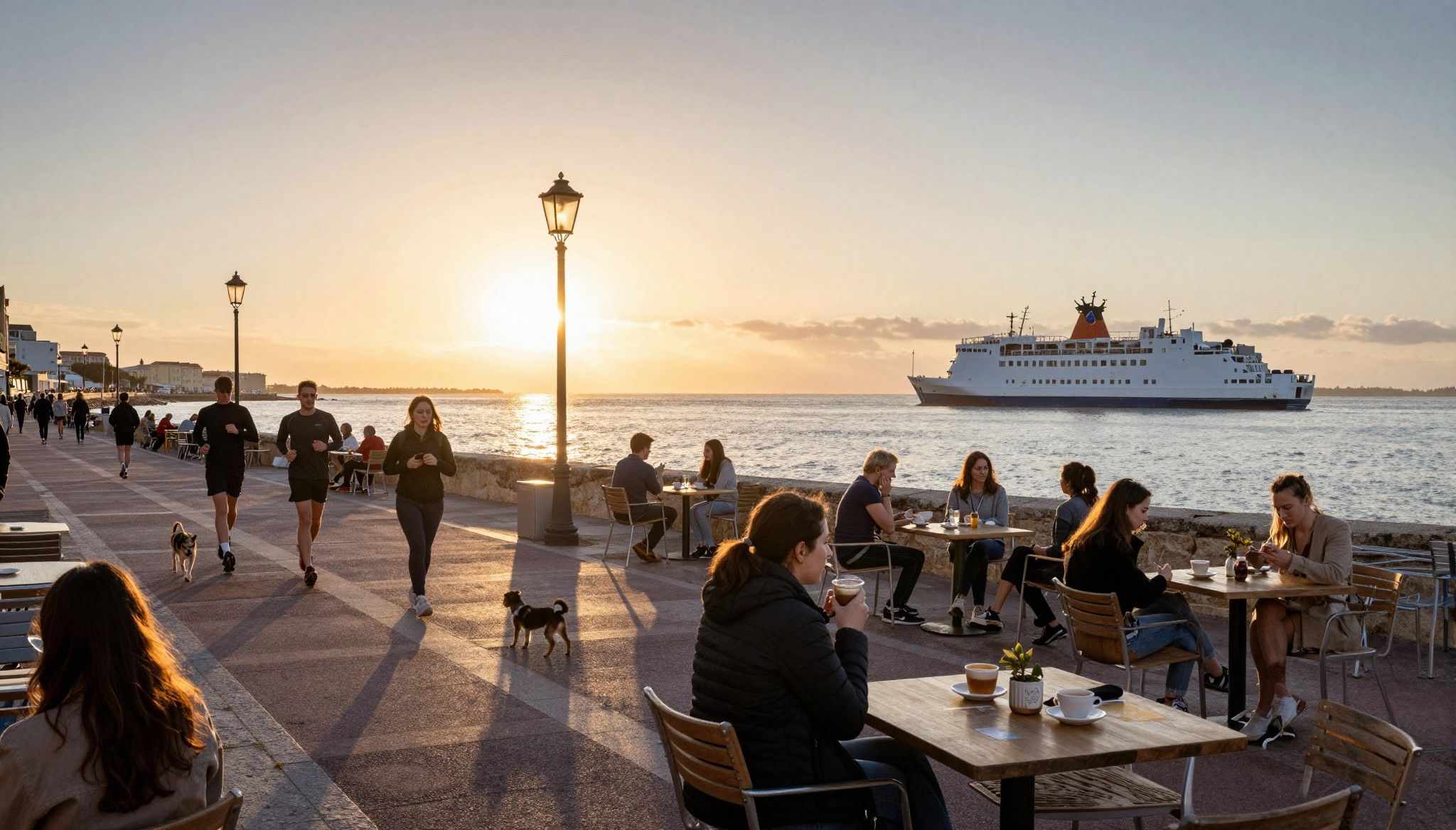
Here the rhythm is: sea swims at dawn, laptops in cafés mid-morning, aperitifs on terraces at sunset. Sliema’s promenade and St Julian’s nightlife mean convenience; Gzira’s recent refurbishments attract remote workers and younger buyers. Expect modern blocks, penthouses with terraces, and higher asking prices — but also reliable amenities and strong rental demand.
- Lifestyle highlights: Caffè Cordina (Valletta), Marsaxlokk fish market, Spinola Bay sunset walks, Mellieħa Bay weekend swims, Harbour ferries between Sliema and Valletta.
Making the move: the practical reality behind the romance
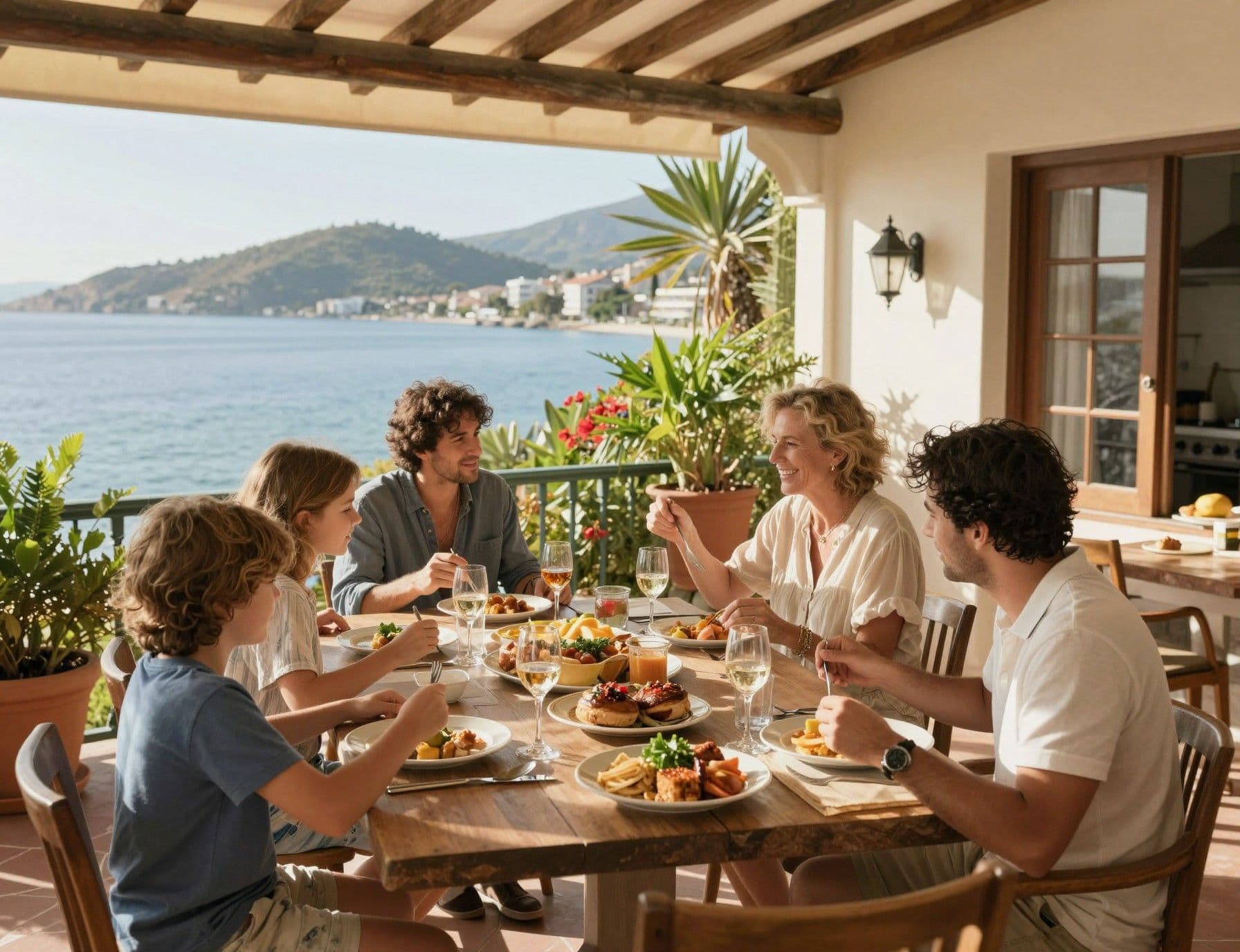
Love the terraces, but remember Malta’s market is small and regulated. Non-EU (third-country) nationals typically need an AIP permit; EU citizens who haven’t lived in Malta for five continuous years also face restrictions. That means timing, paperwork and the right local advisor change everything — especially if you’re hunting for an off-market terrace or a historic townhouse.
Property types and how they shape your life
From converted townhouses in Mdina to modern apartments in St Julian’s, the property style determines daily life: thick-limestone townhouses keep summers cool but often need renovation; new blocks give elevators and parking but less character. Prices have been rising moderately — the NSO reported a 5.7% annual RPPI increase in Q3 2025 — so consider condition and carrying costs as part of the lifestyle calculation.
Work with experts who preserve the life you want
- 1. Ask an agent for three lived-in comparable homes in your preferred street — not just listing photos. 2. Confirm AIP eligibility before making offers; a permit can be the difference between completion and collapse. 3. Check Land Registry records for compulsory registration and past transactions with the Land Registration Agency. 4. Inspect drainage and roof details in townhouses — these are recurring lifestyle pain points. 5. Visit at different times: morning markets, weekday nights, and Sundays to sense the real tempo.
Insider knowledge: what expats wish they'd known (and we tell clients)
You’ll hear locals say “it’s a small island” with a wink — that smallness matters. Title issues, registration areas declared by legal notice, and previous informal deeds still surface. Use the Land Registry early; properties outside compulsory registration areas were recently pushed into registration, changing transparency and risk profiles.
Cultural cues that shape neighbourhood choice
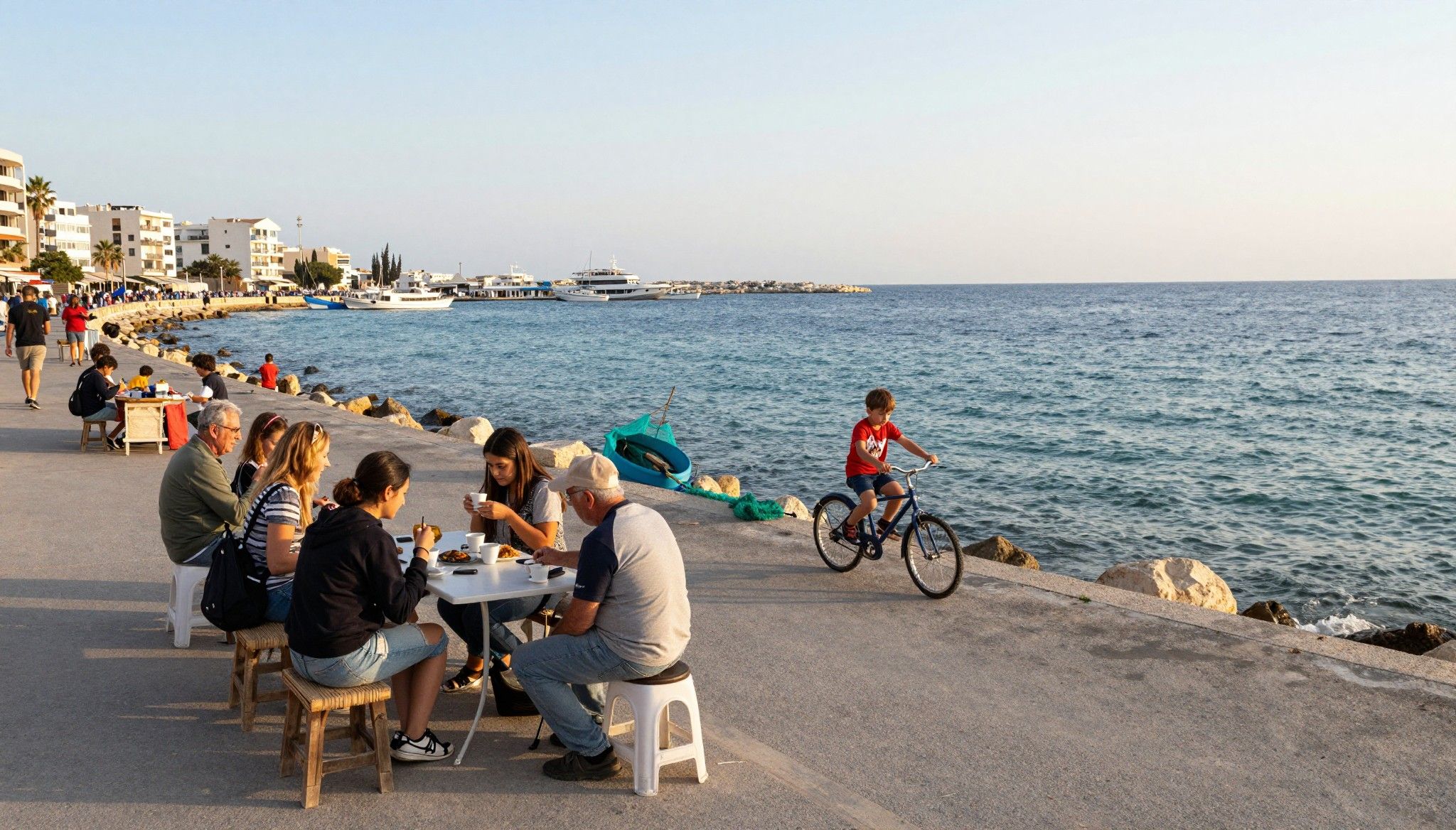
Maltese social life orbits the festa calendar, church squares and family networks. In some towns, nightlife is sparse and shutters close early; in others, you’ll find year-round international restaurants. If you want a neighbourhood that socialises outdoors, pick coastal promenades. If quiet evenings matter, inland villages or Gozo will reward you.
Long-term picture: seasonal shifts, rental demand and value drivers
Tourism and a steady service economy support rental demand in Sliema and St Julian’s. However, Malta’s market responds quickly to policy changes and registration updates. That means your long-term lifestyle should align with pragmatic checks: rental seasons, local council plans, and infrastructure projects that change neighbourhood character over five to ten years.
- Red flags to watch: AIP uncertainty for third-country nationals; missing land-registration entries; disproportionate renovation budgets for limestone homes; waterfront properties with unclear servitudes; properties marketed without recent energy/carrier documentation.
If Malta feels like a dream — it can be — balance the romance with early technical checks. Start with an agent who lives the life you want, secure AIP clarity, confirm registry history, and visit neighbourhoods at multiple times. Do that and you’ll trade uncertainty for a terrace, a routine café, and the kind of everyday beauty you can actually count on.
Next steps we recommend: contact a local agent to map streets that fit your lifestyle, confirm AIP eligibility with official guidance, and arrange a short reconnaissance trip timed to a weekday and a weekend. Once you see the light on a Maltese terrace, the practical steps feel less like chores and more like unlocking a life.
Conclusion: Malta is small, vivid and surprisingly varied. Fall in love with the rhythms first; then let a credible local team help you make it yours — legally clean, registered, and utterly livable.
Dutch relocation advisor who moved to Marbella in 2016. Guides Dutch buyers through visa paths, relocation logistics, and balance of lifestyle with value.