Malta’s Quiet Corners: Where Life Outshines Price Tags
Malta’s lifestyle value often outperforms its "expensive" label—inspect street‑level supply, AIP/SDA rules and seasonal life to find hidden, livable value.
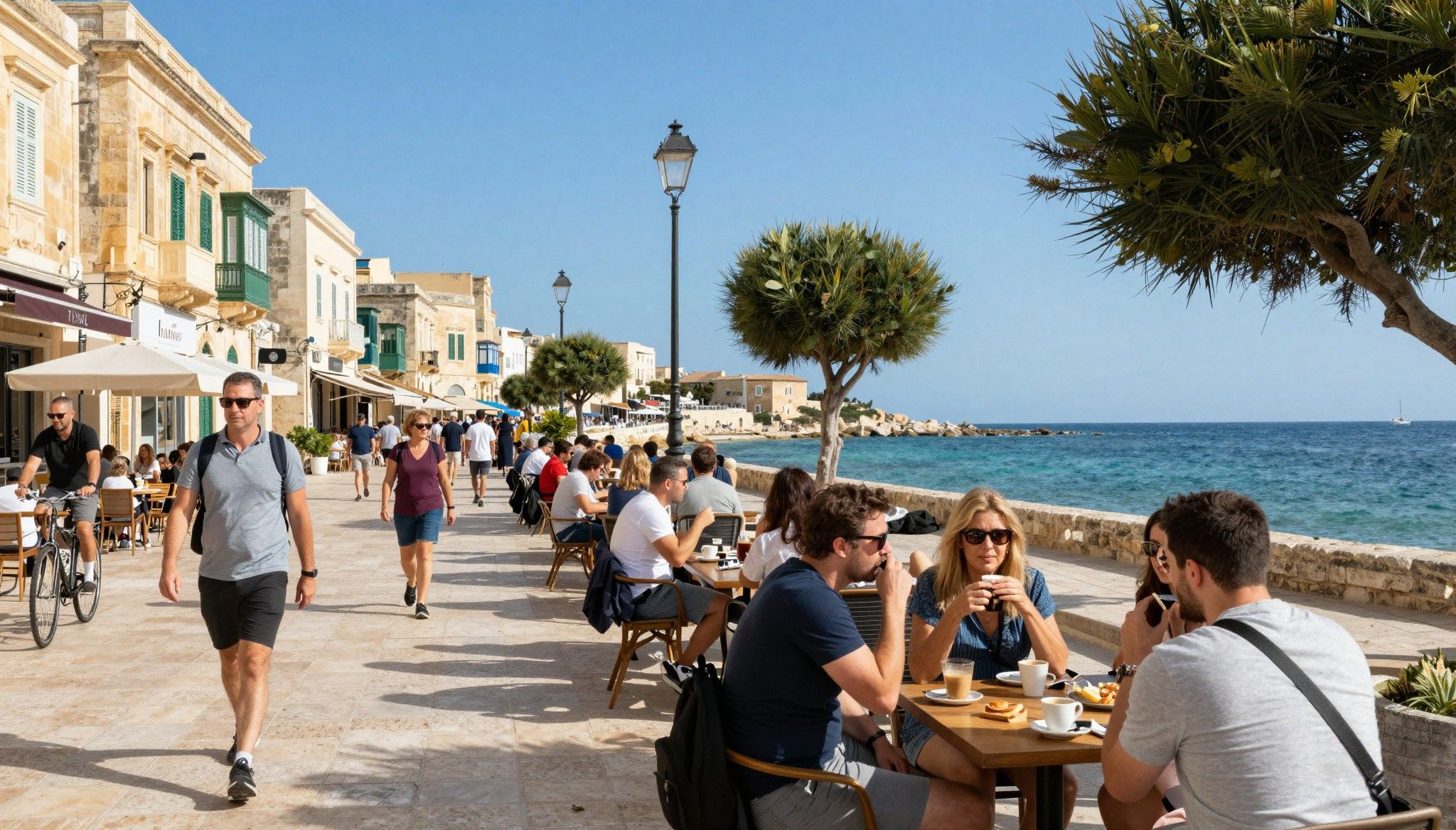
Imagine morning light sliding over honey‑coloured limestone, espresso cups clinking at a corner café on Triq ir‑Rampa, and a short walk to a rocky cove that feels privately yours. Malta is compact enough that one street can contain a church, a dive shop and a modern co‑working space — and that juxtaposition is the point. For many international buyers the island sells a lifestyle first: walkable days, Mediterranean food habits, strong expat pockets — and then a property that actually fits how you want to live. We’ll show you where the lifestyle and the market meet — and where conventional wisdom about "too touristy" or "too expensive" misses the real opportunities.
Living Maltese Days: rhythms, neighbors and small luxuries
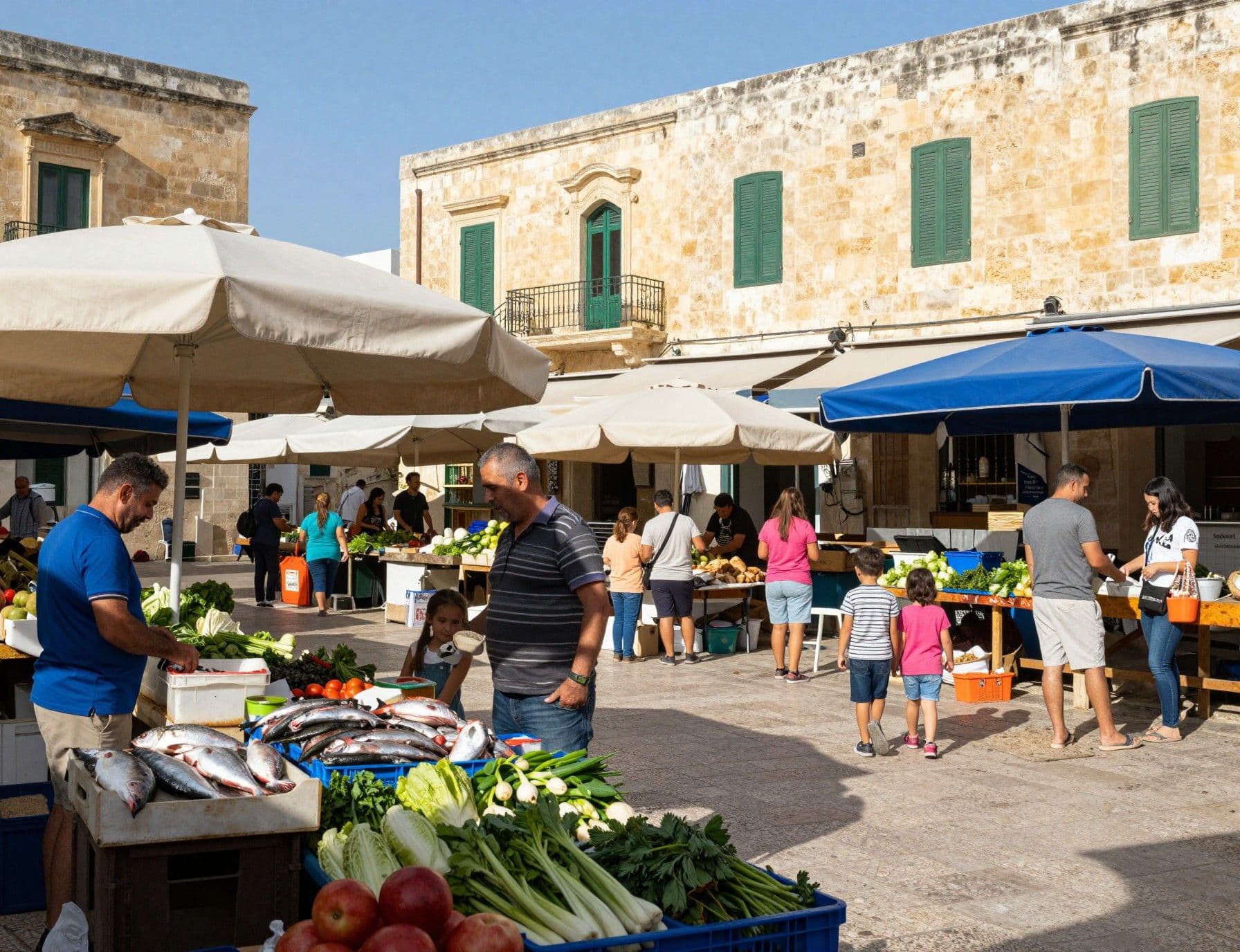
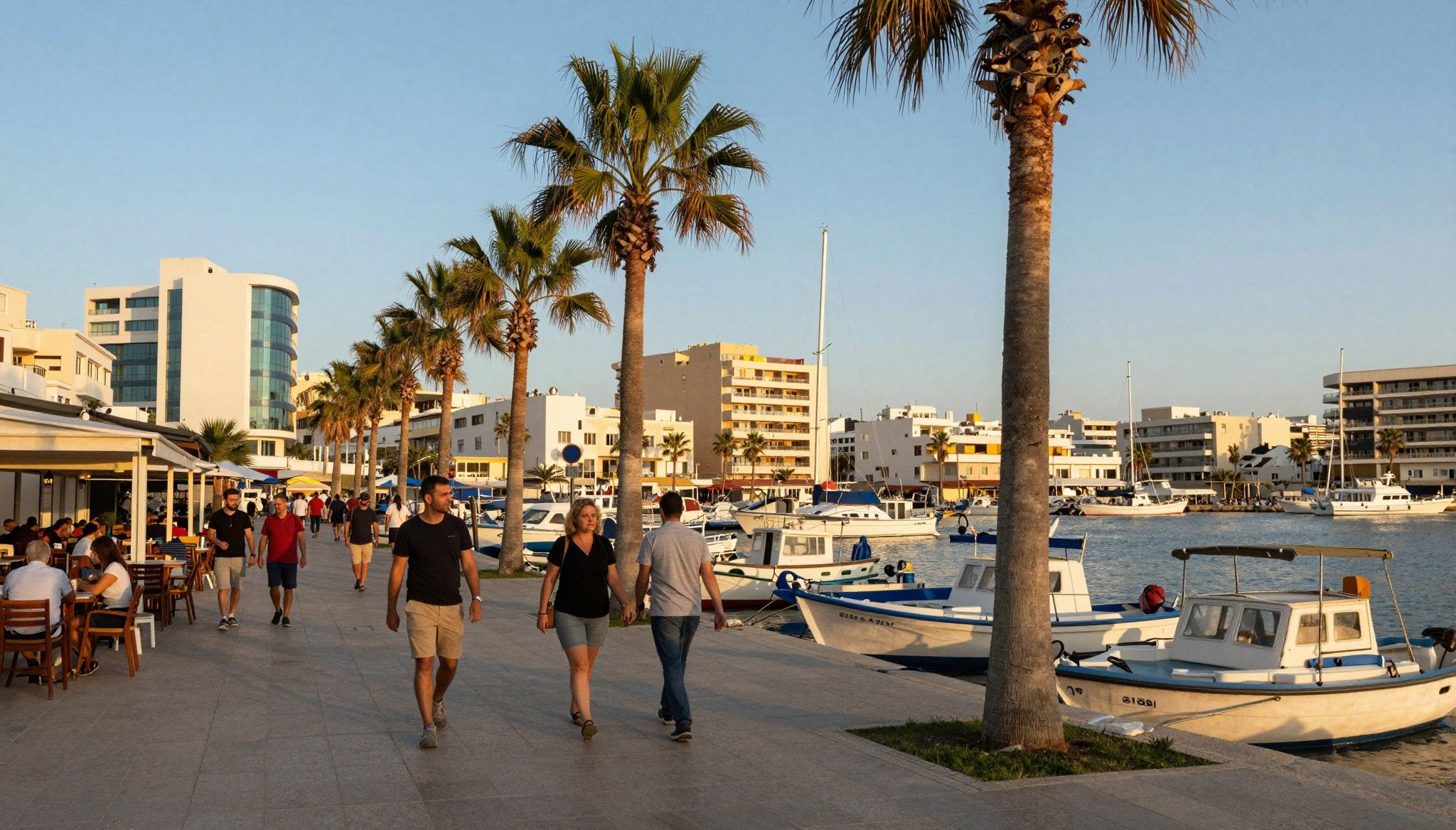
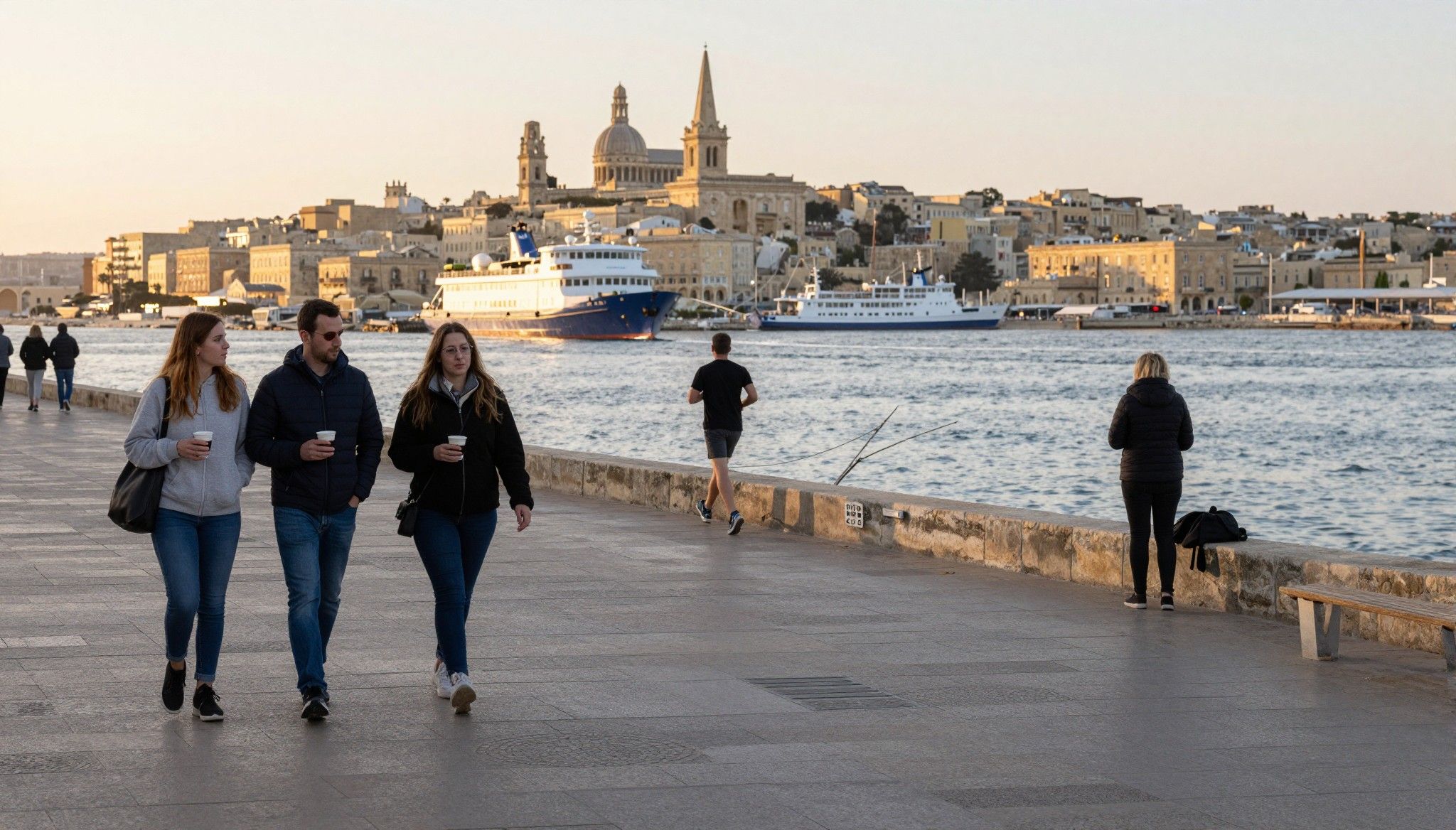
Start with the daily picture: market visits at 08:30, siesta‑light lull in late afternoon, aperitivos in converted warehouses after 19:30. Valletta mornings are a parade of sharp light on baroque façades; Sliema and Gzira feel busier and more modern, with waterfront promenades and cafés full of remote workers. Gozo carves out a slower tempo — more village squares and sea cliffs. The point is this: where you choose in Malta changes your day-to-day more than it changes your commute.
Neighborhood spotlight — Valletta, Sliema, St Julian’s, and Gozo
Valletta: historic streets, tiny terraces, neighbours who know your name. Sliema: seafront promenades, apartment living, cafés that open early. St Julian’s/Paceville: nightlife and modern blocks — great for rental income if you want short lets, but noisy in summer. Gozo: stone farmhouses, slower community life, and houses with gardens that feel rare on Malta’s main island. Each offers a different social rhythm and a different property profile.
Food, markets and weekend rituals
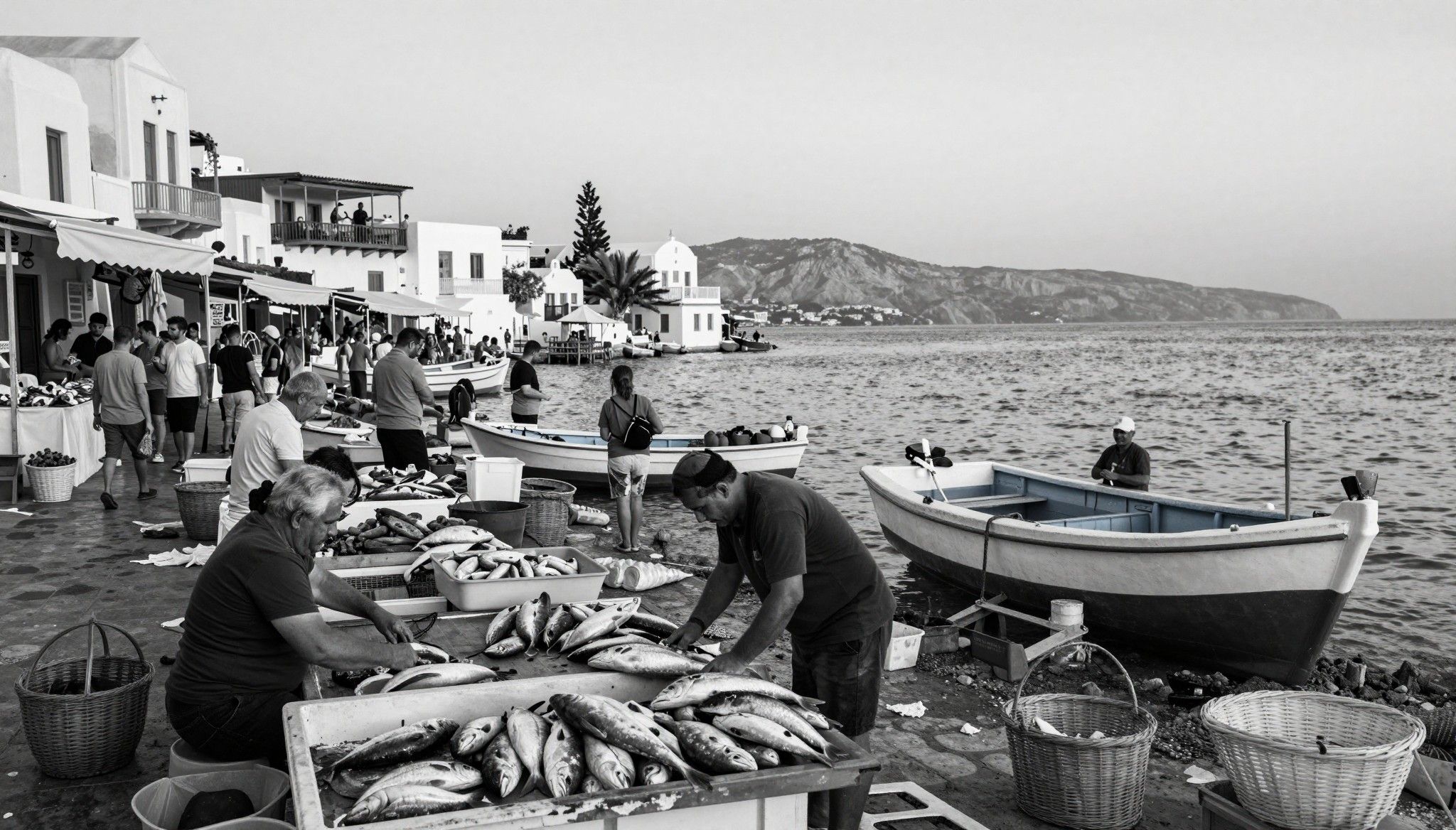
Picture a Saturday market in Marsaxlokk, bright with fish, tomatoes and local bread; dinner is often simple — fresh fish, big salads, and ricotta‑filled pastries when the season calls for it. Expats tell us their social lives start in cafés: language exchanges, volunteer groups, and a weekly ritual of promenading along the Sliema‑St Julian’s coast at sunset. These small, repeatable routines are what turn a holiday fantasy into a home.
- Lifestyle highlights to sample before you buy: Valletta’s Tea for Two bakery on Republic Street; a morning swim at St. George’s Bay; the Sunday fish market in Marsaxlokk; a rooftop terrace in Sliema for sunset; a Gozo field picnic near Dwejra.
Making the move: how lifestyle choices reshape property decisions
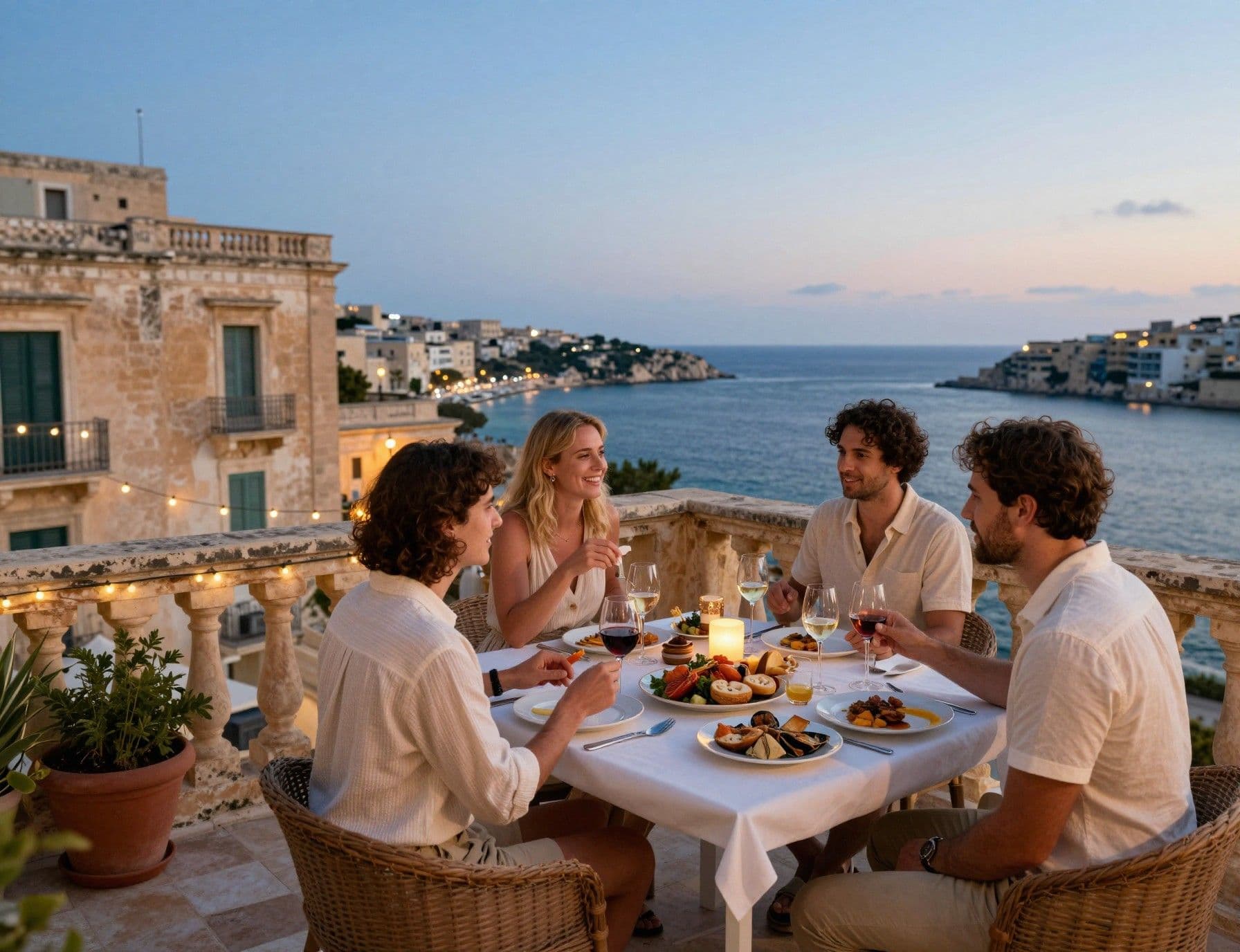
Here’s the practical pivot: Malta’s compact geography means supply is finite and local price indicators matter. The NSO RPPI shows steady quarterly growth in apartment and maisonette prices over recent years, reflecting strong demand for central, walkable neighbourhoods. PwC data reports increased transaction values in 2024, with particular strength around short‑let friendly zones. In short: lifestyle places that tourists love often remain in demand for buyers — but that demand is nuanced, and not all “touristy” spots are the same for long‑term living.
Property types and how they shape daily life
Are you after a maisonette with shutters and a tiny courtyard, a modern seafront apartment with floor‑to‑ceiling glazing, or a restored farmhouse in Gozo with space to garden? Each fits a different lifestyle. Maisonettes and terraced homes give you outdoor space and neighbourhood life; seafront apartments give easy promenades and views but often smaller interiors; Gozo properties give land and calm but require a ferry rhythm. Non‑EU buyers should factor in AIP permit rules when choosing outside SDA zones.
Working with local experts who know the life you want
- 1. Tell your agent about your daily routines — not just bedrooms. 2. Visit neighbourhoods at three times of day before deciding. 3. Ask for comparable transactions (not just listings) in the street or block. 4. Confirm AIP/SDA status early if you’re non‑EU. 5. Check short‑let rules if you plan seasonal renting. 6. Meet a notary and local conveyancer to map timelines and hidden fees.
Insider knowledge: the things expats wish someone had told them
Real talk: Malta’s paperwork is meticulous. Notarial processes, land‑registry searches and historical emphyteusis (long leases) can surprise newcomers. Locals often caution that a beautiful terrace in Valletta comes with steps and limited parking. Expat buyers we know underestimated the cost and time of conversions, or the ways a busy summer season changes noise and parking. These are solvable — but only if you surface them early.
Cultural integration and daily community life
English is an official language, which makes administration and social life easier for many international buyers. Still, Maltese social life values continuity: weekend rituals, festa traditions, and neighbourly goodwill matter. Get involved in a local committee, try volunteering at a village feast, and the island rewards you with introductions and a real sense of belonging — something frequently cited by buyers who stay long term.
Longer‑term life: what changes after year one
After twelve months you’ll know whether you crave more outdoor space, quieter streets, or better schools. Many buyers shift from a Sliema apartment to a quieter coastal village, or from a busy St Julian’s flat to a Valletta maisonette for community life. Consider future mobility: car ownership, school routes, and access to healthcare will actually shape long‑term happiness, more than initial charm.
- Key checks before you sign: confirm SDA/AIP status; ask for recent transaction deeds for the street; inspect for emphyteusis or land‑lease conditions; verify short‑let permissions; and get a local builder’s estimate for any conversion you plan.
Malta is a place where daily rituals matter — the coffee, the market trips, the late‑evening promenades. If those routines match your idea of a good day, you’ll find properties that support them — if you surface the practical tradeoffs first. Start by living like a local for a few weeks, work with experts who listen to how you want to spend your days, and prioritise exact street‑level checks over broad price headlines. When you marry life to logistics, Malta stops being a postcard and becomes a home.
Dutch relocation advisor who moved to Marbella in 2016. Guides Dutch buyers through visa paths, relocation logistics, and balance of lifestyle with value.