Cyprus: Fall for the Life, Verify the Paperwork
Fall for Cyprus’ rhythms, then match them with clear legal steps: title checks, residency rules and targeted local advice protect the life you want.
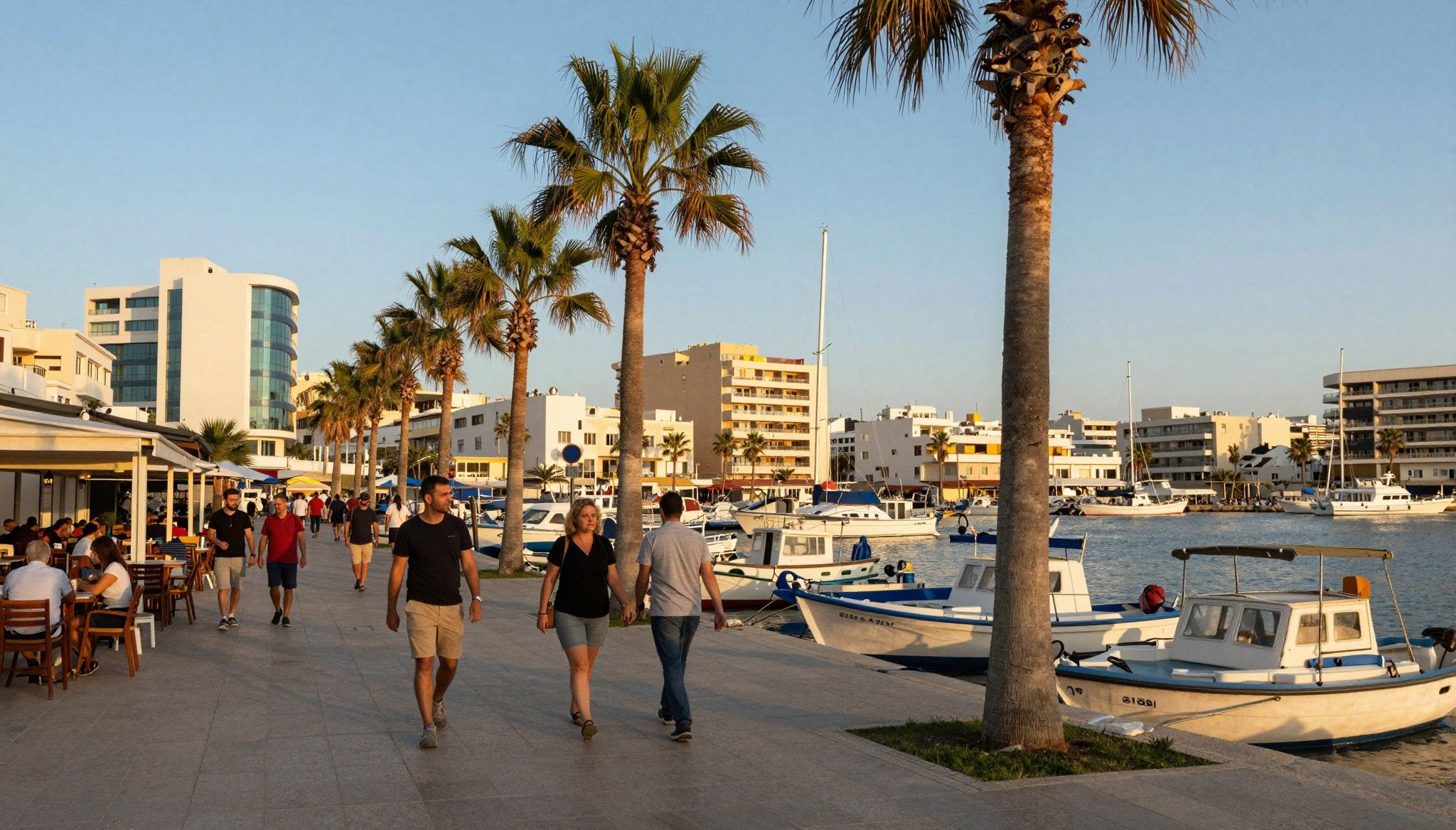
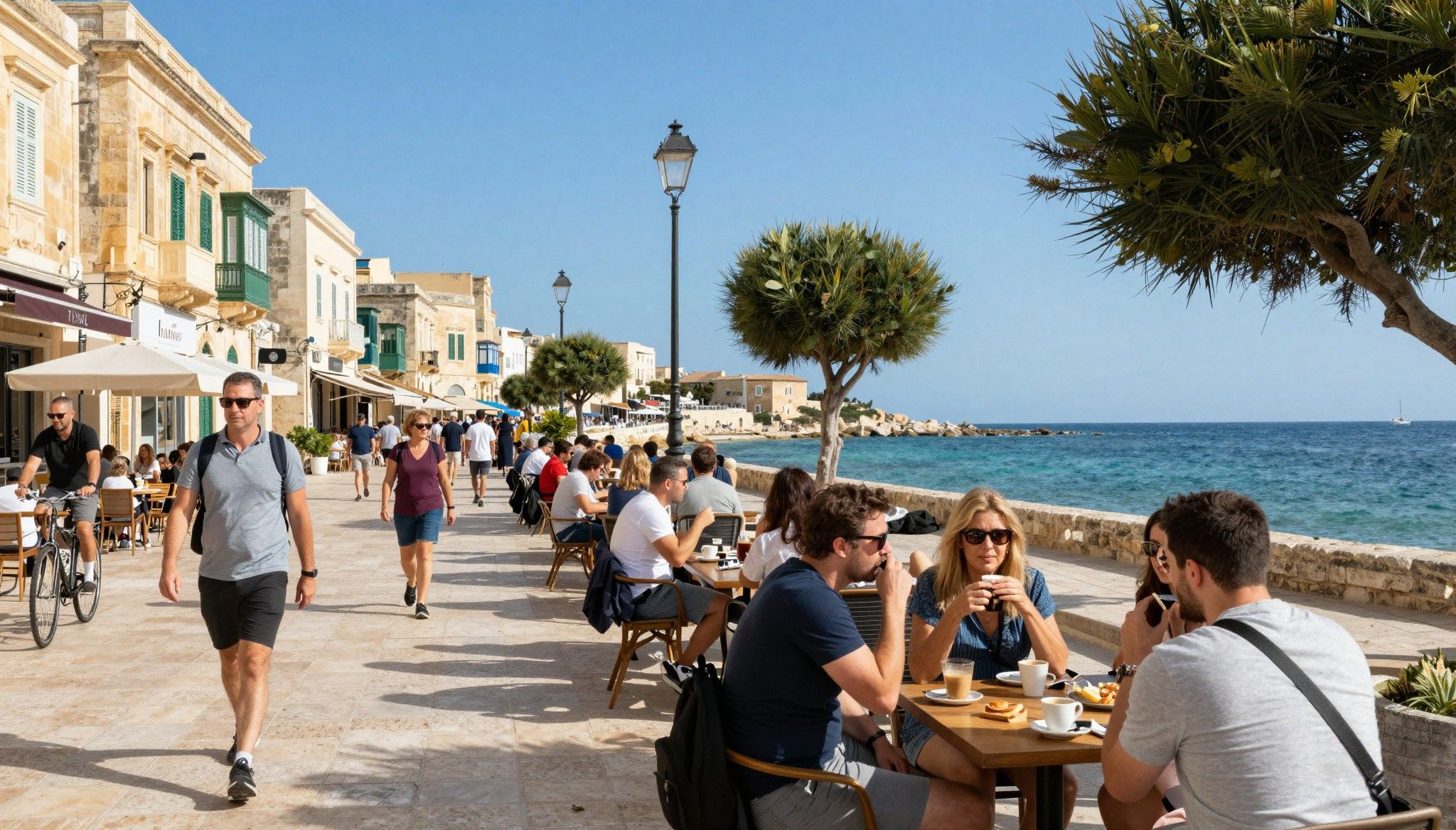
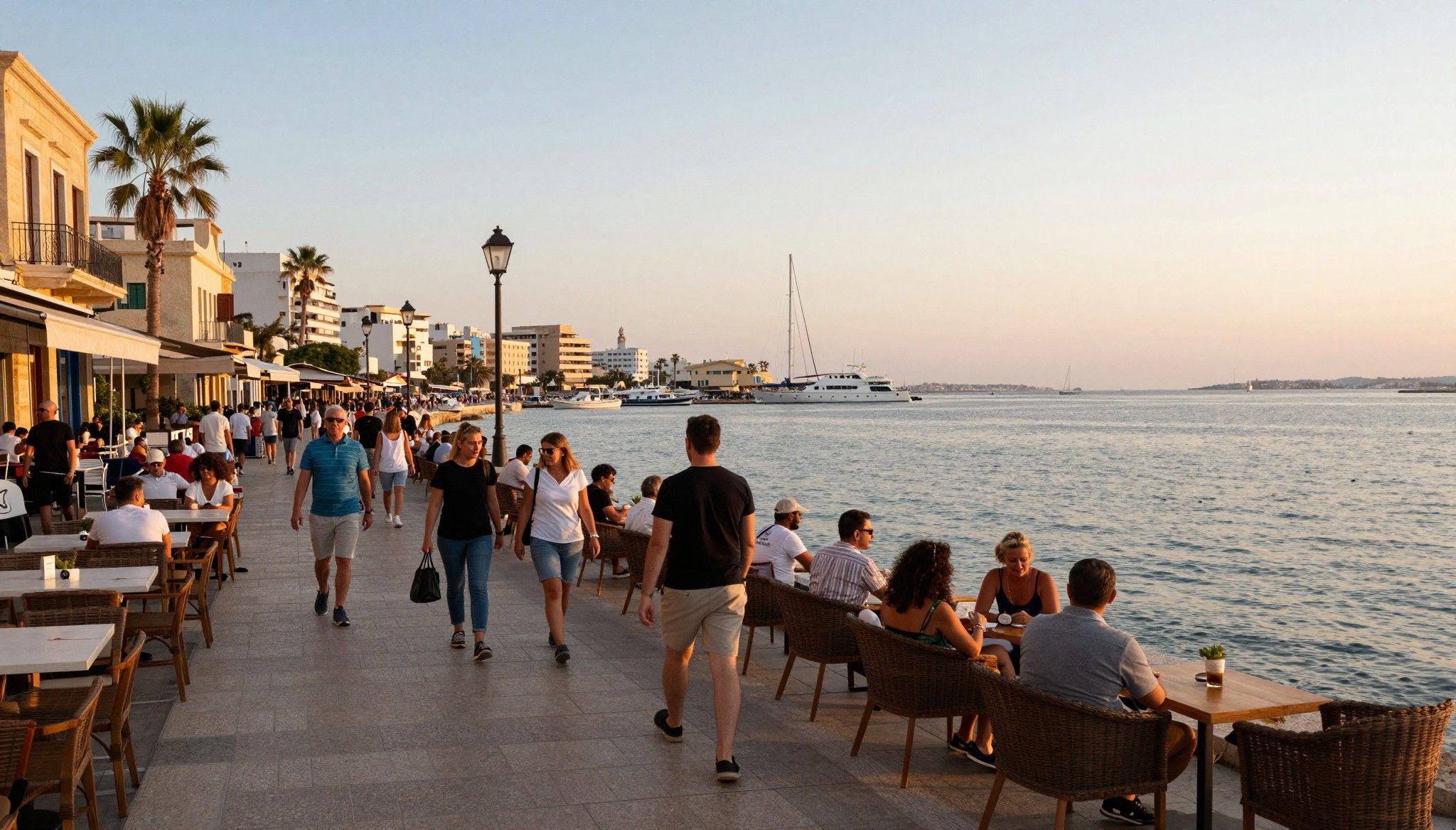
Imagine a late afternoon in Limassol: an espresso at D.IO on Anexartisias, fishermen hauling nets at the old port, and light folding over low limestone terraces. Cyprus sells itself first as rhythm — outdoor cafés, weekend tavernas, mountain villages that smell of pine — and then as a practical choice: compact legal processes, clear title registries in most cases, and well‑trodden paths for foreigners who want to live here.
Living Cyprus: sun, streets and small certainties
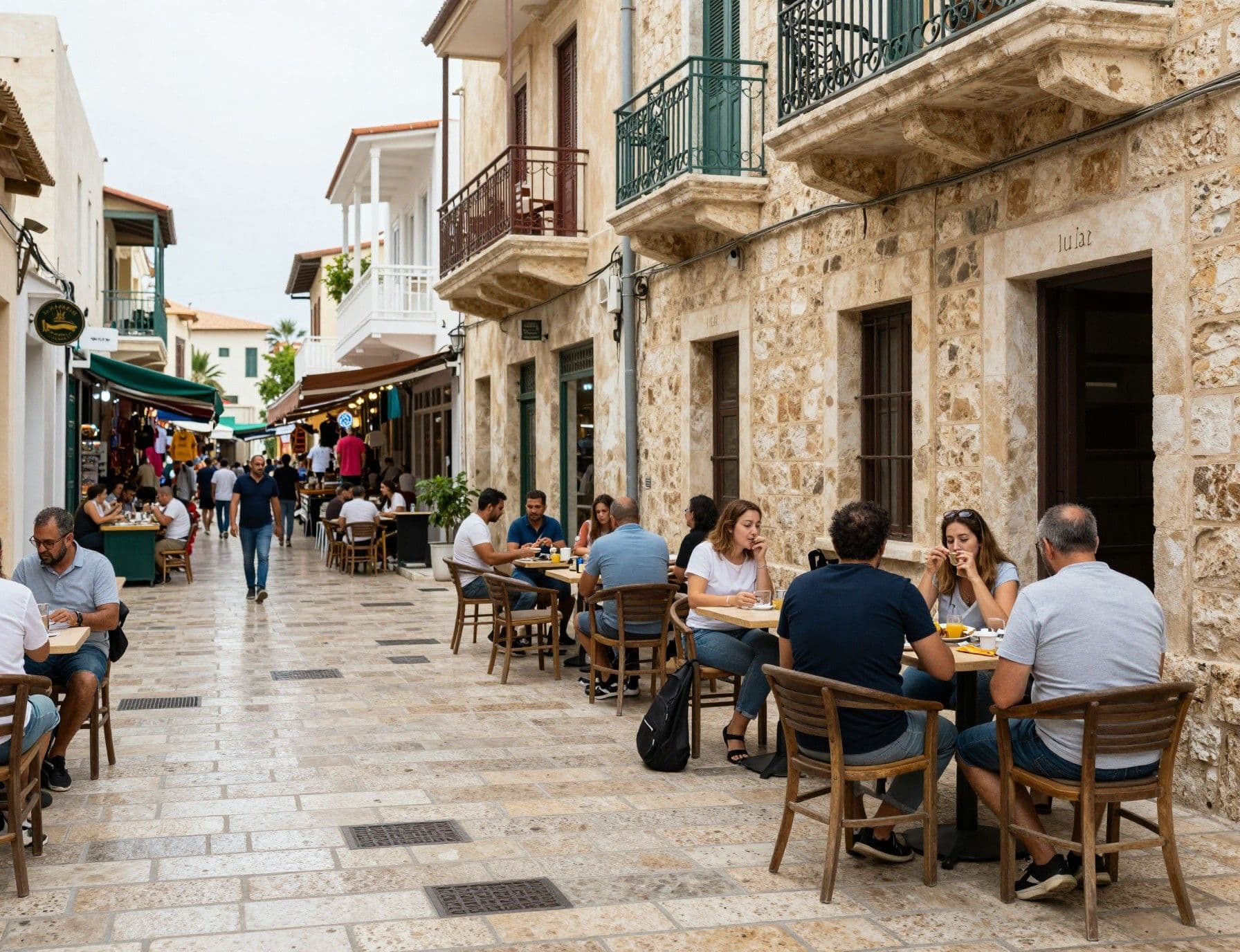
Cyprus is a study in contrasts: modern apartment blocks and new marinas sit beside stone‑walled villages where bread ovens still fire on Saturdays. Days begin with shortbread and a strong coffee; they end with slow dinners and a chorus of cicadas. For buyers, that rhythm matters: you’re not just buying square metres, you’re choosing a tempo — coastal, mountain, or inland town — that shapes everything from insulation to opening hours and community life.
Limassol to Larnaca: coastal life with different beats
Limassol feels cosmopolitan: rooftop bars around Molos Park, weeknight promenades, and a steady expat community clustered near Germasogeia. Larnaca is quieter, the marina slowly developing and old neighbourhoods like Skala keeping a village pulse. In both places you’ll pick between a renovated stone maisonette on a narrow street and a new seafront apartment — each promises different mornings and different resale dynamics.
Troodos and Paphos: mountain mornings, archaeological afternoons
Up in Troodos you trade the sea for cooler air, hiking culture, and village communities where renovation is the norm. Paphos mixes coast with heritage — ancient mosaics and a compact old town — appealing to buyers who want history a short walk from their front door. These choices aren’t aesthetic only; they change maintenance costs, insurance needs, and the kind of tenant you can attract if you rent.
- Morning espresso on Anexartisias (Limassol); evening fish on Tomb of the Kings road (Paphos); Sunday market in Nicosia’s Ledra area; sunset swims at Governor’s Beach; village festivals in Kakopetria.
Making the move: the legal rhythm behind the lifestyle
The paperwork in Cyprus is not theatrical, but it’s specific. Title deeds are central and the Department of Lands & Surveys runs a transparent registry — but red flags remain: incomplete communal building documentation, unresolved planning permissions, or properties inside the island’s divided north. Understanding these practicalities protects the lifestyle you imagine.
How purchase permissions shape what you can buy
EU citizens face few restrictions; non‑EU nationals generally need formal permission to buy and are commonly limited to one residential property or defined land area. That one‑property rule matters — if you dream of a pied‑à‑terre plus a rental flat, the route is usually via a Cyprus company or different legal structure. These constraints influence market liquidity and neighbourhood composition.
Tax residency, non‑dom status and what it means for you
Cyprus’s 60‑day rule and non‑dom incentives can be materially favourable: non‑dom status often provides exemptions from certain taxes on dividends and passive income, which changes the arithmetic if you plan to hold property and receive rental income. But residency tests, reporting, and local tax filing are strict — miss them and lifestyle savings evaporate.
- Decide whether you’ll be tax resident (60‑day rule), apply for non‑dom if eligible, structure ownership (personal vs company), confirm planning/title clean, and register at DLS — each step alters costs and lifestyle options.
Insider knowledge: myths, mistakes and what locals actually do
Myth: "Cyprus is always cheap." Reality: value is granular. Streets two blocks inland from Limassol’s marina can be better buy than a shoebox in the promenade. Mistake: buying sight unseen without checking communal building status or sustainable water access for a village plot. Locals often favour modest renovation projects in older quarters — good value and immediate community — over overpolished new builds that sit empty out of season.
How expats integrate and where they settle
English is widely spoken in business and hospitality; community life happens at church festivals, municipal markets and the neighbourhood taverna. If you want immediate company, aim for Germasogeia (Limassol), Kato Paphos, or the Marina areas where expat networks, international schools and healthcare access are concentrated.
Practical red flags agents should spot
- No up‑to‑date title deed; communal areas not legally registered; properties located in the northern part of the island (legal and practical complications); planning permissions that don’t match built works; unclear utility connections or disputed access lanes.
We’ve been surprised by how often lifestyle expectations and legal reality misalign — a rooftop terrace that looks perfect on a listing may have never been authorised, or an idyllic village house may lack reliable broadband. The trick is to marry the feel‑good scouting with early legal checks, an independent survey, and local tax advice.
- 1. Visit in the season you intend to live (not just August); 2. Order a structural survey and title search before committing; 3. Confirm transfer fees and VAT exposure; 4. Clarify residency and tax rules with a Cyprus tax adviser; 5. Use an independent local lawyer to register the contract and protect your deposit.
Conclusion: fall in love deliberately
Cyprus can be the slow‑warmed home you seek: convivial streets, sea and mountains within easy reach, and a legal framework that works — if you treat it with respect. Fall for the life first, then let clear legal steps, local expertise, and purposeful due diligence turn that feeling into a secure purchase.
Conclusion summary with next steps: contact a local independent lawyer; request the DLS title report; consider non‑dom/tax residency planning; and schedule a season‑appropriate visit to the micro‑neighbourhood you love.
British expat who relocated to Marbella in 2012. Specializes in rigorous due diligence and cross-border investment strategies for UK and international buyers.