The Summer Illusion: Why July House‑Hunting in Greece Misleads
The summer buzz in Greece hides year‑round realities. Visit off‑season, demand year‑round data, and match property type to the life you actually want.
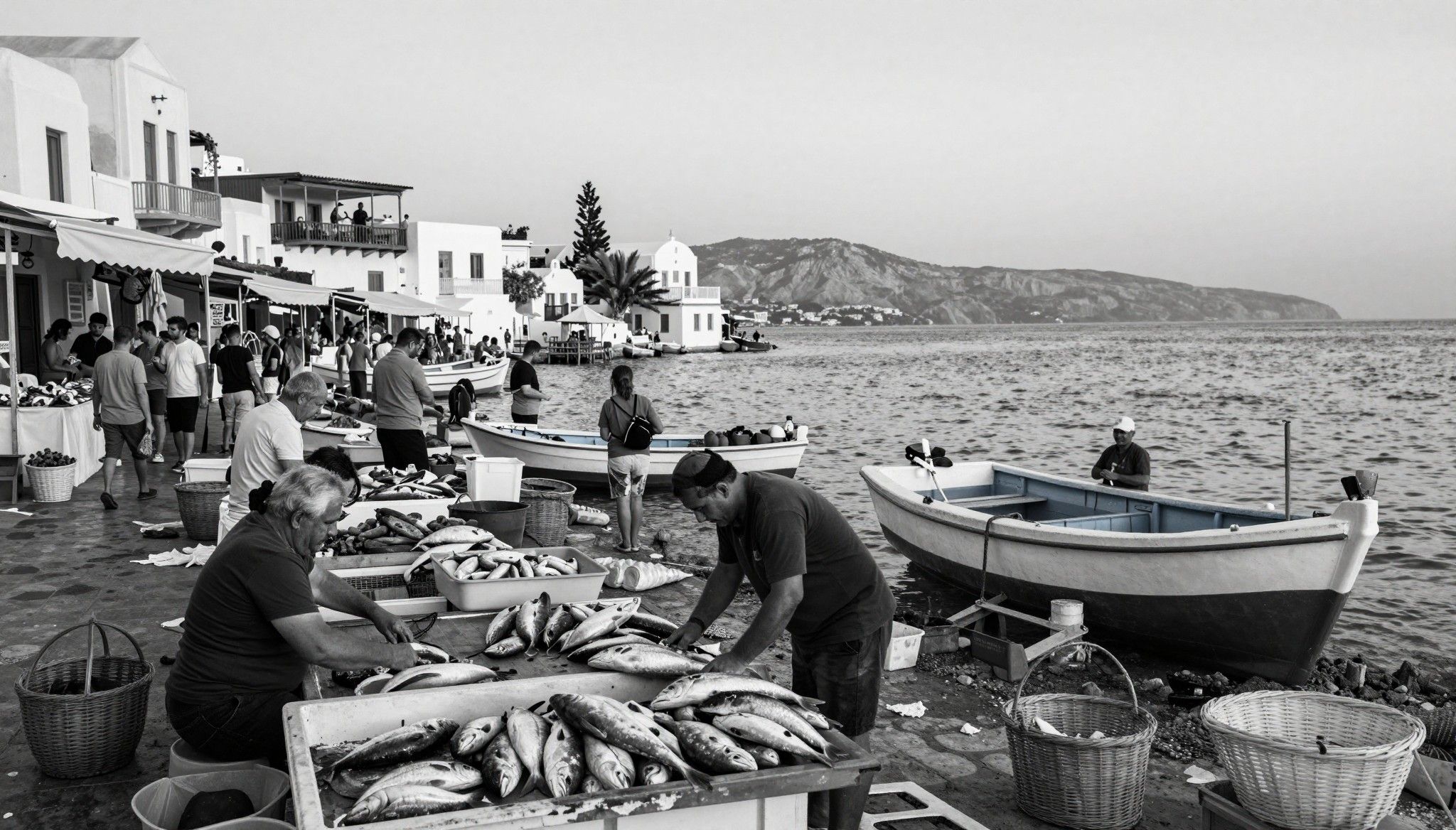
Imagine stepping out for an espresso in Plaka before the tourists arrive, then wandering down to the Acropolis slope where olive trees shade a sun-drenched terrace. Greece feels like a slow-motion postcard: light that makes white walls glow, neighbourly kafeneia where everyone knows your order, and island harbours that pulse with life only in July and August.
Living the Greece lifestyle — beyond the postcard
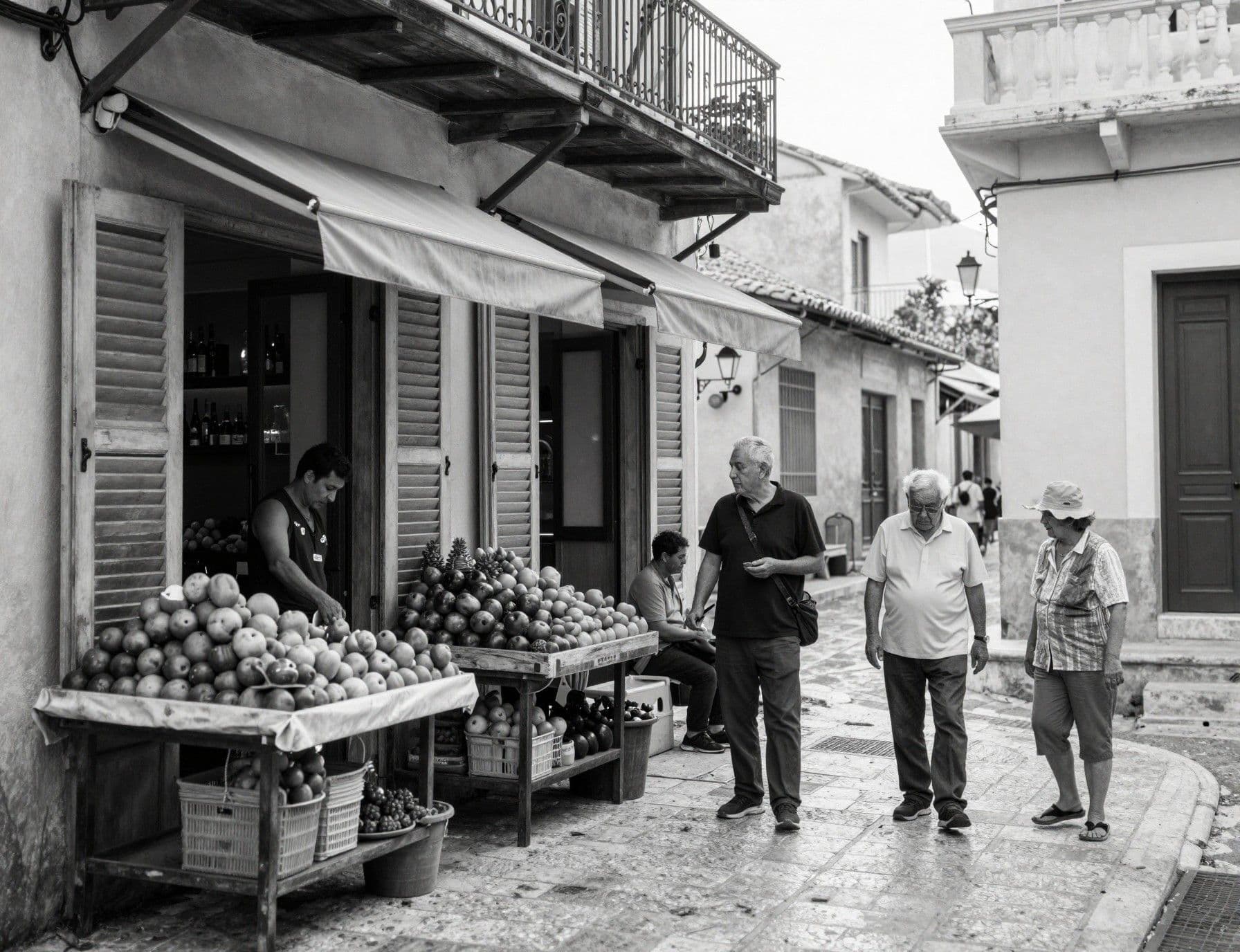
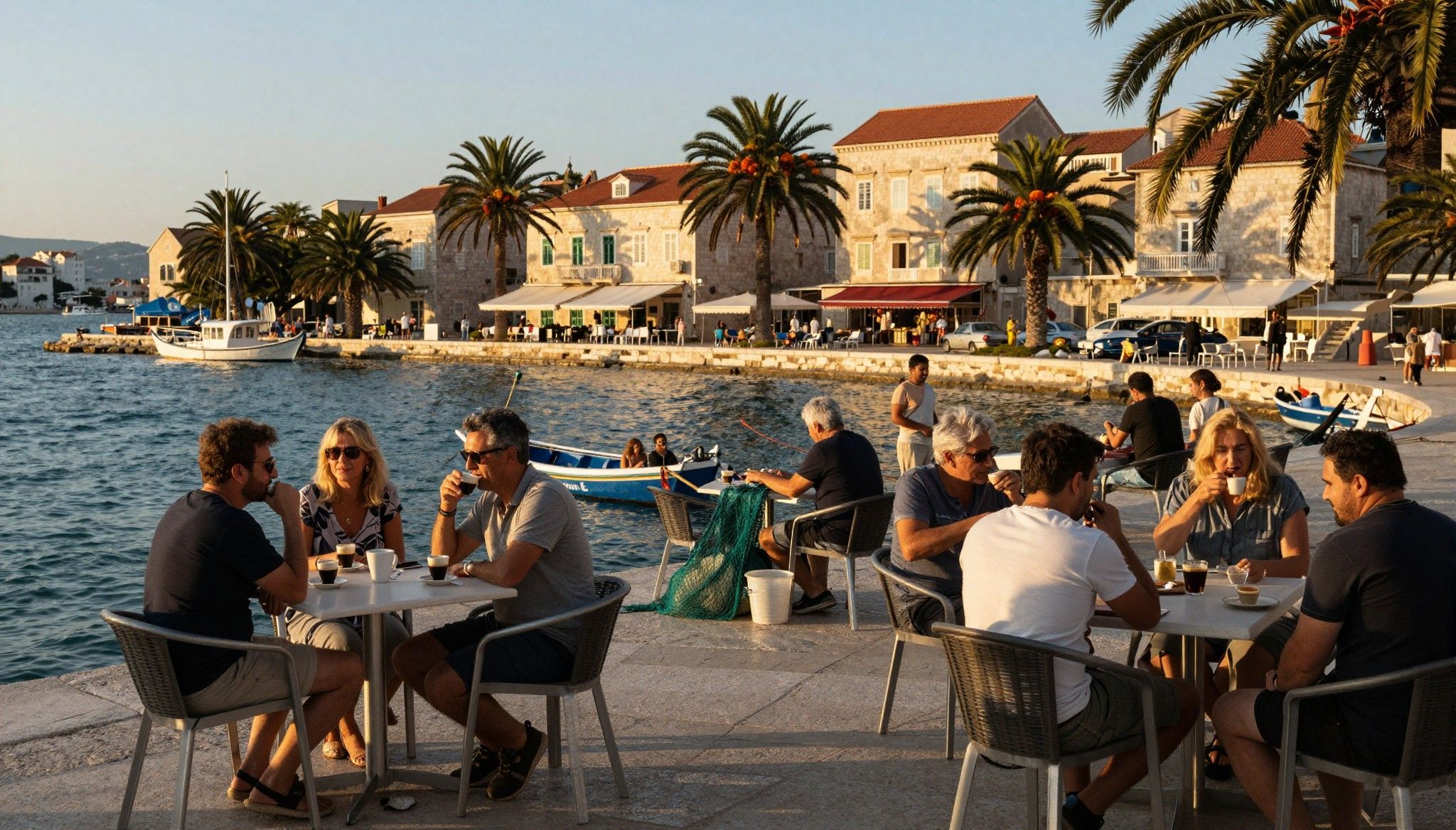
Daily life in Greece is tactile. Mornings start with thick coffee and bougatsa, afternoons drift into siesta or slow work at a sunlit table, and evenings belong to long meals of grilled octopus, local tomatoes and raki. The tempo changes regionally: Athens hums with design cafés on Koukaki’s Drakou Street, while Nafplio’s Syntagma hill favours seaside promenades and slow dinners.
Athens: city life with island access
Picture living on Dionysiou Areopagitou: morning jogs beneath the Acropolis, weekend markets on Athinas Street, and ferries to Aegina when you crave sea air. Apartments here trade on walkability and culture rather than terraces — expect charming stone staircases and light-filled interiors if you prioritise urban routines.
Islands and coast: the seasonality trade
From Mykonos’ magnetic night life to the calm of Paxos, island living is about extremes: full vibrancy in high season, quiet intimacy off-season. That rhythm shapes property value, rental potential and daily life — you buy the summer, but you live in the other nine months.
- Lifestyle highlights: actual places and moments
- Sunday morning at Varvakeios Market (Athens) — buy cheese from the same stall for seasons of fresh produce.
- Terrace dinners in Chania’s old harbour — fish straight from the quay and lantern-lit nights.
- Sunrise swims at Elafonissi (Crete) in late May — empty sand, clear water, a local café open by 07:00.
The summer illusion: why July house‑hunting misleads buyers

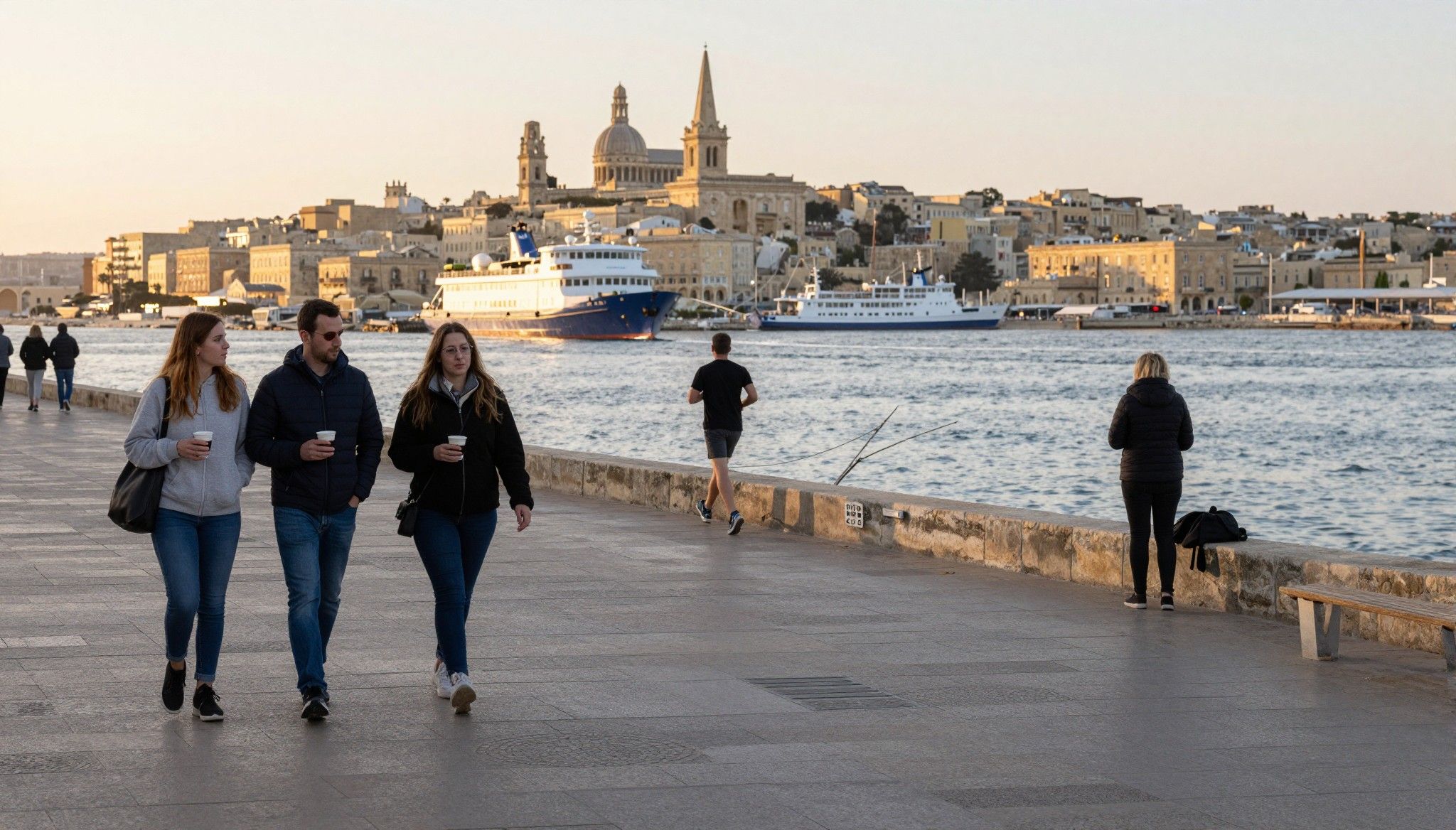
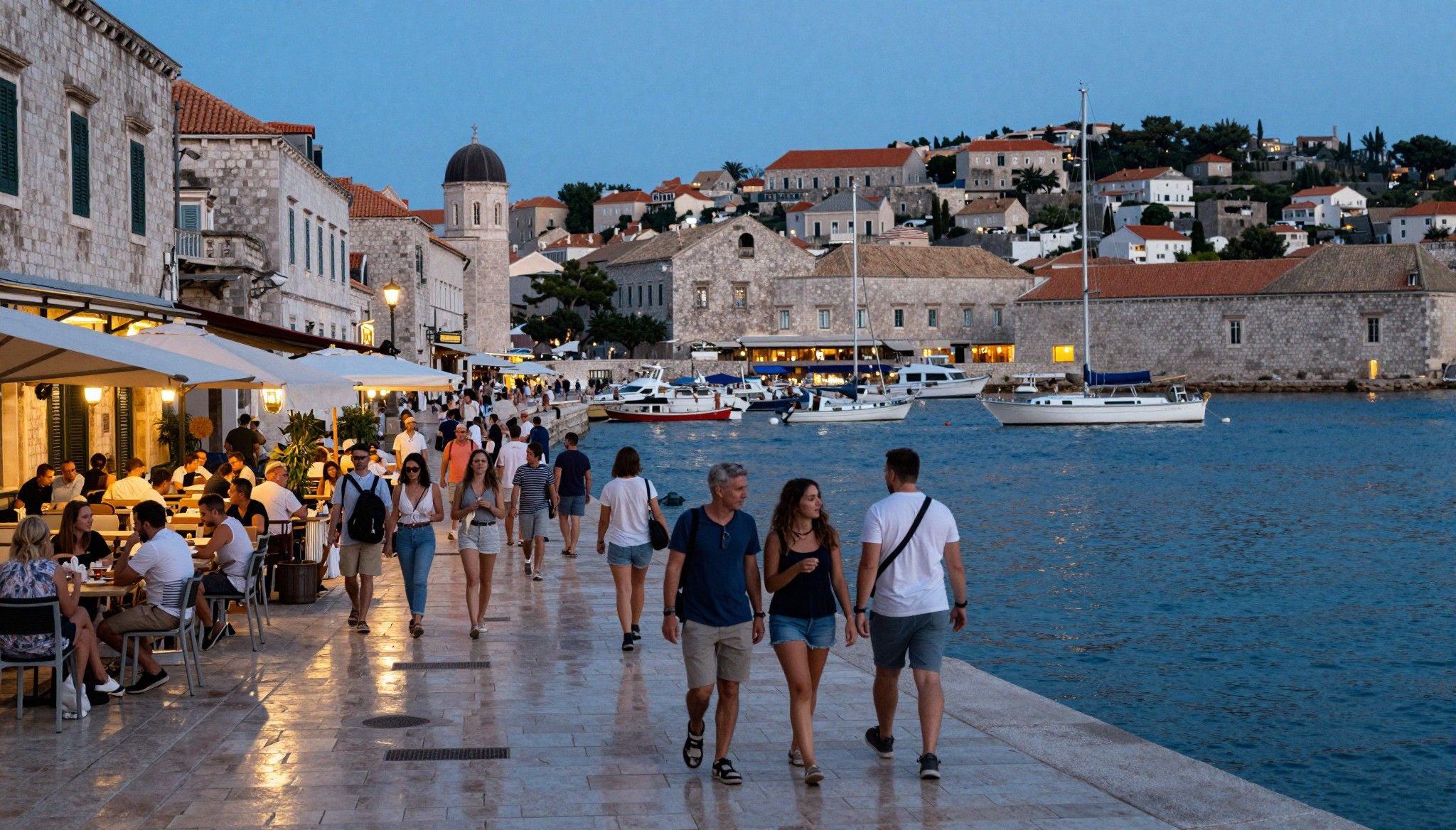
Walkthrough viewings in July are theatrical: properties staged for holiday renters, crowds in cafés, and inflated short-term rental comps. That high-season veneer can convince buyers a neighbourhood is busier — and pricier — than it is for year-round life. We’ve seen clients fall for summer energy and later regret maintenance costs, quieter winters, or limited local services.
How seasonality affects price signals
Official indices show nationwide price growth in recent years, but coastal pockets swing more with tourism. The Bank of Greece reports steady urban price rises while island markets show sharper short-term swings — a reminder to read indices alongside local rental seasonality and occupancy data before committing.
A contrarian move: house‑hunt off‑season
Step-by-step off‑season strategy
- 1. Visit in March–May or October–November to judge local life, services and noise levels.
- 2. Ask for year-round utility bills and actual long-term rental contracts — not peak-summer invoices.
- 3. Check transport schedules outside summer: ferries, regional flights and clinic hours matter.
Making the move: property types, agencies and reality checks
Greece’s property palette ranges from neoclassical flats in Plaka to cubist Cycladic villas. Each type reflects a way of living: a narrow Athinais townhouse suits walkable daily life; a detached villa on Paros buys privacy and a car-dependent routine. Match the building to how you want to spend weekdays and weekends.
Property styles and lived experience
Renovated stone houses often have thermal inertia (cool summers, cold winters) and charming quirks like thick walls and low beams. New builds offer insulation and open-plan living but may sit in quieter, car-first suburbs. Decide whether you prefer character with ongoing maintenance or modern convenience.
Working with local experts who know the rhythm
A local agency does more than show listings: they read micro-seasonality, know which neighbourhoods sleep after tourist season, and maintain contacts for architects and energy upgrades. Ask for references from year-round owners and insist on seeing a property at two different times of year.
- Practical checklist when choosing an agency (what to ask)
- 1. Can you show properties with a year‑round owner contact? 2. Do you provide occupancy and utility histories? 3. Who handles renovations and permits locally? 4. Can you walk me through seasonal transport and services?
Insider knowledge: what expats wish they'd known
Expats tell us two consistent things: first, language is less of a barrier than you think — neighbours, cafés and local contractors are helpful if you show good faith; second, lifestyle expectations shift. You buy for sun and sea and quickly fall under the spell of daily rhythms: long lunches, late nights, and a friendlier pace.
Cultural notes that change the move
Neighbour relations matter. Small favours — sharing produce, joining local festivals like the local panigiri — open doors. Public bureaucracy can be slow; patience and local representation make a big difference when registering property or arranging utilities.
Long-term thinking: how life and value evolve
Tourism boosts short-term returns but also raises maintenance and management needs. Over five to ten years, properties that combine accessibility, services and authentic local life tend to hold value better than purely seasonal rentals. Think of a home that serves you year-round, not just July.
Conclusion — fall in love with the life, not the high season
If Greece seduces you, let it. But house-hunting in July can be an emotional trap. Visit off-season, demand year-round data, and work with agents who live the rhythm you want. Do that and you’ll buy a place that fits your life — the quiet weekdays and the electric summers alike.
British expat who relocated to Marbella in 2012. Specializes in rigorous due diligence and cross-border investment strategies for UK and international buyers.