Cyprus: The Title‑Deed Reality Behind the Sun
Cyprus seduces with sun and sea, but title‑deed delays and nationality rules complicate purchases. Live the island first; verify the ledger next with local experts.
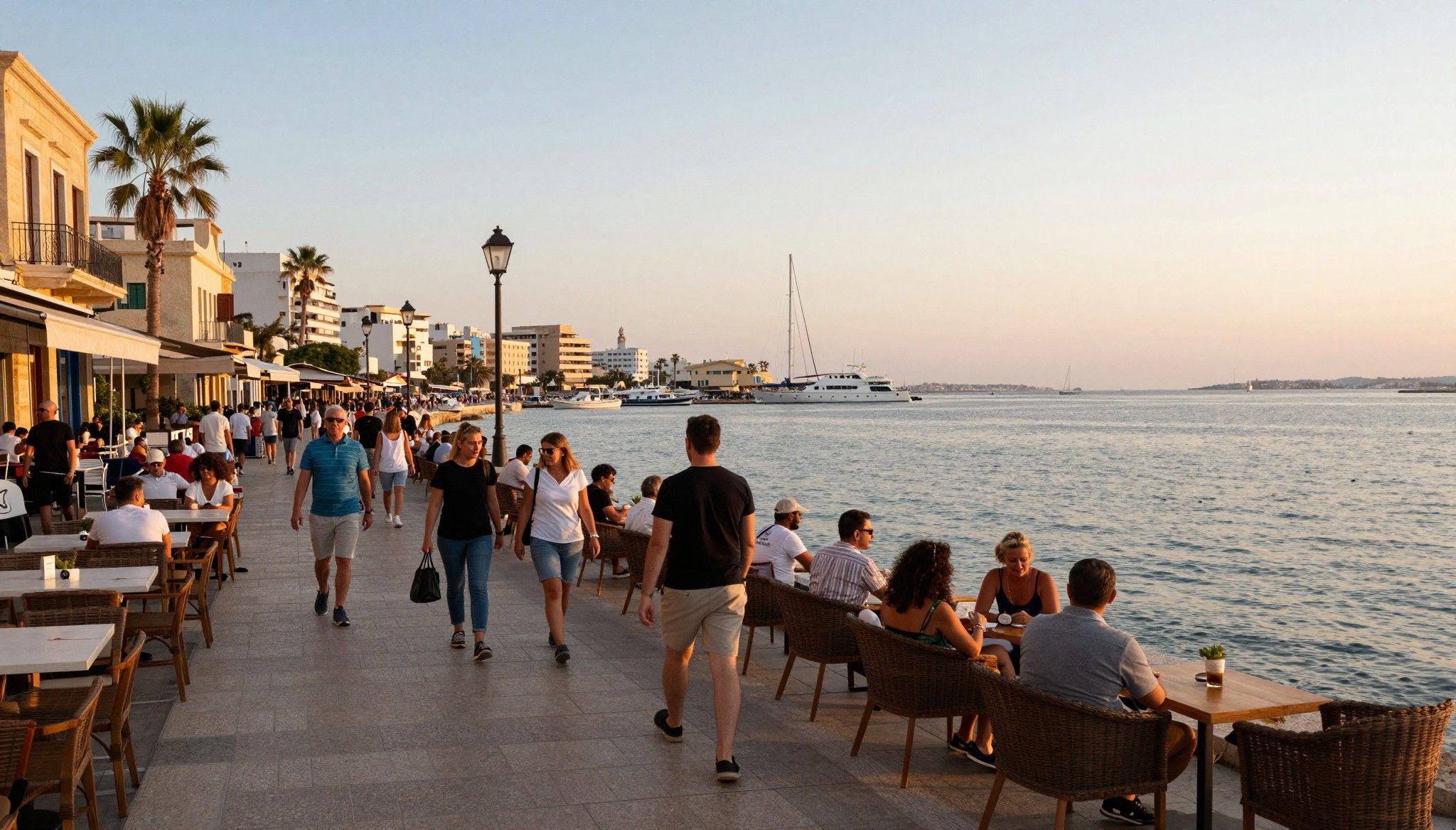
Imagine stepping out of a bakery on Ledra Street with a warm sesame koulouri in hand, the harbour breeze from Larnaca carrying the scent of grilled halloumi. Cyprus seduces you first — light, sea, slow lunches and neighbourhood rituals — and only later does the paperwork arrive to test your patience. For many international buyers, the island’s sunlit lifestyle is the reason to start searching; the title‑deed and regulatory reality decide whether that dream stays simple or becomes complicated.
Living the Cyprus Lifestyle
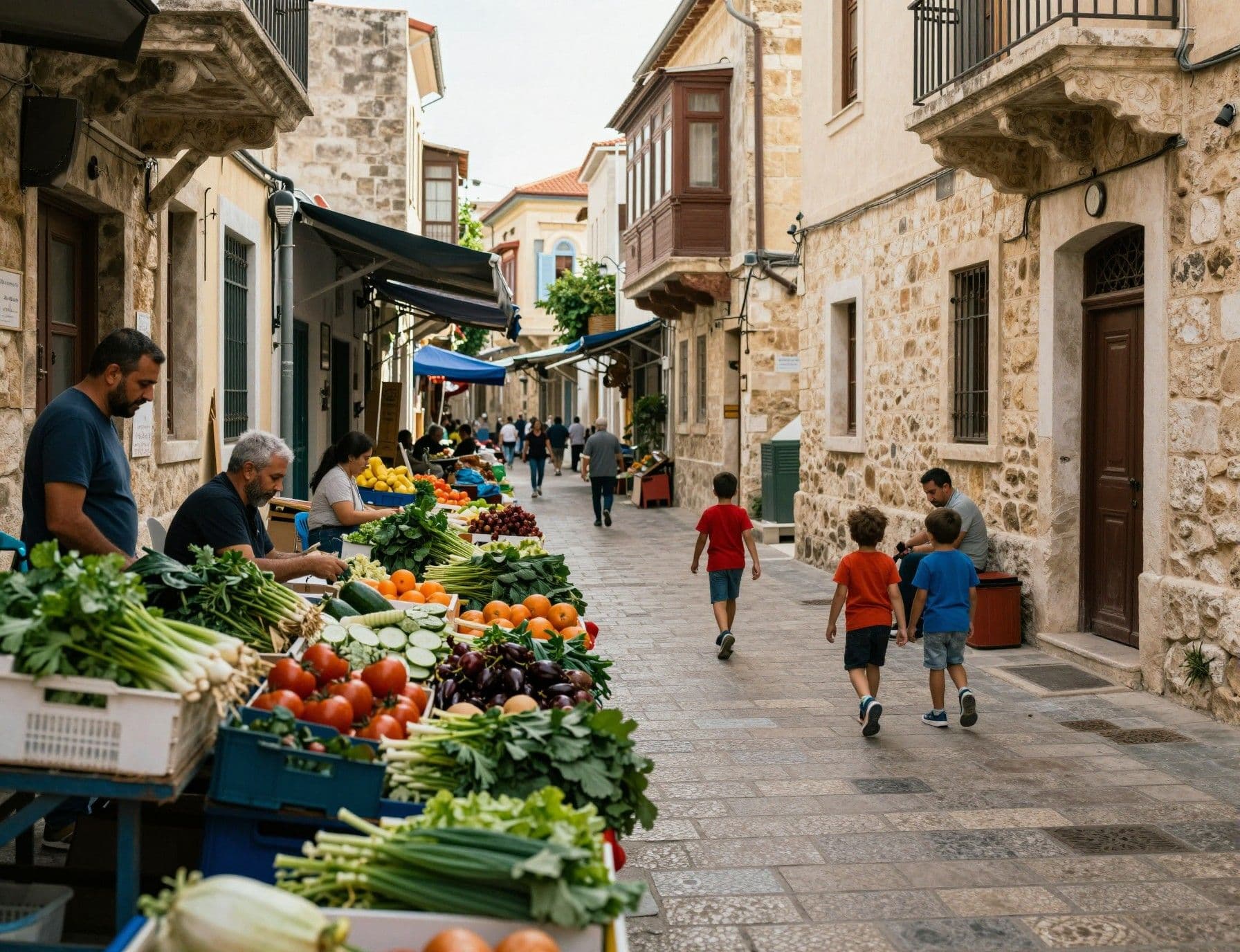
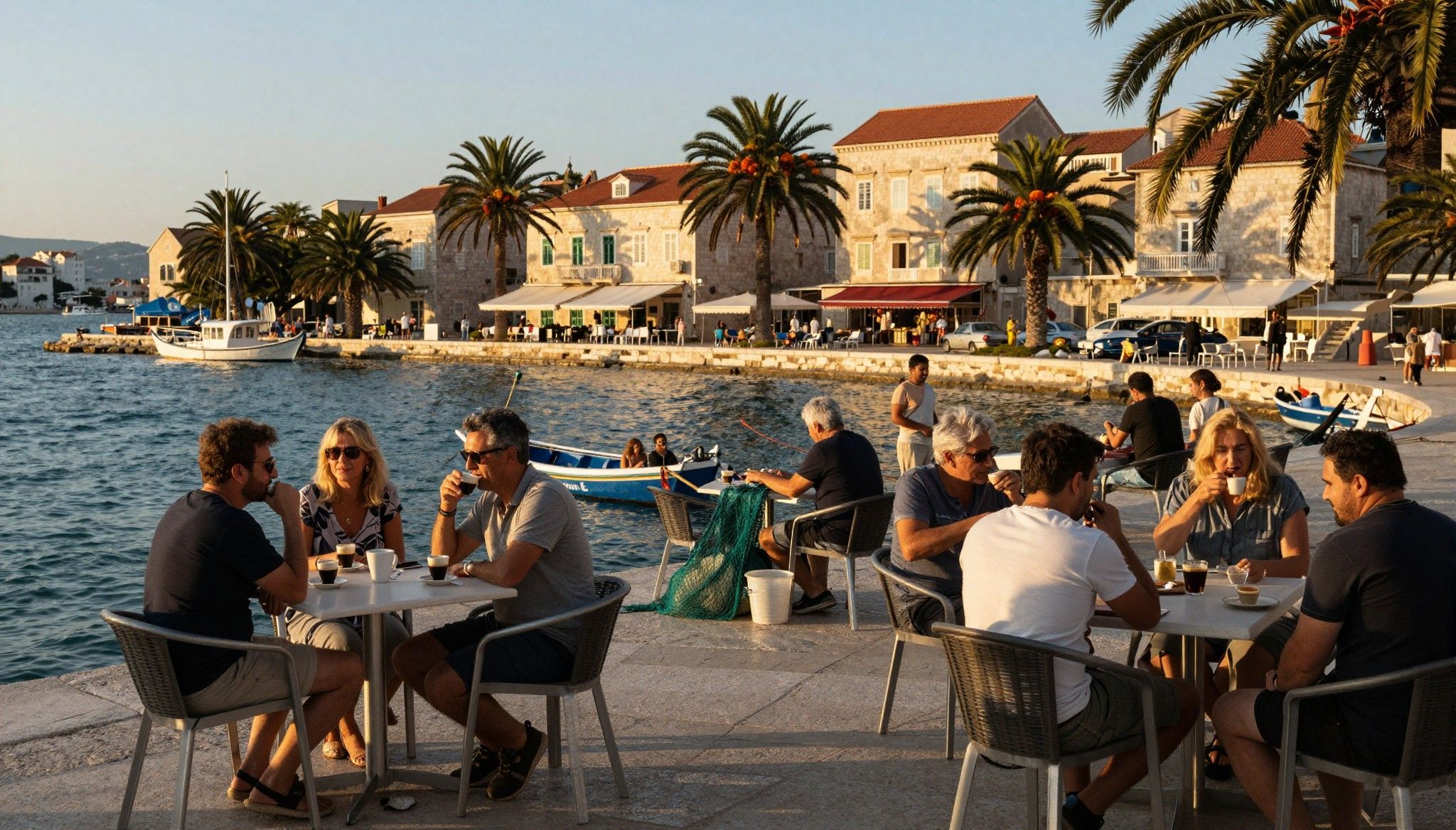
Cyprus feels like three places at once: the mediterranean coast where beaches and marinas set the rhythm; historic towns like Nicosia and Paphos where narrow streets hold bakeries and kastra; and the Troodos foothills, where mountain villages pulse with tavernas and vine terraces. Days begin slowly — espresso at a kafeneio, late morning swims, an afternoon siesta in summer — and evenings bloom into long dinners under bougainvillea-lit verandas.
Harbourfront to Highlands: Signature neighbourhoods
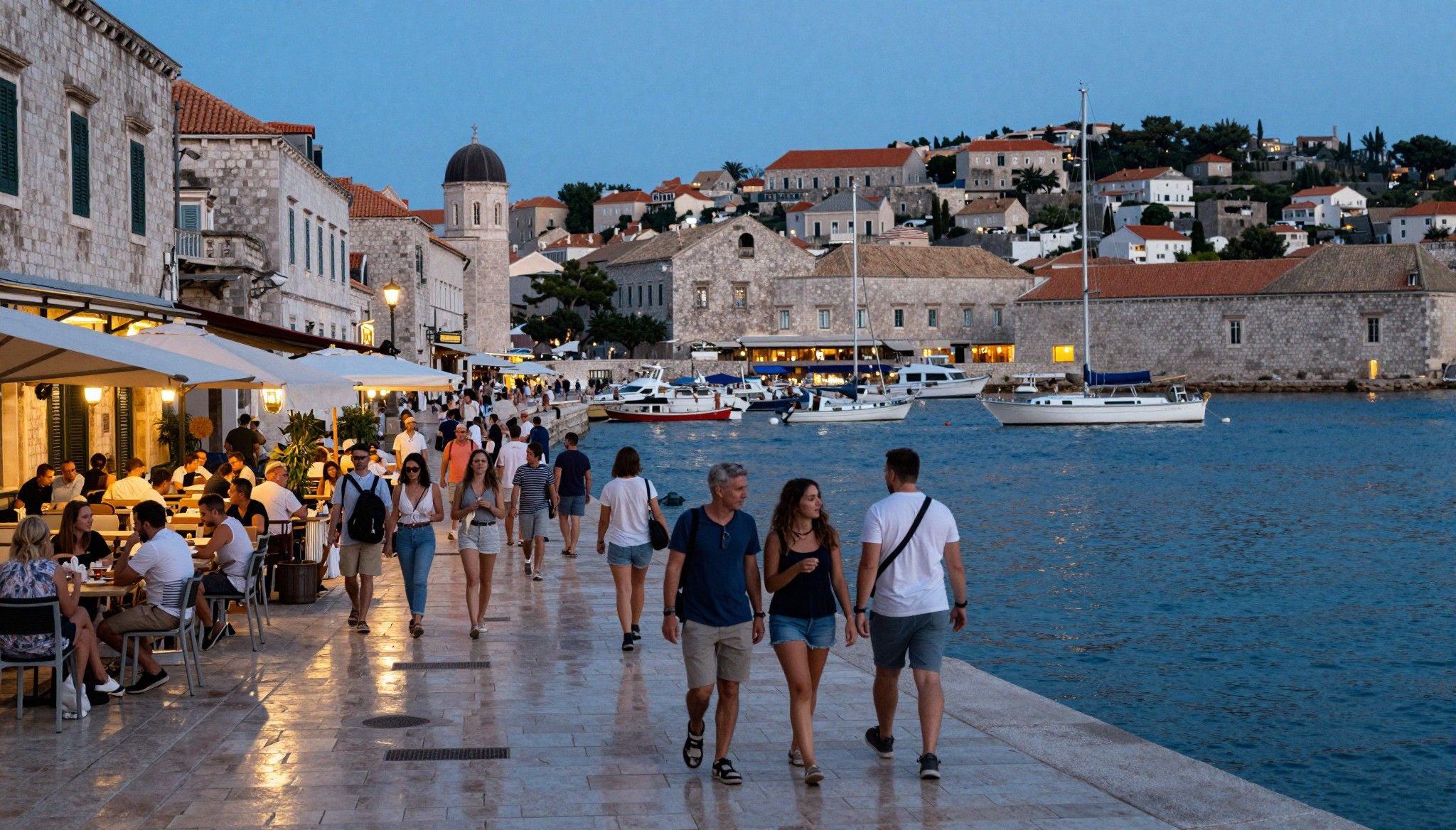
In Limassol’s old port and Germasogeia, cafés spill onto promenades and new developments sit cheek-by-jowl with 1960s apartment blocks. Nicosia’s neighbourhoods — Ledra, Strovolos, Engomi — feel urban but intimate, with family-run bakeries and weekend food markets. Head inland to Paphos’ Kato Paphos and Tala for a calmer coastal rhythm, or climb to Kakopetria and Omodos to hear church bells and find houses with thick stone walls and mountain air.
Food, markets and weekend life
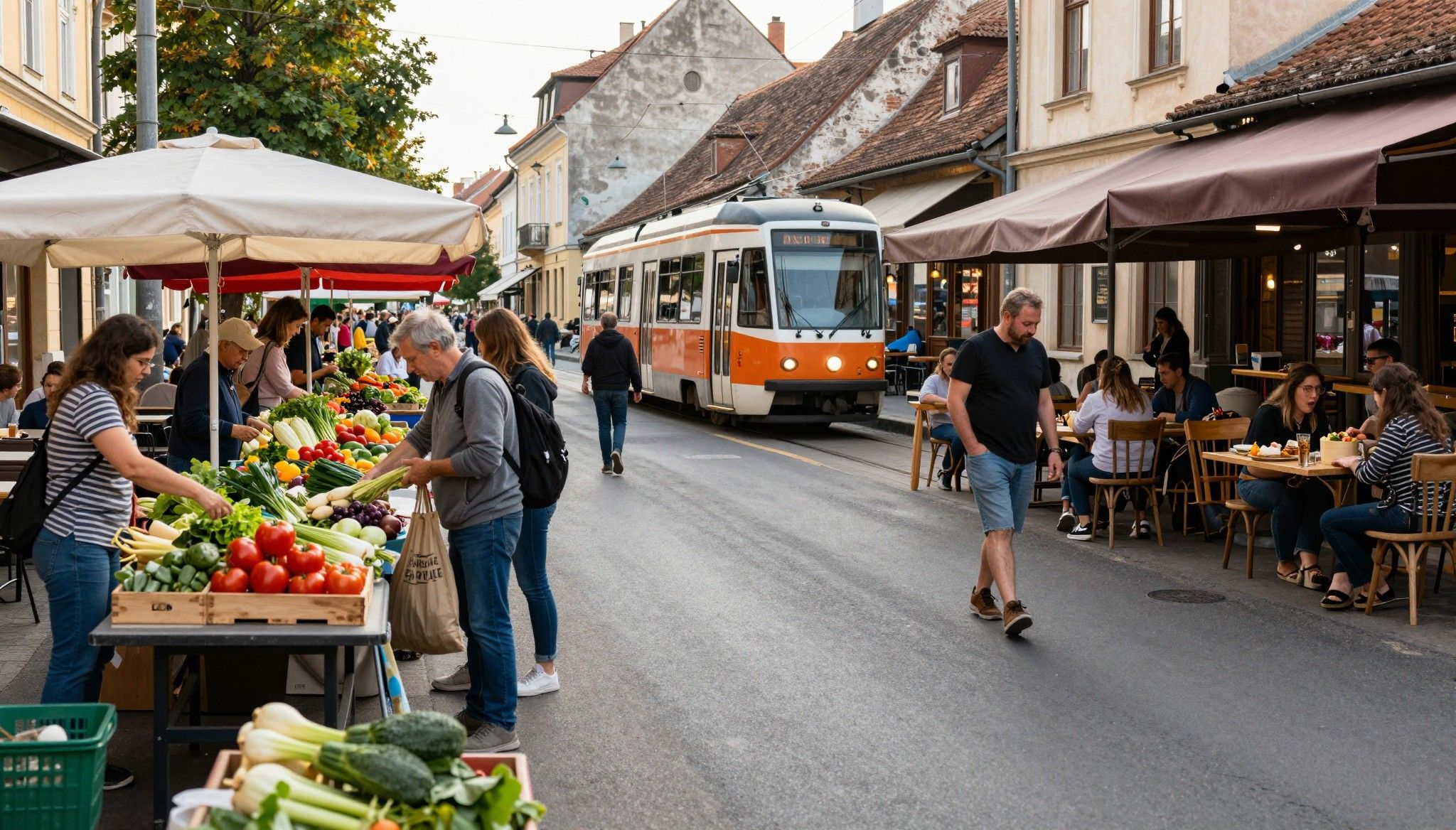
Weekends are for markets — fresh halloumi, olives, and sun-warmed tomatoes — and for discovering cafés like To Kafenio in Paphos or Millers in Limassol. Food is social: a late meze can last hours. That social fabric shapes where people buy: proximity to market squares, a favourite kafeneio or a sheltered beach often matters more than an extra bedroom.
- Harbour walks in Limassol; caféculture on Ledra Street; Troodos hikes and village tavernas; Paphos archaeological weekend rituals; Larnaca salt lake birdwatching.
Making the Move: Practical Considerations
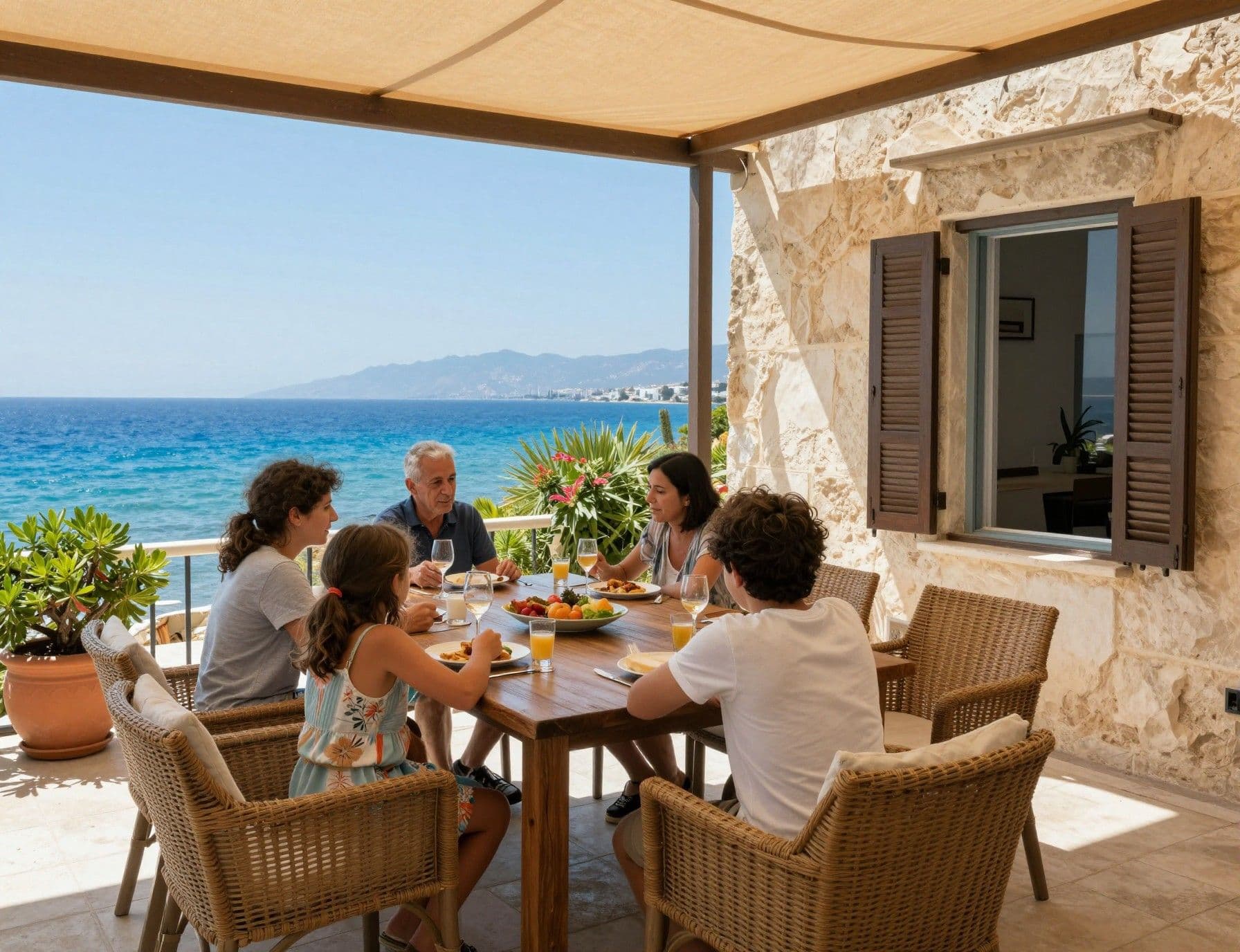
The reality of buying in Cyprus is less romantic: laws, approvals and the long shadow of title‑deed delays shape outcomes. EU buyers enjoy fewer formal barriers; non‑EU buyers commonly face an application for permission and size limits on land. Those rules are straightforward on paper but messy in practice when developers, mortgages and incomplete approvals come into play.
Property styles and what they mean for daily life
Modern coastal developments give you a pool, concierge and easy rental potential; old stone houses in villages offer cool summers and community ties but often need renovation. An apartment on a Limassol promenade means café access and short walks; a villa near Pissouri gives privacy and sea views but longer supermarket trips. Match the property type to how you want to live, not just to how it looks in photos.
Working with local experts who know the lifestyle and the ledger
- 1. Ask an agent for recent title‑deed history on the exact unit — not the development. 2. Always hire a Cyprus lawyer to check planning permits, mortgages and the Land Registry record. 3. Visit the district land office yourself or ask your lawyer to confirm whether the sale is registered. 4. Insist any deposit goes into a lawyers’ escrow account and clarify timelines for registration and deed transfer.
Insider Knowledge: What Expats Wish They'd Known
Buyers often fall for a sunny brochure and then discover a developer hasn’t completed approvals, or ownership is entangled with an undischarged mortgage. The big lesson: live the lifestyle first during visits — stay a week in the neighbourhood, use the shops, meet neighbours — but treat paperwork with equal devotion. Many problems start when emotional decisions precede legal checks.
Cultural integration and everyday nuances
English is widely spoken in Cyprus, especially in coastal and expat areas, but community life runs in Greek rhythms. Expect long sobremesas, late starts in summer and a neighbor-first social fabric in villages. Building trust locally — the baker, the café owner, the building manager — often speeds up problem resolution and helps you spot issues developers or listings won’t mention.
Long-term lifestyle and practical risks
Market signals — rising foreign demand, periodic legislative tweaks, and local planning backlogs — mean prices can be uneven across districts. If you plan to rent the property, check short‑term rental rules locally; if you want residency, consider how purchase size and nationality interact with immigration and investment rules. Always factor a buffer for bureaucracy and delays into your timeline.
- Visit before you sign; demand title history; budget for legal and surveying fees; prioritise neighbourhood routines; verify developer completion certificates; ask neighbours about utilities and drainage.
- 1. Book a 7–10 day stay in your chosen neighbourhood to test daily life. 2. Commission an independent structural survey for older homes. 3. Have your lawyer apply for the Alien’s Permit (if non‑EU) immediately after contract exchange. 4. Register the contract at the Land Registry within six months to preserve rights under the Specific Performance law.
Conclusion: Cyprus asks you to fall in love — and then to do the paperwork. Start with the life: morning markets in Larnaca, harbour strolls in Limassol, mountain evenings in Troodos. Then pair that affection with diligence: title‑deed checks, local lawyers, and realistic timelines. When you combine sensory knowledge of the place with firm, paper‑first habits, Cyprus can deliver both the life you imagined and a secure property investment.
Norwegian market analyst who serves Nordic buyers with transparent pricing and risk assessment. Specializes in residency rules and tax implications.