Cyprus: Love the Life, Check the Deeds
Cyprus sells a sunlit lifestyle, but title‑deed problems and disclosure gaps persist; pair neighborhood love with targeted legal checks and local experts.
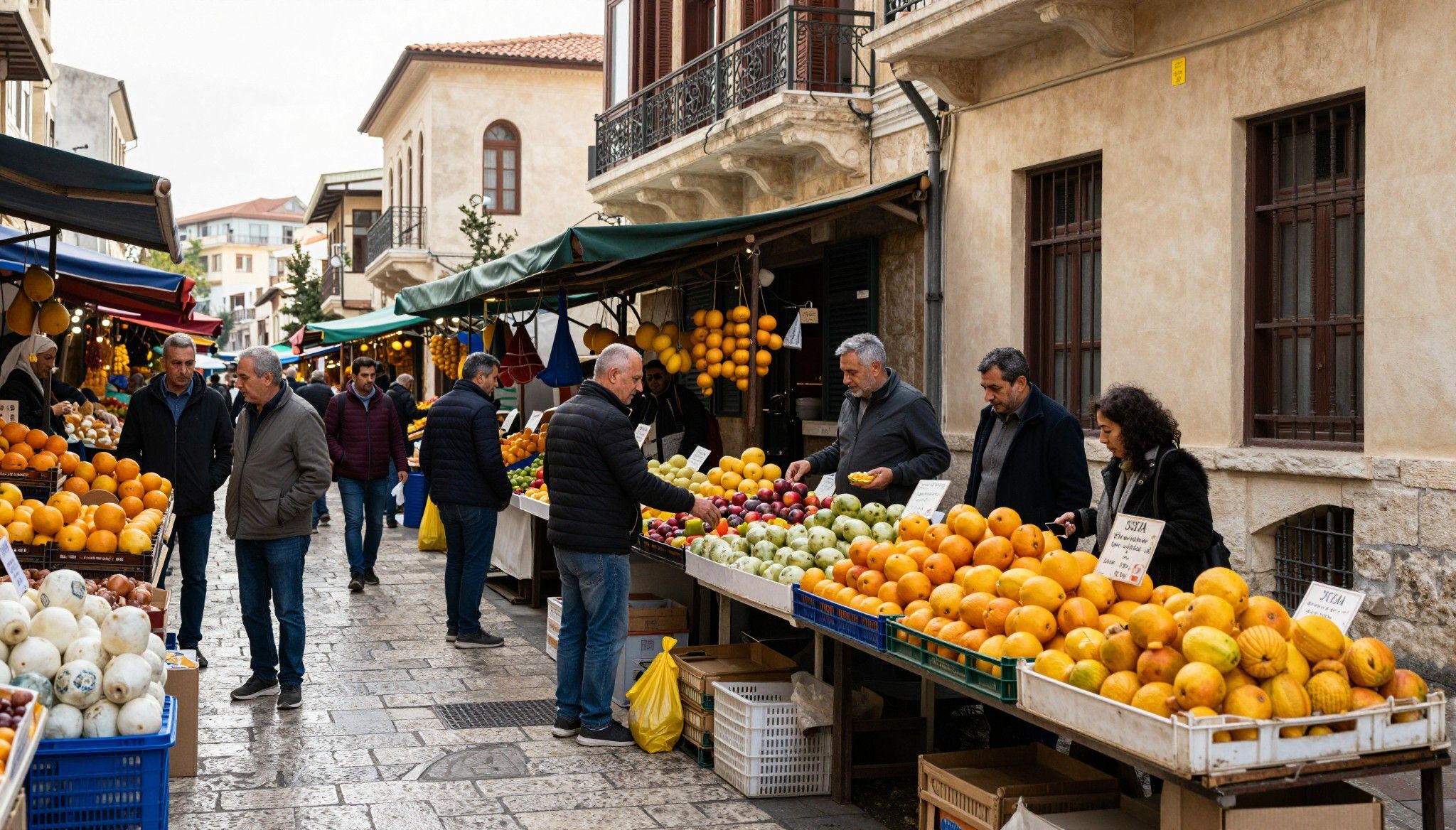
Imagine waking to a ferry horn in Larnaca, pulling a fresh halloumi sandwich from a market stall in Limassol, and spending evenings on a rooftop terrace above old Nicosia lanes. Cyprus rewards slow, sensory living: almond-scented mornings, late-afternoon siestas, and neighbourhood cafes where shopkeepers know your name. But behind this easy rhythm sits an unusually complicated property system — one that can turn a seaside dream into a legal headache if you skip the right checks. This guide pairs the island’s lived pleasures with the paperwork reality so you can fall for Cyprus honestly, then buy it intelligently.
Living Cyprus: sunlit rhythms and local corners
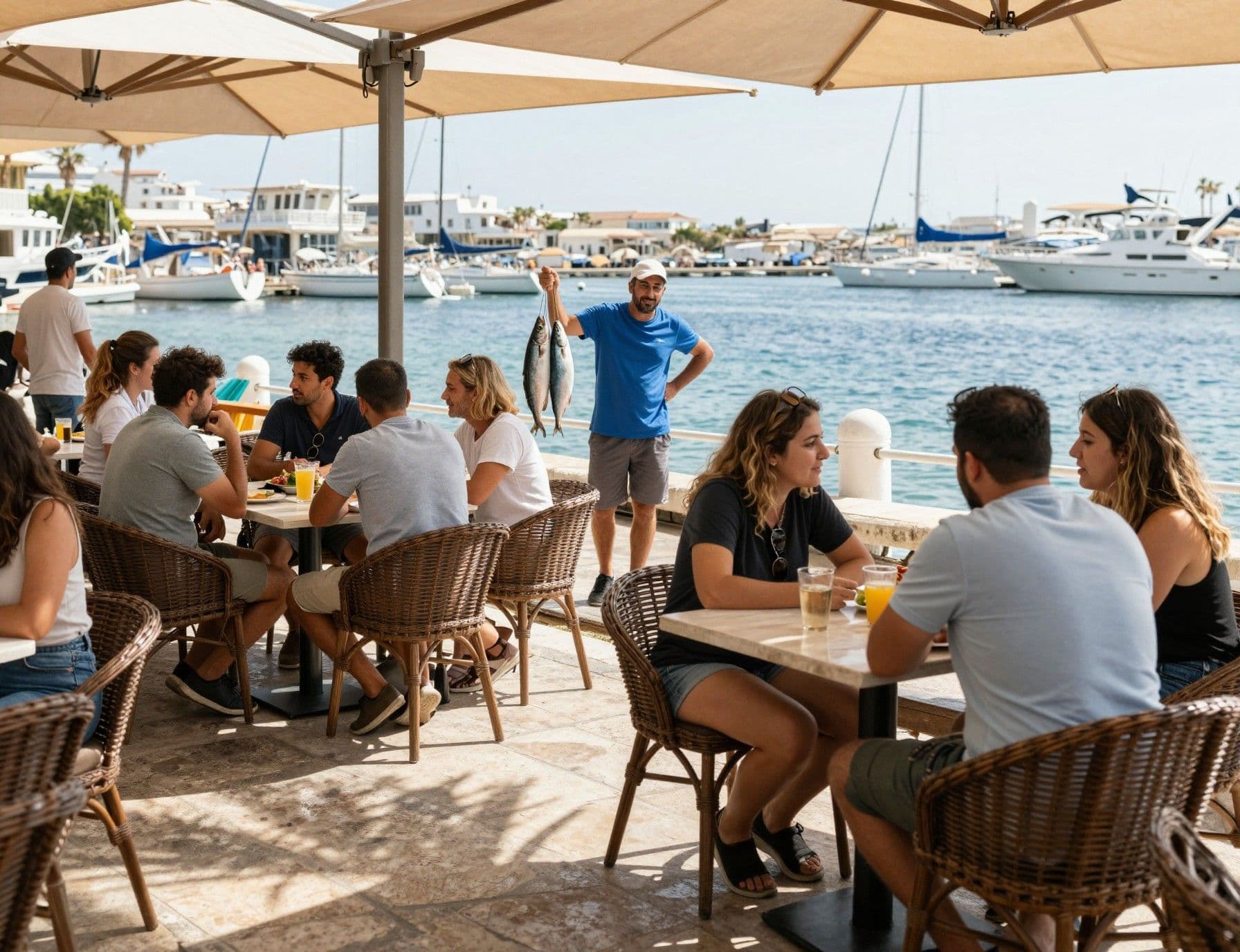
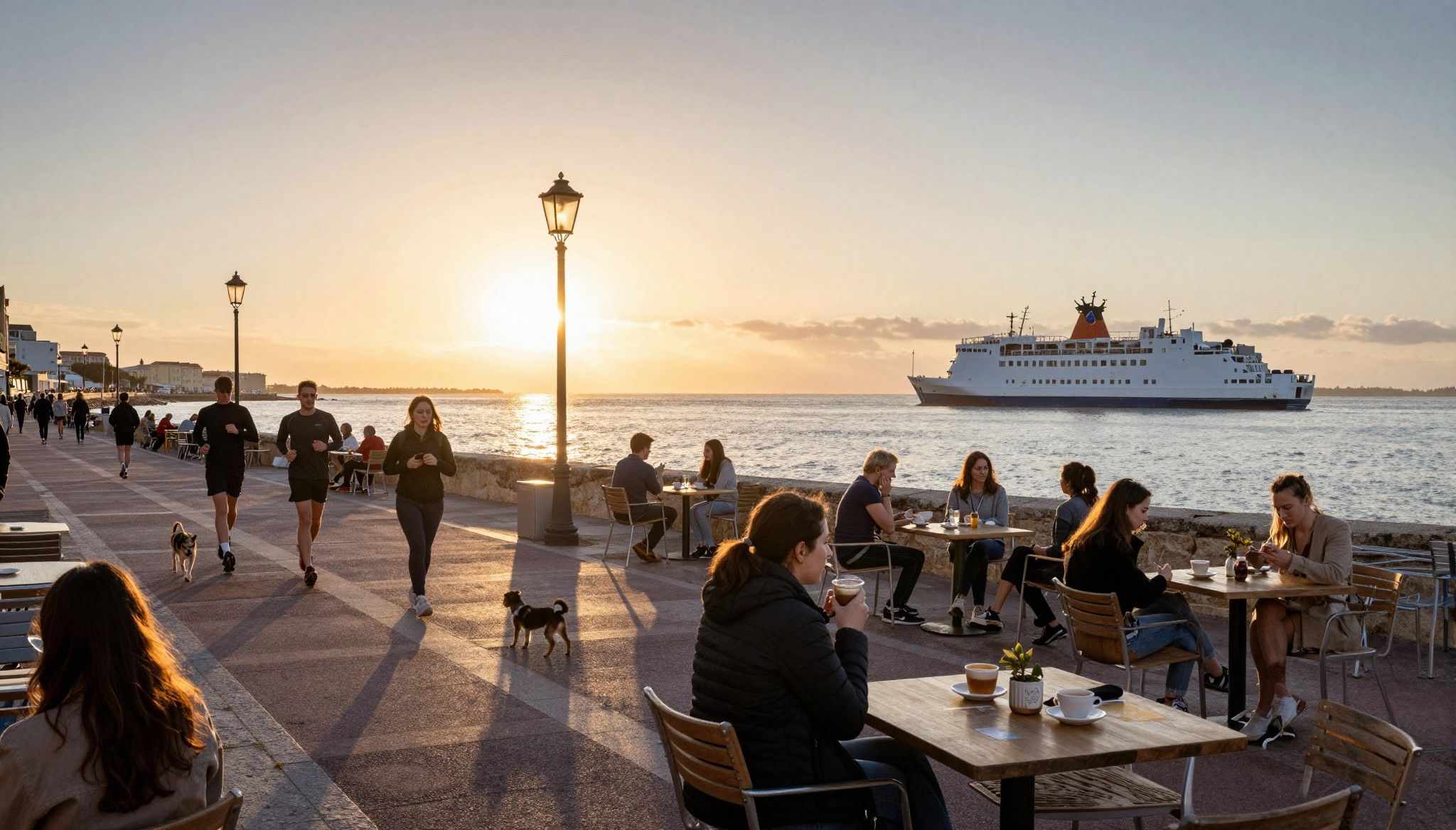
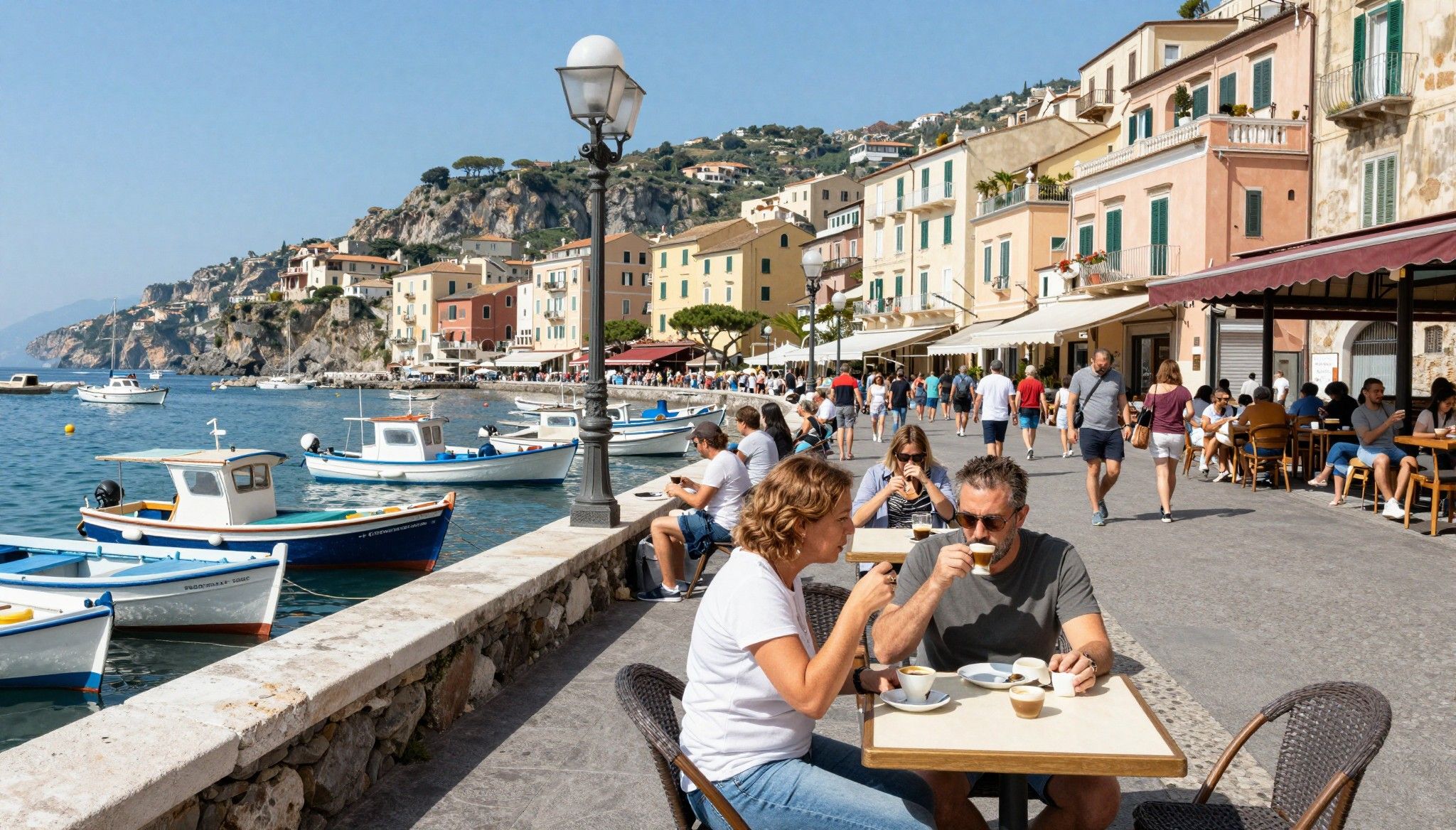
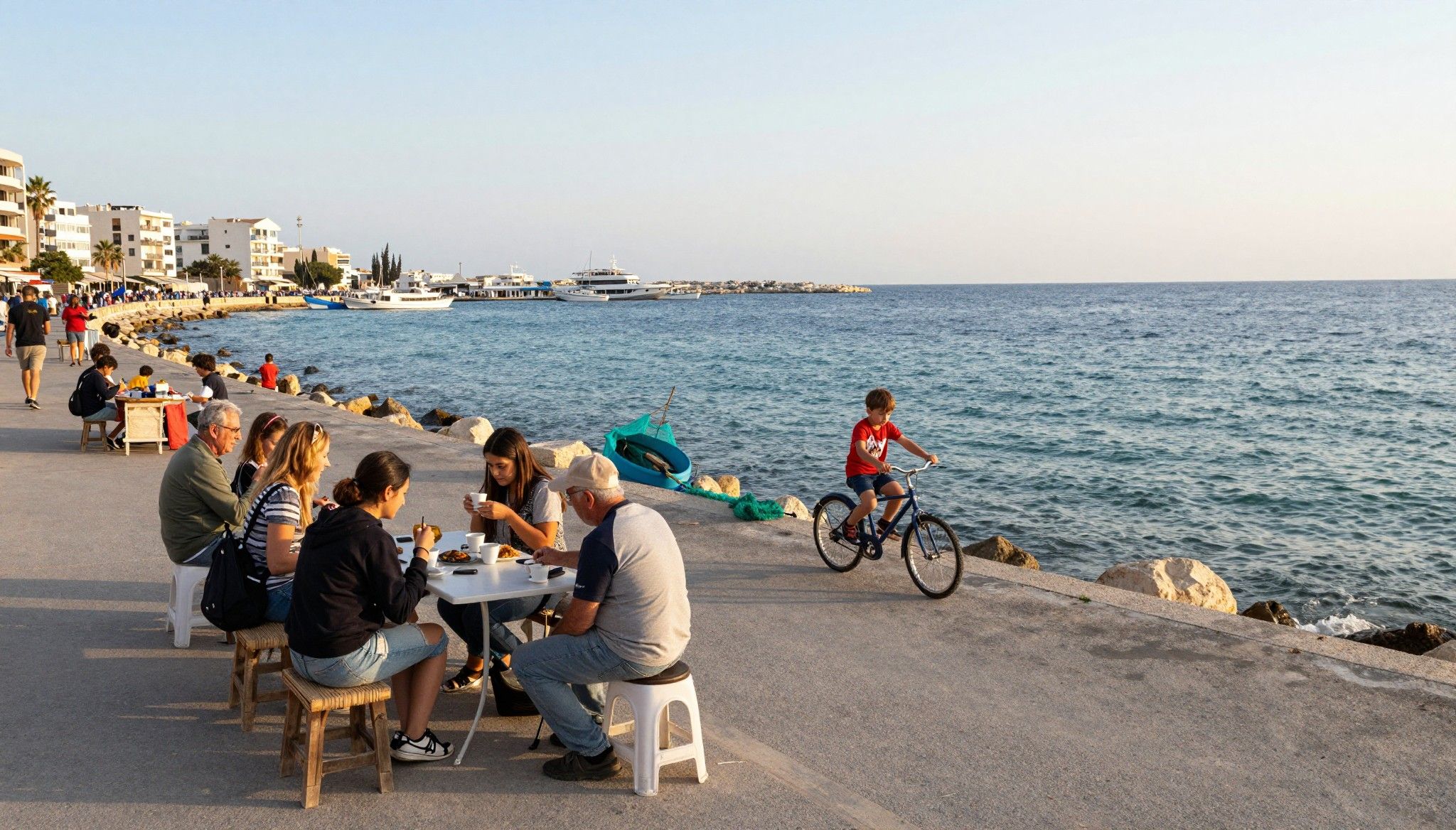
Cyprus life moves between the Mediterranean coast and a surprisingly varied interior. On the coast—you’ll find marina-side promenades in Limassol and quiet coves around Paphos—days are structured around water: morning swims, late cafés, and alfresco dinners. Inland, villages like Omodos and Platres offer stone mains, monastery bells, and a markedly slower pace. For buyers, lifestyle choices are tightly coupled with micro-market realities: proximity to beaches or international schools shapes resale demand, while mountain villages demand renovation patience but reward with lower entry prices.
Coastal draws: Limassol, Paphos and Ayia Napa
Limassol blends yacht marinas, buzzy cafés on Franklin Roosevelt, and new high-rises focused on expat living. Paphos still sells the quieter fantasy—medieval lanes, fishing harbours, and family-run tavernas near Kato Paphos. Ayia Napa is (still) the party coast, but quieter pockets like Cape Greco offer year-round nature for hikers and renters seeking short-term holiday lets. Each coastal town delivers a different rhythm; pick the one that matches how you want to spend mornings, not just how it looks on Instagram.
City life & Nicosia’s layered character
Nicosia is where policy, banking and regulatory conversations happen—useful if you plan to follow market signals closely. The north-south divide gives the capital an unusual texture: restored Venetian walls, narrow streets with neighbourhood bakeries, and a compact urban pattern that rewards walking. Buyers here trade sea views for convenience: proximity to international schools, hospitals, and embassies can make up for a smaller terrace or no pool.
- Local pleasures and practical touches you’ll actually use: Limassol’s Marina promenade; Omodos Sunday market; Kato Paphos seafood row; a morning espresso on Ledra Street; sunset walks at Governor’s Beach; a Thursday farmers’ market in Lakatamia.
Making the move: bridging desire and disclosure

Buyers arrive charmed and optimistic — and then discover Cyprus' long-running 'trapped buyers' problem: people who paid in full yet lack title deeds. This is not a rare quirk: government and local reporting show tens of thousands of properties have been affected and reform efforts were active through 2025. That doesn’t mean you should be scared away; it means you should approach purchases with targeted checks and a local team who knows how to verify deeds, encumbrances and planning history.
Property types and what they mean for living
New developments promise turnkey ease, but older village houses offer character and room to add terraces or gardens. Apartments near marinas often come with high service charges and stronger short‑let demand; rural houses can require substantial works but offer price insulation. Check whether an apartment sits on a fully-registered plan or a shared land parcel; the Department of Lands and Surveys keeps records that matter when titles are being issued or disputed.
- Six practical checks that preserve the lifestyle you buy:
1) Confirm an up‑to‑date title deed and any encumbrances; 2) Ask for the developer’s planning approvals and ‘certificate of conformity’; 3) Verify whether the plot is part of the general registration programme; 4) Check service charge history and reserve funds for apartments; 5) Confirm access roads and utilities are legally registered; 6) Insist on a local escrow or solicitor‑held deposit until transfer conditions are met.
Insider knowledge: what expats wish they’d known
Long-term residents tell a common story: falling for a place first, then learning the legal landscape second. Many long-standing issues—like the trapped‑buyer backlog—have seen legislative attention and partial fixes, but resolution is uneven and often regional. That’s why successful expats combine lifestyle scouting (cafés, schools, coastlines) with a short due-diligence checklist and a local lawyer who speaks both your language and the land registry’s.
Language, community and practical integration
English is widely spoken in Cyprus, and expat enclaves form quickly around international schools, marinas, and popular villages. Still, learning basic Greek phrases opens doors in local markets and speeds up administrative tasks. Community life—taverna nights, church festivals, and village markets—will shape your social calendar more than property features, so visit at different times of year to feel the real tempo before committing.
- Red flags to notice on viewings:
Seller reluctant to show the title deed; developer unable to provide conforming planning paperwork; multiple listings for the same plot; unclear access rights or private road disputes; unusually low price with cash-only terms.
In short: Cyprus sells a life—sun, food, and neighbourhood warmth—but its property market asks you to pair romance with scrutiny. Price indices published by the Statistical Service and Central Bank show steady demand in coastal and urban markets, yet unresolved title issues and complex registration histories remain a practical concern. Work with local agents who can translate lifestyle preferences into verifiable property attributes, and insist on documentation before you fall in love with fixtures.
Next steps: visit the neighbourhood at least twice, bring a solicitor who can read land registry entries, ask an agent for a recent title‑deed extract before offers, and plan visits outside high season so you see the year-round rhythm. If you want help matching a lifestyle brief—marina mornings, village afternoons, or city convenience—we’ll connect you with vetted local advisors who treat transparency as part of the service. Fall for Cyprus, then buy it with your eyes open.
Danish investment specialist who relocated to Costa del Sol in 2015. Focuses on data-driven market timing and long-term value for Danish buyers.