Italy’s Coast: Why ‘Too Expensive’ Is Often Wrong
Coastal Italy isn’t uniformly expensive — regional micro-markets, seasonality and connectivity create unexpected value for international buyers.
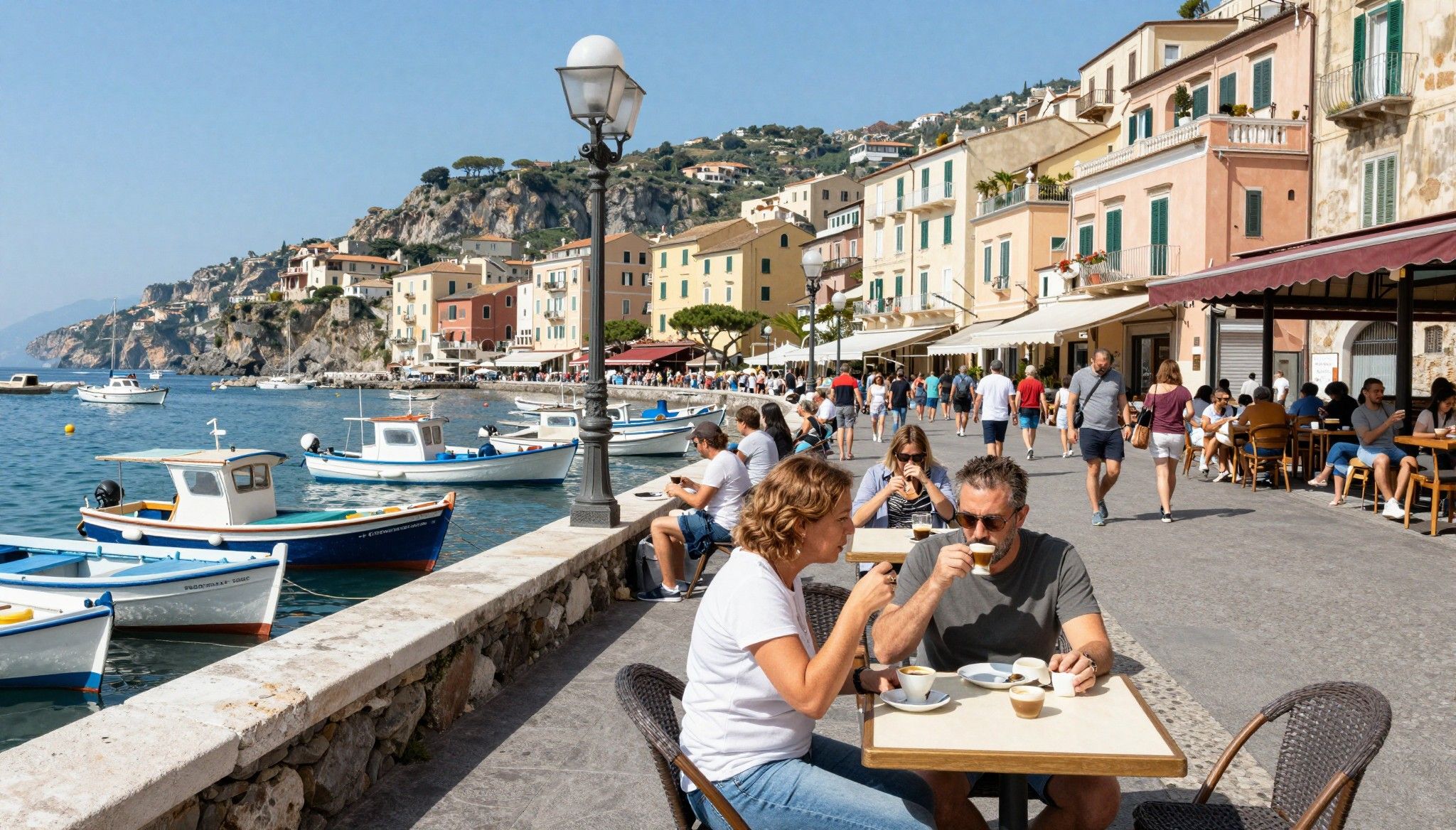
Imagine sipping an early-morning espresso at a granite-topped café on Viareggio’s seafront, then driving 30 minutes to a sun-drenched, stone farmhouse on the Tuscan coast. Italy’s coastal life is that split-screen: piazzas with ritualized pace and shorelines that demand you slow down. Many international buyers arrive with a single worry — the coast is “too expensive” — but the truth is more interesting: price layers, seasonal flows, and regional quirks create surprising pockets of value. We’ll show you where the myth of uniform coastal premium fails, which micro-markets quietly undercut expectations, and how to match the life you want with properties that make sense financially.
Living the Italy coast life
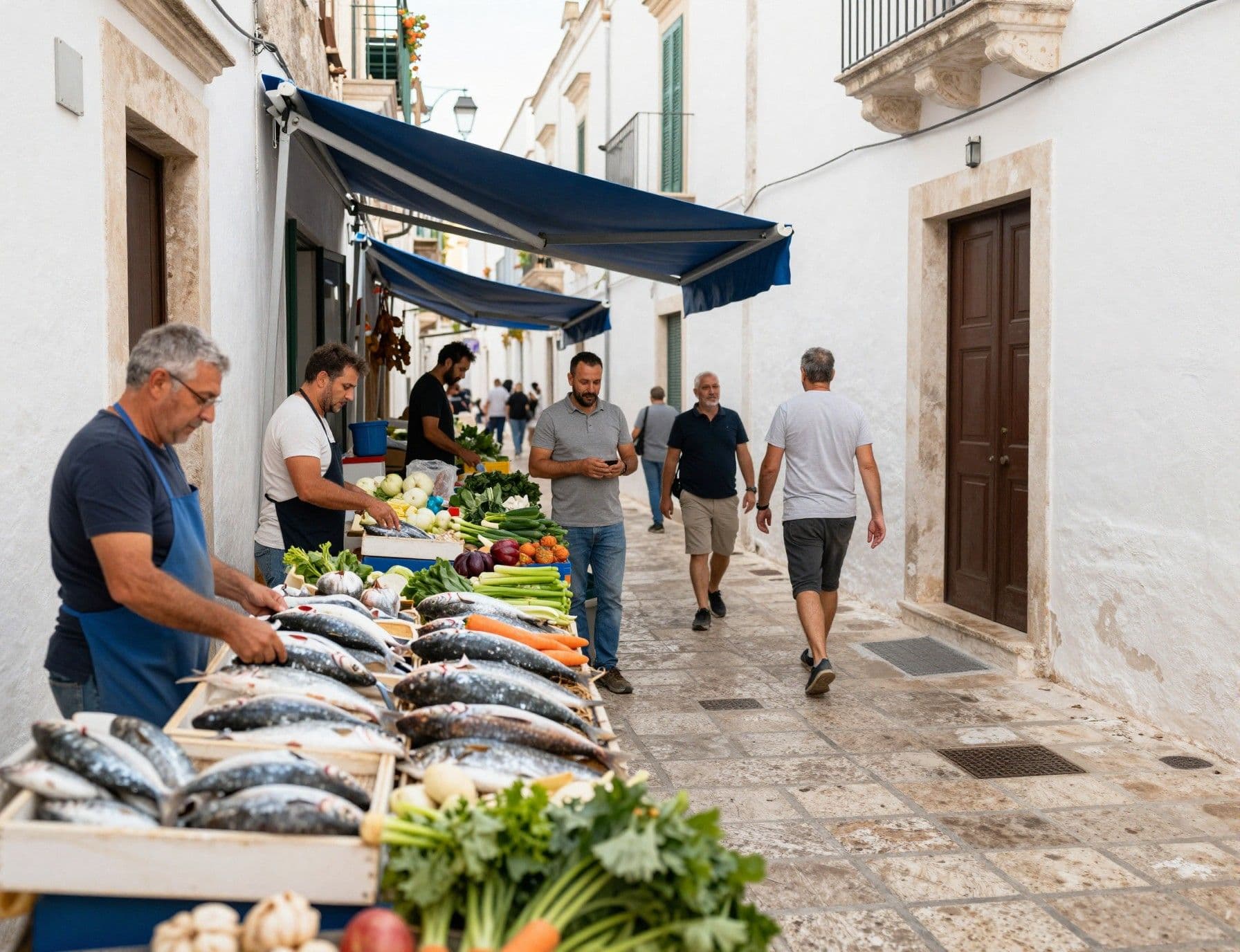
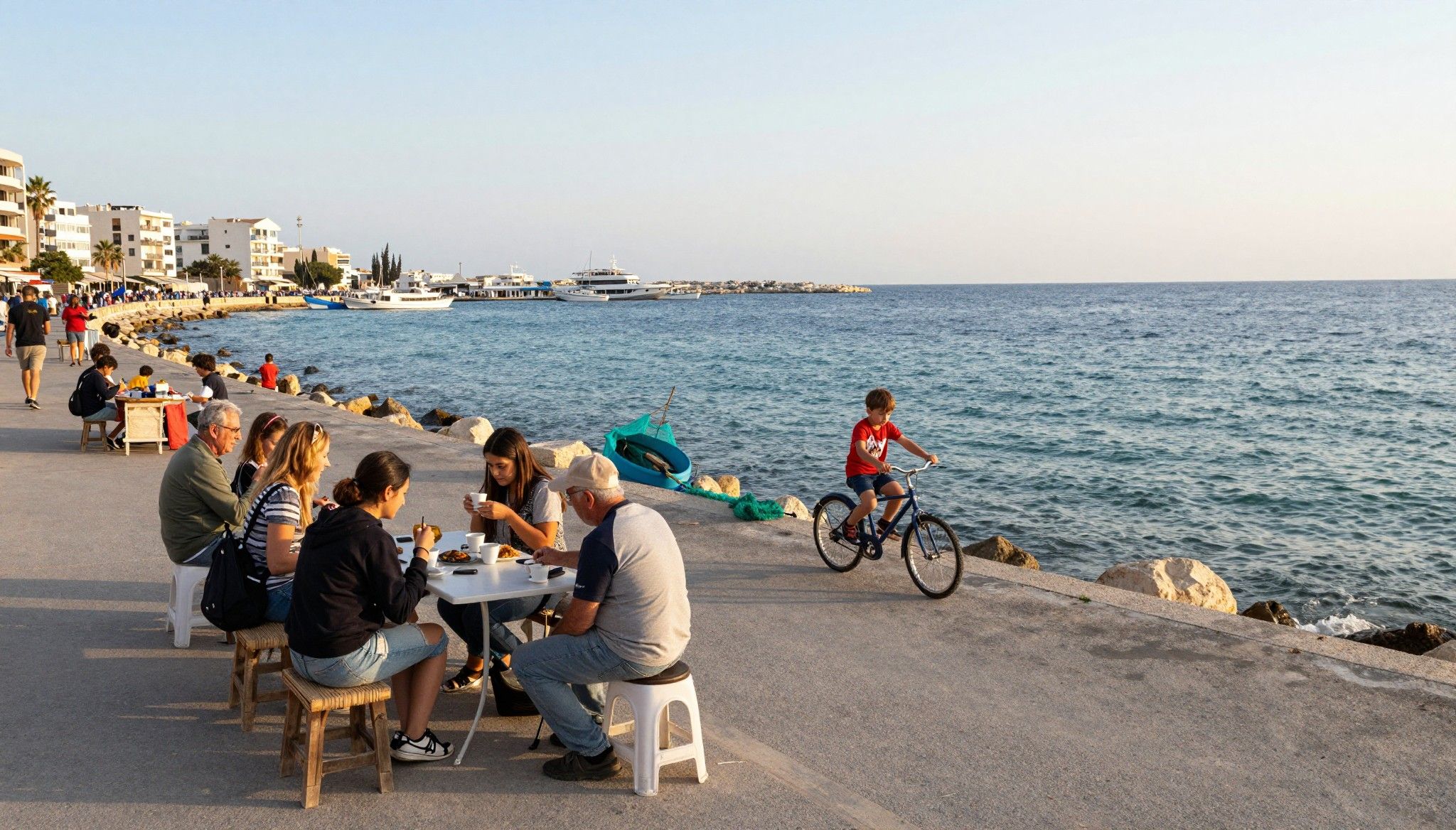
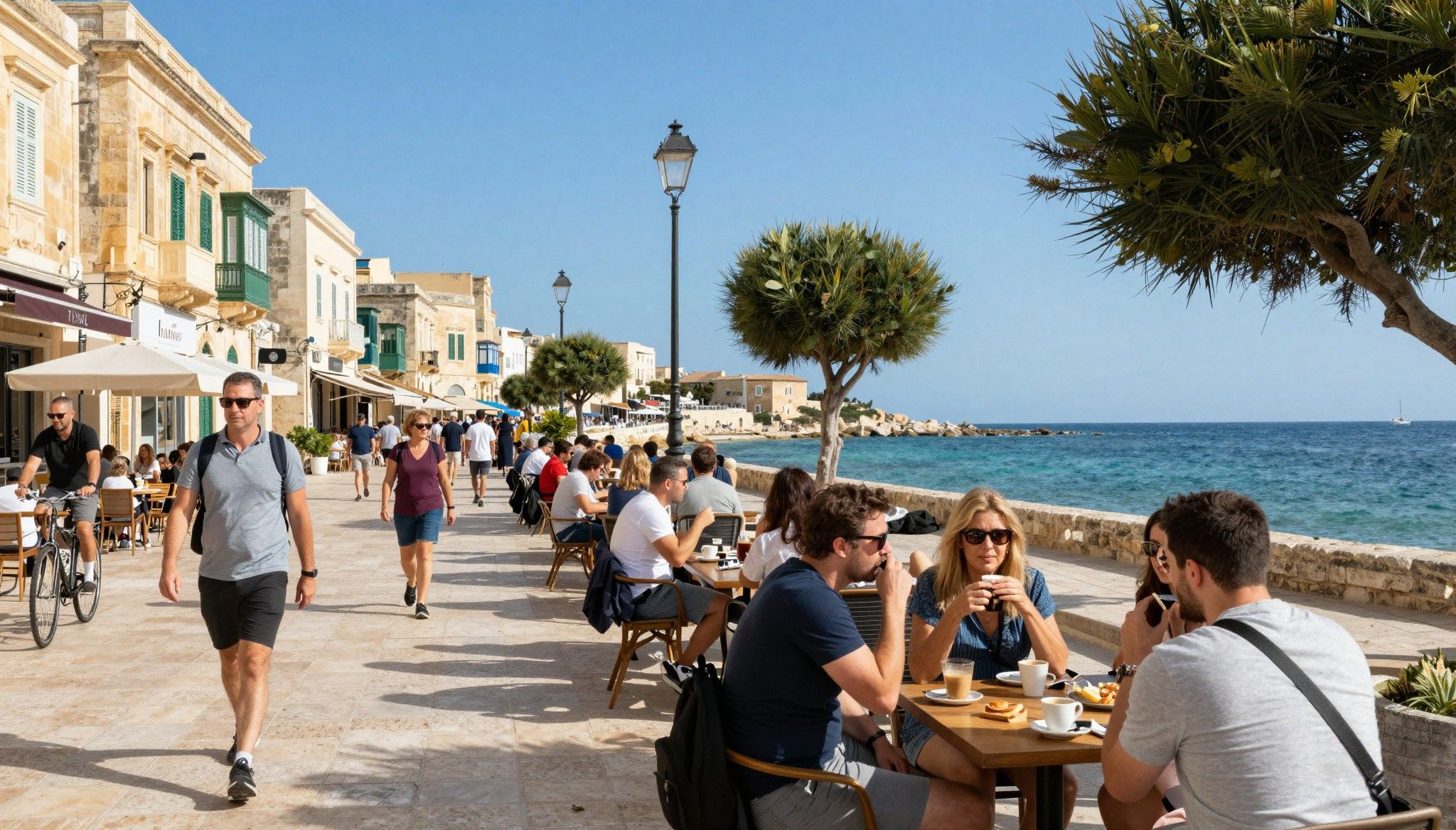
Living on Italy’s coast rarely feels like a postcard all day — it’s textured. Mornings begin with markets: fishermen hauling boxes in Naples, truffle sellers near Ligurian markets, and vendors on Palermo’s Ballarò calling out the day’s catch. Afternoons might be swim-and-siesta rhythms on Sardinia’s quieter beaches, or promenades on Liguria’s narrow, cliff-side streets. Evenings are for aperitivo on terraces, neighbourhood trattorie where the menu changes with the fishermen’s haul, and small festivals that pull entire towns into the streets.
Micro-markets that surprise
You probably know Amalfi, Portofino and Costa Smeralda — and they are expensive for good reasons. But stretch the definition of “coast” and you find under-the-radar markets. Sardinia offers quieter luxury pockets and accessible inland villages; Puglia gives long sandy coasts with lower square‑metre prices; parts of Sicily undercut mainland premiums while offering dramatic seaside life. These micro-markets shift by accessibility and seasonality, not by coastal label alone. Recent regional research shows Sardinia’s renewed attractiveness is driven by policy and quality-of-life investments rather than blanket price inflation.
Food, markets, and the rhythm of place
Buyers fall in love fast because every place gives a sensory script: Ligurian basil, Puglian orecchiette made by a nonna on Corso Vittorio Emanuele, or grilled swordfish on a Sicilian terrace. Weekends revolve around open-air markets (Mercato Centrale in Florence or Palermo’s Vucciria) and local sagre where entire towns celebrate one ingredient. This daily ritual culture affects property life: kitchens and terraces become the heart of a home, while proximity to a piazza or market often matters more than a view.
- Lifestyle highlights we look for on the coast: - Morning fish markets: Palermo’s Ballarò or Naples’ Porta Nolana - Terraces facing gentle harbors: small ports in Liguria and Puglia - Local festivals (sagre) tied to food and community - Accessible regional airports or train links for seasonal living - Preserved historic centres with quiet residential streets - Nearby artisan food producers and weekly markets
Making the move: lifestyle meets reality
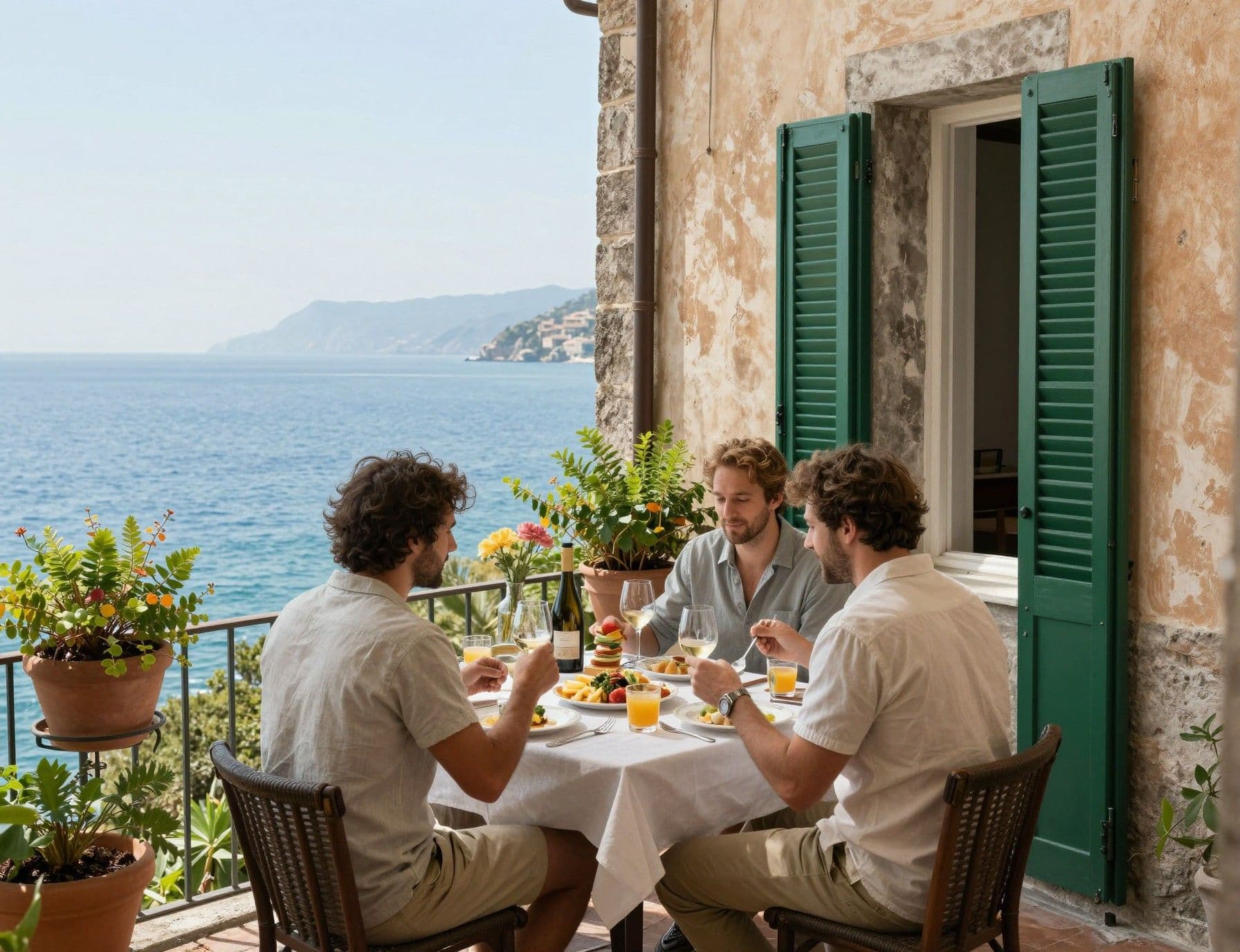
Want the sea without paying Amalfi prices? Start with data, then walk the streets. National figures show modest price growth across 2025 and early 2026, led by existing stock and city demand rather than coastal uniform rises. OMI (Agenzia delle Entrate) and ISTAT report house-price increases concentrated in urban and highly touristic enclaves, while many coastal provinces saw varied movement. That means opportunity: with the right local knowledge you can find coastal towns with lifestyle appeal and price trajectories divorced from headline hotspots.
Property types and how you'll live in them
Coastal Italy offers a bouquet of property styles: pied-à-terre apartments in Genoa and Naples, converted fishermen’s houses in Liguria, agriturismi and stone farmhouses within half an hour of the sea, and modern villas on Sardinia’s quieter shores. Each answers a lifestyle question: do you want life in a lively centro storico with little outdoor space, or a villa with a garden and twice-monthly village life? Architecturally, older stone homes demand different maintenance and planning permits than new builds — plan for renovation timelines if you choose authenticity over turnkey.
How local experts translate lifestyle into listings
- Steps we recommend with a local agency who knows the coast: 1. Map the lifestyle first: list daily rituals (market, beach, cafe) and essential services (airport, hospital). 2. Shortlist micro-markets that match those rituals; ignore the coastal brand and focus on access and seasonality. 3. Inspect properties across seasons when possible — winter reveals structural issues and neighbourhood rhythm. 4. Check OMI quoted ranges for the zone, then compare portal asking prices to transacted OMI averages. 5. Ask for recent energy and building-certificates; older coastal homes often need thermal upgrades. 6. Negotiate with a plan: ask sellers for documented maintenance and a realistic timeline for delivery.
Insider knowledge: expat lessons and local quirks
We’ve helped buyers who assumed the coast equals constant tourist energy — then discovered many towns sleep from November to March. That seasonal lull can be a gift or a trap: it reveals community life but also shows maintenance pressures and heating costs. Expats tell us joining local circles — the soccer club, market regulars, volunteer groups — is how a place becomes home. Language helps, but practical goodwill goes further: a neighbor who'll watch plants while you're away is more valuable than a marina berth.
Cultural quirks that change where you buy
In many coastal towns, the centre of social life isn’t the seafront but a hidden piazza behind the cathedral, or a lane with barbers and a bakery. That means a property that looks inward-facing can still be socially rich. Also note local rules: some communes limit short-term holiday rentals to protect community life, which affects yield if you planned a holiday-let strategy. Speak to community associations and your agency about rental regulation — it’s rarely obvious in listing descriptions.
Long-term lifestyle and value considerations
Think five to ten years ahead. Coastal desirability can increase with infrastructure improvements, or get capped by overtourism and planning limits. Data suggests price gains in 2025–26 were stronger for existing stock and well-connected areas, so connectivity often beats picture-perfect isolation when thinking long-term. Balance emotional preference (sunset views, morning beach walks) with structural realities (access, energy efficiency, and maintenance).
- Red flags to watch for before you buy: - Missing or outdated energy certificates and building paperwork - Properties in flood-prone coastal strips without mitigation records - Over-reliance on summer rental income where off-season vacancy is high - Listings with vague boundary descriptions — ask for maps and cadastre references - Communes with strict rental rules that cap holiday lets
If you can, visit outside peak season. Winter inspections reveal damp, heating gaps, and whether a town truly supports year-round life. Bring a checklist that includes energy systems, façade condition, neighbour activity, and distance to essentials. When you find the right place, a local agency fluent in both lifestyle and local regulation becomes the difference between a dream purchase and ongoing disappointment.
Conclusion: The coast is not a single market. Italy gives you choices — vibrant port towns, slow southern beaches, cliff-side villages and modern marinas — each with a different price logic. Fall in love with the life first, then ask the right questions about seasonality, paperwork and connectivity. We’ll help you match that life to a realistic budget and a local team who knows where the myths end and the good value begins.
Swedish expat who moved from Stockholm to Marbella in 2018. Specializes in cross-border legal navigation and residency considerations for Scandinavian buyers.