Cyprus Title‑Deed Reality: Lifestyle Meets Hidden Risk
Cyprus offers seaside mornings and village markets — but title‑deed realities and disclosure gaps change risk. Match lifestyle to clear paperwork before you buy.
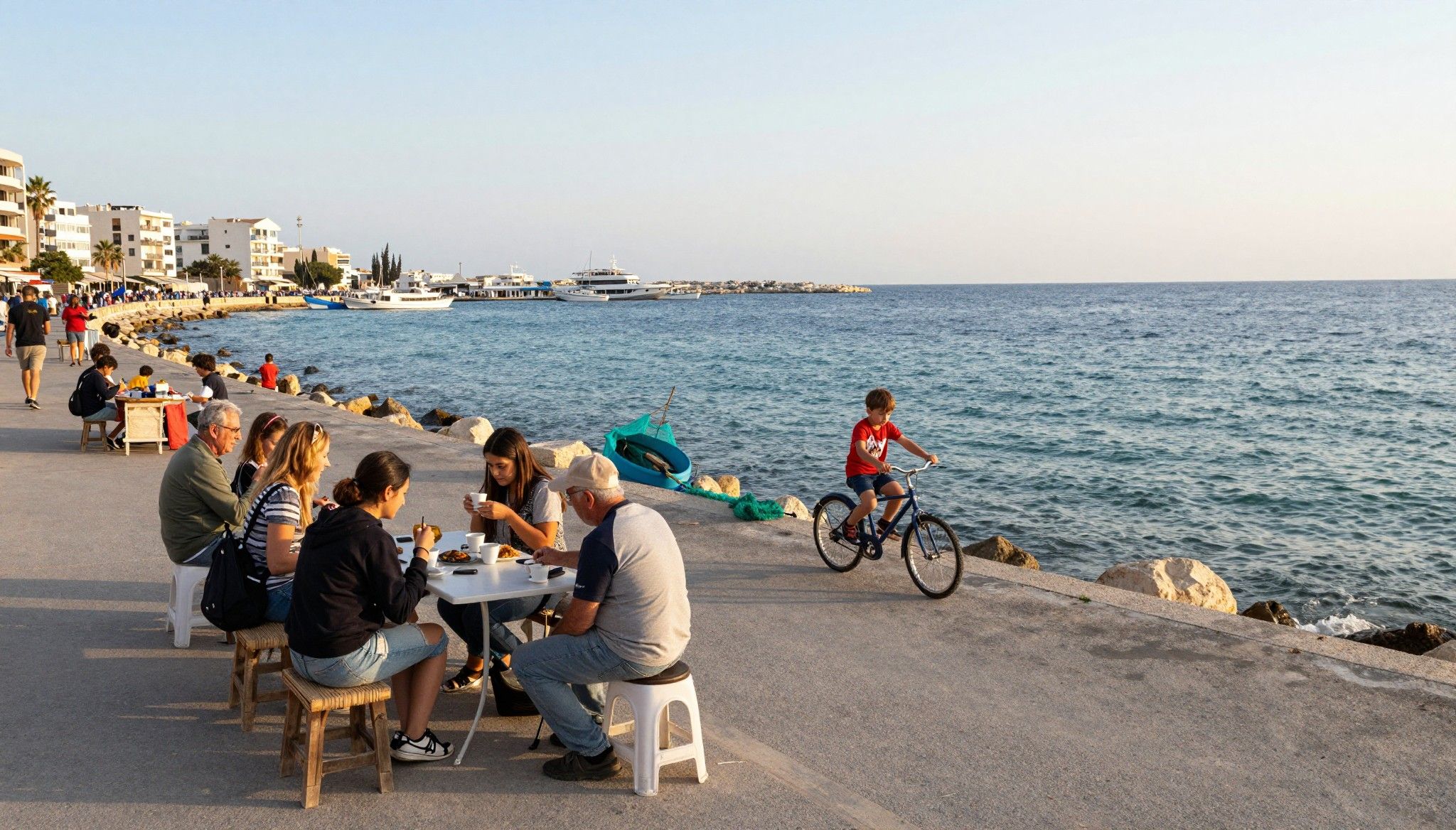
Imagine sipping a late‑morning espresso on a shaded table in Limassol’s old port, the sea-bright light catching on whitewashed shutters while a local baker calls out warm halloumi pies. Cyprus feels small‑town warm and Mediterranean‑sharp at once: villages where everyone greets you, buzzy coastal promenades, and pockets of quiet mountain life in Troodos. For many international buyers the island is a live‑in holiday — beaches, tavernas, and weekday calm — but behind that desirable everyday life are local disclosure norms and title systems that change how safely you can own. This piece blends the life you’ll wake up to with the exact transparency checks you must insist on before signing anything.
Living Cyprus: light, tavernas and real streets
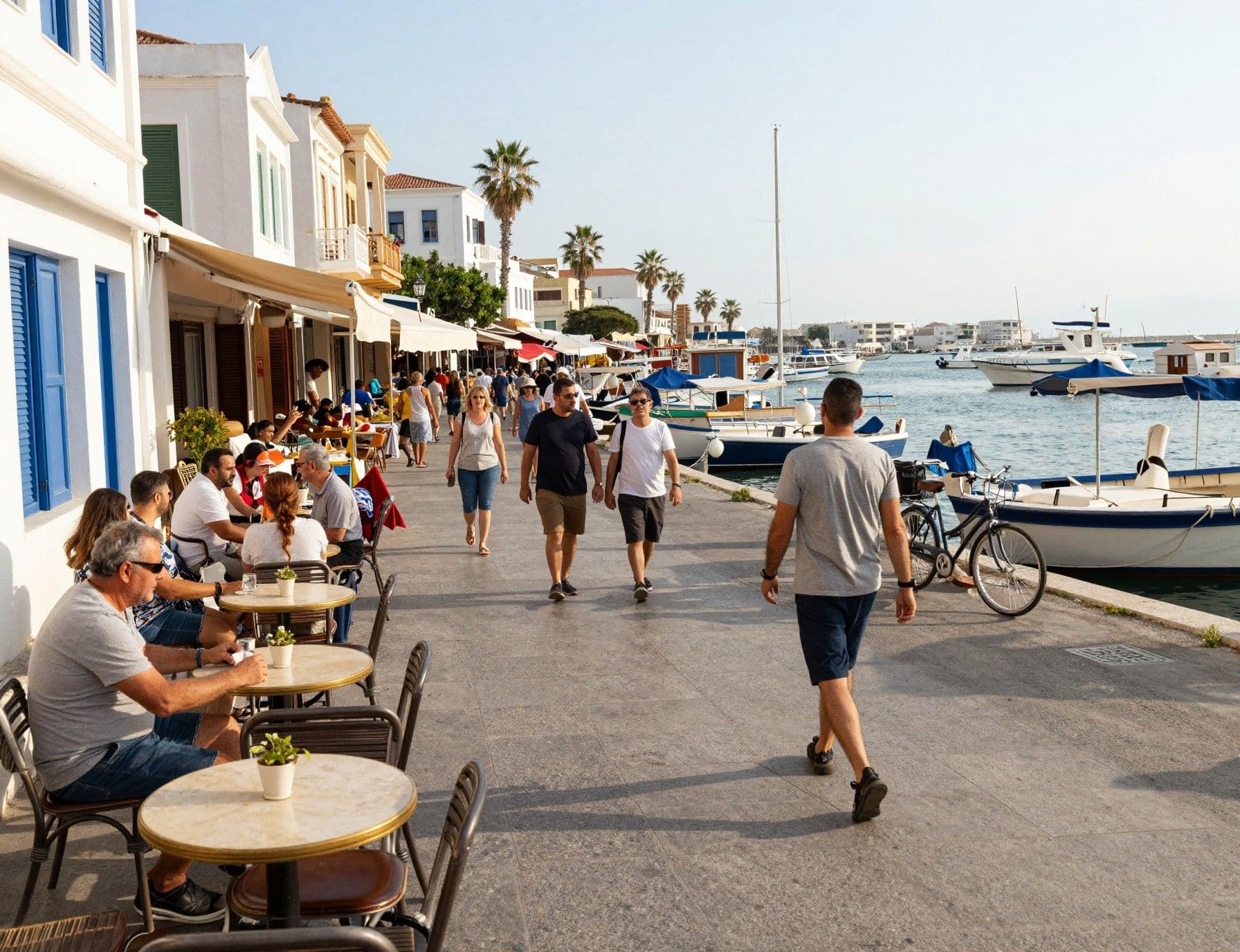
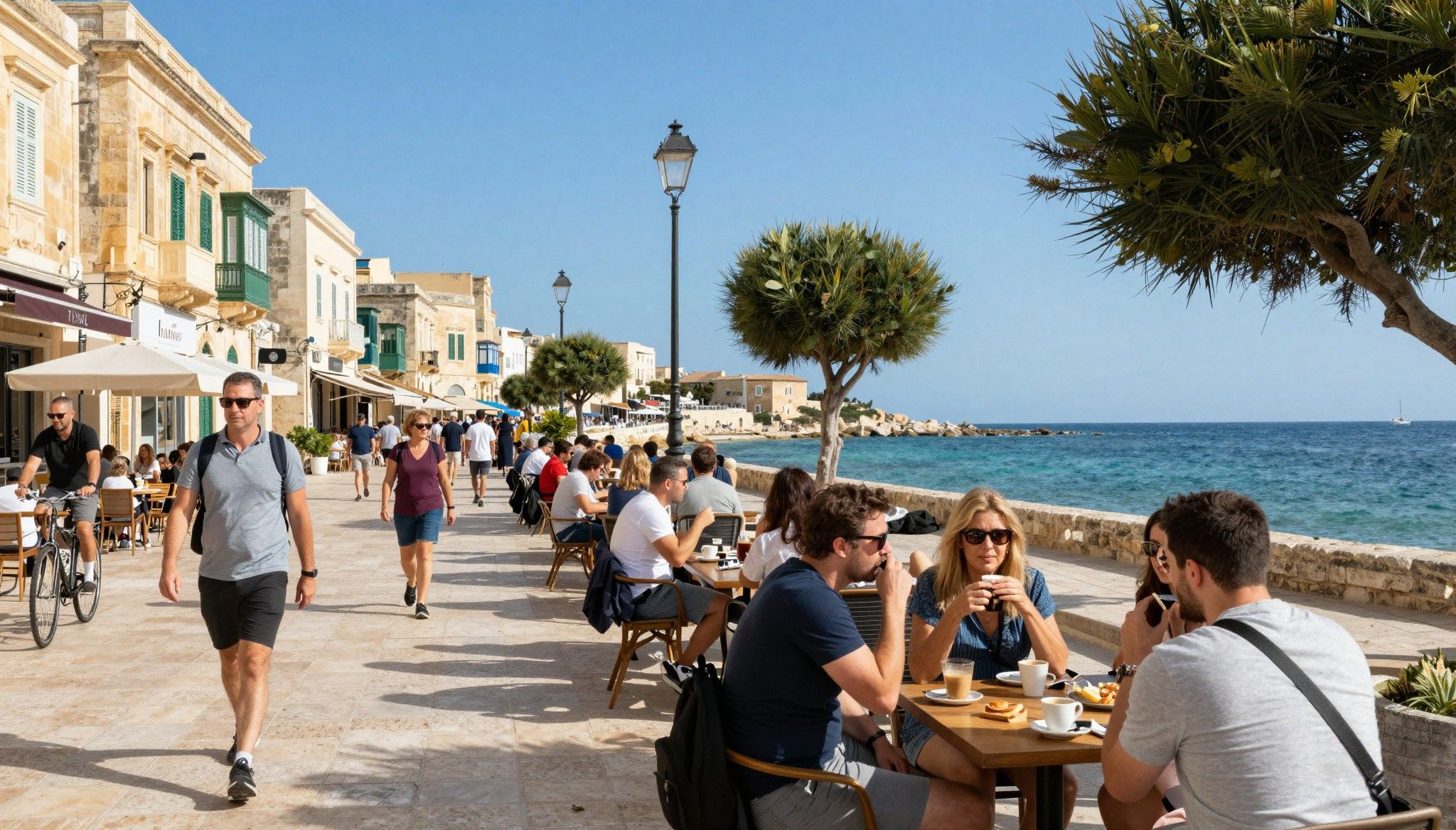
Walkable neighbourhoods shape daily life in Cyprus. In Nicosia’s Ledra and Onasagoras you’ll find morning markets and narrow lanes that stay animated after dusk; Limassol’s Molos and Marina are about seafront coffee and evening promenades; Paphos has a quieter, archaeological rhythm around the harbour and Kato Paphos. Each area has a tempo that affects property choice: the seaside apartment that serves as a summer sanctuary, the village stone house that delivers slower winters, and the new development where community life is still forming.
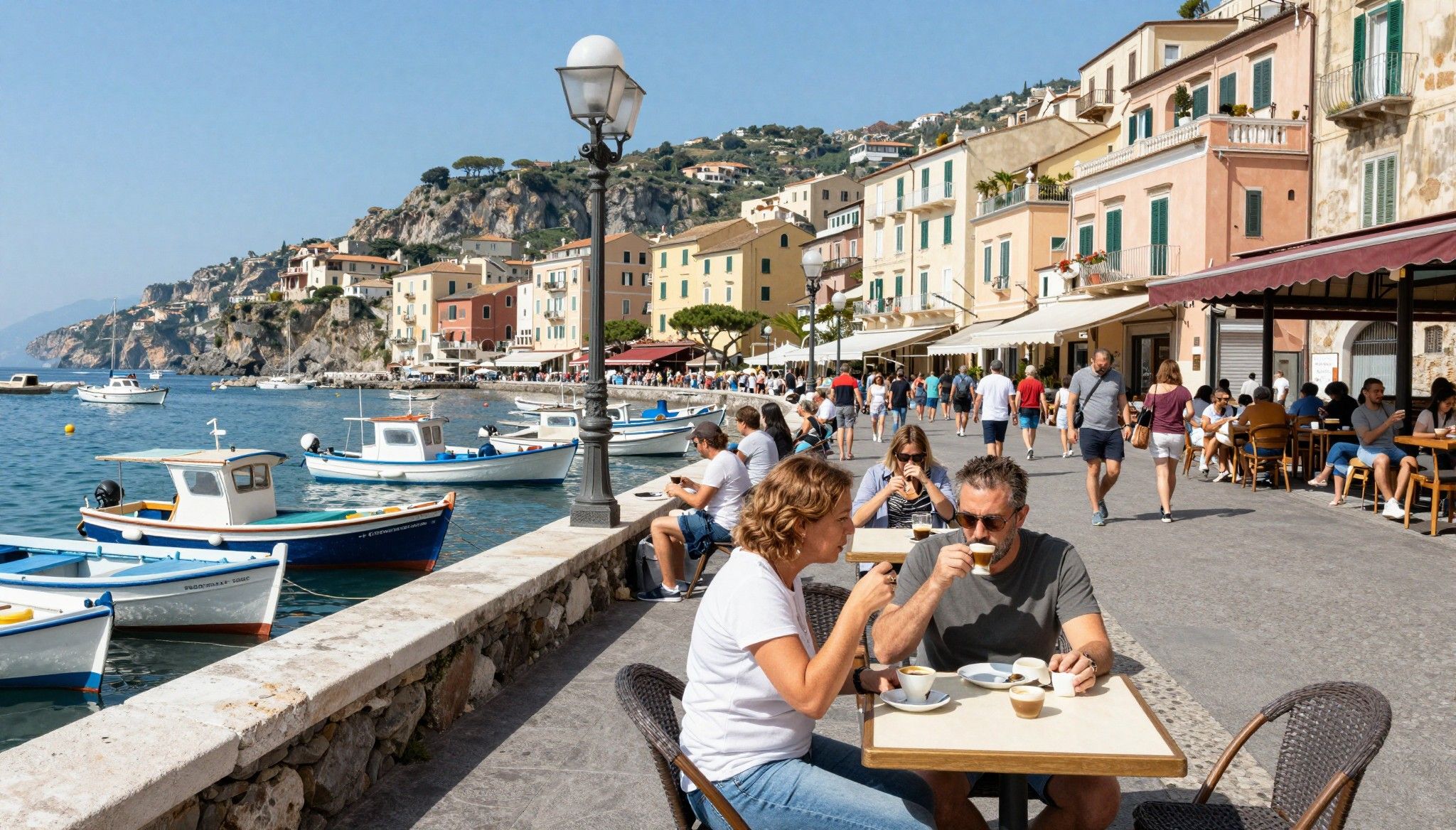
Neighbourhood spotlight: Limassol Marina and Old Port
Picture morning joggers on the coastal path, espresso bars filling with expats and local families, and small fish tavernas serving fresh catch by noon. Limassol’s marina neighbourhood mixes yachts, modern apartments and a surprising number of hidden lanes with traditional bakeries. This mix explains why apartments here command a premium — lifestyle demand is concrete — but it also means you must verify whether a property has a clean title or sits in a development still awaiting final approvals.
Food, markets and seasonal rhythms
From Larnaca’s Sunday market to street grills in Protaras, food anchors neighbourhood life and property choice. Seasonal festivals — Easter processions in mountain villages or summer concerts at Paphos Harbour — inflate short‑term rental demand and affect when communities feel alive. If you rely on rental income, understand the calendar: high summer yields are real, but quieter shoulder seasons shape long‑term occupancy and the type of buyer‑neighbour you’ll meet.
- Limassol marina coffee culture — morning espresso and seaside strolls
- Larnaca old town markets — fresh produce and weekday community life
- Troodos villages — olive oil, mountain air and slower winters
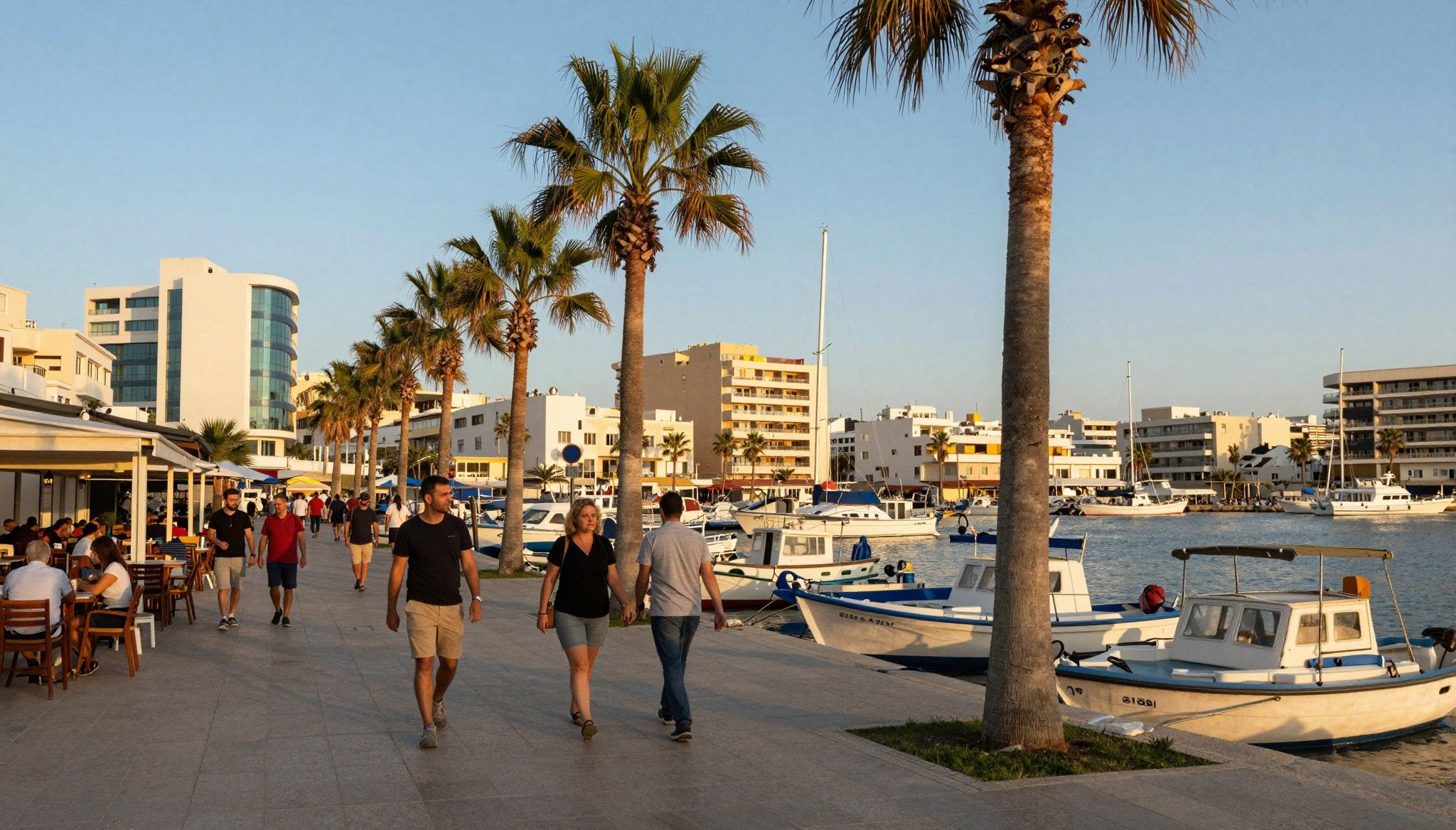
- Paphos harbour evenings — tavernas, archaeology and tourists in season
Making the move: how lifestyle choices map to real risks
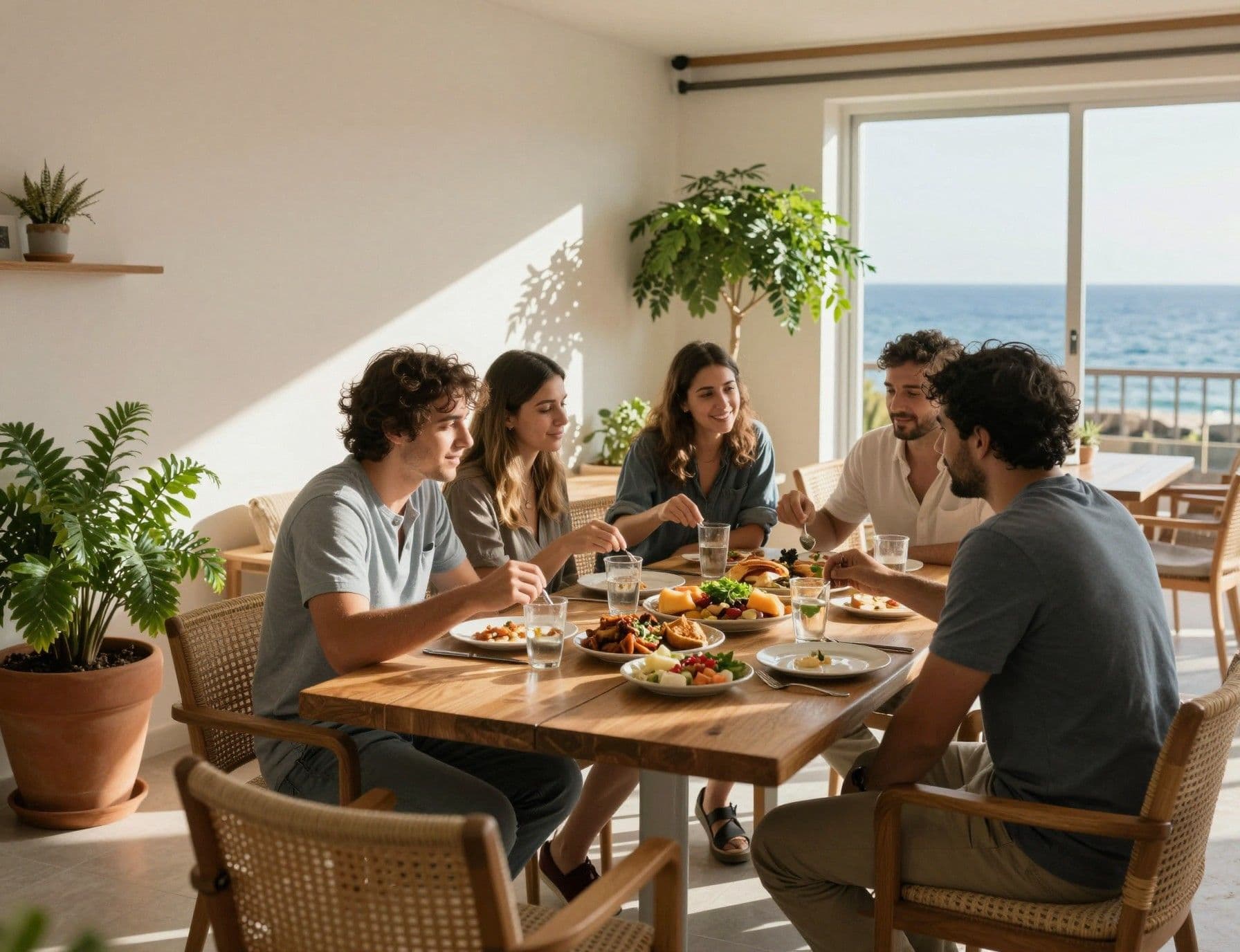
You can fall in love with a terrace view, but Cyprus’s property system treats ownership as a legal act recorded at the Department of Lands and Surveys. A frequently misunderstood fact: a signed sale contract is not equivalent to immediate ownership — depositing the contract with the Land Registry matters for priority and protection. This is where lifestyle aspirations meet transactional reality: if you want a seaside life that’s mortgageable, transferable and saleable later, insist on documented title clarity before committing.
Property types and what they mean for living well
New developments give modern amenities and easy maintenance but sometimes carry delayed final approvals and pending horizontal division that block title issuance. Traditional village houses offer authenticity and often clear legal histories, but may need upgrades to plumbing and insulation for year‑round comfort. For each property type, tie your lifestyle needs (outdoor terraces, year‑round heating, rental setup) to a document checklist: planning permits, certificate of final approval, and the presence — or absence — of a registered title deed.
Local experts who protect the life you want
A good local lawyer, an agent who knows which districts have clean title records, and a surveyor who checks boundaries are essential. We recommend agencies that treat their role as lifestyle matchmakers and paper‑trail guardians: they introduce you to areas that fit your daily life and then insist on title searches and deposited contracts. Transparency is a service — insist your agent explains the risk of deedless discounts in plain terms and shows comparable sales with registered titles.
- Deposit the contract at the Land Registry immediately to protect your claim and prevent the seller from reassigning the property.
- Require a certificate of final approval and horizontal division where relevant; don’t accept a verbal assurance in place of paperwork.
- Ask your lawyer to search for mortgages, memos or other encumbrances recorded against the plot and obtain written confirmation of findings.
- Match lifestyle needs to mortgageability: lenders will often require a registered title before lending; if you plan financing, confirm bank criteria early.
Insider knowledge: what expats wish they’d known
Expats tell the same short list of regrets: underestimating bureaucracy, buying for summer photos rather than winter life, and assuming every agent lists accurate deed status. The market has grown; official indices show steady price growth in recent years, but that headline hides micro‑market differences. Knowing where prices are rising (urban apartments) and where they’re steady (rural stone houses) helps set realistic expectations about resale and rental prospects.
Cultural integration and everyday norms
English is widely used in professional settings, but Greek phrases and local courtesies smooth daily life and negotiations. Weekends are family and village‑market time; many expats find community through clubs, volunteer activities and local food festivals. Remember: the people you meet define how long you’ll stay — choose neighbourhoods that offer the social life you want, not just the view you crave.
Longer view: how your Cyprus life evolves
Property ownership in Cyprus often shifts over a decade: holiday lets become primary homes, renovations follow family growth, and neighbourhoods gentrify slowly. Choose a property with durable fundamentals — legal clarity, good build quality, and sensible orientation for heat and light — and you’ll keep the lifestyle you fell for. Treat the legal checks not as friction but as the scaffolding that allows the lifestyle to last.
- Check for Certificate of Final Approval before purchase
- Confirm the property’s registration status at the Department of Lands and Surveys
- Match mortgage requirements to title status if you plan to borrow
- Ask your agent for comparable sales where the title was transferred — not just marketed
Cyprus can be the life you pictured: fresh markets, warm neighbours, and long sea walks. But that life thrives only when your ownership is clear. Start with places that match the mornings you want and then insist on the paperwork that protects them. If you’d like, we’ll introduce you to local lawyers and agencies who treat transparency as part of the welcome — not an afterthought.
Dutch relocation advisor who moved to Marbella in 2016. Guides Dutch buyers through visa paths, relocation logistics, and balance of lifestyle with value.