Buy Off‑Peak in Croatia: Timing, Taxes & Legal Traps
Buy Croatia off‑peak: autumn/winter visits reveal true neighbourhood life, shorten legal waits, and clarify taxes — crucial for EU and non‑EU buyers.
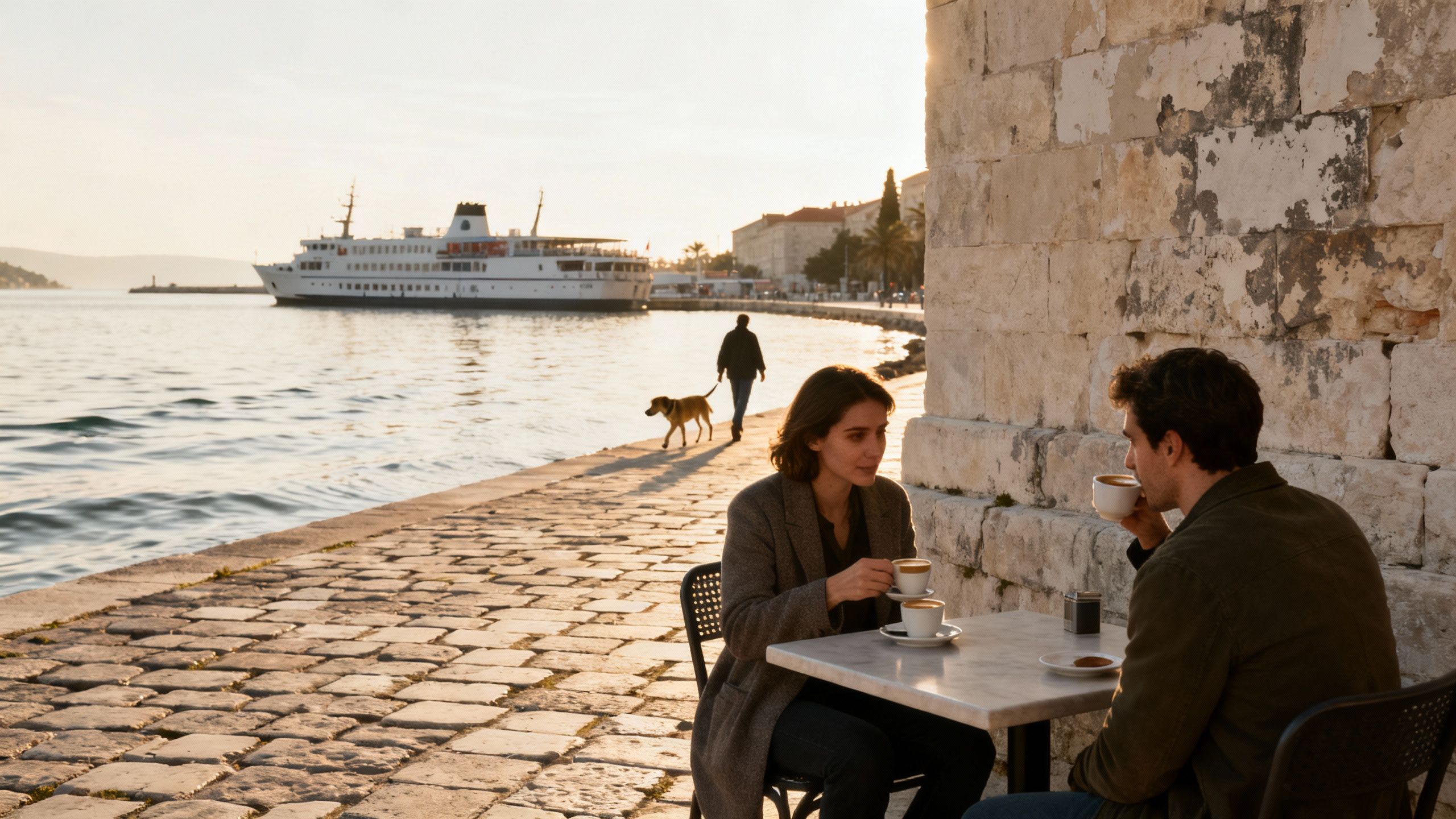
Imagine this: a winter morning in Split’s Veli Varoš, espresso steam in the air, the Riva almost empty and a stone townhouse for sale down a quiet lane. Many buyers arrive in July; the smart ones arrive in November. Choosing when to start your Croatian search changes the legal path you’ll walk, the taxes you’ll face and the negotiating leverage you hold.
Living the Croatia lifestyle — beyond postcards
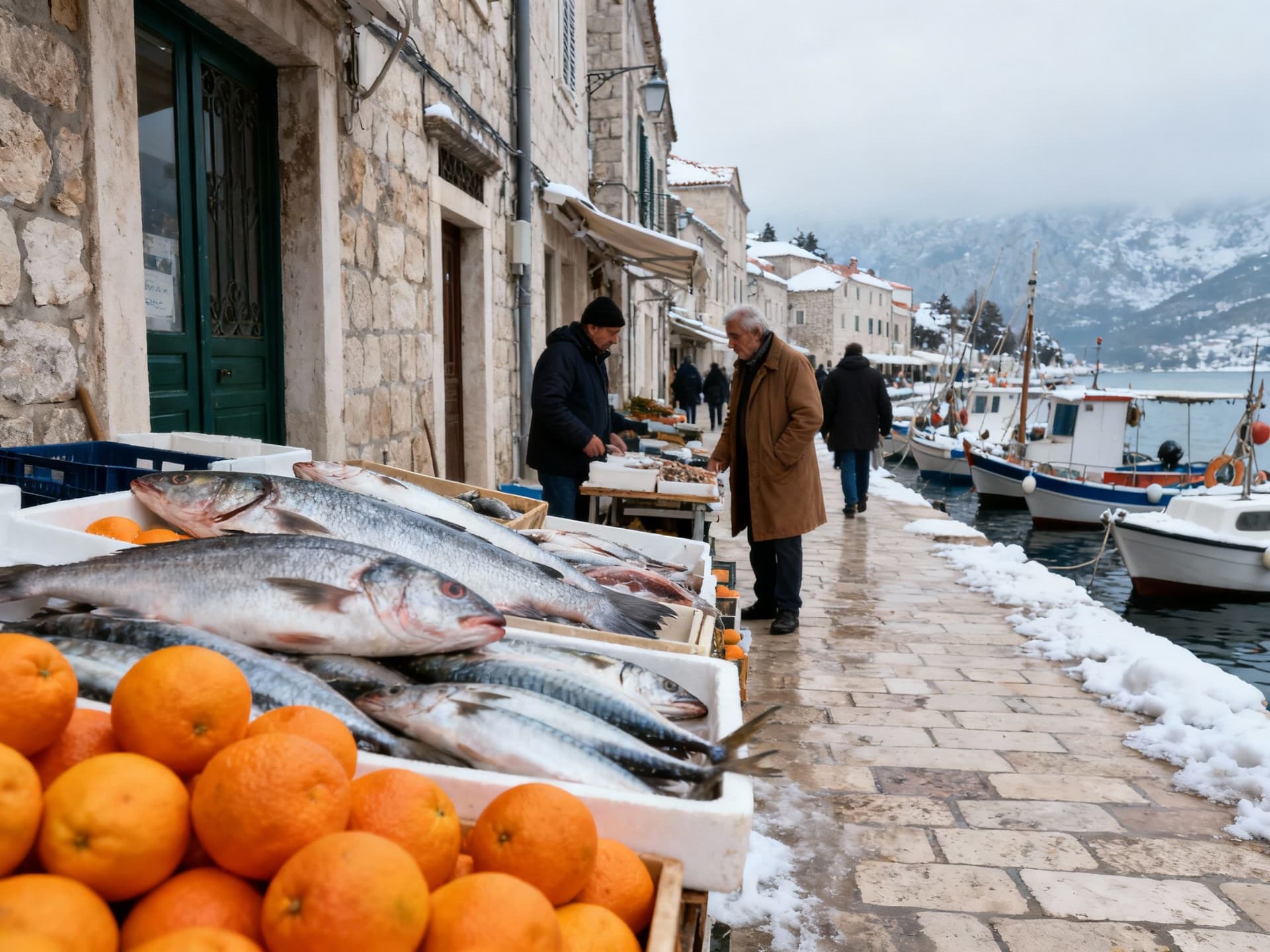
Croatia feels Mediterranean but moves at its own tempo. Mornings begin with café culture — try Café Bar Terra in Split’s Marmontova for a sense of urban rhythm — then afternoons surrender to beaches, olive groves and island ferries. On the Dalmatian coast you’ll trade traffic noise for church bells and boat horns. Inland, Istrian hill towns lean into market Saturdays, truffle season and long communal lunches. The everyday here is tactile: salt air, stone staircases, markets stacked with figs and fresh sardines.
Neighborhood spotlight: Split — Veli Varoš and Sustipan
Veli Varoš is a patchwork of narrow lanes, local konobas and fishermen’s terraces; properties here are small, characterful and often in need of careful title checks. Across the hill, Sustipan offers cliffside parks and larger terraces with Adriatic views. Expect stone facades, low-rise buildings and limited parking; the lifestyle payoff is immediate, but so are renovation surprises and protected‑zone rules.
Food, markets and a calendar that shapes life
Seasonality dominates daily life. Summer festivals fill plazas; winter fish markets feel like a local secret. If you plan to run short‑term rentals, high season generates headline revenue — but it also changes municipal rules, tax enforcement and neighborhood relations. For long-term living, the quieter months reveal how a place really functions: services, public transport and community ties that tourists never see.
- Lifestyle highlights
- Morning espresso on Split’s Riva; afternoon boat to Brač.
- Saturday markets in Pula and Istrian truffle weekends.
- Summer festivals in Dubrovnik, winter calm on the islands.
Making the move: timing, legal realities and tax context
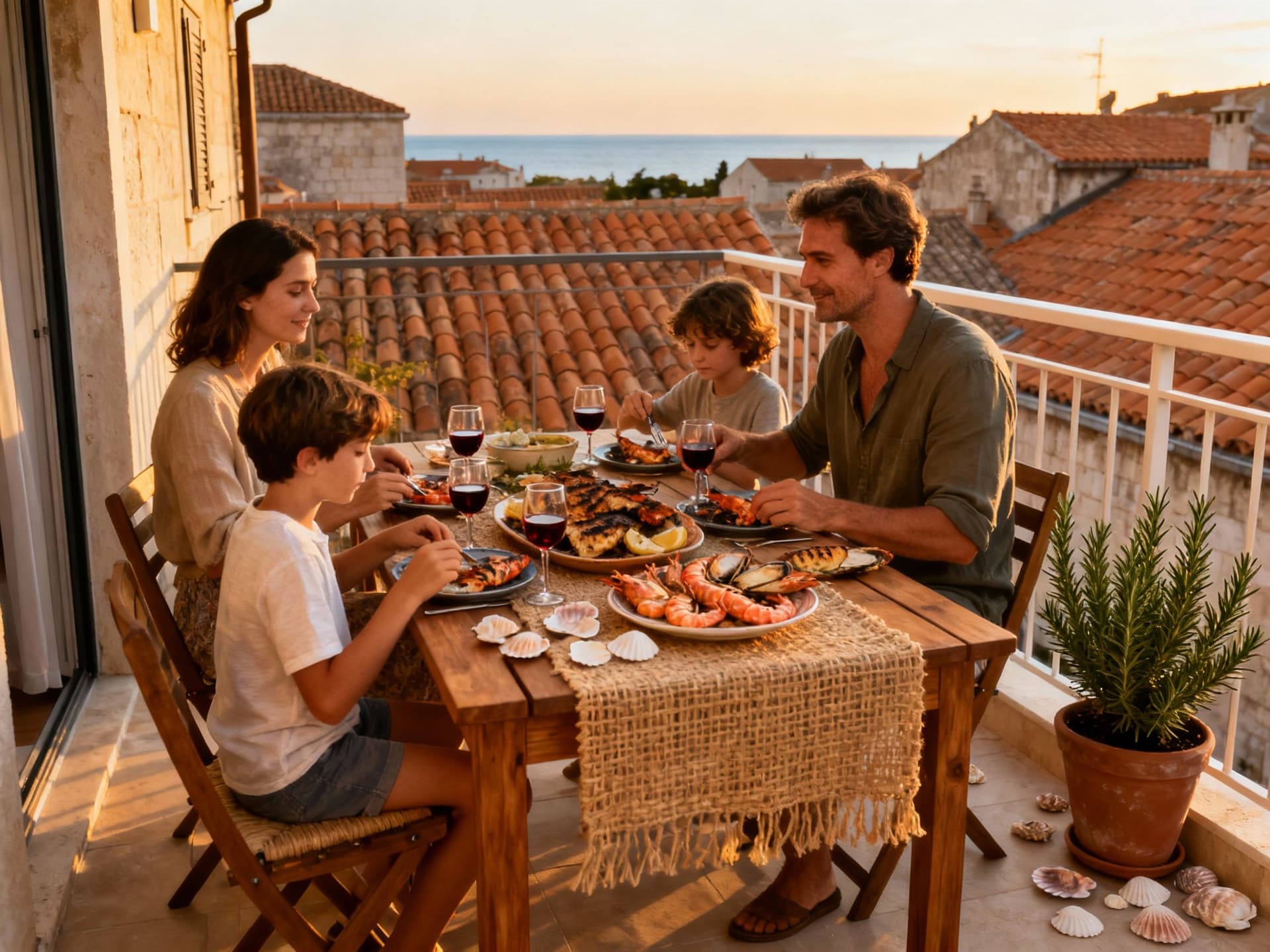
Living the lifestyle is step one. Step two is legal clarity. Croatia lets EU/EEA citizens buy mostly without restriction; non‑EU buyers typically need Ministry of Justice approval and face limits on agricultural land. The 3% real‑estate transfer tax and the VAT regime for new builds are essential when structuring purchase offers. Timing your visit outside peak season often gives you clearer access to notaries, lawyers and municipal staff — and can shorten administrative waits.
Property types and what they mean for legal checks
Stone apartments, coastal villas and rural plots each carry different legal priorities. Coastal apartments: check cadastral entries, tourist‑use limitations and condominium minutes. Villas: verify coastal setback rules and potential protected‑area restrictions. Rural plots and agricultural land: non‑EU buyers usually cannot buy these directly without special permission or a domestic company structure. A solicitor who reads land registers is indispensable.
Working with local experts who preserve the lifestyle
- How an experienced local team helps
- Arrange a trusted notary and lawyer early — they secure title, check encumbrances and request Ministry consent when needed.
- Ask an accountant about VAT vs. transfer tax for new builds; the wrong assumption can add 20–25% to transaction costs.
- Use a local agent who knows seasonal rental rules and municipal enforcement — enforcement tightens after high seasons.
Insider knowledge: red flags, timing hacks and real costs
Here’s the hard truth: headline yields from short‑term rentals mask growing regulatory attention. In 2024–25 the government signalled a move to tax property more directly to curb vacancies and speculative holding. That affects long‑term value and how municipalities regulate tourist lets. Expect more data requests, stricter registration and new local levies in popular towns.
Common buyer mistakes I’ve seen
- Assuming reciprocity is automatic — non‑EU buyers must apply for consent and may face limits on land type.
- Treating summer prices as representative — off‑season view reveals true service levels and neighborhood dynamics.
- Underestimating transaction and compliance costs — transfer tax, possible VAT, legal fees and registration can add 6–8% or more.
Timing hack: why autumn or winter visits pay
Municipal offices are quieter, notaries are more available and sellers are often more realistic after high season. You’ll see how a neighborhood functions off‑peak — garbage collection, local stores, ferry timetables — and you’ll often get better negotiation room. For legal admin that requires municipal stamps or Ministry replies, fewer tourists means faster responses.
- Step-by-step off‑peak buying checklist
- 1. Book a week in-country (November–March) and meet a notary, lawyer and municipal registry office.
- 2. Confirm VAT vs. 3% transfer tax status with seller and your accountant before signing pre‑contract.
- 3. If non‑EU, lodge Ministry of Justice consent application early; expect 30–90 days depending on reciprocity evidence.
- 4. Reserve funds for registration, legal fees and a local OIB (tax ID) — it’s required to complete the transaction.
Practical tax anchors to check now
Confirm three items: 1) whether the sale is subject to 3% real‑estate transfer tax or VAT (new builds), 2) expected rental income taxation if you plan to rent, and 3) capital gains treatment if you sell within short holding periods. Small percentage differences in VAT vs. transfer tax can materially change net returns.
In short: Croatia sells a lifestyle of sea‑edge cafés, island weekends and stone houses. But the legal frame matters. Off‑peak buying gives you clearer legal counsel, faster admin and a truer view of daily life. Bring a lawyer, an accountant and patience — and consider visiting when the Riva is quiet. That’s when the place reveals whether it’s a season’s fling or a place to stay.
Dutch relocation advisor who moved to Marbella in 2016. Guides Dutch buyers through visa paths, relocation logistics, and balance of lifestyle with value.